
Table of Contents
- Living Room Décor with Minimalist Wall Shelves: Understanding the Concept
- Selecting the Right Materials and Finishes
- Planning Layout and Proportion in the Living Room
- Styling the Shelves with Decorative Objects
- Integrating Shelves with Lighting Solutions
- Maximizing Small Living Spaces
- Budget-Friendly DIY Shelf Ideas
- Maintaining a Clean Aesthetic Over Time
- Quick Tips for Immediate Impact
- Common Mistakes and How to Avoid Them
- Frequently Asked Questions
[URL]: https://www.thehomara.com/living-room-decor-with-minimalist-wall-shelves
Living Room Décor with Minimalist Wall Shelves – A Complete Guide
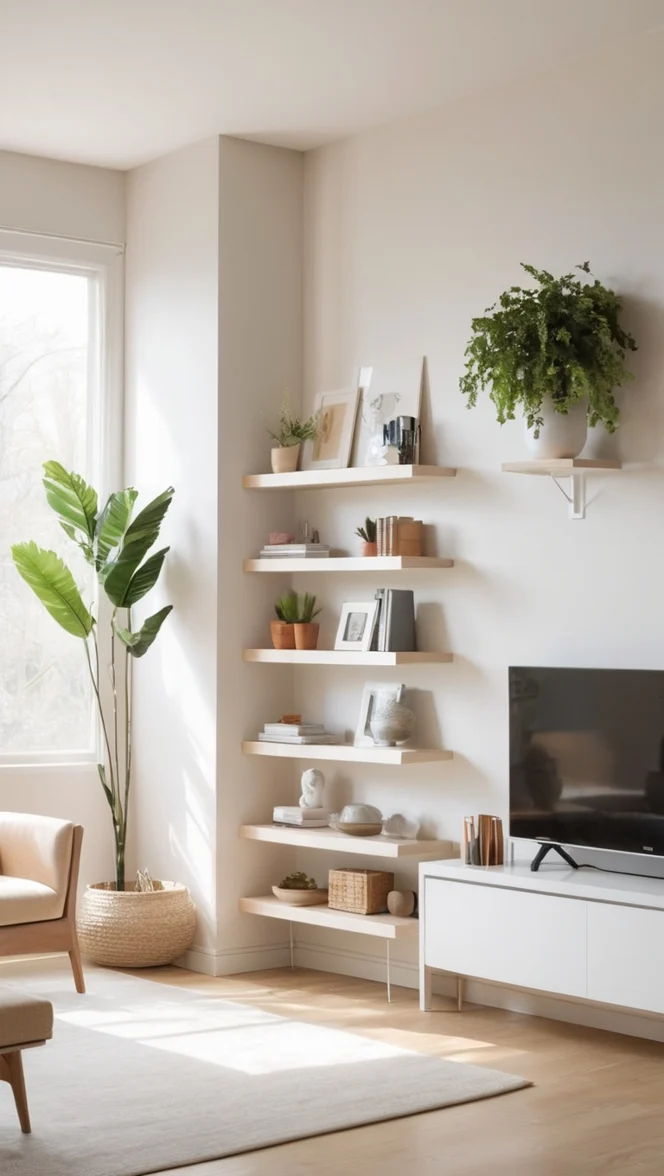
Minimalist wall shelves have become a cornerstone of contemporary living rooms. They offer a clean visual line while providing functional storage, allowing homeowners to showcase favorite pieces without overwhelming the space. Whether you are redesigning a large lounge or a compact apartment, these shelves can anchor a room’s aesthetic and keep clutter at bay.
In this guide we explore how to choose, arrange, and style minimalist wall shelves so they enhance the overall ambience of your living room décor. You’ll learn material selections, layout strategies, lighting pairings, and common pitfalls to avoid. By the end, you’ll feel confident turning a plain wall into a curated backdrop that reflects modern elegance.
Living Room Décor with Minimalist Wall Shelves: Understanding the Concept
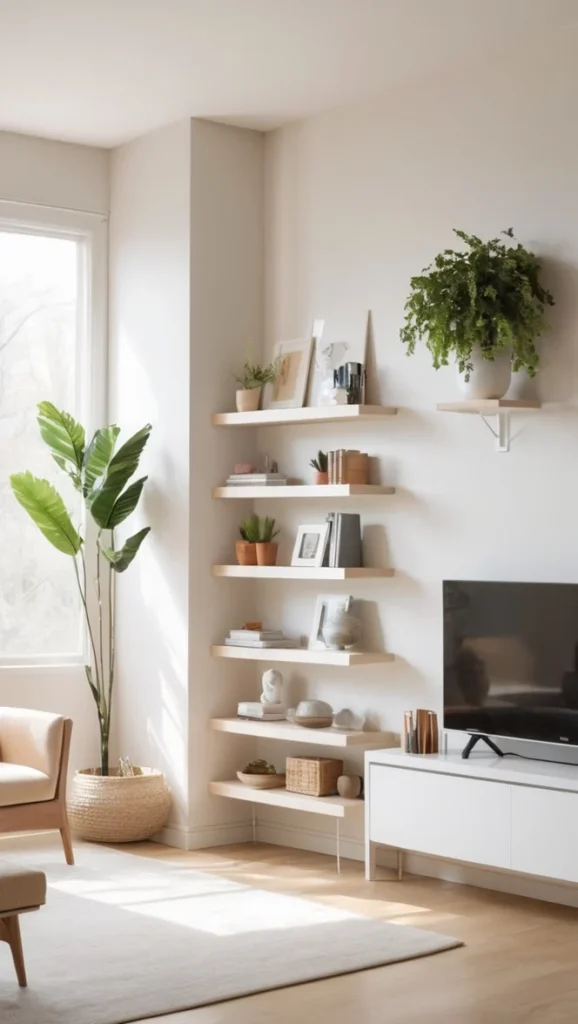
The appeal of minimalist wall shelves lies in their simplicity. Stripped of ornate detailing, they draw attention to what you place upon them rather than the shelf itself. This approach aligns with the broader modern home styling trend that favors open space, neutral palettes, and purposeful objects. When you think about integrating shelves, start by visualising the story you want the wall to tell. Are you highlighting a collection of books, a few art pieces, or a blend of natural elements?
Because the shelves are unobtrusive, they work well in rooms that already have a strong design language. For instance, if your sofa is a bold color, a floating white shelf can act as a quiet counterbalance. Conversely, in a monochrome setting, a wood‑tone shelf adds subtle warmth without breaking the minimalist vibe.
Selecting the Right Materials and Finishes
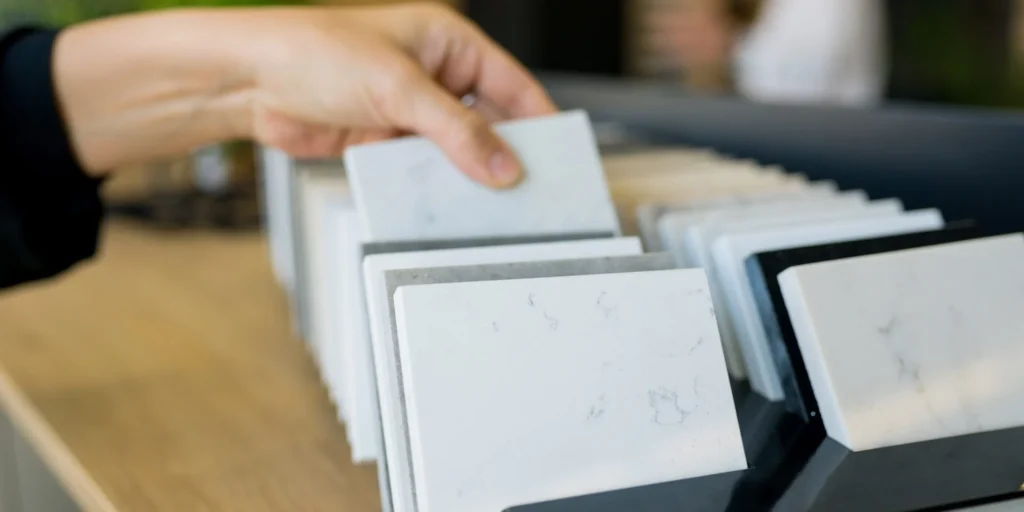
Material choice is pivotal for both durability and visual harmony. Popular options include:
- Solid wood – offers warmth; choose light oak or ash for a bright feel.
- Metal – black or brushed brass adds an industrial edge.
- Glass – clear or frosted panels keep the look airy and translucent.
When matching finishes to your living room décor with minimalist wall shelves, consider the existing flooring, furniture, and hardware. A wooden floor paired with a matching wood shelf creates continuity, while a contrasting metal shelf can become a subtle statement piece. For those who love the sleekness of white interiors, a high‑gloss white shelf echoes the purity of surrounding walls without competing for attention.
Planning Layout and Proportion in the Living Room
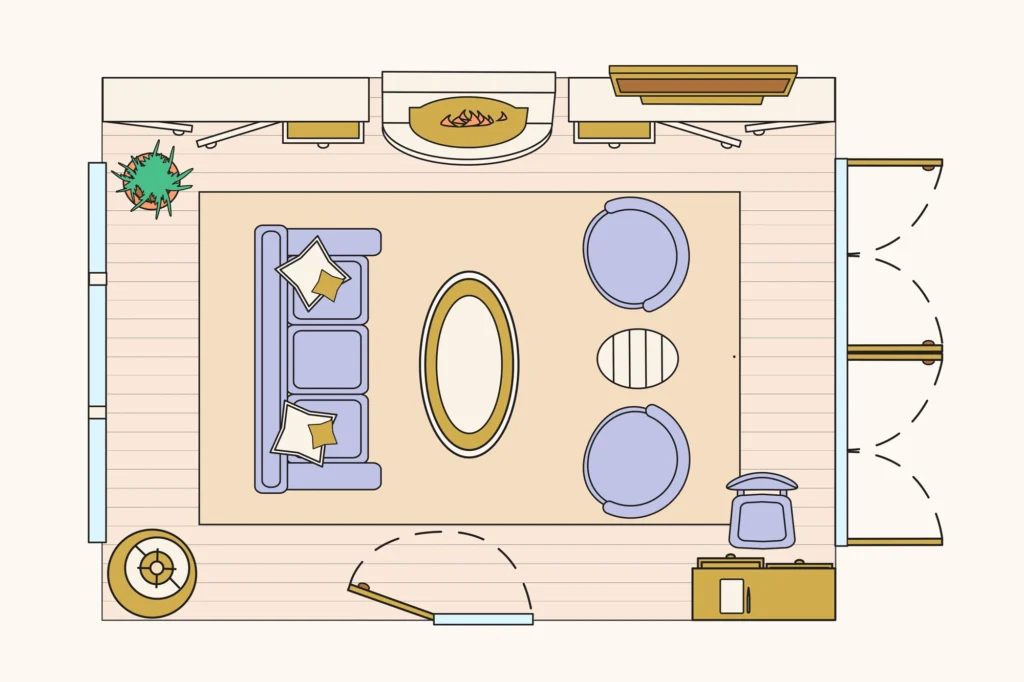
Proportion is the silent hero of successful design. A shelf that stretches the full width of a wall can dominate a small room, whereas a narrow, staggered arrangement adds rhythm without crowding the view. Begin by measuring the wall’s height and width, then sketch a rough layout. Aim to keep the top of the shelf at eye level (about 57–60 inches from the floor) for easy viewing and to maintain a balanced visual line.
Consider creating a “gallery wall” effect by mixing three to five narrow shelves at varying heights. This technique breaks monotony and encourages a curated display. If you have a large open wall behind the sofa, a single, longer shelf spanning the width can serve as a backdrop for decorative objects and plants, reinforcing the focal point of the seating area.
Styling the Shelves with Decorative Objects
Styling is where personality shines. The rule of thumb for living room décor with minimalist wall shelves is “less is more.” Start with a few large items—a sculptural vase, a framed artwork, or a sizeable plant—and fill in the gaps with smaller accents like candles, books, or geometric trays. Group items in odd numbers (three or five) to create visual interest.
Mix textures to add depth without clutter. A smooth ceramic pot beside a rough‑hewn wooden box provides contrast while staying within the minimalist framework. For color, stick to a muted palette and let a single bold piece act as a pop of hue. This approach ensures the shelves enhance the room’s aesthetic rather than distract from it.
Integrating Shelves with Lighting Solutions
Lighting works hand‑in‑hand with minimalist wall shelves to accentuate displayed items and add ambience. Adjustable LED strip lights tucked under each shelf create a subtle glow that highlights books or decorative objects without harsh glare. For a more dramatic effect, consider wall‑mounted picture lights aimed at a focal artwork on the shelf.
For additional inspiration on how to blend lighting with your living room, check out our guide on modern cozy living room lighting ideas. The right illumination not only showcases your décor but also contributes to a warm, inviting atmosphere that aligns with the minimalist ethos.
Maximizing Small Living Spaces
In compact apartments, every square foot matters. Minimalist wall shelves become vertical storage that frees up floor space. Opt for floating shelves that sit close to the ceiling, drawing the eye upward and creating an illusion of height. Pair the shelves with a slim floor lamp to keep the floor clear.
When space is limited, combine the shelf with other functional elements, such as a narrow console table beneath. This hybrid piece can hold keys, mail, or a small tray while the shelves above display books or decorative pieces. By layering storage vertically, you maintain a tidy look and avoid the visual clutter that can make small rooms feel cramped.
Budget-Friendly DIY Shelf Ideas
Not everyone wants to invest in custom‑made shelving. DIY projects can produce stunning minimalist wall shelves using affordable materials. For example, reclaimed wooden planks attached to simple metal brackets create a rustic‑modern look. Paint the planks white or a soft pastel to keep the aesthetic light.
Another budget option is using industrial pipe fittings as supports for reclaimed boards. This combination offers an edgy vibe while remaining inexpensive. When you build your own shelves, you have full control over dimensions, ensuring a perfect fit for your living room décor with minimalist wall shelves.
Maintaining a Clean Aesthetic Over Time
The longevity of a minimalist look depends on regular maintenance. Dust the shelves weekly with a microfiber cloth to prevent buildup. Rotate decorative objects every few months to keep the display fresh and to avoid visual fatigue.
When you acquire new items, ask yourself whether they enhance the overall composition or merely add clutter. A disciplined approach to adding and removing pieces preserves the serene quality that minimalist wall shelves bring to the living room.
Quick Tips for Immediate Impact
- Start with a single floating shelf above the sofa and add a bold piece of artwork.
- Use LED strip lighting for a soft back‑glow that highlights décor without overwhelming the space.
- Choose one or two accent colors and repeat them across books, vases, and cushions for cohesion.
Common Mistakes and How to Avoid Them
Even seasoned decorators can stumble when working with minimalist wall shelves. Below are frequent errors and simple fixes:
- Overloading the shelves – Fill only 30‑40% of the shelf space; leave breathing room.
- Ignoring scale – Ensure objects are proportionate to the shelf depth; oversized items look out of place.
- Mismatching finishes – Keep hardware and shelf materials in harmony with existing furniture.
- Neglecting lighting – Without adequate lighting, the shelves may appear flat; integrate subtle illumination.
Frequently Asked Questions
Can I install floating shelves on plaster walls?
Yes, but you’ll need appropriate anchors and screws designed for plaster. Use a stud finder to locate studs for extra support, especially if you plan to place heavier items on the shelves.
What height is ideal for minimalist wall shelves in a living room?
A common guideline is to position the top of the shelf at eye level, roughly 57‑60 inches from the floor. This height allows easy viewing while keeping the visual line balanced.
How many shelves should I use in a small living room?
In tighter spaces, two to three narrow shelves create a sense of rhythm without overwhelming the wall. Staggered heights add interest while preserving openness.
Is glass a good material for minimalist shelves?
Glass offers a light, airy feel and works well in bright rooms. However, it can show fingerprints and dust more readily, so regular cleaning is essential.
Should I match the shelf colour to my wall?
Matching creates a seamless, floating effect that emphasizes minimalism. Contrasting colours can add a subtle accent, but ensure the contrast complements the room’s overall palette.
Can I combine books and decorative objects on the same shelf?
Absolutely. Mixing functional items like books with decorative pieces creates a curated look. Keep the arrangement balanced by alternating heights and textures.
For more ideas on colour coordination, explore our living room décor with soft beige tones guide. It offers insight on integrating neutral palettes with minimalist shelving.
When choosing frames for wall art above your shelves, consider our article on wall décor with simple black frames. Simple frames can complement the clean lines of minimalist shelving without stealing focus.
Implementing these strategies will transform your living room into a polished, functional space that reflects contemporary taste.
Living room décor with minimalist wall shelves is more than a trend; it’s a versatile tool for creating order, showcasing personality, and enhancing visual flow. By selecting appropriate materials, planning thoughtful layouts, and curating styled displays, you can achieve a refined look that feels both welcoming and sophisticated. Remember to keep the composition airy, use lighting wisely, and revisit the arrangement periodically to maintain freshness. With these principles in hand, you’re ready to turn any blank wall into a subtle yet striking focal point that elevates your entire living space.