
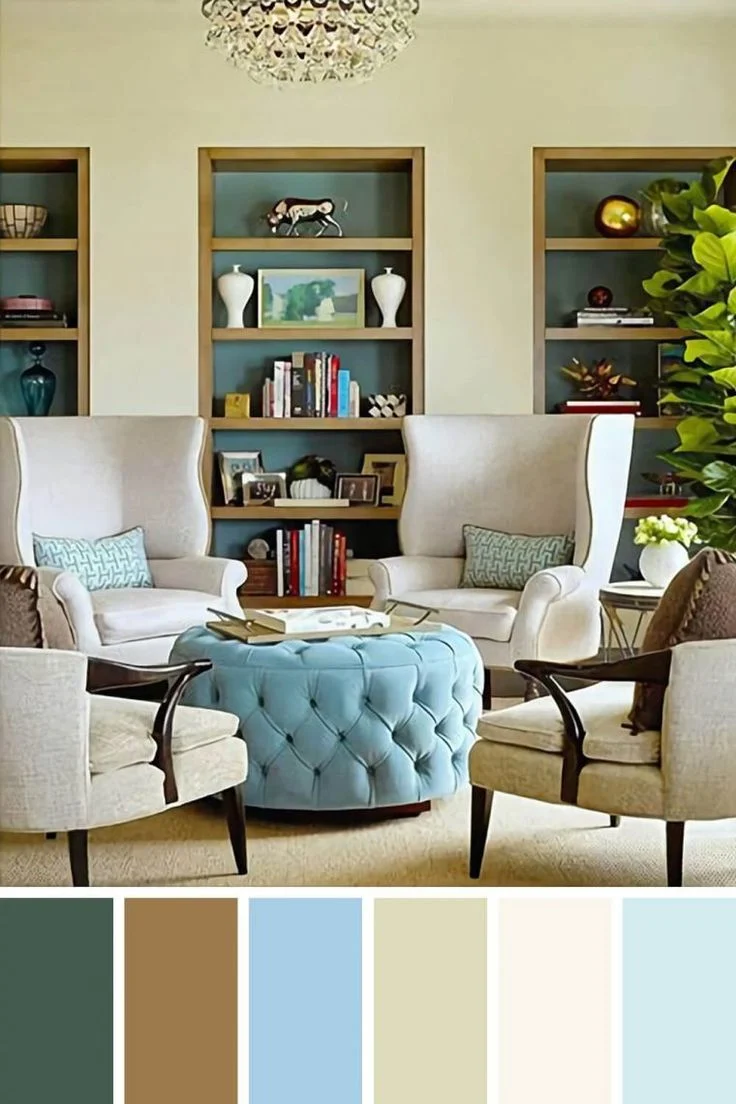
Table of Contents
- Living Room Interior Inspiration: Color Schemes that Set the Mood
- Living Room Interior Inspiration: Using Accent Walls Effectively
- Furniture Layout Strategies for Flow and Function
- Living Room Interior Inspiration: Zoning Small Spaces
- Lighting Layers: From Ambient to Accent
- Texture & Material Mix: Adding Depth without Clutter
- Living Room Interior Inspiration: Wall Panel Ideas
- Window Treatments: Balancing Light, Privacy, and Style
- Incorporating Art and Personal Collections
- Smart Storage Solutions that Blend Seamlessly
- Quick Home Décor Tips
- Common Mistakes to Avoid in Living Room Design
- Frequently Asked Questions
- Conclusion
Living Room Interior Inspiration: Fresh Ideas for Modern Homes
Creating a space that feels both welcoming and reflective of personal style is the heart of any home décor journey. The living room, as the central gathering point, deserves special attention—whether you’re working with a sprawling open‑plan area or a compact city apartment. In this guide, we’ll explore a variety of living room interior inspiration that balances aesthetics, functionality, and the latest design trends. You’ll learn how to harness color, texture, furniture arrangement, and lighting to craft a room that feels both contemporary and timeless.
Why does living room interior inspiration matter? A well‑designed living area not only elevates your home’s visual appeal but also improves everyday comfort and flow. It can become a backdrop for family moments, entertaining guests, or simply unwinding after a busy day. By the end of this article, you’ll have a toolbox of ideas—ranging from bold accent walls to subtle layering techniques—that you can apply immediately, regardless of budget or square footage.
Throughout the article, we’ll weave in practical tips, avoid common pitfalls, and answer the most frequently asked questions about modern living spaces. Let’s dive in and start reimagining your living room.
Living Room Interior Inspiration: Color Schemes that Set the Mood
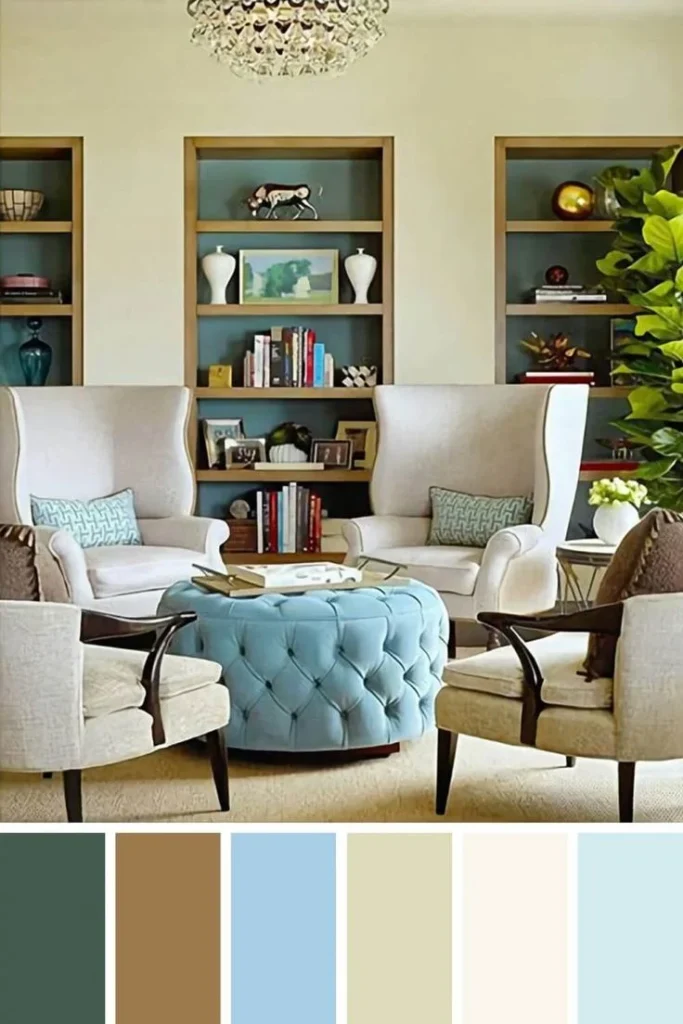
Color is the most immediate way to influence a room’s atmosphere. When selecting a palette, consider the natural light, the size of the space, and the emotional tone you want to create. Soft neutrals—think warm greys, creamy beiges, and muted taupes—provide a versatile backdrop that allows artwork and furnishings to shine. For a more dramatic feel, deep navy, forest green, or charcoal can anchor the room while still feeling sophisticated.
To add visual interest without overwhelming the senses, incorporate a “pop” of color through accent pieces such as cushions, rugs, or a statement armchair. This approach aligns with the concept of living room interior inspiration that balances boldness with restraint. If you’re drawn to nature, a palette inspired by earth tones—terracotta, olive, and sand—creates a calming, organic vibe that works well in both modern and transitional homes.
Living Room Interior Inspiration: Using Accent Walls Effectively
An accent wall can instantly become the focal point of your living room interior inspiration. Choose a wall that naturally draws the eye, such as the one behind the sofa or the wall that houses your TV. Paint it in a rich hue, apply wallpaper with subtle texture, or use reclaimed wood panels for a warm, rustic touch. When pairing an accent wall with lighter surrounding walls, the room feels balanced and spacious.
For those who prefer a less permanent solution, consider removable wall decals or a large piece of art that mimics an accent wall effect. This flexibility is especially valuable for renters who want to experiment with living room interior inspiration without compromising their lease agreement.
Furniture Layout Strategies for Flow and Function
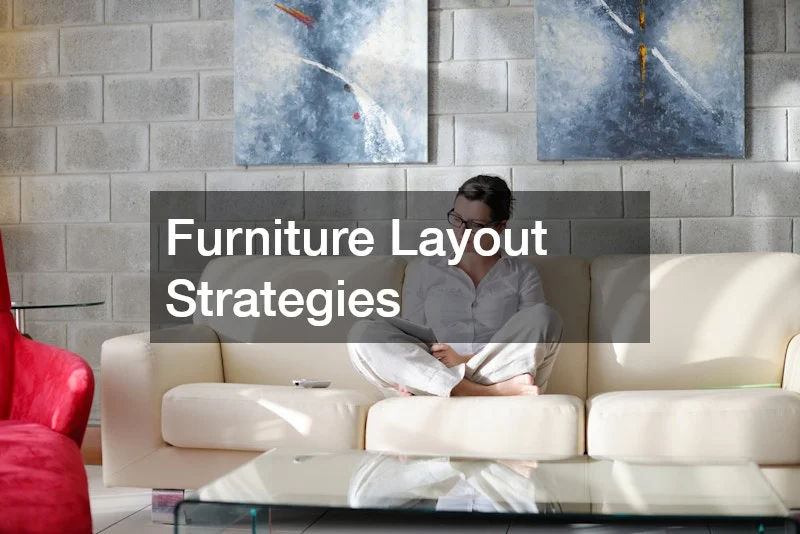
The arrangement of furniture can either invite conversation or create awkward barriers. Begin by identifying the room’s natural traffic patterns—paths people take from the entryway to the kitchen, for example. Position the primary seating—sofa, chairs, or a sectional—so it faces a focal point, whether that’s a fireplace, a large window, or an entertainment center. This orientation encourages a relaxed, inclusive atmosphere.
When dealing with limited space, consider multi‑functional pieces such as a storage ottoman, a coffee table with hidden compartments, or a sofa with built‑in side tables. These elements uphold the living room interior inspiration principle of maximizing utility without sacrificing style. Additionally, maintain at least 30‑inch clearance around high‑traffic zones to ensure easy movement.
Living Room Interior Inspiration: Zoning Small Spaces
Even a modest living room can feel organized by creating distinct zones—seating, reading, and media. Use area rugs, floor lamps, or a bookshelf as visual dividers. For instance, a low‑profile rug beneath the sofa can delineate the conversation area, while a sleek floor lamp paired with a comfortable armchair establishes a reading nook. This subtle zoning enhances the overall living room interior inspiration while keeping the floor plan open.
Lighting Layers: From Ambient to Accent
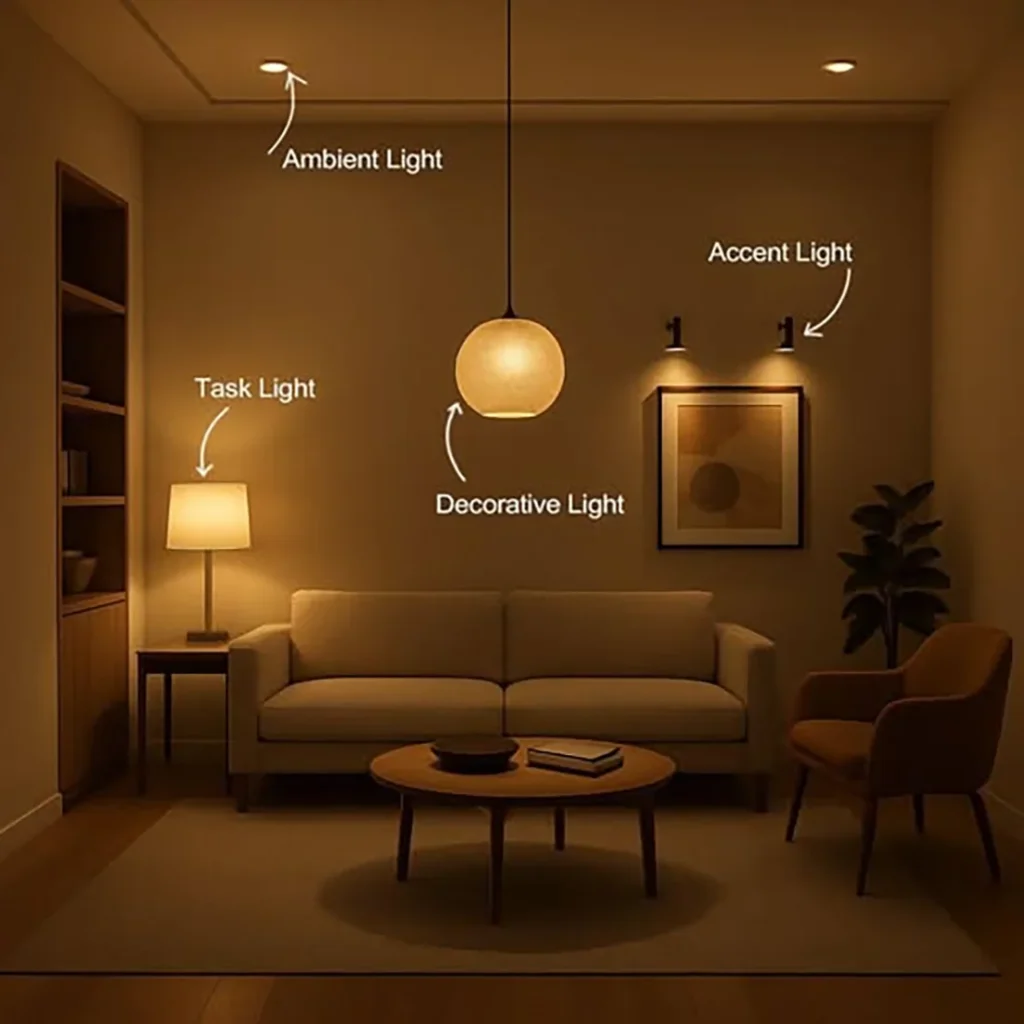
Effective lighting is a cornerstone of any living room interior inspiration plan. Aim for a three‑layer approach: ambient lighting for overall illumination, task lighting for specific activities, and accent lighting to highlight artwork or architectural features. Ceiling fixtures—such as recessed lights or a modern chandelier—provide ambient light, while floor lamps and table lamps address task needs.
Accent lighting, like LED strip lights behind a TV or spotlights directed at a gallery wall, adds depth and drama. When selecting bulbs, opt for warm‑white LEDs (2700K‑3000K) to create a cozy ambiance that complements most color schemes. Dimmer switches are a simple yet powerful addition, allowing you to adjust the mood throughout the day.
Texture & Material Mix: Adding Depth without Clutter
Texture plays a vital role in delivering living room interior inspiration that feels layered and inviting. Mix natural materials—such as linen cushions, wool throws, and leather sofas—to create a tactile experience. Incorporate reflective surfaces like glass coffee tables or metallic lamp bases to catch light and add a sense of spaciousness.
For a cohesive look, limit the number of primary textures to three or four, then repeat them throughout the room. A patterned rug can tie together disparate elements, while a sleek concrete or marble side table introduces an industrial edge. When choosing fabrics, consider durability and maintenance, especially for high‑traffic sofas and chairs.
Living Room Interior Inspiration: Wall Panel Ideas
Wall panels provide an elegant way to introduce texture without overwhelming the space. Simple wooden slats, fabric‑covered panels, or 3‑D acoustic panels can serve as a backdrop for your entertainment center. Check out our article on small living room wall panel ideas for more detailed guidance on selecting the right style for your home.
Window Treatments: Balancing Light, Privacy, and Style
Windows are both functional and decorative components of living room interior inspiration. Choose treatments that regulate natural light while complementing your color palette. Sheer curtains soften harsh sunlight, while heavier drapes provide privacy and add a luxurious feel. For a contemporary look, consider roller blinds in a neutral tone paired with a simple valance.
If you’re interested in how tinting can affect ambience, explore our guide on 50 vs 35 window tint. The right level of tint can reduce glare, improve energy efficiency, and subtly enhance the room’s mood, especially in sun‑filled living areas.
Incorporating Art and Personal Collections
Artwork and personal objects turn a generic living room interior inspiration into a space that tells your story. A large canvas or a gallery wall can serve as a focal point, while smaller pieces—sculptures, travel souvenirs, or family photos—add personality. Arrange items in groups of three or five for visual harmony, and vary heights using picture ledges or wall-mounted shelves.
When hanging art, keep the center of each piece at eye level (about 57‑60 inches from the floor). This rule ensures a comfortable viewing experience for most guests. If you’re unsure where to start, our home decorating ideas for beginners guide provides a step‑by‑step approach to curating a cohesive collection.
Smart Storage Solutions that Blend Seamlessly
Clutter can quickly undermine even the most thoughtfully designed living room interior inspiration. Smart storage solutions—such as built‑in shelving, floating media consoles, or modular cube units—keep essentials organized while maintaining a clean aesthetic. Choose pieces that complement your overall material palette; for example, a sleek white lacquer console pairs well with a minimalist color scheme.
For larger storage needs, compare custom options like California Closets vs Closet World to find a system that integrates seamlessly into your living room layout. Remember, the goal is to hide away items without sacrificing style, preserving the room’s visual flow.
Quick Home Décor Tips
- Swap out throw pillows seasonally to refresh color without major expense.
- Use a large mirror opposite a window to double natural light.
- Integrate a statement rug to anchor furniture and add texture.
- Place a plant or two for a touch of greenery and improved air quality.
- Install dimmable LED strips behind the TV for subtle ambient lighting.
Common Mistakes to Avoid in Living Room Design
Even seasoned decorators can stumble on a few pitfalls that diminish the impact of living room interior inspiration. One frequent error is overcrowding the space with oversized furniture, which restricts movement and makes the room feel cramped. Instead, choose appropriately scaled pieces and leave breathing room.
Another misstep is neglecting balance between hard and soft elements. A room dominated by sleek metal or glass can feel cold; counter it with textiles like rugs, cushions, or curtains. Lastly, avoid ignoring the power of proportion—artwork that’s too small for a large wall looks lost, while overly large pieces can overwhelm a modest space. Keep these guidelines in mind to maintain harmony.
Frequently Asked Questions
What is the best way to choose a color palette for my living room?
Start by assessing the room’s natural light and existing furnishings. Use a neutral base and add one or two accent colors through accessories. Test paint swatches on the wall at different times of day to see how they shift.
How can I make a small living room appear larger?
Utilize light, reflective surfaces, keep furniture low to the floor, and employ vertical lines such as tall bookshelves or elongated artwork. Mirrors and strategic lighting also amplify perceived space.
Is it okay to mix modern and traditional furniture?
Yes—mixing styles creates visual interest when you anchor the room with a cohesive color scheme and balanced proportions. Pair a sleek sofa with a vintage coffee table for an eclectic yet harmonious look.
What type of flooring works best for high‑traffic living rooms?
Durable options like engineered hardwood, luxury vinyl plank, or polished concrete handle foot traffic well while offering a stylish backdrop for various décor styles.
Should I hide my TV or make it a focal point?
Both approaches work. If you prefer a sleek aesthetic, conceal the TV with a sliding panel or artwork. If entertainment is central to the space, design the media wall as the focal point and build surrounding décor around it.
Conclusion
Living room interior inspiration is about blending form, function, and personal flair to create a space that feels both inviting and reflective of your lifestyle. By thoughtfully selecting colors, arranging furniture for flow, layering lighting, and integrating texture, you can transform any living area—from a compact city loft to a spacious suburban lounge—into a cohesive, stylish retreat. Remember to stay mindful of common pitfalls, use smart storage, and sprinkle in personal touches that tell your story. With these ideas at hand, you’re ready to embark on a design journey that will make your living room the heart of your home.