
Table of Contents
- Essential Principles of Home Decorating Ideas for Beginners
- Understanding Space and Scale
- Building a Cohesive Color Palette
- How to Choose Colors When Starting Out
- Furniture Selection Made Simple
- Choosing Pieces That Fit Your Lifestyle
- Adding Personality with Textiles and Accessories
- Layering Rugs, Pillows, and Throws
- Maximizing Small Spaces with Smart Decorating Ideas
- Space‑Saving Hacks for Beginners
- Quick Home Decorating Tips
- Common Mistakes and How to Avoid Them
- Frequently Asked Questions
- Bringing It All Together
[ TITLE ]: Home Decorating Ideas for Beginners: A Step‑by‑Step Guide
[ META_DESC ]: Discover practical home decorating ideas for beginners with easy tips, color tricks, furniture basics, and small‑space hacks to transform any room.
[ TAGS ]: home decorating, beginners guide, interior design, small space, modern decor
Home Decorating Ideas for Beginners: A Step‑by‑Step Guide
Starting a new decorating project can feel overwhelming, especially if you’ve never tackled a room makeover before. The sheer variety of styles, colors, and furniture options can make the process seem like a maze. Yet, with a clear plan and a handful of guiding principles, anyone can create a space that feels both stylish and uniquely yours.
This article breaks down the essential home decorating ideas for beginners into manageable steps. From mastering color theory to selecting the right furniture and adding personality through accessories, you’ll walk away with a toolbox of practical tips that you can apply to any room—big or small. Let’s dive in and turn those “I wish” thoughts into confident design decisions.
Essential Principles of Home Decorating Ideas for Beginners
Before you pick out paint swatches or shop for a new sofa, it helps to understand the foundational concepts that make a room work. These principles act like a compass, ensuring every choice you make supports the overall look and function of the space.
Understanding Space and Scale
One of the most common stumbling blocks for newcomers is misreading the size of a room. A piece of furniture that looks perfect on a glossy magazine spread can quickly dominate a modest living area. Begin by measuring the floor area, ceiling height, and any architectural features such as windows or built‑ins. Sketch a simple floor plan on graph paper or use a free online room planner. Place cut‑out shapes that represent your existing furniture and see how much “breathing room” you have left.
- Leave at least 24‑inches of clearance around a dining table for comfortable movement.
- Keep the top of a coffee table at about two‑thirds the height of your sofa’s seat.
- Use area rugs that are large enough to anchor seating groups—ideally, the front legs of sofas and chairs should rest on the rug.
When you respect space and scale, the rest of the home decorating ideas for beginners fall into place more naturally, because each element has a defined role and room to breathe.
Building a Cohesive Color Palette
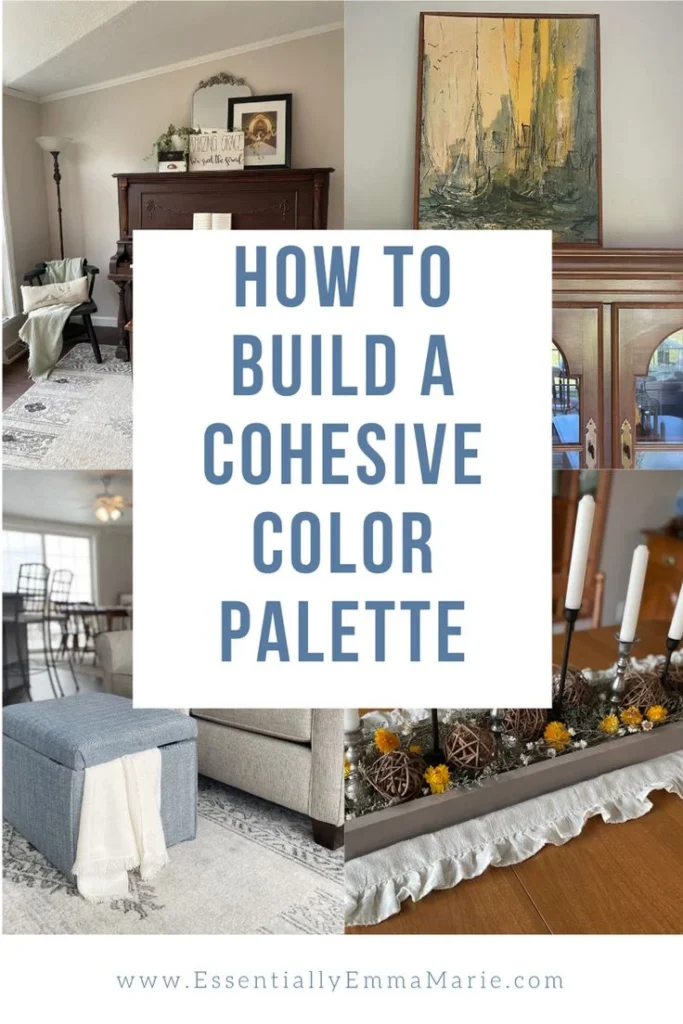
Color sets the emotional tone of a room and can either unify a space or create visual chaos. For beginners, a simple palette of three colors—one dominant, one secondary, and one accent—provides a solid framework without overwhelming the eye.
How to Choose Colors When Starting Out
Start with a neutral base such as warm gray, soft beige, or muted greige. These hues act like a canvas, allowing you to experiment with bolder shades later. Next, select a secondary color that appears in a favorite piece of furniture, artwork, or textile. Finally, add an accent color in small doses—think throw pillows, vases, or a single wall.
Tip: Use the minimalist kitchen decoration inspiration article to see how a restrained palette can look striking when paired with natural textures. When in doubt, pull colors from a photo you love and use a digital color picker to extract the exact hex codes.
- Apply the 60‑30‑10 rule: 60% dominant, 30% secondary, 10% accent.
- Test paint swatches on the wall at different times of day to see how natural light shifts the hue.
- Use the same accent color in multiple rooms to create a subtle flow throughout the house.
With a cohesive color strategy, your home decorating ideas for beginners will feel intentional rather than haphazard, giving each room a polished look from day one.
Furniture Selection Made Simple
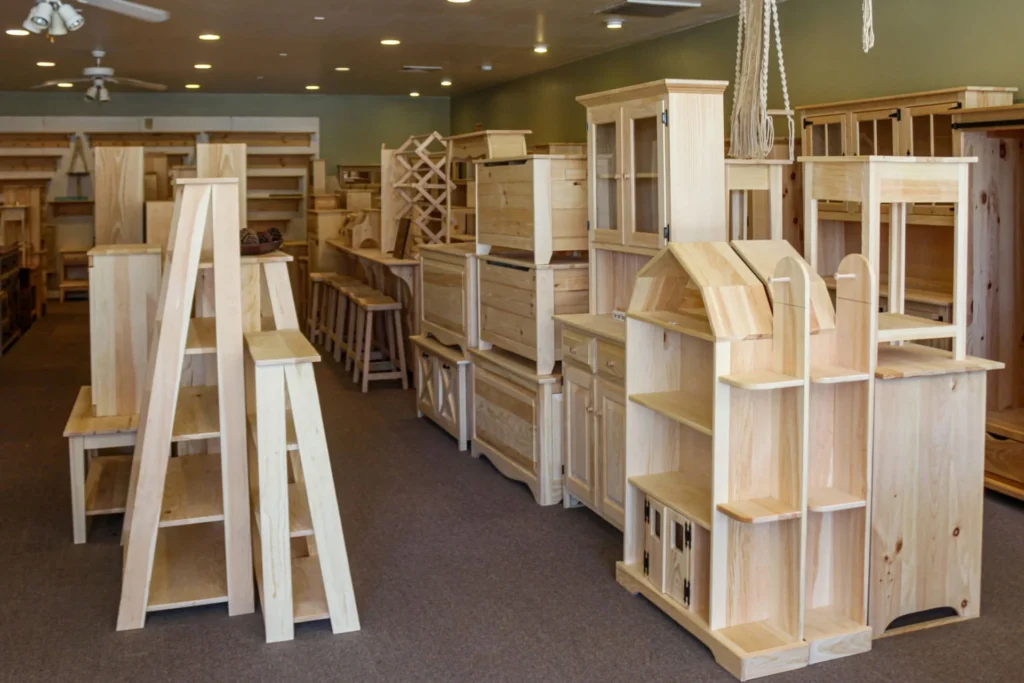
Furniture is the backbone of any interior, and choosing the right pieces early on can save you time, money, and frustration. For beginners, focusing on versatility, comfort, and proportion will lead to a functional and attractive layout.
Choosing Pieces That Fit Your Lifestyle
Ask yourself how you use each room. Do you entertain frequently? Do you need a home office corner? Answering these questions helps you prioritize furniture that serves multiple purposes. For example, a sofa with a hidden storage compartment can double as a place to keep blankets, while an ottoman that doubles as a coffee table offers flexibility.
When selecting a couch or dining table, consider the following:
- Scale: A sectional may dominate a studio apartment, whereas a sleek, low‑profile sofa works better in tight spaces.
- Material: Durable fabrics like performance velvet or microfiber are ideal for households with kids or pets.
- Style consistency: Stick to a single design language—mid‑century modern, industrial, or Scandinavian—to keep the look cohesive.
Don’t overlook the importance of the right door choice. Our guide on single panel vs double panel doors explains how door style can affect the flow and perception of space, especially in smaller rooms.
By aligning furniture decisions with lifestyle needs, you’ll find that the home decorating ideas for beginners you implement feel purposeful and lasting.
Adding Personality with Textiles and Accessories
Once the big pieces are in place, the finishing touches bring warmth and character to a room. Textiles—rugs, curtains, cushions, and throws—are the most cost‑effective way to experiment with color, pattern, and texture without committing to permanent changes.
Layering Rugs, Pillows, and Throws
Start with a base rug that anchors the seating area. Choose a natural fiber like jute or a low‑pile wool for durability. Next, add a secondary rug—perhaps a patterned runner—that adds visual interest without competing with the larger piece. When it comes to pillows, mix solid colors with subtle patterns, varying sizes and shapes to create depth.
For an extra splash of personality, hang a statement piece of art or a gallery wall of family photos. Incorporating greenery, such as a hanging basket of shade‑loving plants, can also soften hard edges and improve indoor air quality.
- Use a 2‑by‑3 rule for pillows: two solid colors, one patterned, one textured.
- Choose curtains that are at least two inches longer than the window height for an elegant drape.
- Swap out accessories seasonally to keep the space feeling fresh without a major overhaul.
These small yet impactful details are where the magic of home decorating ideas for beginners truly shines, turning a functional room into a welcoming sanctuary.
Maximizing Small Spaces with Smart Decorating Ideas
Living in a compact apartment or a modest‑sized house doesn’t mean you have to sacrifice style. Smart use of space, clever storage, and visual tricks can make a tiny area feel open and airy.
Space‑Saving Hacks for Beginners
Vertical storage is your best friend. Install floating shelves or tall bookcases that draw the eye upward, creating the illusion of height. Mirrors also amplify light and depth; a large, framed mirror placed opposite a window can double the perceived size of a room.
Consider multifunctional furniture: a wall‑mounted drop‑leaf table can serve as a dining spot or a work desk, while a lofted bed frees up floor space for a study nook underneath. For closets, use uniform hangers and add a hanging organizer to keep everything visible.
When selecting decor, keep the color palette light and consistent. Light hues reflect more light, making rooms feel larger. Add a pop of color through accessories rather than large furniture to maintain an airy feel.
- Choose a slim‑profile sofa or a loveseat instead of a bulky sectional.
- Use clear acrylic or glass coffee tables to reduce visual weight.
- Implement a “one in, one out” rule for decorative items to avoid clutter buildup.
By applying these space‑saving strategies, the home decorating ideas for beginners you adopt will enhance both functionality and aesthetic appeal, no matter the square footage.
Quick Home Decorating Tips
- Start with a single focal point—like a bold artwork or an eye‑catching rug—and build the room around it.
- Mix textures (metal, wood, fabric) to add depth without relying on many colors.
- Use lighting layers: ambient ceiling lights, task lamps, and accent lighting for a balanced atmosphere.
- Keep a stash of neutral slipcovers; swapping them out is an instant refresh.
- Create a home decor vision board before purchasing to visualize how pieces will interact.
Common Mistakes and How to Avoid Them
Even seasoned decorators occasionally slip into habits that undermine a room’s potential. Recognizing these pitfalls early helps beginners stay on track.
- Over‑decorating: Filling every surface with trinkets creates visual clutter. Adopt a “less is more” mindset and let negative space breathe.
- Ignoring lighting: Relying solely on overhead lighting can make a space feel flat. Blend ambient, task, and accent lighting for dimension.
- Choosing the wrong size rug: A rug that’s too small makes furniture appear disconnected; too large can overwhelm. Follow the 60‑40 rule—let the rug cover 60% of the floor area for balanced proportion.
- Neglecting flow: Blocking pathways with furniture disrupts movement. Ensure a clear route of at least 36 inches around high‑traffic zones.
- Skipping a plan: Impulse purchases often lead to mismatched styles. Sketch a layout and stick to a color scheme before buying.
Frequently Asked Questions
What is the best way to start a room makeover if I have no design experience?
Begin by defining the room’s purpose, measuring the space, and selecting a simple color palette. Then, choose a few key pieces of furniture that fit the scale, and layer in textiles and accessories. Using a floor plan and a vision board helps keep the project focused.
How can I make a small bedroom feel larger?
Use light, neutral wall colors, incorporate mirrors, and opt for a low‑profile platform bed. Add floating nightstands or wall‑mounted sconces to free up floor space. Keep floor clutter to a minimum and choose multi‑functional pieces such as a storage bench at the foot of the bed.
Is it okay to mix different design styles?
Yes, mixing styles can add personality when done thoughtfully. Anchor the room with a dominant style (e.g., modern) and introduce complementary elements (e.g., a vintage rug) as accent pieces. Consistent color and material choices help unify the disparate elements.
What budget‑friendly flooring options work for beginners?
Luxury vinyl plank (LVP) mimics wood at a lower cost and is easy to install. Peel‑and‑stick tiles are another DIY‑friendly option for quick upgrades. If you prefer a softer feel, consider low‑pile area rugs that can be swapped out seasonally.
How often should I update my home décor?
Trends evolve, but timeless design elements last years. Refresh accessories like pillows, throws, or artwork every season to keep the space current without a major overhaul. Major furniture pieces can remain for 5‑10 years if they’re high quality and versatile.
Bringing It All Together
Embarking on a decorating journey as a beginner is less about perfection and more about learning what works for you. By grounding yourself in core principles—understanding space, mastering a cohesive color palette, selecting functional furniture, and layering textiles—you’ll build a strong foundation for any future project.
Remember that each room is an evolving canvas. Start small, experiment with the home decorating ideas for beginners presented here, and let your confidence grow. As you gain experience, you’ll naturally develop an eye for balance, proportion, and personal style. For more inspiration, explore our articles on living room décor with natural baskets and discover how simple accessories can make a dramatic impact.
Now that you have a roadmap, pick a room, set a realistic budget, and begin turning your vision into reality. The Homara is here to support you every step of the way—happy decorating!