
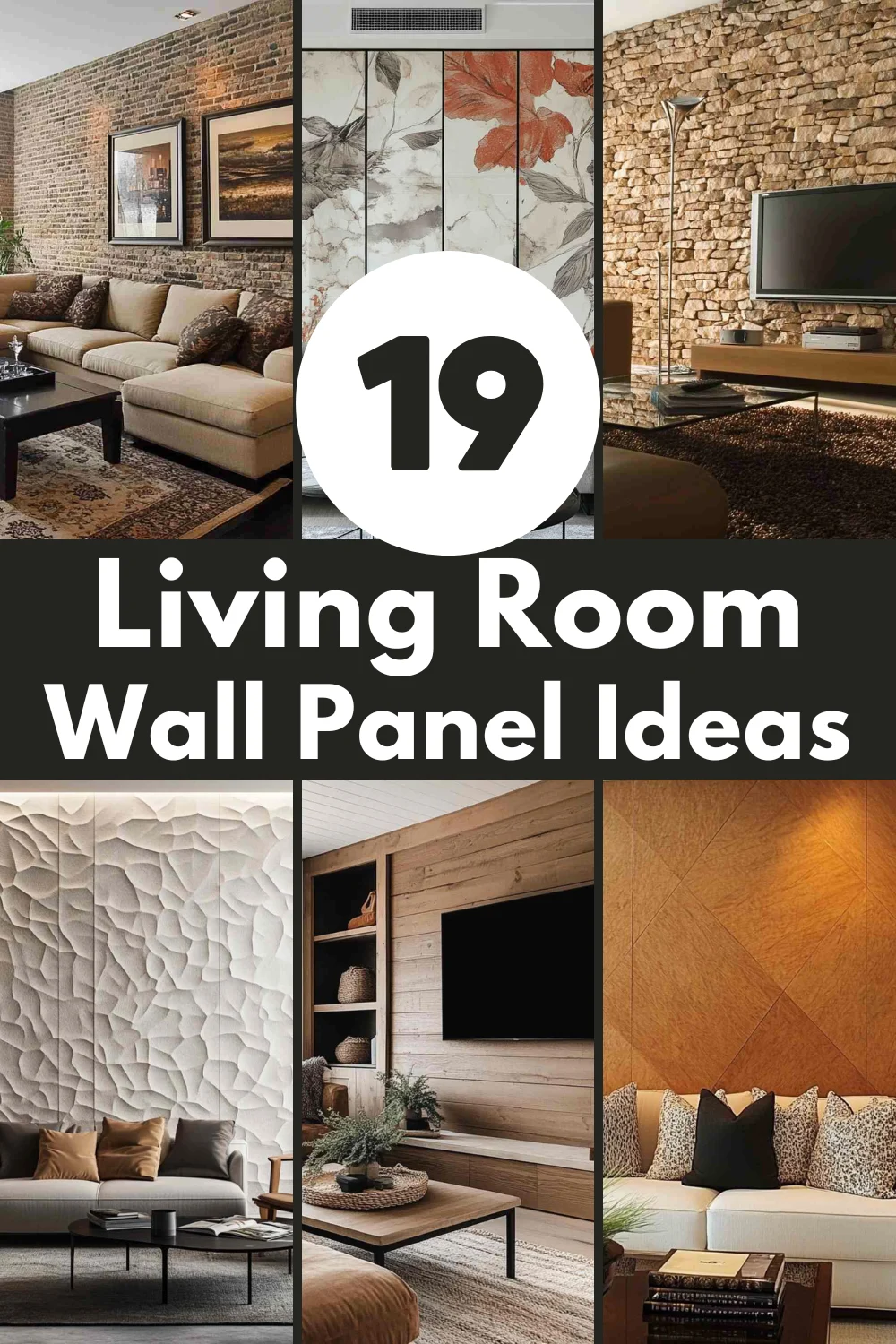
Table of Contents
- Small living room wall panel ideas: Material choices that make a difference
- Wood slat panels for warmth and vertical emphasis
- Acoustic fabric panels for texture without bulk
- Peel‑and‑stick vinyl tiles for quick, renter‑friendly upgrades
- Design tricks: Using panels to create zones and visual flow
- Panel backdrops for seating areas
- Accent strips to highlight artwork or shelving
- Practical installation tips for flawless results
- Measure twice, plan your layout
- Prepare the surface
- Use a level and a laser guide
- Secure panels with appropriate fasteners
- Budget‑friendly ideas that don’t compromise style
- Reclaimed pallet wood for rustic charm
- DIY fabric‑covered panels using canvas frames
- Mix-and‑match modular panels
- Quick actionable tips for immediate impact
- Common mistakes and how to avoid them
- Over‑patterning the space
- Choosing panels that are too thick
- Neglecting lighting considerations
- Frequently Asked Questions
- Can wall panels be installed over wallpaper?
- What is the best height for installing panels in a small living room?
- Do acoustic panels actually improve sound quality in a small room?
- Are peel‑and‑stick panels safe for children and pets?
- How can I combine wall panels with existing artwork?
- Is it possible to remove panels without damaging the wall?
Creative small living room wall panel ideas for modern spaces
Living in a compact apartment or a cozy house often means every square foot counts, especially in the living room. One of the most effective ways to add personality, depth, and functional storage without overwhelming the space is through thoughtfully chosen wall panels. Whether you’re a first‑time renter looking for a non‑permanent solution or a homeowner eager to upgrade, small living room wall panel ideas can transform a bland wall into a focal point that reflects your style.
In this guide we’ll explore a range of panel options—from sleek wood slats and geometric acoustic tiles to budget‑friendly peel‑and‑stick designs. You’ll learn how to blend panels with existing décor, avoid common pitfalls, and even incorporate DIY touches that keep the project affordable. By the end, you’ll have a toolbox of ideas ready to make your modest living area feel larger, brighter, and unmistakably yours.
Small living room wall panel ideas: Material choices that make a difference
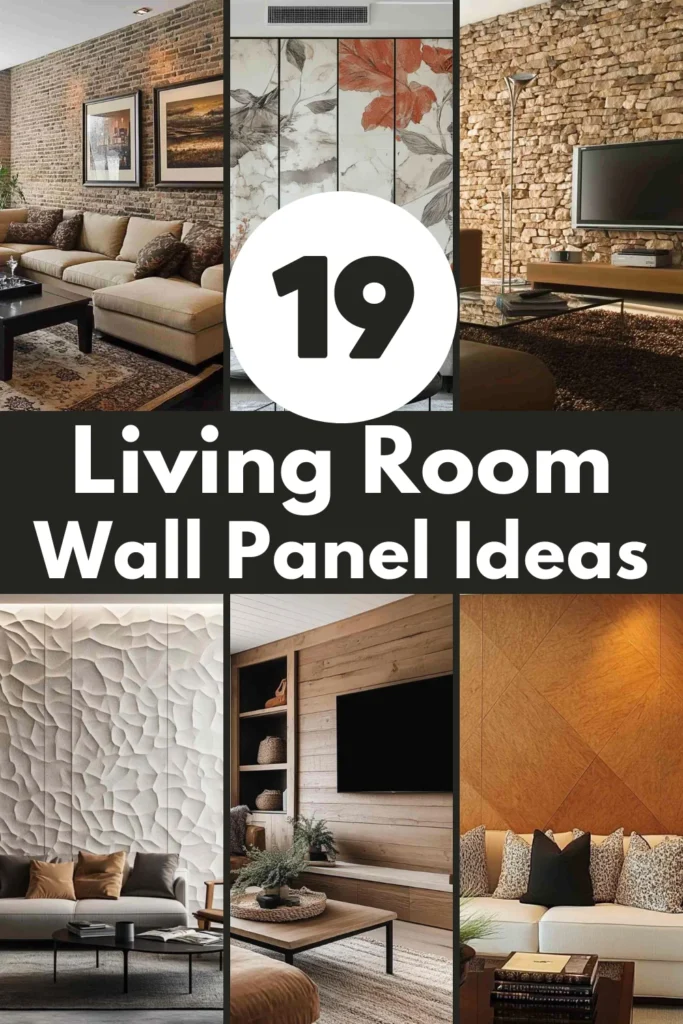
The first decision when planning wall panels is the material. Different textures and finishes can either open up the room or make it feel cramped. Here are three versatile options that work especially well in limited spaces.
Wood slat panels for warmth and vertical emphasis
Horizontal or vertical wood slats add natural warmth while creating a subtle sense of height. When installed vertically on a narrow wall, they draw the eye upward, making the ceiling appear higher—a clever illusion for small living room wall panel ideas. Choose light‑stained pine for a Scandinavian vibe, or go dark walnut for a more dramatic contrast against lighter furniture.
Acoustic fabric panels for texture without bulk
Fabric‑wrapped acoustic panels are lightweight, sound‑absorbing, and available in a palette of colors and patterns. Because they are thin, they don’t add visual weight, which is crucial in a small living room. Pair them with a neutral sofa and a pop of color in the cushions to keep the look balanced.
Peel‑and‑stick vinyl tiles for quick, renter‑friendly upgrades
If you’re renting or simply want a change that can be removed later, peel‑and‑stick vinyl panels are a perfect answer. Modern designs mimic wood, stone, or even 3‑D geometric shapes. Installation takes minutes, and the panels can be peeled off without damaging the wall—ideal for small living room wall panel ideas that evolve with your taste.
- Consider light finishes to reflect more light.
- Mix materials for a layered, curated look.
- Use panels behind the TV to hide wiring while adding style.
Design tricks: Using panels to create zones and visual flow

In a compact living room, defining functional zones without using bulky furniture is a challenge. Wall panels can act as subtle dividers, guiding traffic and emphasizing purpose.
Panel backdrops for seating areas
Install a panel strip behind your sofa or a pair of armchairs to anchor the seating zone. A contrasting color or texture signals a distinct area, making the room feel organized even when space is limited. For instance, a matte charcoal panel behind a light‑gray sofa creates a sleek, modern vignette.
Accent strips to highlight artwork or shelving
Thin, decorative panels can frame a gallery wall or a floating bookshelf, turning ordinary storage into a design statement. This approach works well when you want to showcase a curated collection of books, plants, or personal memorabilia without adding extra furniture.
These strategies align with broader home decorating ideas for beginners, where layering and zoning are key to achieving a harmonious look.
Practical installation tips for flawless results

Even the most stunning panel design can fall flat if installation isn’t executed correctly. Follow these practical steps to ensure a professional finish, regardless of whether you’re using wood, fabric, or vinyl.
Measure twice, plan your layout
Start by measuring the wall area accurately. Sketch a simple layout on graph paper or use a digital design app to visualize panel placement. This prevents wasted material and helps you decide where seams will fall.
Prepare the surface
Clean the wall thoroughly, removing dust, grease, or old paint flaking. For smooth adhesion, especially with peel‑and‑stick tiles, a light sanding followed by a primer coat can make a huge difference.
Use a level and a laser guide
Vertical panels need to be perfectly plumb; a small tilt becomes obvious in a small room. A laser level ensures each strip aligns precisely, creating a seamless look that enhances the illusion of space.
Secure panels with appropriate fasteners
Wood slats often require nails or screws, while fabric panels may use mounting clips. For lightweight vinyl, a strong adhesive or double‑sided tape is sufficient. If you’re unsure which method works best, read the single panel vs double panel doors guide for insights on panel strength and mounting options.
Budget‑friendly ideas that don’t compromise style
Decorating a small living room on a budget is entirely possible with clever panel selections and DIY touches. Below are three cost‑effective approaches that still deliver high‑impact results.
Reclaimed pallet wood for rustic charm
Pallets are often free or inexpensive at local warehouses. Sand them down, stain or paint to match your palette, and mount them as large horizontal panels. The natural gaps create visual interest while keeping the overall look light.
DIY fabric‑covered panels using canvas frames
Buy affordable wooden frames, stretch a piece of patterned canvas over each, and secure with staple guns. This method allows you to customize colors and patterns without the premium price of pre‑finished acoustic panels.
Mix-and‑match modular panels
Modular systems sold in small packs can be combined in endless configurations. Purchase a few units now and add more later as your budget allows. This incremental approach is perfect for renters who want to evolve their space over time.
Quick actionable tips for immediate impact
- Choose light‑colored panels to bounce natural light across the room.
- Install vertical panels on the narrowest wall to heighten the ceiling.
- Layer a thin decorative strip over a larger neutral panel for added depth.
- Incorporate hidden LED strips behind panels for subtle ambient lighting.
- Pair panels with floating shelves to keep floor space open.
Common mistakes and how to avoid them
Even seasoned decorators can stumble when working with wall panels in compact areas. Recognizing these pitfalls early can save you time, money, and frustration.
Over‑patterning the space
Busy patterns can overwhelm a small room. If you select a bold panel, keep the surrounding walls and furnishings neutral. Balance is key: one statement wall against understated décor maintains visual harmony.
Choosing panels that are too thick
Thick panels add unnecessary depth, making the room feel cramped. Opt for slim profiles—typically ½ to ¾ inch—for a sleek appearance that doesn’t eat up precious space.
Neglecting lighting considerations
Dark panels absorb light, which can make a small room feel dim. Pair dark panels with ample lighting—floor lamps, wall sconces, or recessed lights—to keep the area bright and welcoming.
Frequently Asked Questions
Can wall panels be installed over wallpaper?
Yes, but it’s best to remove the wallpaper first. Installing panels over uneven surfaces can lead to bubbling and reduced adhesion. If removal isn’t feasible, use a thin plywood backing to create a smooth base.
What is the best height for installing panels in a small living room?
Mount panels so that the top edge aligns with the eye level of an average adult (about 57‑60 inches from the floor). This placement draws attention upward without forcing the eye to look too high, preserving a balanced perspective.
Do acoustic panels actually improve sound quality in a small room?
Acoustic panels absorb mid‑range frequencies, reducing echo and making conversation clearer. In a small living room, they can noticeably soften harsh reflections from windows or hard floors.
Are peel‑and‑stick panels safe for children and pets?
Most modern vinyl panels are low‑VOC and non‑toxic. However, ensure the adhesive is child‑ and pet‑safe, especially if the panels are within reach of curious paws or hands.
How can I combine wall panels with existing artwork?
Use panels as a backdrop for artwork rather than competing with it. A neutral or muted panel provides a polished frame that makes paintings or prints stand out without clashing.
Is it possible to remove panels without damaging the wall?
Peel‑and‑stick vinyl panels are designed for easy removal. Wood or fabric panels typically require nails or screws, which will leave small holes, but these can be patched and painted over when needed.
By embracing the right small living room wall panel ideas, you can turn a modest space into a stylish sanctuary that feels both spacious and personalized. Remember to start with a clear plan, select materials that reflect your lifestyle, and keep the overall visual weight light. When in doubt, revisit the quick tips and common mistake sections—they’re your safety net for a flawless finish.
Ready to explore more inspiration? Check out our guide on how to make a home decor vision board to keep your design concepts organized and on track. Happy decorating!