
Table of Contents
- Why home décor with layered textiles works wonders
- Choosing the right fabrics for a layered look
- How to mix patterns in home décor with layered textiles
- Layering textiles across different rooms
- Small‑space solutions using layered textiles
- Seasonal updates made easy with layered textiles
- Quick home décor tips for effective layering
- Common mistakes and how to avoid them
- Frequently Asked Questions
Layering textiles is one of the most accessible yet powerful ways to add depth, personality, and comfort to a living space. Whether you are redecorating a cozy bedroom, brightening a bustling living room, or giving a small apartment a sense of luxury, the strategic use of blankets, pillows, rugs, and curtains can completely change the mood. In this guide we will explore why home décor with layered textiles matters, how to select the right pieces, and how to avoid common pitfalls that can leave a room feeling cluttered instead of curated.
Modern homeowners and renters alike crave interiors that feel lived‑in without looking chaotic. By mastering the art of layering, you gain a flexible toolbox that adapts to seasonal changes, personal tastes, and even budget constraints. Throughout the article you’ll find practical examples, quick‑action tips, and answers to the most frequently asked questions, so you can start layering confidently from day one.
Why home décor with layered textiles works wonders
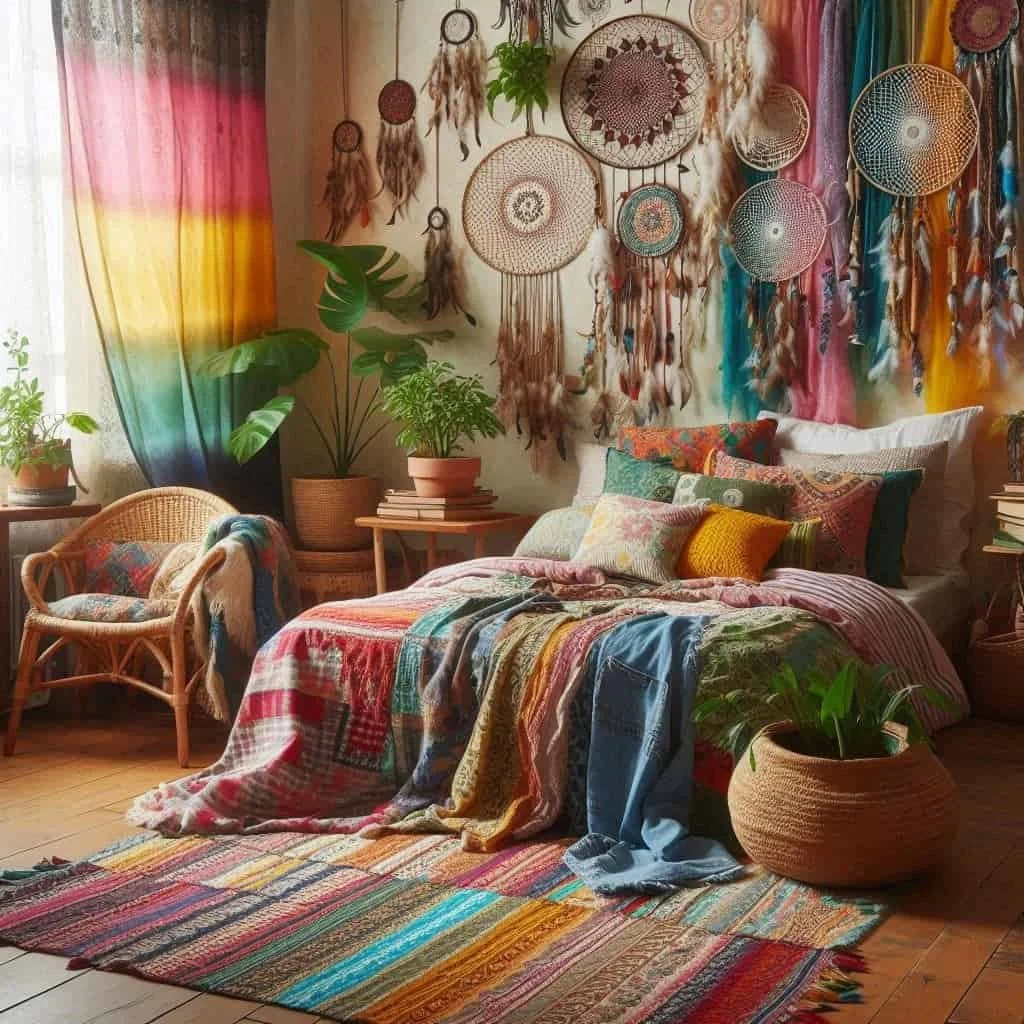
At its core, home décor with layered textiles creates visual interest through contrast, texture, and color harmony. A single rug may define a space, but a layered arrangement of rugs can introduce subtle pattern play while softening hard flooring. Similarly, a well‑chosen throw blanket can add warmth, and when paired with a collection of cushions, it forms a tactile narrative that invites touch. This technique also offers an easy route to update a room: swap one pillow or change a rug’s position, and the entire ambiance shifts without major renovation.
Design experts point out that layering mirrors nature’s own composition—think of a forest floor covered with leaves, moss, and fallen branches. By echoing this natural layering, interiors feel organic and inviting. Moreover, layered textiles help manage acoustics, especially in open‑plan homes; the added fabric absorbs sound, creating a calmer environment.
Choosing the right fabrics for a layered look
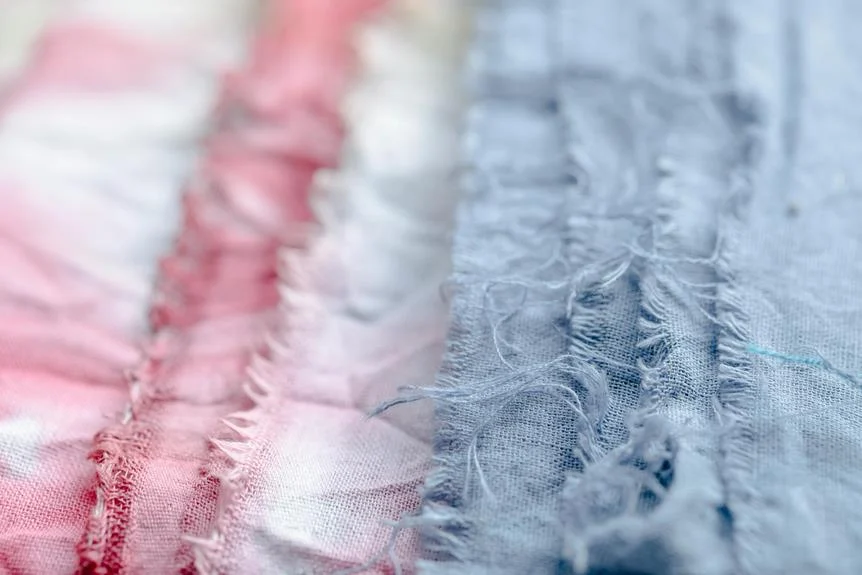
The foundation of successful home décor with layered textiles lies in material selection. Natural fibers such as linen, cotton, wool, and silk each bring unique qualities. Linen offers breezy, casual elegance, perfect for daytime living rooms. Wool adds plush warmth for colder months, while silk introduces subtle sheen ideal for formal settings. Mixing textures—like a chunky knit throw over a smooth velvet pillow—creates depth without overwhelming the eye.
When selecting fabrics, consider durability alongside aesthetics. High‑traffic areas benefit from performance fabrics that resist stains and wear, whereas decorative pieces in low‑traffic zones can afford more delicate materials. Don’t forget to factor in maintenance; washable cottons are practical for families with children, while hand‑wash only silks might be reserved for accent items you plan to keep pristine.
How to mix patterns in home décor with layered textiles
Pattern mixing is a common hurdle, but with a few rules it becomes effortless. Start with a dominant pattern—perhaps a geometric rug—and introduce secondary patterns in smaller doses, such as striped pillows or floral throws. Keep a unifying color palette across all pieces; this creates cohesion even when the patterns differ. A helpful trick is the “60‑30‑10” rule: let 60% of the room’s visual weight be a solid base (walls or large furniture), 30% a primary pattern, and the remaining 10% an accent pattern.
For inspiration, check out our article on Living Room Décor with Soft Neutral Tones – A Complete Guide, which demonstrates how subtle pattern layering can elevate a neutral space without overwhelming it.
Layering textiles across different rooms
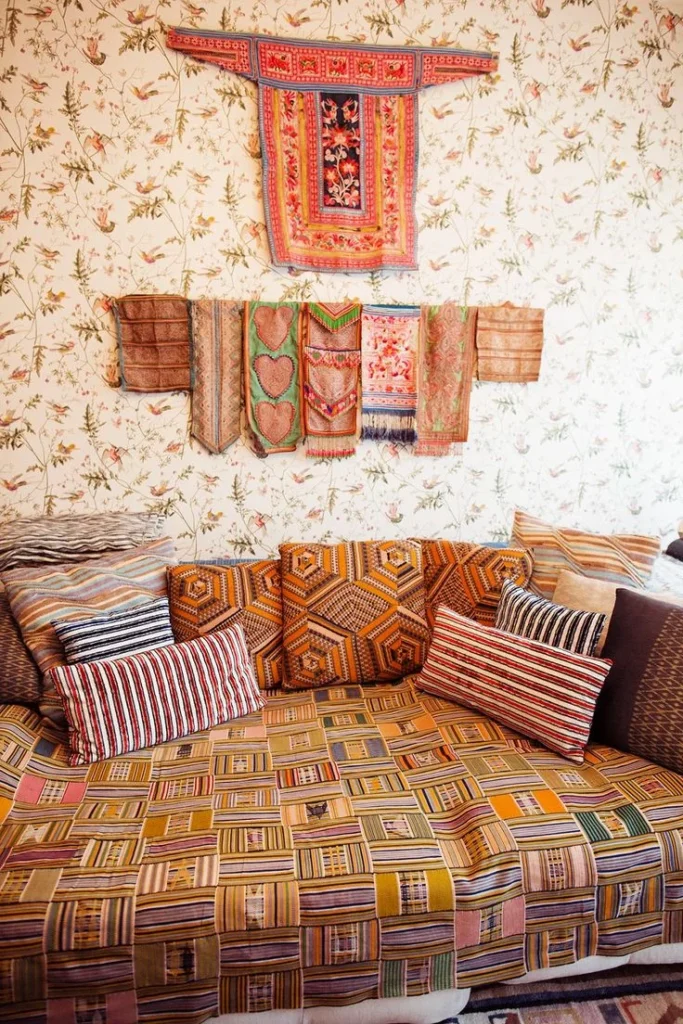
Each room has its own functional needs, and the layering strategy should reflect that. In the bedroom, start with a high‑quality fitted sheet set, add a plush duvet, and finish with a decorative quilt or blanket at the foot of the bed. Layer a few coordinated cushions on the bench at the end of the bed for extra comfort.
For living rooms, a large area rug serves as the base layer. Add a second, smaller rug partially overlapping to introduce pattern or color contrast. Then, arrange a mix of sofa throws and an array of cushions varying in size and texture. Don’t overlook curtains; heavy drapes can act as a backdrop for lighter sheers, creating a layered window treatment that controls light and adds drama.
Even kitchens can benefit. A woven mat under the island adds softness underfoot, while a set of linen dish towels in complementary hues provides a decorative edge that can be swapped seasonally.
Small‑space solutions using layered textiles
In compact apartments, layering can make a room feel larger by defining zones without installing permanent partitions. A floor‑to‑ceiling rug can visually separate a sleeping area from a workspace, while a lightweight throw can double as a decorative screen when draped over a bookshelf.
Choose lightweight, low‑profile fabrics to avoid overwhelming limited square footage. A stack of textured cushions on a small sofa can add comfort and visual interest without consuming floor space. Additionally, reversible blankets give two styling options in one piece, maximizing functionality.
Seasonal updates made easy with layered textiles
One of the biggest advantages of home décor with layered textiles is the ability to refresh a room for each season. In spring, swap heavy wool throws for breezy cotton or linen blankets, and introduce pastel‑colored cushions. Summer calls for lightweight, natural fibers and bright, tropical patterns. Autumn invites deeper hues—think burnt orange, mustard, and rich browns—paired with chunky knits. Winter is the perfect time for plush velvets, thick wool rugs, and layered throws that invite cozy evenings.
This approach is cost‑effective; instead of buying new furniture, you simply rotate the textiles you already own. For further seasonal styling ideas, see our guide on Decorating with Indoor Plants: A Modern Home Styling Guide, which pairs plant selections with appropriate textile textures throughout the year.
Quick home décor tips for effective layering
- Start with a neutral base—such as a solid‑colored rug or a plain sofa—and build layers on top.
- Limit the number of pattern types to two or three to maintain harmony.
- Use a unifying color thread (e.g., a shade of blue) that appears in every textile piece.
- Mix textures deliberately: pair smooth silk with rough jute for contrast.
- Rotate layers seasonally to keep the space feeling fresh.
Common mistakes and how to avoid them
Even seasoned decorators can stumble when experimenting with home décor with layered textiles. The most frequent error is over‑layering—placing too many items on a single surface, which creates visual clutter. To avoid this, step back after arranging each layer and assess whether the composition still feels balanced.
Another pitfall is mismatched scale. A gigantic rug under a tiny coffee table can dominate a room, while an oversized throw on a petite loveseat may look out of proportion. Keep scale in mind: larger furniture can support bigger textiles, while smaller pieces call for more delicate accents.
Finally, neglecting cohesion can lead to a chaotic look. Always anchor your layers with at least one consistent element—be it a color, material, or pattern motif. For entryway inspiration, read Transform Your Entryway Décor with Wooden Storage Benches – Modern Tips & Ideas for practical ways to create unity from the moment guests step inside.
Frequently Asked Questions
Can I layer textiles if I have a very small budget?
Absolutely. Start with a few inexpensive pillows or a budget‑friendly throw, and gradually add more pieces over time. Thrift stores and online marketplaces often have high‑quality textiles at a fraction of the cost.
How many layers are too many?
There’s no strict rule, but a good guideline is to limit visible layers to three or four per area (e.g., rug, blanket, pillows, curtains). This keeps the space feeling curated rather than cluttered.
Do layered textiles affect a room’s temperature?
Yes, they can. Heavy fabrics like wool and velvet add insulation, making a room feel warmer in winter. Conversely, light fabrics such as linen and cotton allow better airflow, keeping spaces cooler in summer.
Is it okay to mix different color families?
Mixing colors is fine as long as there’s a unifying tone. For example, combine blues, greens, and grays if they all share a common undertone, such as a cool gray base.
Should I match my textiles to my wall color?
Matching isn’t necessary; contrast often creates more impact. If your walls are a neutral shade, bold textiles can become focal points. If walls are already vibrant, choose softer textiles to balance the room.
How do I keep layered textiles clean?
Select washable fabrics for high‑traffic items. Rotate and launder pillows and throws regularly, and spot‑clean rugs as needed. Using protective sprays on delicate fabrics can extend their lifespan.
By thoughtfully applying the principles of home décor with layered textiles, you’ll create interiors that feel both thoughtfully designed and comfortably lived‑in. Remember to start with a solid foundation, play with textures and patterns, and most importantly, enjoy the process of curating a space that reflects your personal style. For more inspiration, explore our extensive library of design guides and keep experimenting—you’ll soon discover that the perfect layered look is just a few fabric choices away.