

Table of Contents
- Why Choose Living Room Décor with Soft Neutral Tones?
- Living Room Décor with Soft Neutral Tones: Core Benefits
- Selecting the Perfect Neutral Palette
- Furniture Choices that Complement Soft Neutrals
- Layering Textures and Soft Furnishings
- Incorporating Natural Elements and Greenery
- Lighting Strategies for a Soft Neutral Palette
- Smart Styling for Small Living Rooms
- Quick Home Décor Tips
- Common Mistakes to Avoid
- Frequently Asked Questions
- Can I use bright colours with living room décor with soft neutral tones?
- What flooring works best with a soft neutral colour scheme?
- How do I make a small living room appear larger using neutrals?
- Is it okay to mix warm and cool neutrals together?
- What kind of artwork complements a neutral living room?
Living Room Décor with Soft Neutral Tones – A Complete Guide
Creating a calm, inviting atmosphere in the heart of your home starts with the right colour palette. Soft neutral tones—think whisper‑white, warm greys, muted beiges, and gentle taupes—offer a versatile backdrop that can adapt to any style, from sleek modernism to cozy hygge. When used thoughtfully, these hues not only make a room feel larger but also provide a soothing environment that encourages relaxation and conversation.
Homeowners and renters alike are turning to neutral‑based living room décor because it reduces visual clutter, enhances natural light, and allows personal accessories to shine without competing with bold walls. In this article, you’ll learn how to layer textures, choose furniture, and add subtle colour accents while keeping the overall look cohesive. By the end, you’ll have a toolbox of practical, design‑forward ideas that you can implement in any living space, no matter the size.
Why Choose Living Room Décor with Soft Neutral Tones?
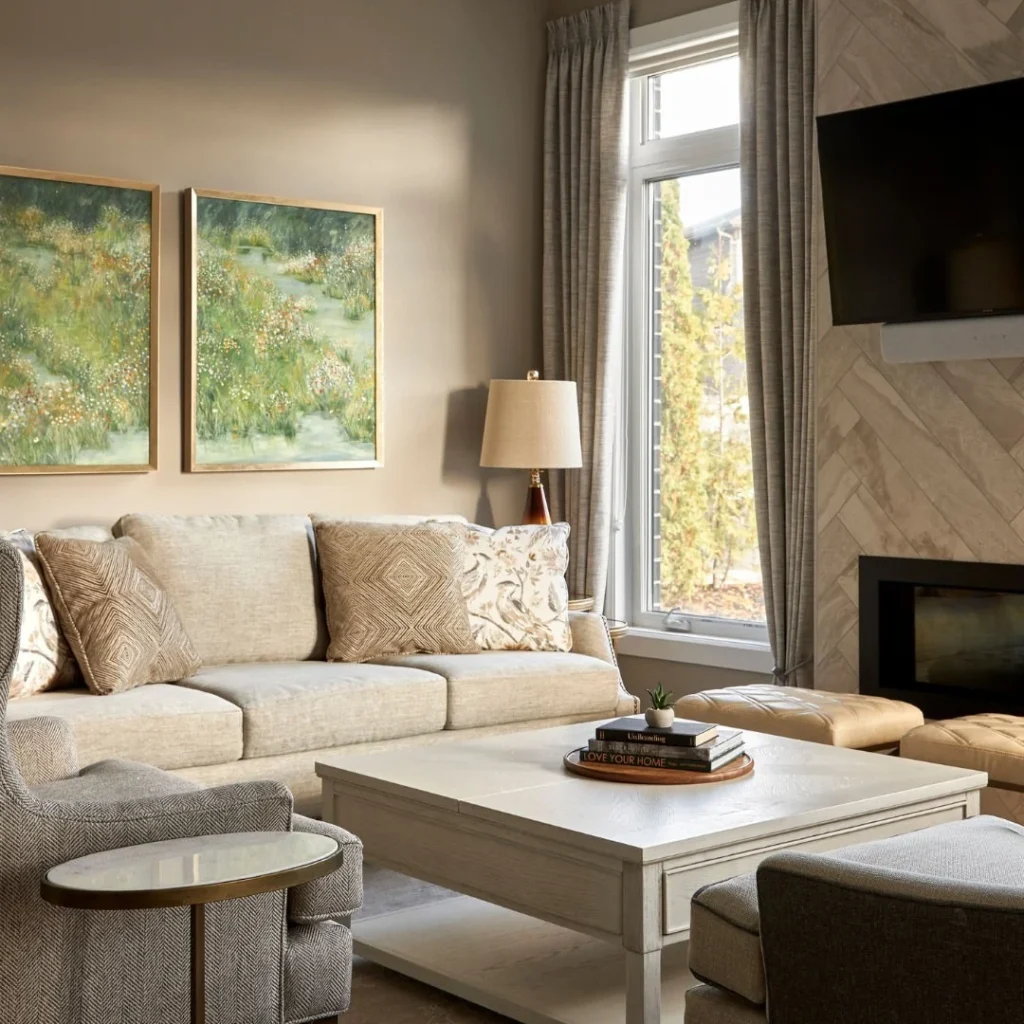
Soft neutral tones work as a silent partner in interior design. Their understated nature creates a sense of balance, making the room feel both spacious and grounded. Because neutrals are inherently adaptable, they can accommodate seasonal changes—swap a mustard throw for a pastel one, and the base palette remains harmonious. Moreover, neutral backgrounds give you the flexibility to experiment with textures, patterns, and metallic finishes without overwhelming the eye.
Living Room Décor with Soft Neutral Tones: Core Benefits
- Timeless Appeal: Neutrals never go out of style, ensuring your living room looks fresh for years.
- Flexibility: Easy to pair with bold accessories, artwork, or greenery.
- Light Enhancement: Light‑reflecting tones maximize natural daylight, perfect for smaller spaces.
- Stress Reduction: Subdued colours promote relaxation, ideal for a room meant for unwinding.
Selecting the Perfect Neutral Palette
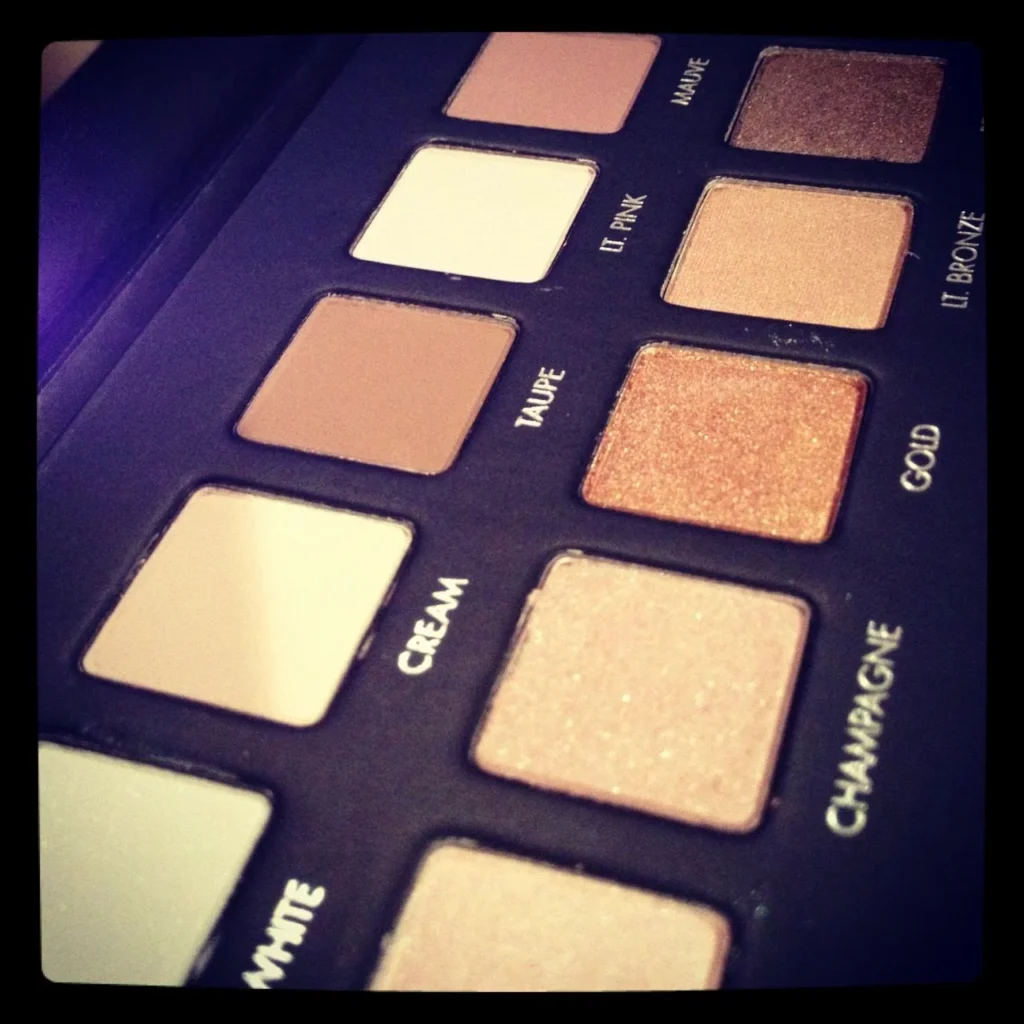
Choosing the right shades is the foundation of any successful living room décor with soft neutral tones. Start by sampling a few paint swatches on opposite walls to see how they interact with sunlight at different times of day. Look for undertones—cool greys, warm beiges, or pink‑tinged whites—that complement your existing flooring and furniture. If you’re unsure, the guide linen white vs swiss coffee choosing the perfect paint for your space – A Complete Guide offers an excellent comparison of popular neutral paints.
Once you have a base colour, consider adding a secondary neutral for depth. For example, pair a light dove‑grey ceiling with a richer greige accent wall. This layered approach creates visual interest while keeping the overall scheme gentle and cohesive.
Furniture Choices that Complement Soft Neutrals
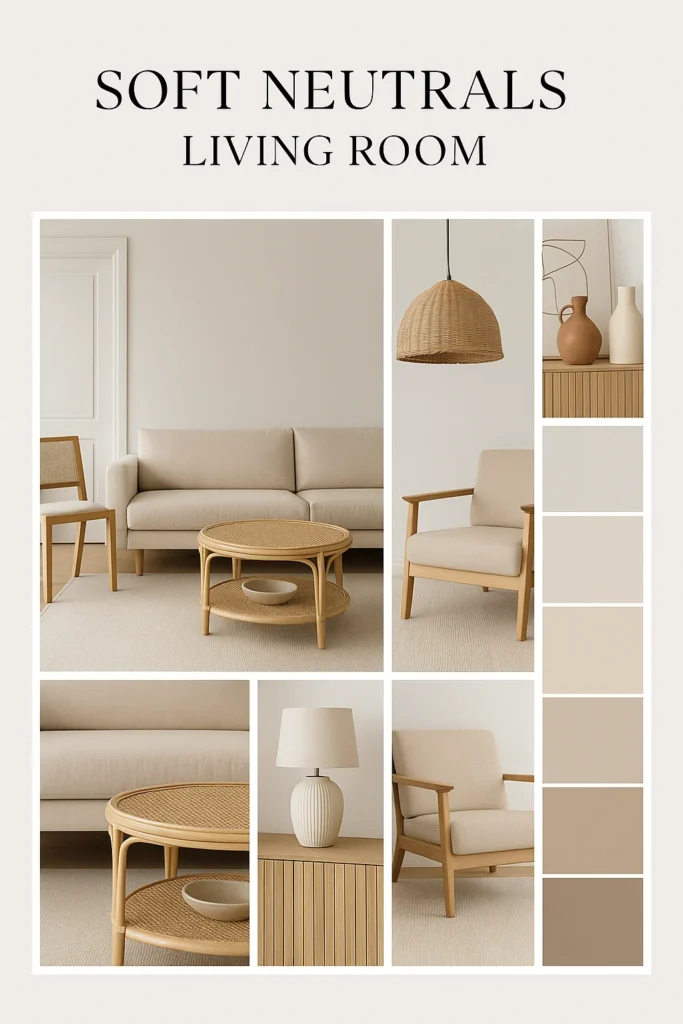
When your walls are painted in living room décor with soft neutral tones, the furniture becomes the room’s focal point. Opt for pieces that feature natural wood finishes, linen upholstery, or muted leather. A mid‑century sofa in a warm taupe fabric can anchor the space, while a sleek glass coffee table adds a contemporary touch without disrupting the soft palette.
For those who love a touch of luxury, consider a velvet armchair in a deep charcoal—still a neutral, but with a plush texture that invites you to linger. Balance heavier items with lighter accessories such as a woven rug or a set of ceramic vases. This mix of materials creates a tactile environment that feels both refined and comfortable.
Layering Textures and Soft Furnishings
Texture is the secret weapon that prevents soft neutral tones from feeling flat. Introduce a variety of fabrics—think chunky knit throws, silk pillow covers, and jute rugs—to add depth without breaking the colour harmony. A well‑chosen rug can also define conversation areas, especially in open‑plan living spaces.
When selecting soft furnishings, stick to a colour family that mirrors your wall palette but varies in intensity. A muted mustard cushion, for instance, adds a subtle pop while still feeling part of the neutral scheme. For inspiration on how to blend accessories, check out the article Creative Small Wall Art Ideas: Transform Any Space for ideas on pairing artwork with neutral interiors.
Incorporating Natural Elements and Greenery
Plants are a natural ally to living room décor with soft neutral tones. Their fresh greens provide a gentle contrast that enlivens the space without clashing with the colour scheme. Choose planters in muted terracotta, matte black, or brushed brass to maintain the understated aesthetic.
Large floor plants like a fiddle‑leaf fig or a snake plant can become statement pieces, while smaller succulents work well on side tables or shelves. The key is to keep the container finishes consistent with other metal accents in the room—think a brushed‑nickel floor lamp or a copper‑toned picture frame.
Lighting Strategies for a Soft Neutral Palette
Lighting can either reinforce or undermine the calm vibe of living room décor with soft neutral tones. Aim for a layered lighting plan: ambient ceiling fixtures, task lighting for reading corners, and accent lights to highlight artwork or architectural details. Warm LED bulbs (2700K–3000K) complement neutral walls by adding a gentle glow that mimics natural sunlight.
If you’re updating flooring, the comparison Lifeproof vs Pergo: In‑Depth Flooring Comparison for Modern Homes provides insight into how different flooring choices affect light reflection. A light‑coloured hardwood or a subtle textured carpet will bounce more light, enhancing the softness of your neutral palette.
Smart Styling for Small Living Rooms
Neutral colours are especially beneficial in compact living rooms because they visually expand the area. Pair your soft neutral walls with multi‑functional furniture—such as a storage ottoman or a sleek media console that doubles as a bookshelf—to keep clutter to a minimum. Mirrors placed opposite windows can further amplify natural light, reinforcing the airy feeling.
For a deeper dive into space‑saving solutions, read Small Apartment Living Room Inspiration: Smart Design Ideas for Compact Spaces. The article offers practical tips that align perfectly with the principles of living room décor with soft neutral tones.
Quick Home Décor Tips
- Start with a neutral base, then add colour through accessories.
- Mix textures—linen, wood, metal—to create depth.
- Use mirrors to bounce light and make the room feel larger.
- Incorporate plants for a subtle natural contrast.
- Choose lighting with warm temperature bulbs to enhance softness.
Common Mistakes to Avoid
Even with a gentle palette, it’s easy to fall into pitfalls. One frequent error is using only one shade of neutral, which can make the space feel bland. Instead, layer several tones—light, medium, and dark—to generate subtle contrast. Another mistake is over‑accessorising with too many bold patterns; keep patterns minimal and let the neutral backdrop shine. Finally, neglecting proper lighting can leave the room feeling dim and uninviting; always incorporate layered lighting for balance.
Frequently Asked Questions
Can I use bright colours with living room décor with soft neutral tones?
Yes. Bright accents work best when introduced through accessories such as pillows, artwork, or a single statement chair. The neutral base ensures the bold colours don’t dominate, creating a harmonious balance.
What flooring works best with a soft neutral colour scheme?
Light‑coloured hardwood, natural bamboo, or a low‑pile neutral carpet are excellent choices. They reflect light and maintain the airy feel of the palette. For a detailed comparison, see the Lifeproof vs Pergo flooring guide.
How do I make a small living room appear larger using neutrals?
Keep the walls and ceiling in light neutrals, use minimal furniture, and incorporate mirrors to reflect light. A monochromatic colour scheme reduces visual boundaries, giving the illusion of more space.
Is it okay to mix warm and cool neutrals together?
Mixing warm (beige, ivory) and cool (gray, greige) neutrals can create a sophisticated, balanced look. The key is to anchor the mix with a dominant undertone and use the opposite tone as an accent.
What kind of artwork complements a neutral living room?
Choose artwork with muted colours or subtle textures that echo the room’s palette. Black‑and‑white photography, abstract pieces in soft blues or greens, or nature‑inspired prints work well without overwhelming the space.
By embracing living room décor with soft neutral tones, you’ll enjoy a timeless, adaptable backdrop that highlights your personal style rather than competing with it. Whether you’re updating a sprawling family lounge or a cozy studio, the principles outlined above provide a roadmap to a serene, stylish, and inviting environment. Feel free to explore more inspiration on The Homara and start curating your perfect neutral sanctuary today.