
Table of Contents
- Marvin vs Pella vs Andersen: Core Material Differences
- Marvin vs Pella vs Andersen: Frame Construction Explained
- Design Flexibility: Customization and Aesthetic Options
- Energy Efficiency and Performance Metrics
- Pricing Structure and Value Assessment
- Installation Considerations and After‑Sale Support
- Quick Home Décor Tips for Window Integration
- Common Mistakes When Selecting Windows
- Frequently Asked Questions
Marvin vs Pella vs Andersen: Choosing the Right Window Brand for Your Home
When it comes to updating a home’s façade, few decisions have as much impact on aesthetics, energy efficiency, and resale value as choosing the right windows. Marvin, Pella, and Andersen dominate the U.S. market, each promising superior craftsmanship, a broad design palette, and performance guarantees. For homeowners, designers, or DIY renovators, understanding the subtle differences between these brands can mean the difference between a well‑balanced living space and a costly compromise.
This guide walks you through the essential factors—materials, customization options, energy ratings, and price points—so you can confidently decide which brand aligns with your design vision and budget. By the end, you’ll have a clear picture of how Marvin vs Pella vs Andersen stack up in real‑world applications, from a sun‑filled kitchen to a cozy bedroom retreat.
Marvin vs Pella vs Andersen: Core Material Differences
Material selection forms the backbone of any window’s performance. Marvin, Pella, and Andersen each offer a range of frame constructions, but they prioritize different technologies.
Marvin vs Pella vs Andersen: Frame Construction Explained
- Marvin – Known for its Ultimate and Signature lines, Marvin uses high‑quality hardwood, extruded fiberglass, and composite materials. The hardwood core offers excellent strength, while the fiberglass option resists warping in extreme climates.
- Pella – Pella’s Architect and Designer series blend wood interiors with vinyl or fiberglass exteriors. The vinyl‑capped wood provides a low‑maintenance surface without sacrificing the natural warmth of wood.
- Andersen – Andersen’s 400 Series (fiberglass) and 600 Series (wood) are its flagship lines. The 400 Series is praised for its durability and minimal expansion/contraction, making it a solid choice for high‑humidity areas.
Choosing a material hinges on climate, maintenance preferences, and design goals. For a historic home where authentic wood grain matters, Marvin’s hardwood or Andersen’s wood options shine. If you need a low‑maintenance solution in a coastal region, Pella’s vinyl‑capped wood or Andersen’s fiberglass frames may be more appropriate.
Design Flexibility: Customization and Aesthetic Options

Modern interiors demand windows that do more than let light in; they must complement the overall décor. Marvin, Pella, and Andersen all boast extensive customization catalogs, but their strengths differ.
- Marvin – Offers over 300 color and finish choices, including custom stains that match interior trim. Its Infinity series introduces a truly frameless look, perfect for minimalistic living rooms.
- Pella – Provides a broad array of grille patterns and decorative mullions, ideal for creating a farmhouse or classic colonial vibe. The brand also offers specialty glass options like Low‑E and SmartTint.
- Andersen – Features a versatile “Architectural Collection” that blends modern and traditional aesthetics, plus a “Premium Glass” line that enhances natural light while reducing glare.
If your design leans toward sleek, contemporary lines, Marvin’s Infinity series often delivers the cleanest profile. For homes where period‑appropriate detail matters, Pella’s extensive grille library can be a decisive factor. Andersen strikes a balance, providing both modern and timeless looks without overwhelming the buyer with too many options.
Energy Efficiency and Performance Metrics
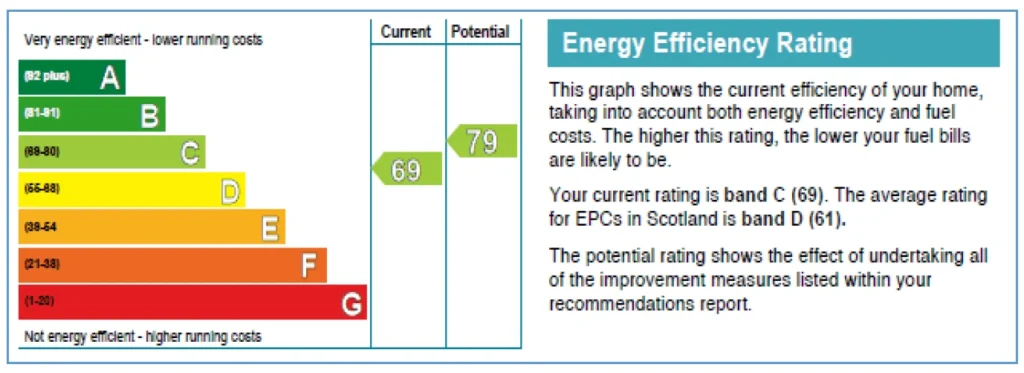
Energy costs are a top concern for most homeowners, and window performance directly influences heating and cooling loads. Let’s compare the three brands on key metrics such as U‑factor, Solar Heat Gain Coefficient (SHGC), and ENERGY STAR certifications.
- Marvin – Many of its high‑performance windows achieve U‑factors as low as 0.20 and SHGC values under 0.30, especially when paired with Low‑E coatings. Marvin’s “ThermoGuard” glass line meets the strictest ENERGY STAR requirements.
- Pella – Pella’s “Insulite” and “EnergySmart” glass options deliver U‑factors around 0.25. The brand’s double‑glazed units are a solid middle ground for most climates.
- Andersen – The 400 Series, with its double‑wall construction, often reaches U‑factors of 0.22. Andersen’s “Low‑E4” coating reduces SHGC to 0.25, making it highly efficient in both hot and cold zones.
For a high‑performance, net‑zero home, Marvin’s top‑tier glass technologies give it a slight edge. However, Pella and Andersen offer competitive performance at a more approachable price point, which can be crucial for larger renovation projects.
Pricing Structure and Value Assessment
Budget constraints rarely disappear in home improvement projects, so understanding the cost hierarchy is essential. Below is a simplified price comparison based on a standard 36‑in. × 48‑in. double‑hung window.
| Brand | Base Price (USD) | Average Upgrade Cost | Typical Installation Total |
|---|---|---|---|
| Marvin | $550 | +$200–$400 (custom glass, finishes) | $950–$1,300 |
| Pella | $420 | +$150–$300 (decorative grids, low‑E glass) | $800–$1,100 |
| Andersen | $480 | +$180–$350 (fiberglass upgrades, premium glass) | $870–$1,200 |
While Marvin commands a premium, its durability and resale value often justify the extra spend. Pella provides the most budget‑friendly entry point without compromising basic performance. Andersen lands in the middle, offering a blend of value and long‑term reliability.
Installation Considerations and After‑Sale Support
Even the best windows can underperform if installed incorrectly. All three manufacturers train certified installers, but the level of post‑sale service can vary.
- Marvin – Offers a 20‑year limited warranty on frames and glass, and a dedicated service hotline for warranty claims. Their installers are required to follow a strict “Precision Installation” protocol.
- Pella – Provides a 10‑year warranty on most products, with optional extended plans. Pella’s network of local dealers often includes on‑site inspections after installation.
- Andersen – Features a 20‑year limited warranty for the 400 Series, and a 10‑year warranty for the 600 Series. Their “Window Installation Guide” is widely available for DIY enthusiasts.
Homeowners should verify that their contractor is certified for the specific brand they choose. A certified installer reduces the risk of gaps, water intrusion, and warranty disputes.
Quick Home Décor Tips for Window Integration
- Match interior trim color to the window frame for a seamless look—Marvin’s custom stains make this easy.
- Use sheer, floor‑to‑ceiling curtains to enhance natural light while maintaining privacy; see our soft neutral tones guide for palette ideas.
- In small apartments, choose low‑profile frames (like Andersen’s 400 Series) to maximize wall space.
Common Mistakes When Selecting Windows
Even seasoned renovators slip up. Below are pitfalls to watch for, along with practical ways to avoid them.
- Focusing only on price – The cheapest option may lack energy efficiency, leading to higher utility bills. Consider life‑cycle cost.
- Ignoring climate suitability – Fiberglass frames excel in humid environments, while hardwood thrives in moderate climates. Choose a material that matches your regional weather.
- Overlooking installation quality – A poor install can void warranties. Always hire certified installers and request a post‑install inspection.
Frequently Asked Questions
What is the biggest performance difference between Marvin vs Pella vs Andersen?
Marvin typically leads in ultra‑low U‑factors and custom glass options, while Pella offers solid performance at a lower entry price. Andersen balances both, delivering reliable energy ratings with a broad product range.
Can I mix window brands in one house?
Yes, but it may affect aesthetic cohesion and warranty coordination. If you choose to mix, stick to similar frame materials and finishes to maintain visual harmony.
How do I know which glass coating is right for my home?
Low‑E coatings reduce heat loss in winter and glare in summer. If you have large south‑facing windows, a low‑SHGC coating (like Andersen’s Low‑E4) is advisable. For north‑facing windows, prioritize high solar gain.
Are there financing options available for these brands?
All three manufacturers partner with financing companies offering low‑interest loans or deferred payment plans. Check with local dealers for specific offers.
Do these windows improve my home’s resale value?
High‑quality windows are a strong selling point. Studies show that upgraded windows can increase home value by 2–4%, especially when paired with energy‑efficiency certifications.
Choosing between Marvin, Pella, and Andersen ultimately depends on your design priorities, climate considerations, and budget. By weighing material durability, customization depth, energy performance, and after‑sale support, you’ll select the brand that elevates both the look and functionality of your home. For more inspiration on integrating windows with other décor elements, explore our guide on decorating with indoor plants or see how a well‑chosen window style can complement your outdoor living space.
When you’re ready to start the journey, remember that the right windows do more than frame a view—they become an integral part of your home’s story. Take the time to compare specifications, request samples, and consult certified installers. The effort you invest now will pay off in comfort, energy savings, and a beautifully cohesive interior for years to come.