
Table of Contents
- Understanding Why Carpet Bumps Appear
- Uneven Padding Under the Carpet
- Improper Installation Techniques
- Environmental Factors
- Essential Tools and Materials for Repair
- Step‑by‑Step: How to Fix Bumps in Carpet
- 1. Identify the Problem Area
- 2. Remove Furniture and Clear the Space
- 3. Check the Padding
- 4. Stretch the Carpet
- 5. Secure the Edges
- 6. Trim Excess Material
- 7. Test and Adjust
- 8. Clean Up
- Alternative Methods When Stretching Isn’t Enough
- Use Carpet Tape for Minor Ripples
- Apply Heat to Relax Fibers
- Consider Professional Re‑Stitching
- Preventive Maintenance to Avoid Future Bumps
- Quick Tips for Immediate Relief
- Common Mistakes and How to Avoid Them
- Over‑Stretching the Carpet
- Using Excessive Glue or Adhesive
- Neglecting the Padding
- Ignoring Humidity Levels
- Attempting Repairs on Wet Carpets
- Frequently Asked Questions
- Can I fix carpet bumps myself without professional tools?
- Is it safe to use bleach on carpet to remove stains before fixing bumps?
- Will a rug help hide carpet bumps permanently?
- How long does it take for a repaired carpet to settle?
- Do I need to replace the carpet if the backing is damaged?
- Is there a way to prevent carpet bumps in high‑traffic areas?
- When to Call a Professional
How to Fix Bumps in Carpet – A Complete Guide for a Smooth Home Look
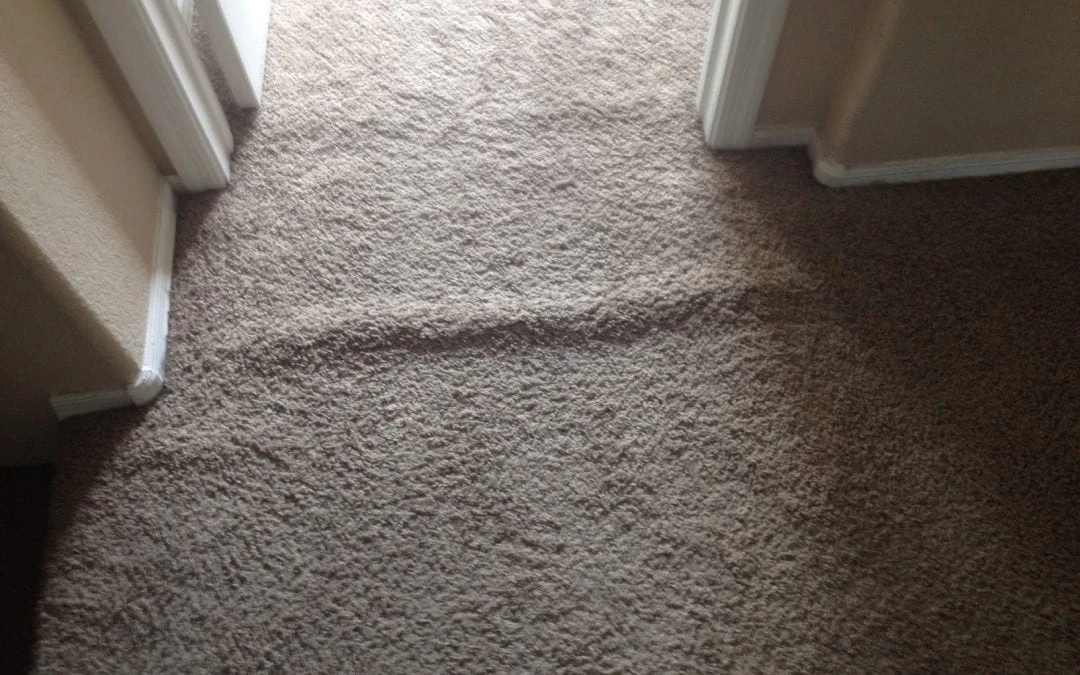
Carpet bumps, those unsightly ripples that appear after a heavy piece of furniture is moved or a pet has walked across the room, can ruin the polished look of any interior. Whether you’re styling a modern living room or adding warmth to a bedroom, a smooth carpet is a subtle yet essential backdrop for your décor ideas. Understanding why bumps form and how to correct them empowers you to maintain a flawless floor without costly professional visits.
In this guide, we’ll explore the most common causes of carpet irregularities, walk through the tools and techniques you need to restore a flat surface, and share preventive habits that keep your flooring looking new. By the end, you’ll be equipped to handle carpet bumps confidently, ensuring that your interior design plans stay on track.
Let’s dive into the practical steps and design‑friendly solutions that turn a bumpy carpet back into a sleek canvas for your home styling projects.
Understanding Why Carpet Bumps Appear
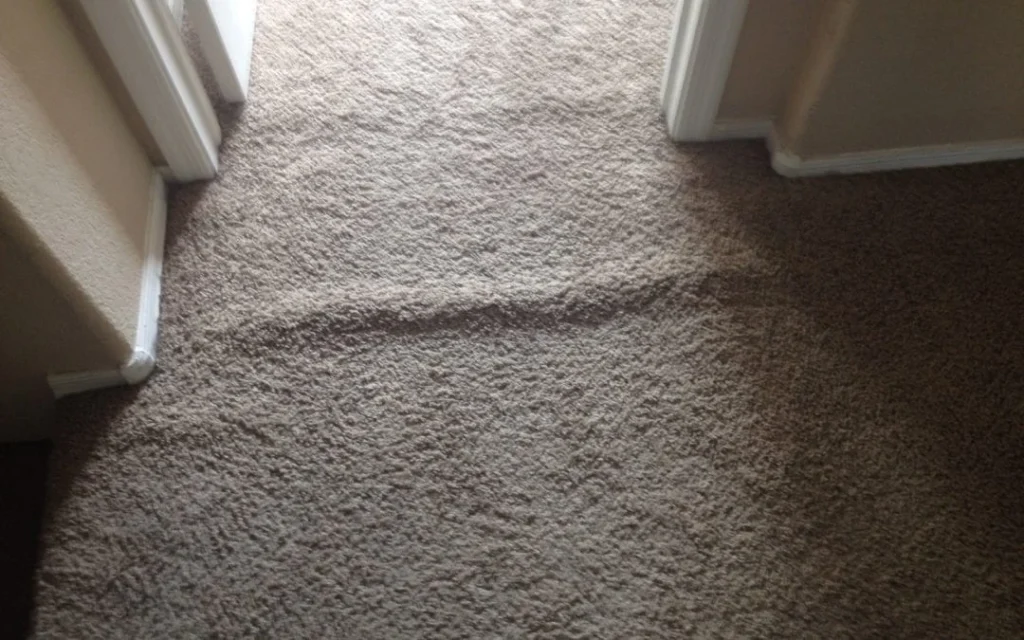
Before tackling the repair, it helps to know the root causes of carpet ripples. Most bumps result from one of three issues: uneven padding, improper installation, or changes in humidity. Recognizing the source guides you to the most effective fix.
Uneven Padding Under the Carpet
Carpet padding provides cushioning and insulation, but if it shifts or compresses unevenly, the carpet above will develop high spots. Heavy furniture, frequent foot traffic, or a low‑quality pad can all contribute to this problem.
Improper Installation Techniques
When a carpet is stretched too tightly or left slack in certain areas, tension differences create ripples. Installers sometimes use staples instead of tack strips, which can let the carpet pull away from the floor over time.
Environmental Factors
Changes in temperature and humidity affect carpet fibers and backing. In humid climates, moisture can cause the backing to swell, while dry conditions may shrink fibers, both leading to visible bumps.
Essential Tools and Materials for Repair

Having the right tools on hand makes the repair process smoother and reduces the risk of damaging the carpet further. Below is a checklist of items you’ll typically need.
- Carpet stretcher (power or knee‑type)
- Stair tool or flat pry bar
- Utility knife with a fresh blade
- Carpet tape or double‑sided carpet tape
- Heavy‑duty hammer
- Staple gun (optional, for securing padding)
- Measuring tape
- Vacuum cleaner
- Moisture‑absorbing cloths (for humid environments)
These tools are readily available at most hardware stores, and many homeowners already own a few of them for other DIY projects.
Step‑by‑Step: How to Fix Bumps in Carpet
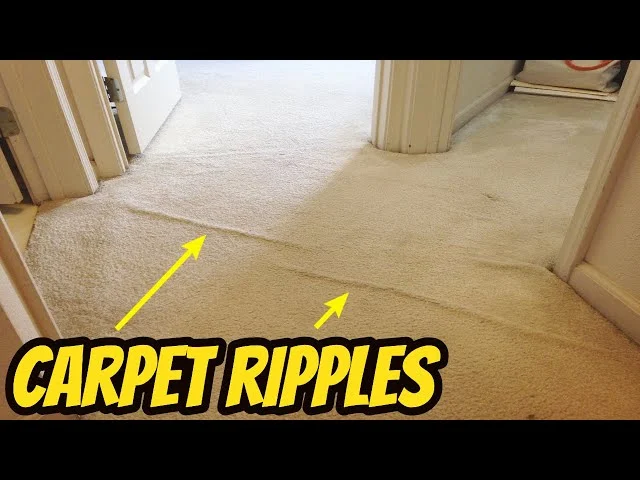
Now that you know the causes and have gathered your tools, follow this systematic approach to flatten those bumps.
1. Identify the Problem Area
Run your hand over the carpet to locate the highest points. Mark the perimeter of each bump with a small piece of painter’s tape. This visual guide helps you focus on the exact sections that need attention.
2. Remove Furniture and Clear the Space
Shift any heavy furniture away from the affected area. If you cannot move a piece, place a protective board underneath to distribute weight evenly while you work.
3. Check the Padding
Lift a corner of the carpet gently with a stair tool. If the padding is bunched or displaced, use a staple gun to re‑secure it to the subfloor. Replace any damaged sections with new padding that matches the original thickness.
4. Stretch the Carpet
Place a carpet stretcher near the bump. Hook the stretcher’s head into the carpet’s backing and apply steady pressure toward the nearest wall or tack strip. For larger rooms, work in sections to avoid creating new tension points.
5. Secure the Edges
Once the carpet lies flat, press the edges firmly into the tack strips using a heavy hammer. If the tack strips are loose, replace them for a more secure hold.
6. Trim Excess Material
Use a sharp utility knife to trim any overhanging carpet that may have been pulled during stretching. A clean edge prevents future buckling.
7. Test and Adjust
Walk across the repaired area, feeling for any remaining unevenness. If a minor bump persists, repeat the stretching step with slightly more tension until the surface is even.
8. Clean Up
Vacuum the entire room to remove debris and restore the carpet’s texture. If you live in a humid climate, place a moisture‑absorbing cloth near the repaired spot for 24 hours to ensure the backing dries evenly.
Following these steps will usually eliminate most carpet bumps. However, some cases require a different approach, especially when the carpet’s backing is damaged.
Alternative Methods When Stretching Isn’t Enough
Sometimes the carpet’s fibers are permanently distorted, or the backing has weakened. In those situations, consider these alternative fixes.
Use Carpet Tape for Minor Ripples
For small, isolated bumps, double‑sided carpet tape can hold the carpet down to the floor temporarily. Apply the tape directly under the bump, press firmly, and monitor the area over the next few days. This is a quick, low‑cost solution while you plan a more permanent repair.
Apply Heat to Relax Fibers
Gently warming the carpet with a hairdryer on a low setting can loosen tight fibers. Move the dryer a few inches above the surface, then stretch the carpet as described earlier. This method works best on synthetic fibers that respond well to heat.
Consider Professional Re‑Stitching
If the carpet’s backing has torn, a professional may need to re‑stitch or reseal the seam. While this incurs a cost, it ensures a seamless finish and protects the carpet’s structural integrity.
Preventive Maintenance to Avoid Future Bumps
Preventing carpet bumps is often easier than fixing them. Incorporate these habits into your routine to keep your flooring smooth for years.
- Rotate Furniture: Move heavy items periodically to distribute weight evenly across the carpet.
- Use Area Rugs: Place protective rugs under high‑traffic zones or under furniture legs.
- Maintain Proper Humidity: Keep indoor humidity between 40 % and 60 % with a humidifier or dehumidifier, especially in extreme climates.
- Regular Vacuuming: Remove dirt and debris that can cause uneven wear.
- Inspect Padding Annually: Lift a corner of the carpet each year to check that the padding remains flat and secure.
Implementing these steps not only protects your carpet but also supports the overall aesthetic of your organic style living room décor vision, where a smooth floor enhances natural textures and modern silhouettes.
Quick Tips for Immediate Relief
- Place a heavy book or piece of furniture on the bump for a few hours to gently flatten it.
- Use a steam iron on a low setting, covering the carpet with a thin cloth, to relax fibers before stretching.
- Apply a thin strip of carpet tape under a small ripple for a temporary fix.
- Check the manufacturer’s warranty; some carpets include free repair for installation issues.
- Keep a small repair kit (tape, utility knife, and a mini stretcher) handy for quick touch‑ups.
Common Mistakes and How to Avoid Them
Even experienced DIYers can slip into habits that worsen carpet bumps. Below are typical pitfalls and corrective advice.
Over‑Stretching the Carpet
Applying too much tension can tear the backing or create new high spots. Always stretch gradually, checking the surface after each adjustment.
Using Excessive Glue or Adhesive
While adhesive might seem like a quick fix, it can damage carpet fibers and make future repairs difficult. Stick to tape or proper tack strips for a reliable hold.
Neglecting the Padding
Skipping a check of the padding is a common error. A displaced pad will cause recurring bumps, no matter how well you stretch the carpet.
Ignoring Humidity Levels
In humid seasons, a damp carpet can swell and form ripples. Use a dehumidifier or place a fan to dry the area before attempting repairs.
Attempting Repairs on Wet Carpets
Cleaning spills is essential, but never stretch a carpet that is still wet. Moisture weakens the fibers and can lead to permanent damage.
Frequently Asked Questions
Can I fix carpet bumps myself without professional tools?
Yes. For minor ripples, a simple hand‑held carpet stretcher, a utility knife, and some double‑sided carpet tape can often do the trick. Larger or more stubborn bumps may require a power stretcher, which you can rent from most hardware stores.
Is it safe to use bleach on carpet to remove stains before fixing bumps?
Bleach can discolor or weaken carpet fibers, especially on wool or delicate synthetics. For safe stain removal, refer to our guide on what happens if you put bleach on carpet. Safer alternatives include mild detergents or specialized carpet cleaners.
Will a rug help hide carpet bumps permanently?
A rug can conceal small imperfections, but it doesn’t address the underlying cause. If the carpet continues to shift, the bump may reappear beneath the rug, potentially causing uneven wear.
How long does it take for a repaired carpet to settle?
After stretching and securing the carpet, allow 24–48 hours for the fibers and padding to adapt to the new tension. Avoid heavy foot traffic during this period for the best results.
Do I need to replace the carpet if the backing is damaged?
If the backing has tears that cannot be resealed, replacement may be the most cost‑effective solution. However, a professional can sometimes patch small sections, extending the carpet’s life.
Is there a way to prevent carpet bumps in high‑traffic areas?
Yes. Use low‑pile, high‑durability carpets in busy zones, and place protective mats or rugs under heavy furniture. Regular vacuuming and periodic professional stretching also help maintain a flat surface.
When to Call a Professional
While many homeowners can resolve minor bumps with the methods described, certain scenarios warrant a specialist’s expertise. If you notice:
- Large, persistent ripples after multiple attempts
- Visible damage to the carpet’s backing or seams
- Signs of mold or mildew in the padding
- Carpet that has been installed for less than a year and is still under warranty
In these cases, a professional carpet installer can re‑stretch, replace padding, or advise on full carpet replacement. Investing in professional service often saves time and ensures a seamless finish that aligns with your overall interior design plan.
For further reading on carpet care, you might also find our article on how to get charcoal out of carpet useful when dealing with stubborn stains that could affect the carpet’s texture.
Addressing carpet bumps promptly not only preserves the visual appeal of your space but also prolongs the life of the flooring, saving you money in the long run.
With the right tools, a systematic approach, and a few preventive habits, you’ll keep your carpet smooth and your home décor looking polished. Whether you’re updating a modern living room or creating a cozy bedroom retreat, a flawless carpet provides the perfect foundation for any design vision.