

Table of Contents
- Organic Style Living Room Décor: Core Principles
- Natural Materials Matter in Organic Style Living Room Décor
- Color Palette: Earth Tones and Soft Accents
- Layering Soft Accents in Organic Style Living Room Décor
- Furniture Arrangement for Flow and Function
- Choosing Sustainable Furniture in Organic Style Living Room Décor
- Lighting: Natural Light and Warm Ambient Glow
- Creating Mood with Layered Lighting in Organic Style Living Room Décor
- Greenery: Bringing the Outdoors Inside
- DIY Décor with Clay Plant Pots – Creative Ideas for Every Home
- Accessories and Art: Subtle Statements
- Choosing Art That Complements Organic Style Living Room Décor
- Quick Tips for Instantly Elevating Your Organic Living Room
- Common Mistakes and How to Avoid Them
- Over‑Accessorizing the Space
- Choosing the Wrong Color Saturation
- Neglecting Scale and Proportion
- Frequently Asked Questions
- Bringing It All Together
Organic Style Living Room Décor – Natural Elegance for Modern Homes
When you step into a living room that feels both grounded and contemporary, you instantly sense the power of organic style décor. This design approach celebrates nature’s raw beauty while embracing the clean lines of modern interiors. For homeowners and renters alike, the appeal lies in its ability to create a calming sanctuary that still feels fresh and stylish. In this article we’ll explore the essential elements of organic style living room décor, from material choices to layout tricks, and provide actionable tips that you can start using today.
Why does this trend matter? As more people seek sustainability and wellbeing in their homes, the organic aesthetic offers a tangible way to bring the outdoors inside. It balances warmth and simplicity, making spaces feel larger, brighter, and more inviting without overwhelming the eye. Whether you’re decorating a compact apartment or a spacious family room, the principles of organic style can be adapted to fit any footprint.
Throughout the guide you’ll learn how to select the right furniture, incorporate texture, play with color palettes, and use lighting to enhance the natural vibe. We’ll also address common pitfalls, answer frequently asked questions, and share quick‑action tips to help you achieve a cohesive look without a massive overhaul.
Organic Style Living Room Décor: Core Principles

The foundation of organic style living room décor rests on three pillars: natural materials, earthy color palettes, and a connection to the surrounding environment. By focusing on these elements, you create a space that feels both timeless and on‑trend.
Natural Materials Matter in Organic Style Living Room Décor
Materials such as reclaimed wood, rattan, bamboo, linen, and stone are the building blocks of the organic look. Choose furniture pieces that showcase the grain of wood or the woven texture of rattan. A reclaimed wood coffee table, for instance, adds history and character, while a bamboo sideboard offers durability and a light aesthetic. When possible, opt for sustainably sourced items; they not only align with the organic ethos but also reduce your environmental footprint.
- Wood:** Choose pieces with visible knots and imperfections for an authentic feel.
- Fiber:** Rattan, wicker, and seagrass add softness without heavy visual weight.
- Stone:** A marble or river‑rock accent wall can anchor the room with natural coolness.
- Textiles:** Linen curtains, cotton throw blankets, and jute rugs bring tactile warmth.
When integrating these materials, keep the scale in mind. A large wooden sofa can dominate a small room, so balance it with lighter pieces like a rattan armchair or a glass‑top side table.
Color Palette: Earth Tones and Soft Accents

The color story in organic style living room décor is inspired by the outdoors—think muted greens, warm beiges, soft greys, and muted terracotta. These hues create a calming backdrop that allows natural textures to shine. Use a neutral base for walls and larger furniture, then introduce subtle pops of color through accessories such as cushions, artwork, or plant pots.
Layering Soft Accents in Organic Style Living Room Décor
Accent colors should feel like a natural extension of the primary palette. A mossy green cushion or a rust‑colored throw can add depth without breaking harmony. When selecting paint, consider “earthy ivory” or “sage mist” to keep the space light yet grounded. If you’re unsure about committing to a color, start with a single accent wall or a set of interchangeable textile pieces that can be swapped as seasons change.
- Base colors: warm greys, soft whites, sand tones.
- Accent colors: muted olive, dusty terracotta, muted mustard.
- Finish: matte or low‑sheen paints that mimic natural surfaces.
Furniture Arrangement for Flow and Function
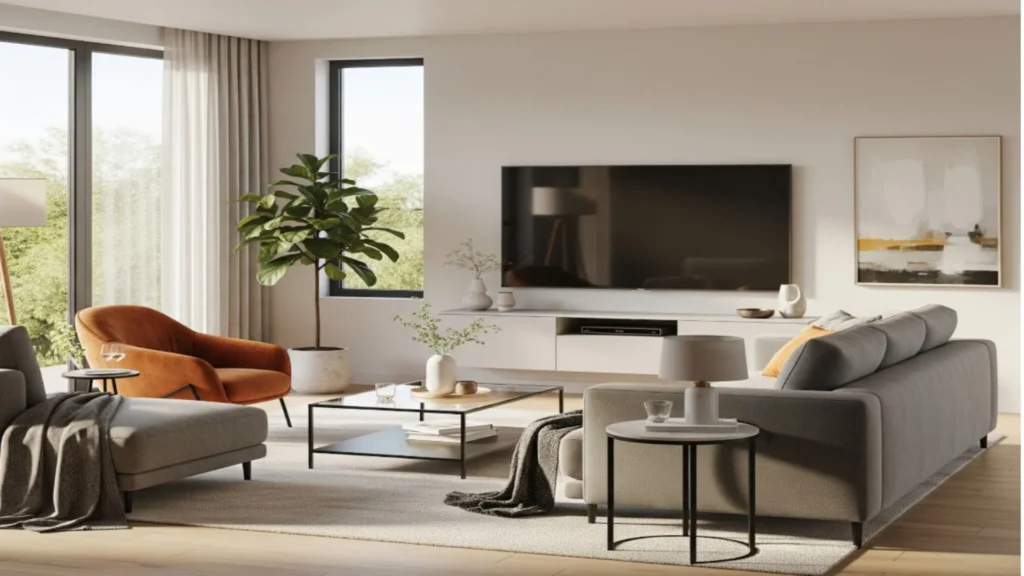
Organic style living room décor emphasizes a layout that encourages movement and conversation. Arrange seating in a semi‑circular fashion to foster interaction, and keep pathways clear to maintain a sense of openness. A low‑profile sofa paired with a pair of slender armchairs creates a balanced composition while preserving floor space.
Choosing Sustainable Furniture in Organic Style Living Room Décor
Look for pieces crafted from responsibly harvested wood or reclaimed materials. Many modern manufacturers now offer modular sofas upholstered in organic cotton or hemp, which are both eco‑friendly and comfortable. When shopping, ask about the sourcing of wood and the type of finishes used; water‑based, low‑VOC stains are preferable for indoor air quality.
In open‑concept homes, the living area often blends with the kitchen or dining space. For seamless integration, refer to our guide on how to decorate an open concept home. Using a consistent color palette and material language across zones helps maintain the organic vibe throughout the entire floor plan.
Lighting: Natural Light and Warm Ambient Glow
Lighting is a subtle but vital component of organic style living room décor. Maximize natural light by using sheer linen curtains that filter sunlight while preserving privacy. Position mirrors opposite windows to bounce light deeper into the room. For artificial lighting, choose fixtures made from natural fibers, such as a rattan pendant or a bamboo floor lamp.
Creating Mood with Layered Lighting in Organic Style Living Room Décor
Layered lighting—ambient, task, and accent—adds depth and flexibility. A dimmable overhead fixture provides overall illumination, while table lamps with linen shades offer cozy task lighting for reading. Accent lighting, such as LED strip lights hidden behind a reclaimed wood shelving unit, highlights textures without overwhelming the natural aesthetic.
- Daylight: Maximize with low‑profile window treatments.
- Ambient: Use warm‑toned bulbs (2700–3000K) for a soft glow.
- Task: Pair floor lamps with natural‑fiber shades.
- Accent: Highlight artwork or plant displays with directional spotlights.
Greenery: Bringing the Outdoors Inside
No organic style living room décor is complete without living plants. Greenery not only reinforces the natural theme but also improves indoor air quality. Choose a mix of tall statement plants, such as a fiddle‑leaf fig, and smaller potted herbs or succulents placed on coffee tables or shelves.
DIY Décor with Clay Plant Pots – Creative Ideas for Every Home
Hand‑crafted clay pots add an artisanal touch to your plant displays. For an extra layer of authenticity, try painting the pots in muted earth tones or leaving them raw for a rustic look. Our article on DIY décor with clay plant pots offers step‑by‑step projects that can personalize your organic living room décor while staying budget‑friendly.
Group plants at varying heights to create visual interest. A hanging macramé planter can soften a corner, while a large floor‑standing potted palm anchors the room’s edge, drawing the eye upward and emphasizing the room’s vertical space.
Accessories and Art: Subtle Statements
When curating accessories for organic style living room décor, prioritize pieces that echo natural forms and textures. Think woven baskets, stone sculptures, and artwork featuring botanical motifs or abstract landscapes in soft hues. Keep the quantity modest; the goal is to enhance, not clutter, the space.
Choosing Art That Complements Organic Style Living Room Décor
Large, minimalist prints in muted colors can serve as focal points without competing with the room’s natural palette. For a more personalized touch, consider locally sourced artwork or handcrafted ceramics. If you’re comparing high‑end retailers for the perfect piece, see our analysis of pottery barn vs restoration hardware to find pieces that align with your budget and style.
- Wall art: Botanical prints, muted abstract canvases.
- Decorative objects: River stones, reclaimed wood frames.
- Textiles: Hand‑woven throws, natural‑fiber pillows.
Quick Tips for Instantly Elevating Your Organic Living Room
- Swap out plastic lamp shades for linen or jute versions.
- Introduce a reclaimed wood coffee table as the room’s centerpiece.
- Place at least three different sized plants for layered greenery.
- Use a neutral rug made from natural fibers like sisal or jute.
- Keep décor minimal; let texture and material speak for themselves.
Common Mistakes and How to Avoid Them
Even with the best intentions, it’s easy to stray from the organic aesthetic. Here are frequent errors and practical solutions.
Over‑Accessorizing the Space
Filling every surface with décor can drown the subtle elegance of organic style living room décor. Instead, choose a few statement pieces and let the natural materials breathe. A single large plant or a handcrafted vase can be more impactful than a cluster of small trinkets.
Choosing the Wrong Color Saturation
Bright, saturated colors clash with the soft, earthy vibe. If you love a bold hue, confine it to accessories like cushions or a small artwork, while keeping walls and larger furniture in muted tones.
Neglecting Scale and Proportion
A massive reclaimed wood sofa in a compact apartment will overwhelm the space. Measure your room first, then select furniture that maintains a balanced proportion. When in doubt, opt for modular pieces that can be rearranged as needed.
Frequently Asked Questions
Can I achieve an organic style living room décor on a tight budget?
Absolutely. Focus on key items like a reclaimed wood coffee table, natural‑fiber textiles, and a few well‑chosen plants. DIY projects such as painting clay pots or upcycling vintage furniture can also keep costs low while adding personal flair.
Is organic style suitable for small apartments?
Yes. The emphasis on light colors, natural materials, and uncluttered layouts makes the style ideal for small spaces. Use multi‑functional furniture, such as a storage ottoman made of wicker, to maximize utility without sacrificing aesthetics.
How do I maintain the natural look over time?
Regularly dust wooden surfaces with a microfiber cloth and rotate plant placements to ensure even light exposure. Reapply a natural oil finish to reclaimed wood pieces annually to preserve their luster and protect against wear.
What flooring works best with organic style living room décor?
Hardwood, bamboo, or cork flooring enhances the natural feel. If you prefer carpet, choose low‑pile options in neutral shades made from natural fibers like wool or jute.
Can I mix modern furniture with organic elements?
Mixing is encouraged as long as the modern pieces have clean lines and are finished in natural tones. A sleek metal coffee table paired with a linen sofa and a reclaimed wood sideboard creates a balanced, contemporary‑organic blend.
Bringing It All Together
Organic style living room décor is more than a design trend; it’s a philosophy that values sustainability, comfort, and a deep connection to nature. By thoughtfully selecting materials, curating an earth‑toned palette, arranging furniture for flow, and layering lighting and greenery, you can transform any living area into a serene retreat.
Remember that the essence of organic design lies in simplicity and authenticity. Start with one or two focal points—a reclaimed wood coffee table or a statement plant—and build outward, adding texture and color gradually. As you refine the space, you’ll discover that the organic style evolves with you, offering a timeless backdrop for everyday life.
Ready to dive deeper? Explore more ideas on small living room décor, sustainable furniture choices, and nature‑inspired color schemes across The Homara. Your journey to a harmonious, organically styled living room begins with a single thoughtful choice.