
Table of Contents
- What Happens If You Put Bleach on Carpet? The Immediate Chemical Reaction
- What happens if you put bleach on carpet – a closer look at the chemistry
- Risks to Carpet Fibers and Color: Why Bleach Can Be a Design Disaster
- Discoloration and permanent stains – the lasting impact of bleach
- Health and Safety Considerations When Using Bleach on Carpet
- Vapor inhalation and skin contact risks – what you need to know
- Alternatives to Bleach for Stain Removal – Safer Options for a Modern Home
- Homemade solutions and commercial cleaners that respect carpet fibers
- Proper Steps to Rescue a Bleached Carpet – Mitigation Techniques
- Neutralizing bleach, rinsing, and when to call a professional
- When Bleach Can Be Safe – Specific Materials That Tolerate Bleach
- Carpet types that may handle diluted bleach
- Quick Tips for Safe Carpet Care
- Common Mistakes When Dealing With Carpet Stains
- Frequently Asked Questions
Bleach is a household staple that promises a bright, spotless finish on many surfaces. Yet, when it comes to carpet, the chemistry changes dramatically. Homeowners often wonder what happens if you put bleach on carpet because a stubborn stain can feel like an emergency that warrants a powerful solution. Understanding the consequences before you splash that liquid is essential—not only for preserving the look of your flooring but also for protecting your health and the integrity of your home décor.
This article walks you through the science behind bleach’s reaction with carpet fibers, the visual and structural damage that can occur, and the safety considerations that should never be ignored. We’ll also explore practical alternatives, step‑by‑step rescue techniques, and quick tips that keep your carpets looking fresh without resorting to harsh chemicals. By the end, you’ll know exactly what happens if you put bleach on carpet and how to make smarter cleaning choices that align with modern home styling.
What Happens If You Put Bleach on Carpet? The Immediate Chemical Reaction

When you apply bleach—a solution of sodium hypochlorite—to carpet, a rapid oxidation process begins. The bleach molecules seek out organic material, breaking down pigments and breaking the molecular bonds that give color to both the stain and the carpet fibers themselves. This reaction is what gives bleach its powerful whitening effect on white fabrics, but on carpet, the outcome is rarely as clean as it seems.
What happens if you put bleach on carpet – a closer look at the chemistry
The primary components of most household carpets are nylon, polyester, wool, or a blend of natural and synthetic fibers. Sodium hypochlorite attacks the cellulose‑based stains (like coffee, wine, or grass) but also attacks the cellulose‑based binders in some synthetic fibers. The result is twofold:
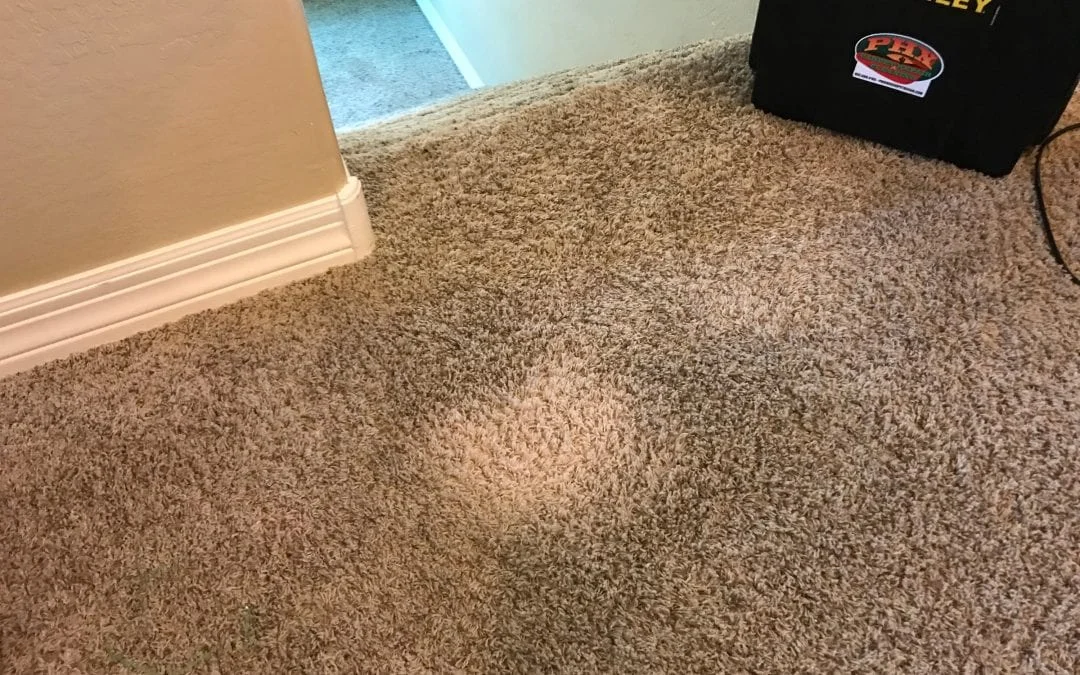
- Discoloration: Bleach removes the dye from the carpet’s yarns, leaving a lighter or completely white patch.
- Fiber weakening: Oxidation can degrade the polymer chains, making the fibers more brittle and prone to tearing.
Because the reaction is so aggressive, even a small amount of bleach can create a noticeable “bleach spot,” especially on darker or patterned carpets. If you’ve ever seen a white ring on a colored rug after a cleaning mishap, you’ve witnessed exactly what happens when bleach meets carpet.
Risks to Carpet Fibers and Color: Why Bleach Can Be a Design Disaster

Most interior design enthusiasts value continuity and harmony in their flooring choices. Introducing bleach into the mix can abruptly break that visual flow. The risk isn’t limited to a single unsightly patch; it can cascade into a broader design problem.
Discoloration and permanent stains – the lasting impact of bleach
Bleach is a non‑selective agent. It does not differentiate between the stain you want to remove and the surrounding carpet fibers. As a result, the following issues often arise:
- Irreversible color loss: Once the dye is stripped, the original hue cannot be restored without professional re‑dying, which is costly and not always successful.
- Patchy appearance: A bleach stain can create a stark contrast, especially on patterned carpets where the pattern is disrupted.
- Texture changes: Over‑exposure can make fibers feel rough or fuzzy, altering the tactile experience of the room.
From a design perspective, a bleach‑damaged carpet can undermine the aesthetic of a living room, bedroom, or hallway, forcing you to either replace the carpet or live with a visual flaw that distracts from your décor vision.
Health and Safety Considerations When Using Bleach on Carpet

Beyond the visual damage, applying bleach to carpet raises serious health concerns. The chemical vapors released during the reaction can be irritating or even hazardous, especially in poorly ventilated spaces.
Vapor inhalation and skin contact risks – what you need to know
When bleach meets organic material, it releases chlorine gas and other irritants. Prolonged exposure can cause:
- Respiratory irritation: Coughing, wheezing, and shortness of breath, particularly for asthmatics.
- Eye irritation: Burning sensations or watery eyes, which can be exacerbated by splashes.
- Skin burns: Direct contact with concentrated bleach can cause chemical burns, especially on sensitive skin.
For families with children or pets, these risks multiply. Always wear gloves, goggles, and ensure adequate ventilation if you ever contemplate using bleach on any surface, let alone carpet.
Alternatives to Bleach for Stain Removal – Safer Options for a Modern Home
If you’ve asked yourself what happens if you put bleach on carpet and the answer seems daunting, you’ll be relieved to know there are many effective, less aggressive alternatives. Modern home décor encourages the use of environmentally friendly and design‑preserving cleaning methods.
Homemade solutions and commercial cleaners that respect carpet fibers
Here are a few tried‑and‑true alternatives that work well on common carpet stains:
- Vinegar and baking soda: A paste of white vinegar and baking soda neutralizes odors and lifts stains without bleaching the fibers.
- Dish soap and warm water: A few drops of gentle dish soap mixed with warm water can dissolve oily residues while preserving color.
- Enzyme cleaners: These break down organic stains like food, blood, or pet messes without harsh chemicals.
- Professional carpet shampoos: Many brands formulate pH‑balanced solutions that are safe for most carpet types.
For a deeper dive into stain removal, see our charcoal stain removal guide, which outlines step‑by‑step techniques that avoid bleach entirely.
Proper Steps to Rescue a Bleached Carpet – Mitigation Techniques
Accidents happen. If you’ve already answered what happens if you put bleach on carpet with a disastrous result, there are still actions you can take to limit the damage.
Neutralizing bleach, rinsing, and when to call a professional
Follow these steps immediately after you notice a bleach spot:
- Blot, don’t rub: Use a clean, dry cloth to absorb excess liquid.
- Neutralize with vinegar: Mix one part white vinegar with three parts water and gently dab the area. The mild acidity helps stop the bleaching process.
- Rinse with cool water: Lightly spray water (no soaking) to flush out residual chemicals. Blot again to remove moisture.
- Dry thoroughly: Use a fan or open windows to promote airflow, preventing mold growth.
- Assess damage: If discoloration persists, consider a professional carpet re‑dying service or replacement.
Professional cleaners have equipment like extraction machines and spot‑treatments that can sometimes restore color more effectively than DIY methods.
When Bleach Can Be Safe – Specific Materials That Tolerate Bleach
Not all carpets are created equal. Certain synthetic fibers, especially those dyed white or light gray, can tolerate mild bleach solutions without noticeable damage.
Carpet types that may handle diluted bleach
Consider these scenarios before deciding to use bleach:
- White nylon or polyester: These fibers are highly resistant to oxidation, allowing a very diluted bleach solution (1 tbsp per gallon) for occasional whitening.
- Low‑pile commercial rugs: Often treated with stain‑resistant coatings that can endure mild bleach, but always test a hidden area first.
- Synthetic blends with a protective finish: Some manufacturers add bleach‑resistant treatments, but check the care label.
Even with “bleach‑safe” carpets, a patch test is essential. Apply a small amount of the solution to an inconspicuous spot, wait 24 hours, and observe any color change before treating the entire area.
Quick Tips for Safe Carpet Care
- Always test cleaning solutions on a hidden area first.
- Use a gentle blotting motion; never scrub, which can embed stains deeper.
- Maintain a regular vacuum schedule to prevent dirt from becoming set‑in stains.
- Invest in a high‑quality carpet protector spray to add a barrier against spills.
- For inspiration on coordinated interiors, explore our guide on organic living room décor ideas that complement clean, well‑maintained flooring.
Common Mistakes When Dealing With Carpet Stains
Many homeowners rush to the most potent chemicals available, leading to avoidable damage. Here are frequent errors and how to sidestep them:
- Using undiluted bleach: Full‑strength bleach overwhelms carpet fibers. Always dilute to the recommended ratio.
- Applying bleach to colored carpets: Expect discoloration. Reserve bleach for white or bleach‑approved rugs only.
- Neglecting ventilation: Chlorine fumes linger and can cause respiratory irritation. Open windows and use fans.
- Rubbing aggressively: This can spread the stain and damage the pile. Gentle blotting preserves texture.
- Skipping the patch test: A small test spot can save you from a room‑wide disaster.
Frequently Asked Questions
Can I use bleach to whiten a white carpet?
Yes, but only if the carpet is made of bleach‑safe fibers like nylon or polyester and you use a heavily diluted solution. Always test a hidden area first and follow up with a thorough rinse.
Will bleach damage carpet padding underneath?
Bleach can seep through the carpet backing and affect the padding, especially if the carpet is thin. This can lead to odor retention and weakened padding structure, so limit exposure and clean up promptly.
Is there a way to restore color after bleach has removed dye?
Professional re‑dying services can sometimes match the original hue, but results vary. For small spots, a color‑restoring carpet marker may blend the area, though it won’t be as seamless as the original.
What household items can I use instead of bleach for a moldy carpet?
A solution of equal parts white vinegar and water, followed by a light sprinkle of baking soda, can neutralize mold odors and inhibit growth without bleaching the fibers.
How often should I deep clean my carpet to avoid needing harsh chemicals?
A professional deep clean every 12–18 months, combined with regular vacuuming, keeps dirt from embedding and reduces the temptation to use aggressive cleaners like bleach.
Can I safely use bleach on a rug in a high‑traffic hallway?
High‑traffic rugs are often made from durable synthetics, but bleach still poses a risk of discoloration. Opt for a carpet protector spray and spot‑clean with mild cleaners instead.
Understanding what happens if you put bleach on carpet equips you with the knowledge to protect both your flooring and your indoor air quality. By choosing appropriate cleaning methods, you preserve the aesthetic integrity of your rooms and maintain a healthy environment.
When you’re ready to tackle the next home décor project, remember that the right cleaning approach is as important as the design choices you make. A well‑maintained carpet serves as a subtle canvas for the rest of your interior style—whether you’re arranging a modern living room or creating a cozy bedroom retreat.