

Table of Contents
- Why Minimal Apartment Décor with Neutral Tones Works
- Minimal Apartment Décor with Neutral Tones: Core Principles
- Choosing the Right Neutral Palette
- Furniture Selection for a Minimal Look
- Adding Texture Without Cluttering
- Maximizing Small Spaces with Neutral Design
- Lighting and Accessories: The Finishing Touches
- Quick Tips for Minimal Apartment Décor with Neutral Tones
- Common Mistakes to Avoid
- Frequently Asked Questions
- Conclusion
Minimal Apartment Décor with Neutral Tones – A Complete Guide
Living in a compact apartment often means every square foot counts. Embracing a minimal aesthetic while using neutral tones can transform a modest floor plan into a serene, spacious retreat. Neutral palettes—think soft beiges, cool greys, and warm whites—offer a timeless backdrop that allows furniture, art, and personal items to shine without overwhelming the eye.
In this guide, we’ll explore why minimal apartment décor with neutral tones works so well, how to choose the right shades, and which pieces and accessories keep the look uncluttered yet inviting. Whether you’re a first‑time renter, a seasoned homeowner, or simply looking for fresh inspiration, you’ll find practical, step‑by‑step advice to make your apartment feel larger, calmer, and effortlessly chic.
Why Minimal Apartment Décor with Neutral Tones Works

The combination of minimalism and neutrals creates a visual illusion of space. Light colours reflect more natural light, making rooms feel brighter and more open. Minimalist design, on the other hand, removes visual noise, allowing the eye to rest and focus on the room’s architecture and essential furnishings. Together, they form a perfect partnership for small apartments where every visual element competes for attention.
Beyond the aesthetic benefits, neutral tones are incredibly versatile. They serve as a canvas for seasonal accessories, artwork, and textures, meaning you can refresh your space without a major overhaul. This flexibility also supports sustainability—by investing in timeless pieces, you avoid the need for frequent redecorating.
Minimal Apartment Décor with Neutral Tones: Core Principles
- Stick to a limited colour palette—no more than three main neutrals.
- Prioritise clean lines and functional furniture.
- Introduce texture subtly to avoid a flat appearance.
- Use lighting to enhance depth and warmth.
- Keep décor items purposeful and well‑curated.
Choosing the Right Neutral Palette
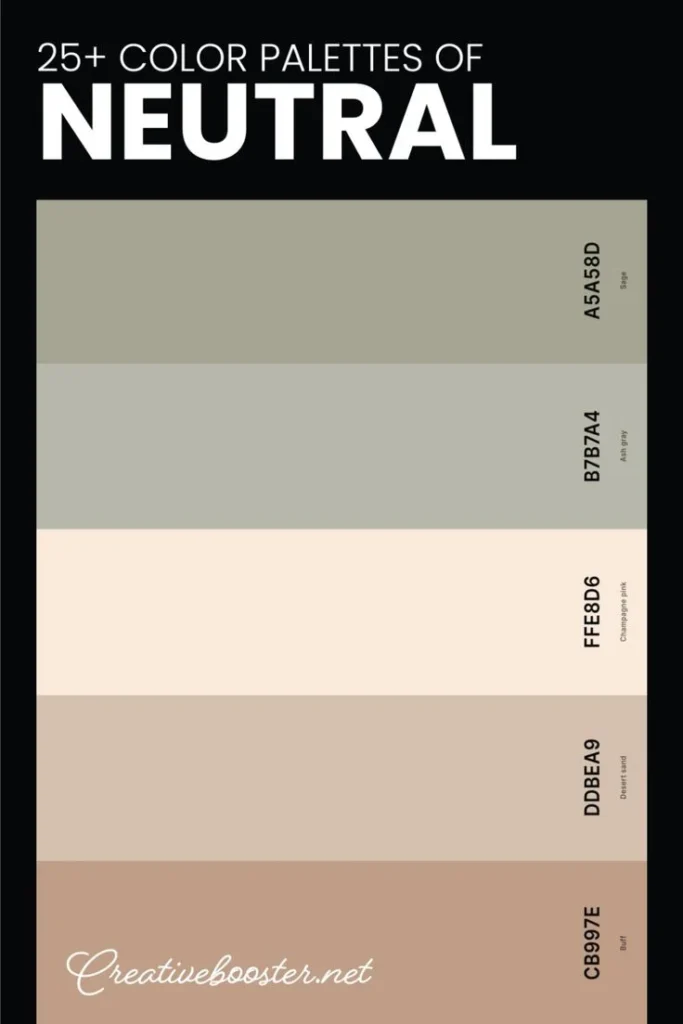
Not all neutrals feel the same. Warm whites, like ivory or cream, create a cozy atmosphere, while cooler greys lend a modern, airy vibe. When selecting paint, consider the amount of natural light your apartment receives. Sun‑flooded rooms can handle cooler shades without feeling stark, whereas darker spaces benefit from warm, reflective tones.
For a nuanced approach, explore the Seapearl vs Classic Gray debate to understand how undertones affect mood. Pair your primary wall colour with a complementary neutral for trim or an accent wall—this subtle contrast adds depth while preserving the minimal aesthetic.
Furniture Selection for a Minimal Look
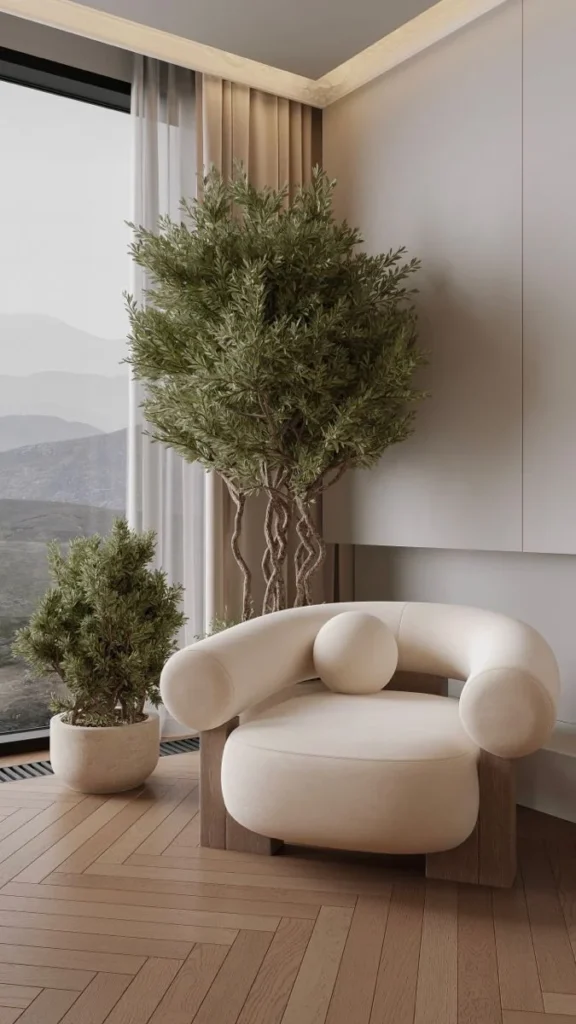
Furniture should be both functional and understated. Opt for pieces with slim profiles, exposed legs, and natural materials like light wood or metal. A low‑back sofa in a soft taupe, a sleek glass coffee table, and a floating wall shelf can anchor a room without dominating it.
When space is limited, multi‑purpose furniture becomes essential. A storage ottoman in a neutral linen fabric can serve as seating, a footrest, and hidden storage for blankets or magazines. Keep the number of large items to a minimum—each piece should have a clear purpose and a visual relationship with the surrounding walls.
Adding Texture Without Cluttering
One common mistake in neutral design is letting the space feel too sterile. Texture adds tactile interest and warmth. Layer a plush rug in a light natural fibre, drape a linen curtain, and choose throw pillows in varying knits or woven patterns. All of these can be kept within the same colour family, preserving the minimalist vibe while preventing monotony.
Consider incorporating natural elements such as a small indoor plant or a bamboo vase. These organic textures break up the smoothness of painted walls and sleek furniture without introducing bold colours. For a touch of artistry, try neutral landscape art that complements the colour scheme while adding visual depth.
Maximizing Small Spaces with Neutral Design
Neutral tones amplify the sense of space by reflecting light. To further enhance this effect, use mirrors strategically—place a large, frameless mirror opposite a window to double the amount of daylight. Keep floor clutter to a minimum; instead of a traditional bookshelf, install floating wall shelves that stay close to the ceiling, freeing up valuable floor area.
When arranging furniture, follow the “floating” principle: avoid pushing every piece against walls. A centrally placed sofa with surrounding side tables creates a more balanced, airy feel. For tiny kitchens, choose open shelving in a light wood finish and keep countertop appliances to a minimum, selecting only those that match the neutral palette.
Lighting and Accessories: The Finishing Touches
Lighting is the unsung hero of minimal apartment décor with neutral tones. A combination of ambient, task, and accent lighting ensures the space feels layered and inviting. Use recessed ceiling lights for a clean look, a sleek floor lamp with a matte black finish for reading corners, and pendant lights with simple geometric shades over a dining area.
Accessories should be purposeful and reflect the overall colour story. A set of matte gold or brushed brass handles on cabinets adds a subtle hint of luxury without breaking the neutral harmony. For a cohesive look, select a few statement pieces—like a sculptural vase or a handcrafted bowl—rather than scattering many small décor items.
Quick Tips for Minimal Apartment Décor with Neutral Tones
- Limit your colour palette to three neutrals for a cohesive look.
- Choose furniture with exposed legs to create visual openness.
- Introduce texture through rugs, cushions, and natural materials.
- Use mirrors to amplify natural light and make rooms appear larger.
- Keep accessories to a curated few that serve both function and style.
Common Mistakes to Avoid
Even with the best intentions, it’s easy to slip into pitfalls that diminish the impact of a minimal neutral scheme. Below are frequent errors and how to sidestep them:
- Over‑matching: Using the exact same shade on walls, furniture, and flooring can look flat. Introduce subtle contrast with a slightly darker trim or a warm wood floor.
- Neglecting lighting: Relying solely on natural light can leave evenings feeling dull. Layer lighting to maintain ambience after sunset.
- Cluttering surfaces: Minimalism thrives on open surfaces. Store everyday items out of sight and display only a handful of decorative objects.
- Choosing the wrong scale: Oversized sofas or coffee tables can dominate a small apartment. Opt for proportionate pieces that respect the room’s dimensions.
- Ignoring personal touch: A neutral space can feel impersonal if you don’t add elements that reflect your personality—like a favorite piece of art or a cherished book.
Frequently Asked Questions
Can I use bold colours with minimal apartment décor and neutral tones?
Yes, but keep bold accents limited to small accessories—think a single patterned cushion, a colourful vase, or a statement wall art piece. This adds personality without overwhelming the neutral foundation.
How do I make a neutral bedroom feel cozy?
Layer soft textiles such as a chunky knit throw, linen bedding, and a plush rug. Warm lighting from bedside sconces and a few personal items, like a favorite reading lamp, will enhance comfort while staying true to the minimalist aesthetic.
Is it okay to mix warm and cool neutrals together?
Mixing warm and cool neutrals can create a balanced, sophisticated look if done deliberately. Pair a warm ivory wall with cool grey furniture, and use a wood tone that bridges the two, ensuring the palette feels harmonious.
What flooring works best with a neutral colour scheme?
Light hardwood, polished concrete, or large‑format neutral tiles work well. They reflect light and maintain the airy feel. Add a neutral rug for comfort and additional texture.
How can I keep my small kitchen looking minimal?
Choose streamlined cabinetry in a soft white or light grey, use open shelving for display, and keep countertop appliances to a minimum. A simple backsplash in a subtle marble pattern can add elegance without visual clutter.
Where can I find inspiration for small living rooms?
Check out our article on smart styling for tight spaces for ideas on arranging furniture and using colour effectively in limited square footage.
Implementing these strategies will help you create a cohesive, inviting environment that feels larger than its square footage suggests.
Conclusion
Minimal apartment décor with neutral tones offers a timeless, adaptable solution for small‑space living. By selecting a thoughtful colour palette, choosing functional furniture, and layering texture and light, you can craft a home that feels both spacious and warm. Remember to avoid common pitfalls—over‑matching, neglecting lighting, and over‑accessorising—and focus on purposeful pieces that reflect your style. With these principles in hand, you’re ready to transform your apartment into a serene sanctuary that welcomes both daily life and special moments. For more inspiration, explore our other guides on home décor and interior design at The Homara.