
Table of Contents
- Minimalist Small Living Room Décor: Core Principles
- Choosing Furniture for a Minimalist Small Living Room Décor
- Selecting the Right Sofa
- Multi‑Purpose Pieces
- Strategic Use of Rugs
- Color, Light, and the Illusion of Space
- Smart Storage Solutions That Keep Clutter at Bay
- Decorative Accents: Less Is More, But Choose Wisely
- Quick Home Décor Tips for Minimalist Small Living Rooms
- Common Mistakes to Avoid in Minimalist Small Living Room Décor
- Frequently Asked Questions
- How can I make a small living room feel larger without major renovations?
- Is it okay to use bold colours in a minimalist small living room décor?
- What type of flooring works best for a minimalist small living room?
- Can I incorporate pattern without compromising minimalism?
- How important is furniture layout in a minimalist small living room?
- Where can I find budget‑friendly ideas for minimalist décor?
Minimalist Small Living Room Décor – Smart Styling for Tight Spaces
Living in a compact apartment or a cozy townhouse often means the living room doubles as a hub for entertainment, work, and relaxation. When square footage is at a premium, the design challenge becomes how to keep the space feeling open, functional, and inviting without sacrificing style. That’s where minimalist small living room décor shines. By embracing clean lines, thoughtful storage, and a restrained colour palette, you can transform even the tiniest lounge into a serene retreat that feels larger than it really is.
This article walks you through the core principles of minimalist design, offers practical furniture‑selection tips, and shares clever styling tricks that make a modest footprint feel spacious. Whether you’re a first‑time renter, a seasoned homeowner, or simply looking for fresh inspiration, you’ll finish this read with a clear, actionable plan to upgrade your living room without clutter.
Minimalist Small Living Room Décor: Core Principles
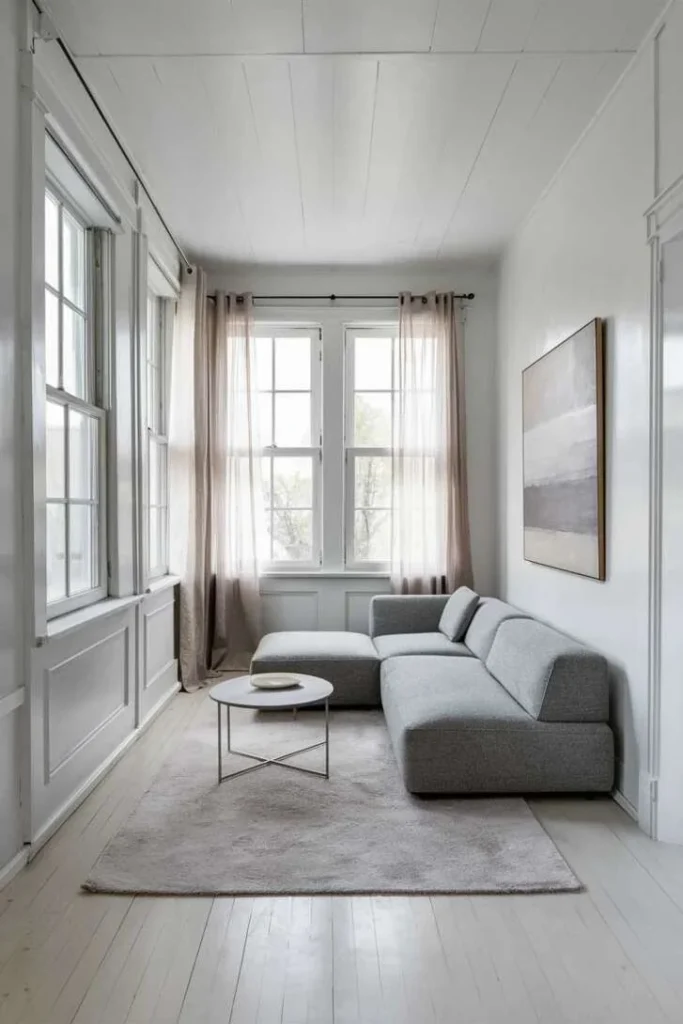
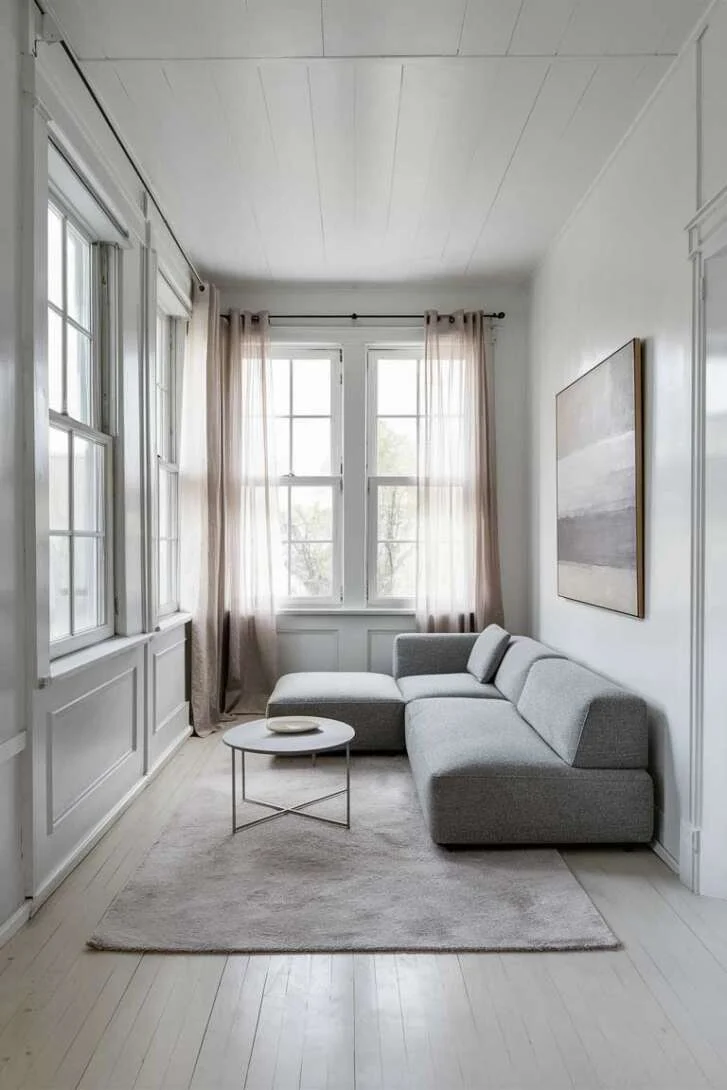
The foundation of any successful minimalist small living room décor rests on three pillars: simplicity, function, and light. Simplicity means limiting visual noise—think neutral walls, a restrained colour scheme, and a curated selection of accessories. Function ensures every piece serves a purpose, reducing the need for excess furniture. Light, both natural and artificial, amplifies the sense of openness and highlights the clean aesthetic.
Start by choosing a neutral base—soft whites, warm greys, or muted beiges work beautifully. These hues reflect daylight and make the room feel airy. Then, introduce texture through natural materials like linen, wood, or jute; this adds depth without overwhelming the eye. Finally, keep floor space clear by opting for low‑profile sofas and avoiding bulky coffee tables. The result is a harmonious backdrop that invites relaxation and showcases your personal style.
Choosing Furniture for a Minimalist Small Living Room Décor
Selecting the Right Sofa
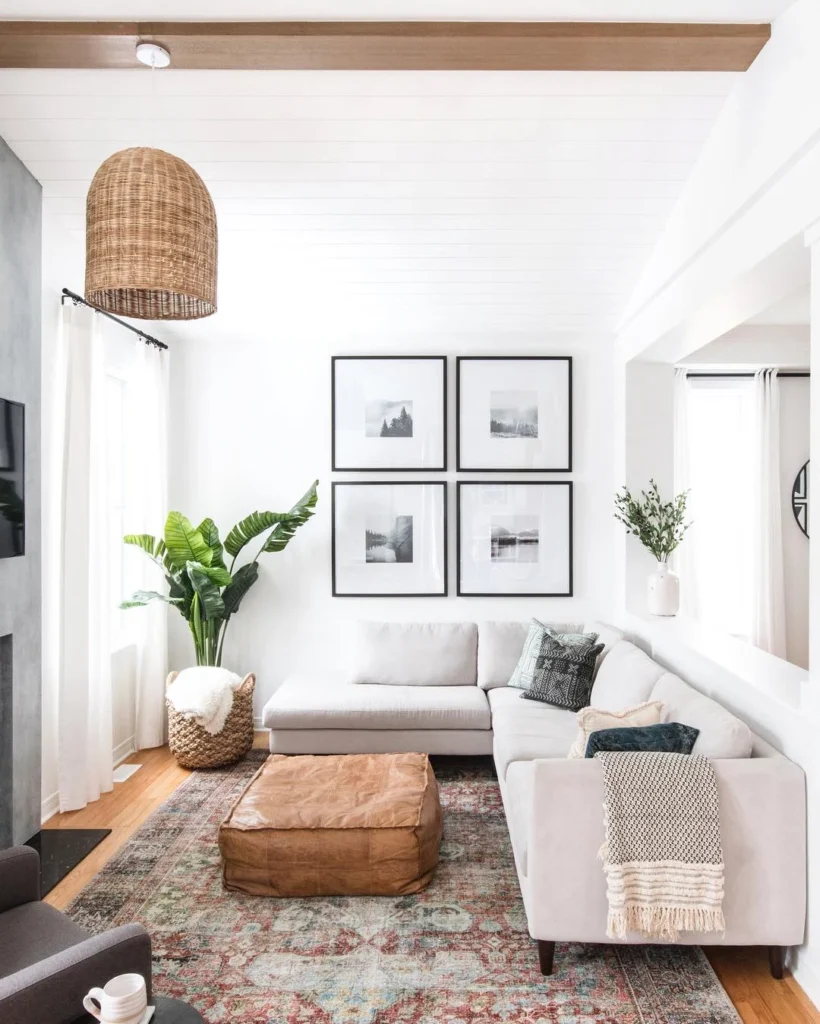
The sofa is often the focal point, so choose a piece that balances comfort with scale. A sleek, low‑back sectional in a neutral tone can anchor the room while maintaining an unobstructed view of the floor. If space is extremely tight, consider a loveseat or a modular sofa that can be re‑arranged as needed. Upholstery in natural fibres such as linen adds a tactile element without adding visual bulk.
Multi‑Purpose Pieces
In minimalist small living room décor, each item should earn its place. Look for ottomans that double as storage, nesting side tables that can be tucked away, or a coffee table with hidden drawers. These pieces keep clutter at bay while providing the functionality you need for daily life. A wall‑mounted TV bracket, for example, frees floor space and maintains the clean lines essential to a minimalist aesthetic.
Strategic Use of Rugs
Rugs define zones and add warmth. Opt for a single, large rug in a subtle texture rather than multiple small mats, which can fragment the space. A natural fibre rug, like jute or sisal, complements the minimalist palette and reinforces the connection to nature—a key element in modern minimalism.
Color, Light, and the Illusion of Space
Color plays a pivotal role in expanding perception. While white walls are classic, a soft dove‑grey or warm greige can create a gentle contrast that still feels airy. Accent walls aren’t off‑limits; a muted pastel or a single strip of reclaimed wood can add personality without breaking the minimalist flow.
Natural light should be maximized. Use sheer curtains or lightweight blinds that filter light while maintaining privacy. For artificial lighting, incorporate a layered approach: recessed ceiling lights for overall illumination, sleek floor lamps for task lighting, and subtle LED strip lighting behind shelving to add depth. The combination of natural and artificial light enhances the room’s dimensions and supports the clean aesthetic.
Smart Storage Solutions That Keep Clutter at Bay
One of the biggest challenges in minimalist small living room décor is storing belongings without visual clutter. Built‑in shelving that stretches from floor to ceiling can house books, decorative objects, and media equipment while keeping the floor clear. Choose floating shelves in a finish that matches the wall color for a seamless look.
Hidden storage is another powerful tool. A slim console with internal drawers placed against a wall can serve as a catch‑all for mail, keys, and remote controls. If you have a media console, select one with a clean façade and concealed compartments. For decorative storage, consider decorative baskets woven from natural fibres; they add texture while providing a tidy spot for blankets or magazines.
Decorative Accents: Less Is More, But Choose Wisely
Even in a minimalist setting, carefully selected decor can bring personality to the room. A single large piece of artwork—such as a neutral landscape art—creates a focal point without overwhelming the space. Choose frames in simple black or natural wood to maintain the streamlined look.
Plants are another essential accent. A tall, slim fiddle‑leaf fig in a minimalist pot adds height and a splash of green, while a collection of small succulents on a floating shelf injects life without demanding floor space. Keep decorative objects to a minimum: one or two sculptural pieces, a well‑chosen vase, or a set of coordinated candles are enough to convey style.
Quick Home Décor Tips for Minimalist Small Living Rooms
- Stick to a monochromatic colour scheme with one accent hue.
- Use wall‑mounted shelves instead of floor‑standing units to preserve floor area.
- Choose furniture with exposed legs to create a sense of openness.
- Incorporate mirrors on opposite walls to bounce light and enlarge the view.
- Limit decorative items to a curated selection that reflects your personality.
Common Mistakes to Avoid in Minimalist Small Living Room Décor
Even seasoned designers can slip into habits that undermine a minimalist approach. Below are frequent pitfalls and how to correct them:
- Over‑decorating: Too many accessories clutter the visual field. Adopt a “one‑in, one‑out” rule for decorative items.
- Choosing Dark Colours: Dark walls shrink a room. If you love deep tones, use them sparingly on an accent wall or in accessories.
- Ignoring Scale: Oversized sofas or coffee tables dominate small spaces. Measure your floor area and select furniture that fits comfortably.
- Insufficient Lighting: A dim room feels cramped. Blend natural light with layered artificial sources to keep the space bright.
- Neglecting Storage: Visible clutter defeats minimalism. Invest in hidden storage solutions like built‑in cabinets or decorative baskets.
Frequently Asked Questions
How can I make a small living room feel larger without major renovations?
Maximize natural light, use a light colour palette, and keep floor space clear. Mirrors placed opposite windows reflect light, while low‑profile furniture and hidden storage maintain an uncluttered look.
Is it okay to use bold colours in a minimalist small living room décor?
Yes, but limit bold colours to small accents such as cushions, a single artwork, or a decorative rug. The overall palette should remain neutral to preserve the spacious feel.
What type of flooring works best for a minimalist small living room?
Light‑coloured hardwood or large‑format porcelain tiles create a seamless visual flow. If you prefer carpet, choose a low‑pile, neutral‑toned option that doesn’t absorb light.
Can I incorporate pattern without compromising minimalism?
Subtle geometric patterns in textiles—like a linen throw or a muted rug—add interest without overwhelming the space. Keep patterns small and limited to one or two items.
How important is furniture layout in a minimalist small living room?
Crucial. Arrange furniture to promote traffic flow and avoid blocking windows. Floating furniture away from walls can create a sense of depth, while keeping pieces aligned along a single axis maintains visual order.
Where can I find budget‑friendly ideas for minimalist décor?
Explore our guide on budget-friendly decorating ideas for clever ways to achieve a high‑end look without breaking the bank.
By applying these principles, you’ll discover that minimalist small living room décor is not about limiting yourself—it’s about curating a space that feels calm, functional, and truly yours. The key is to be intentional with every piece, let light do the heavy lifting, and keep visual noise to a minimum. When you walk into your living room, it should feel like a breath of fresh air, inviting you to relax, create, and enjoy the simplicity of well‑designed living.