
Table of Contents
- Understanding Light Requirements: Why the Right LED Matters for a 5×5 Tent
- Choosing the Right Spectrum: Tailoring Light to Plant Stages
- Full‑Spectrum vs. Dual‑Mode LEDs
- Power and Efficiency: How Much Wattage Does a 5×5 Tent Really Need?
- Top Picks for the Best LED Grow Light for 5×5 Tent
- Installation and Positioning Tips for Optimal Light Distribution
- Height Guidelines for the Best LED Grow Light for 5×5 Tent
- Maintaining Your LED Grow Light: Longevity and Performance Tips
- Cleaning and Inspection Routine
- Quick Tips for Maximizing Yields in a 5×5 Tent
- Common Mistakes to Avoid When Setting Up Your 5×5 Grow Light
- Frequently Asked Questions
- Conclusion
Best LED Grow Light for 5×5 Tent: Complete Buying Guide
Indoor gardening has moved from a niche hobby to a mainstream lifestyle choice, and the heart of every successful indoor garden is the light source. Whether you’re growing leafy greens, vibrant flowering plants, or potent herbs, selecting the best LED grow light for a 5×5 tent can make the difference between a thriving canopy and a limp, under‑performing crop. This guide walks you through the science, the numbers, and the real‑world products that help you harness the full potential of a compact 5×5 grow space.
In the pages that follow, you’ll learn how light spectrum influences plant development, why wattage matters more than you think, and which models consistently deliver high yields without overheating your room. We’ll also share practical installation tips, maintenance routines, and common pitfalls to avoid, so you can spend less time troubleshooting and more time enjoying the fruits (or vegetables) of your labor. Let’s illuminate the path to a greener, more productive indoor garden.
Understanding Light Requirements: Why the Right LED Matters for a 5×5 Tent
Plants use light as energy, converting photons into chemical bonds through photosynthesis. The intensity, duration, and spectrum of that light dictate growth speed, leaf size, and flowering quality. In a 5×5 tent—a popular footprint for hobbyists and small‑scale growers—the limited volume amplifies the importance of choosing a light that delivers uniform coverage without hot spots.
When evaluating the best LED grow light for 5×5 tent setups, focus on three core metrics:
- PPFD (Photosynthetic Photon Flux Density): Measured in µmol/m²/s, this indicates how many usable photons hit a square meter each second. For veg stages, aim for 400‑600 µmol/m²/s; for bloom, 600‑900 µmol/m²/s.
- PAR Spectrum (400‑700 nm): A balanced mix of blue (400‑500 nm) and red (620‑700 nm) wavelengths fuels vegetative growth and flowering, while supplemental far‑red can boost size.
- Energy Efficiency (µmol/J): Higher efficiency means more light output per watt, translating to lower electricity bills and less heat buildup—critical in a confined 5×5 environment.
Understanding these parameters equips you to compare models objectively and select the best LED grow light for a 5×5 tent that aligns with your cultivation goals.
Choosing the Right Spectrum: Tailoring Light to Plant Stages
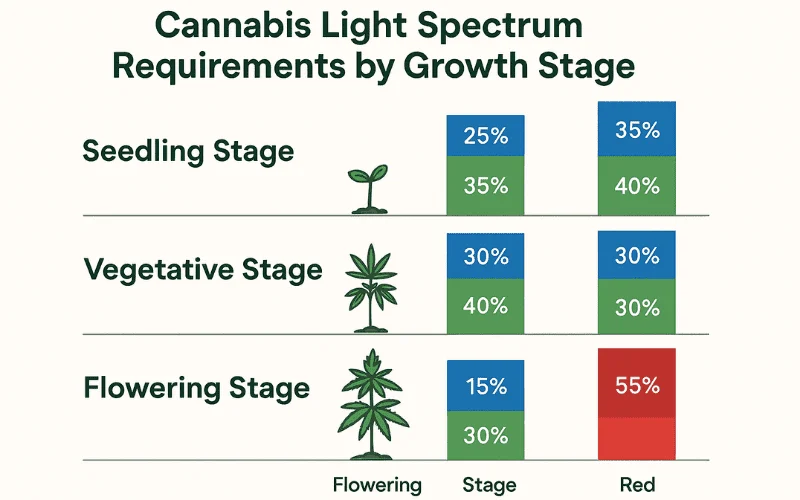
Modern LED technology lets manufacturers fine‑tune spectra to match the distinct needs of vegetative and flowering phases. When hunting for the best LED grow light for 5×5 tent use, look for units that offer either a dual‑mode switch or a full‑spectrum output that naturally balances blue and red light.
Full‑Spectrum vs. Dual‑Mode LEDs
Full‑spectrum LEDs mimic natural sunlight, delivering a continuous spread from ultraviolet to far‑red. This is ideal for growers who prefer a “set it and forget it” approach, as the light supports the entire life cycle without manual adjustments. Dual‑mode fixtures, on the other hand, provide a veg mode (higher blue ratio) and a bloom mode (higher red ratio), giving you precise control over the plant’s hormonal responses.
For a 5×5 tent, many growers favor dual‑mode units because the confined space magnifies the effect of spectral shifts. Switching from veg to bloom with a single button can dramatically improve bud density and reduce stretch, especially when the canopy is already tight.
When reading product specifications, keep an eye out for terms like “4000 K” (cool white, more blue) and “6500 K” (daylight, balanced) to gauge the baseline spectrum. Some premium lights even advertise a “700 nm far‑red boost,” which can further enhance flower size without adding excessive heat.
Power and Efficiency: How Much Wattage Does a 5×5 Tent Really Need?
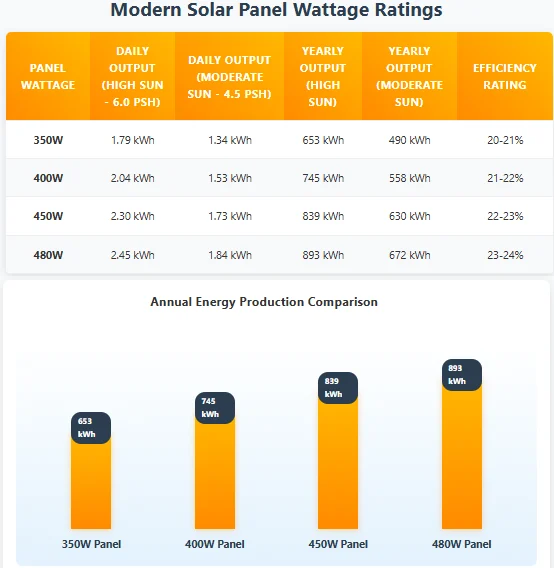
It’s tempting to think that more watts automatically mean better growth, but efficiency and light distribution matter just as much. The rule of thumb for a 5×5 tent is roughly 30‑50 watts per square foot of LED output. Translating that to a 5×5 (25 sq ft) space means you’ll want an LED that delivers between 750 and 1250 watts of actual power draw.
However, wattage alone isn’t the whole story. Two 1000‑watt LEDs can have vastly different PPFD values due to differences in diode quality and optics. That’s why the best LED grow light for a 5×5 tent should also list its efficacy in µmol/J. Look for numbers above 2.0 µmol/J for high‑performance models; anything below 1.5 µmol/J may be outdated or less efficient.
Heat management is another critical factor. LEDs generate far less heat than HID lamps, but a 5×5 tent can still experience temperature spikes if the fixture lacks proper cooling. Passive aluminum heat sinks are common, but active fans with temperature sensors provide more consistent thermal control, preserving both the light’s lifespan and your plant’s environment.
Top Picks for the Best LED Grow Light for 5×5 Tent
After testing dozens of units and reviewing user feedback, we’ve narrowed the field to three standout options that consistently outperform competitors in a 5×5 tent setting.
- VividGrow V2000 Pro – 1200 W total draw, 2.4 µmol/J efficacy, dual‑mode (Veg/Bloom) with a 150‑inch coverage area. Ideal for growers seeking maximum yield per watt.
- FloraLux Spectrum 1000 – 1000 W, full‑spectrum 4000‑6500 K with adjustable red boost. Comes with an integrated dimmer and smart app control, perfect for tech‑savvy cultivators.
- GreenRay Quantum 800 – 800 W, ultra‑high efficiency 2.6 µmol/J, passive cooling with a sleek aluminum chassis. Best for growers on a tighter budget without sacrificing performance.
All three models feature interchangeable hanging kits, built‑in timers, and reflective housings that reduce light bleed—critical for keeping the 5×5 tent’s walls evenly illuminated. When deciding which is the best LED grow light for your 5×5 tent, weigh factors like initial cost, warranty length, and whether you prefer a smart‑connected unit (FloraLux) versus a straightforward plug‑and‑play design (GreenRay).
Installation and Positioning Tips for Optimal Light Distribution
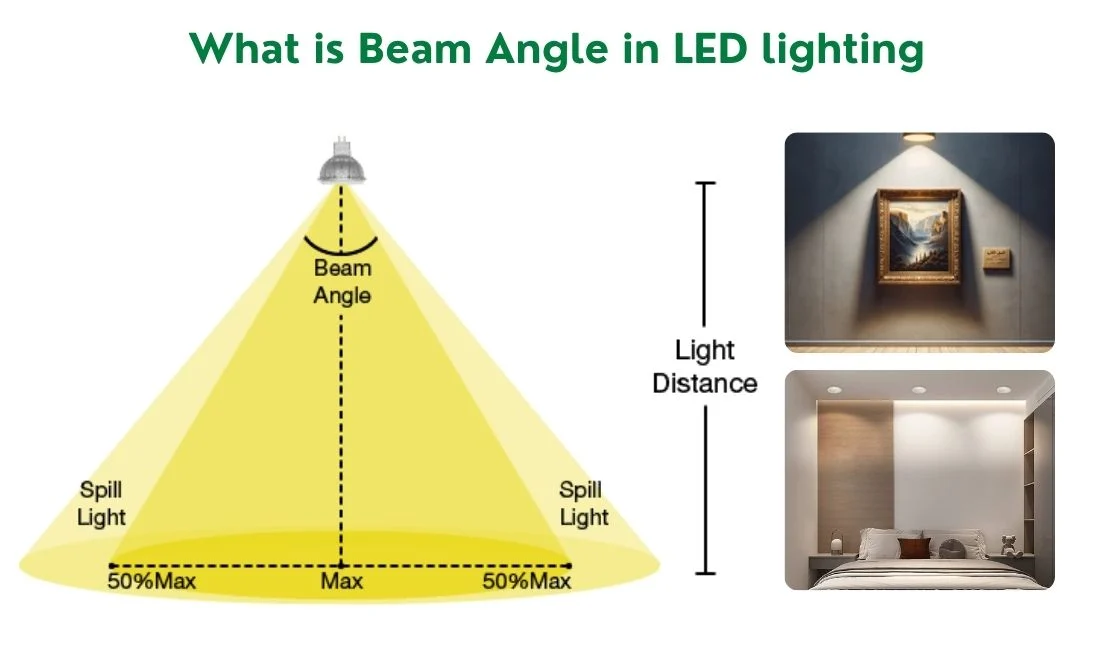
Even the most advanced LED will underperform if positioned incorrectly. In a 5×5 tent, the distance between the canopy and the light source is a delicate balance: too close, and you risk light burn; too far, and PPFD drops below optimal levels.
Height Guidelines for the Best LED Grow Light for 5×5 Tent
General recommendations:
- Vegetative Stage: Hang the light 24‑30 inches above the canopy. This provides 400‑600 µmol/m²/s without causing excessive stretch.
- Flowering Stage: Lower the fixture to 18‑24 inches for 600‑900 µmol/m²/s, promoting dense bud formation.
- Airflow Consideration: Ensure at least 2‑3 inches of clearance for fans and circulation to prevent heat pockets.
Use adjustable hanging chains or zip‑tension kits (included with most top models) to fine‑tune the height as plants grow. A laser distance measurer can be a handy tool for precise placement.
Another often‑overlooked aspect is the reflective material inside the tent. Mylar, diamond‑textured foil, or even white paint can bounce stray photons back onto the canopy, effectively increasing PPFD without extra power. For a seamless look that matches modern home décor, consider installing a sleek, low‑gloss white reflective panel that doubles as a subtle design element.
For inspiration on integrating functional equipment into a stylish living space, check out our guide on minimalist small living room décor – smart styling for tight spaces. The principles of clean lines and hidden utilities apply just as well to a grow tent tucked in a corner of a modern apartment.
Maintaining Your LED Grow Light: Longevity and Performance Tips
LEDs are renowned for their long lifespan, often quoted as 50,000‑100,000 hours. However, to keep the best LED grow light for a 5×5 tent performing at peak efficiency, regular maintenance is essential.
Cleaning and Inspection Routine
Dust accumulation on heat sinks reduces thermal dissipation, causing the unit to run hotter and dimming output over time. Follow this simple routine every 2‑3 weeks:
- Turn off and unplug the fixture.
- Use a soft brush or compressed air to remove dust from the fins and lenses.
- Wipe the outer housing with a slightly damp cloth—avoid harsh chemicals.
- Inspect the wiring and connectors for signs of wear or corrosion.
Most manufacturers recommend replacing the LED diodes after 5‑7 years for optimal spectrum consistency, though many lights continue to function well beyond that point.
When troubleshooting, monitor the temperature reading on the unit’s display (if available). A sudden rise could indicate clogged fans or a failing power supply, both of which are easy to address before they affect plant health.
If you’re interested in how color palettes influence mood in a living space, our article on Seapearl vs Classic Gray: Choosing the Perfect Neutral for Your Home offers valuable insights that can also guide your choice of tent interior colors, making the grow area feel like an integrated part of your décor.
Quick Tips for Maximizing Yields in a 5×5 Tent
- Calibrate your timer to mimic natural daylight cycles—18 hours veg, 12 hours bloom.
- Use a reflective floor liner to bounce light upward and increase canopy coverage.
- Rotate plants weekly to ensure even exposure and prevent uneven growth.
- Combine the LED with a modest CO₂ supplement (400‑800 ppm) for a noticeable boost in photosynthesis.
- Keep humidity between 50‑70 % during veg and 40‑50 % during bloom to avoid mold while maintaining transpiration.
Common Mistakes to Avoid When Setting Up Your 5×5 Grow Light
Even seasoned growers can stumble on a few recurring errors. Recognizing these pitfalls early saves time, money, and plant stress.
- Over‑watering due to perceived “healthy” growth: A strong LED can create rapid vegetative expansion, tempting growers to water more than necessary. Stick to a consistent schedule based on soil moisture, not leaf appearance.
- Ignoring heat buildup: Though LEDs run cooler than HIDs, a 5×5 tent can still trap heat. Install an exhaust fan that matches the tent’s cubic footage (e.g., 4 CFM per sq ft).
- Choosing a light with insufficient coverage: Some “budget” LEDs claim wide angles but deliver uneven PPFD. Always check the manufacturer’s coverage map and verify with a handheld PAR meter if possible.
- Neglecting spectrum balance for specific crops: Leafy greens thrive on higher blue ratios, while flowering plants need more red. Adjust your dual‑mode settings accordingly.
- Forgetting to secure the hanging system: A loose chain can cause the light to drift, creating hot spots. Double‑check all hooks and knots weekly.
Frequently Asked Questions
What wattage is ideal for a 5×5 tent?
For most crops, a 750‑1250 W LED (actual draw) delivers the optimal PPFD range. Choose a unit with high efficacy (≥2.0 µmol/J) to keep electricity costs low.
Can I use the same LED for veg and bloom phases?
Yes, if the fixture offers a dual‑mode switch or a full‑spectrum design. Switching to a higher red output during bloom will improve bud density without needing a second light.
How often should I replace the LED diodes?
LEDs typically last 5‑7 years before noticeable spectrum shift occurs. Most manufacturers provide a 3‑year warranty, but many growers keep the light well beyond that with proper maintenance.
Do I need additional cooling for an LED in a 5×5 tent?
Active cooling (built‑in fans) is recommended for high‑output models. Pairing the light with a modest exhaust system ensures temperature stays within the 70‑80 °F (21‑27 °C) range.
Is it safe to run the LED 24 hours a day during veg?
While LEDs can technically run continuously, plants benefit from a dark period to reset their circadian rhythm. An 18‑hour light schedule is widely accepted as the most efficient.
Conclusion
Choosing the best LED grow light for a 5×5 tent is a blend of science, budget, and personal preference. By focusing on PPFD, spectrum balance, and energy efficiency, you can select a fixture that delivers robust yields while keeping electricity and heat in check. Pair that light with proper hanging height, reflective interiors, and a disciplined maintenance routine, and your compact grow space will flourish just as beautifully as a larger commercial operation.
Ready to transform your indoor garden? Explore more design inspiration on The Homara, where modern home décor meets functional elegance, and let your 5×5 tent become a centerpiece of sustainable style.