
Table of Contents
- Owner Permit vs Contractor Permit Navigating the Regulatory Landscape: When to Choose Each
- Owner Permit vs Contractor Permit Navigating the Regulatory Landscape – Key Differences
- Understanding Local Building Codes and Their Impact on Permit Choice
- Insurance, Bonds, and Financial Safeguards
- Practical Steps to Secure the Right Permit
- Design Considerations That Influence Permit Requirements
- Quick Tips for a Smooth Permit Process
- Common Mistakes and How to Avoid Them
- Frequently Asked Questions
- Final Thoughts on Owner Permit vs Contractor Permit Navigating the Regulatory Landscape
Owner Permit vs Contractor Permit: Navigating the Regulatory Landscape
When a homeowner decides to embark on a renovation, the first question often isn’t about paint colors or floor plans—it’s about who should pull the permit. Understanding the difference between an owner permit and a contractor permit is essential for staying compliant, protecting your investment, and avoiding costly delays. While the terminology can feel bureaucratic, the choice directly impacts timelines, insurance coverage, and the overall success of the project.
In today’s fast‑moving design world, many homeowners are tempted to take a DIY approach, especially for smaller remodels. Yet, even modest updates can trigger local building codes that require a formal permit. Knowing when to act as the “owner” on a permit versus hiring a licensed contractor to do so can make the difference between a seamless transformation and a legal headache.
This article will walk you through the regulatory maze, clarify the responsibilities attached to each permit type, and give you practical tips to keep your renovation on track without sacrificing style. By the end, you’ll be equipped to decide which path aligns best with your project scope, budget, and design vision.
Owner Permit vs Contractor Permit Navigating the Regulatory Landscape: When to Choose Each

The primary distinction lies in who assumes legal responsibility for the work. An owner permit is filed under the homeowner’s name, allowing the owner to act as the “contractor” for the duration of the project. This is common for DIY enthusiasts or when hiring subcontractors directly. Conversely, a contractor permit is issued to a licensed professional who oversees the construction, ensuring that all trades are coordinated and code‑compliant.
Choosing the right permit depends on factors such as project complexity, local jurisdiction requirements, and the homeowner’s comfort level with managing trades. For instance, a simple bathroom remodel might qualify for an owner permit, while a multi‑story addition typically mandates a contractor permit because of the increased structural considerations and safety inspections.
Owner Permit vs Contractor Permit Navigating the Regulatory Landscape – Key Differences
- Liability: With an owner permit, you bear the legal and insurance liability. A contractor permit transfers most of that risk to the licensed professional.
- Inspection Scheduling: Contractors often have streamlined access to inspectors, while owners may need to coordinate visits themselves.
- Documentation: Contractor permits usually require proof of licensing, bonding, and workers’ compensation; owner permits rely on the homeowner’s ability to provide the same assurances.
- Cost: Filing fees are similar, but contractor permits can include additional administrative costs baked into the contract.
Understanding these nuances helps you decide which route aligns with your project’s scale and your own capacity to manage the regulatory process.
Understanding Local Building Codes and Their Impact on Permit Choice
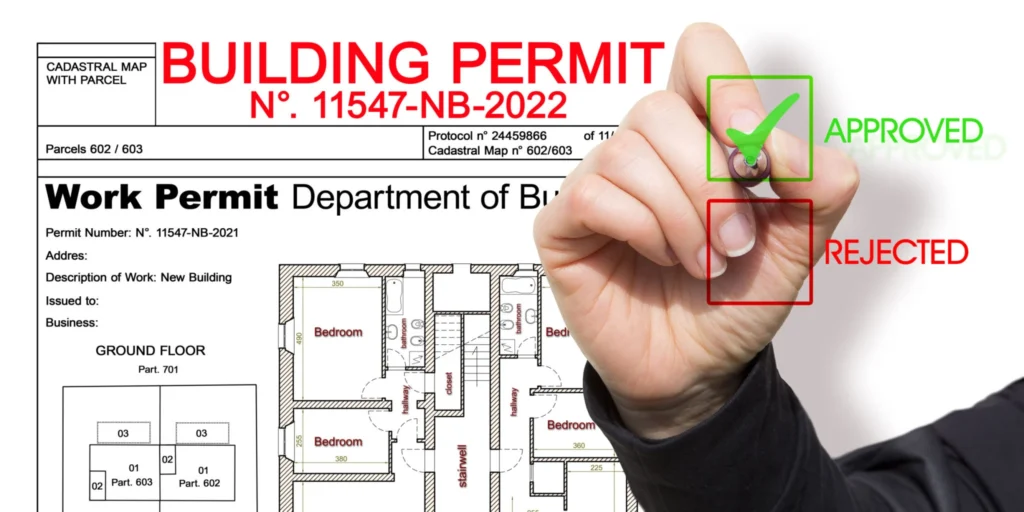
Every municipality has its own building code handbook, and these rules dictate when a permit is required. For example, many cities require permits for any structural alteration, electrical work exceeding a certain amperage, or plumbing changes that affect waste lines. Ignoring these codes can lead to fines, forced demolition, or difficulty selling the home later.
Before you even submit an application, review the local code library or consult the planning department. Many jurisdictions provide online lookup tools where you can type in “owner permit” or “contractor permit” to see which projects fall under each category. This research step is especially valuable when you’re balancing design aspirations—like an open‑concept kitchen renovation—with regulatory compliance.
Tip: Keep a dedicated folder (digital or physical) for all code references, permit applications, and correspondence with the building department. This organization saves time when questions arise during inspections.
Insurance, Bonds, and Financial Safeguards

Whether you file an owner permit or a contractor permit, insurance plays a pivotal role. Homeowners should verify that their homeowner’s policy covers on‑site injuries and property damage caused by subcontractors. If you opt for an owner permit, you may need to purchase a separate builder’s risk policy.
Contractors, on the other hand, are required to carry general liability insurance and workers’ compensation. This protects both the homeowner and the workers should an accident occur. Additionally, many municipalities demand a performance bond when a contractor holds the permit, ensuring that the work will be completed to code.
Before signing any agreement, request proof of insurance and bonding. This due diligence is a critical component of navigating the regulatory landscape without unexpected financial exposure.
Practical Steps to Secure the Right Permit
Securing the appropriate permit involves a clear series of actions, regardless of whether you’re the owner or the contractor. Follow this checklist to stay organized:
- Define Scope: Write a detailed description of the work, including square footage, materials, and any structural changes.
- Consult Local Authority: Call or visit your city’s building department to confirm which permit type is required.
- Gather Documentation: Prepare site plans, engineering calculations, and product specifications.
- Submit Application: Complete the online or paper form, attach required documents, and pay the filing fee.
- Schedule Inspections: Arrange for rough‑in, mid‑project, and final inspections as dictated by the code.
- Maintain Records: Keep copies of all permits, inspection reports, and approvals for future reference.
For a visual example of how documentation can be organized, see our guide on modern minimalist home décor, which includes a handy checklist for project planning.
Design Considerations That Influence Permit Requirements
While permits are legal necessities, they also intersect with design decisions. Changing a load‑bearing wall, for instance, not only requires a structural engineer’s stamp but also impacts the aesthetic flow of the space. If you’re aiming for a seamless open‑plan living room, you may need to coordinate structural reinforcements, which in turn affects the type of permit you’ll file.
Similarly, upgrading to high‑efficiency HVAC systems can trigger both mechanical and electrical permits. Integrating these upgrades with your décor plans—like concealing ducts behind sleek soffits—requires close collaboration between designers and licensed trades. By aligning design intent with code requirements early, you reduce the risk of re‑work during inspections.
Looking for inspiration on how to blend functional upgrades with style? Check out our article on tiny apartment living room design, which demonstrates how smart planning can satisfy both aesthetic and regulatory goals.
Quick Tips for a Smooth Permit Process
- Start the permit application before ordering materials; delays often happen when inspections are scheduled after purchases.
- Use a dedicated project email address to keep all communications with the building department in one place.
- Hire a licensed inspector for a pre‑inspection walkthrough; catching issues early saves time and money.
Common Mistakes and How to Avoid Them
Even seasoned homeowners slip up. One frequent error is assuming a minor cosmetic change is exempt from permits. In reality, swapping out a bathtub for a freestanding model often involves plumbing alterations that require a permit. Another pitfall is neglecting to update the permit when the scope expands—adding a new window or extending a wall without notifying the authority can invalidate the original approval.
To stay compliant, treat every structural or system change as a potential permit trigger. When in doubt, call the building department; a quick clarification can prevent expensive re‑work later.
Frequently Asked Questions
Can I switch from an owner permit to a contractor permit mid‑project?
Yes, most jurisdictions allow you to amend the permit type. You’ll need to submit a change request, provide contractor licensing information, and possibly pay an amendment fee. It’s best to make the switch before major construction begins to avoid inspection complications.
Do I need a separate permit for electrical work if I’m already holding an owner permit for a remodel?
Electrical work often requires its own permit, even if you have a general building permit. Check local codes; many cities mandate a distinct electrical permit for any new circuits, panel upgrades, or fixture installations.
How long does the permit approval process usually take?
Approval timelines vary widely. Simple permits can be approved within a few days, while complex structural permits may take several weeks, especially if engineering review is needed. Submitting complete and accurate documentation speeds up the process.
What happens if I start construction without a permit?
Working without a permit can lead to stop‑work orders, fines, and difficulty obtaining a certificate of occupancy. Unpermitted work may also affect resale value, as future buyers could demand remediation.
Are there any exemptions for historic homes?
Historic districts often have additional review boards that impose stricter guidelines. Some alterations may be exempt from standard permits, but you’ll still need approval from the preservation authority. Always verify before proceeding.
Final Thoughts on Owner Permit vs Contractor Permit Navigating the Regulatory Landscape
Choosing between an owner permit and a contractor permit isn’t just a bureaucratic decision; it’s a strategic choice that influences liability, budget, timeline, and ultimately the success of your design vision. By understanding local codes, securing proper insurance, and staying organized throughout the process, you can confidently steer your renovation through the regulatory landscape.
Remember, the best projects blend creative ambition with diligent compliance. Whether you’re updating a kitchen, expanding a living room, or adding a new bathroom, the right permit strategy ensures your work stands the test of time—and the scrutiny of inspectors. For more design inspiration and practical guides, explore the rest of The Homara’s library, and let your home become a showcase of both style and solid craftsmanship.