
Table of Contents
- Understanding Light’s Role in Relaxation
- How Light Affects Mood and Sleep
- Layered Lighting Strategies for a Serene Space
- Ambient Lighting: The Foundation of Relaxing Bedroom Lighting Inspiration
- Task Lighting: Function Meets Calm
- Accent Lighting: Adding Depth and Interest
- Choosing Fixtures That Promote Calm
- Soft Materials and Organic Shapes
- Minimalist Designs for Modern Tranquility
- Color Temperature and Bulb Choices
- Warm LEDs vs Traditional Incandescents
- Dimmer Switches: Tailoring Light to the Moment
- Smart Controls and Automation for Seamless Relaxation
- Voice‑Activated Lighting
- Scheduled Routines
- Motion‑Activated Nightlights
- Decorating Around Light: Textiles, Colors, and Layout
- Soft Fabrics and Light‑Reflective Surfaces
- Strategic Furniture Placement
- Quick Tips for Instantly Calmer Bedrooms
- Common Mistakes to Avoid
- Frequently Asked Questions
- Conclusion
Creating a sanctuary where you can unwind after a long day starts with the right lighting. While many homeowners focus on bold statements or sheer brightness, the true art of relaxing bedroom lighting inspiration lies in subtlety, balance, and a keen understanding of how light influences mood. Whether you live in a compact apartment or a spacious master suite, mastering the interplay of ambient, task, and accent light can transform a simple room into a personal retreat.
In this guide, we’ll explore the principles behind soothing illumination, examine fixture choices that promote calm, and uncover smart‑home tools that let you tailor light to every moment of your day. You’ll walk away with actionable ideas that fit any budget and style, empowering you to design a bedroom that feels both luxurious and deeply restorative.
From the science of color temperature to the psychology of shadows, we’ll demystify the elements that make relaxing bedroom lighting inspiration truly effective. Let’s dive into the luminous world of calm, one layer of light at a time.
Understanding Light’s Role in Relaxation
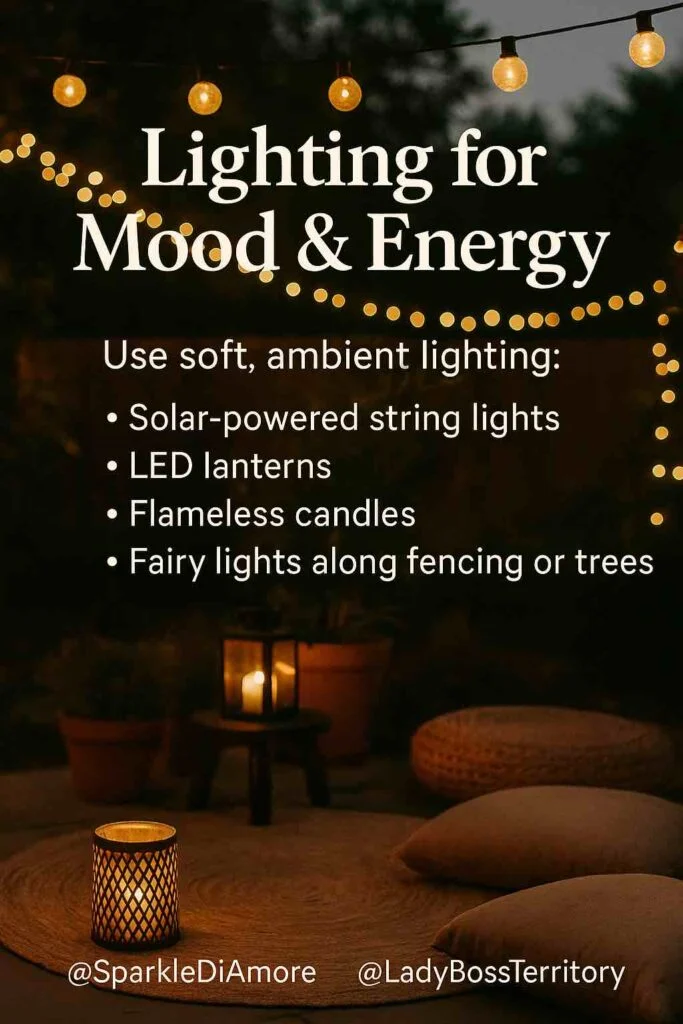
Before selecting fixtures, it’s essential to grasp why light matters for relaxation. Natural daylight regulates our circadian rhythm, signaling when to wake and when to wind down. In the evening, reducing blue‑rich light helps the brain produce melatonin, the hormone that promotes sleep. By replicating these cues with artificial sources, you can create a bedroom environment that feels naturally soothing.
Key considerations include:
- Intensity: Soft, diffused illumination reduces eye strain and encourages a sense of calm.
- Direction: Overhead lighting can feel harsh; side or indirect sources create a gentle, enveloping glow.
- Color temperature: Warm tones (2700–3000K) mimic sunset, while cooler tones (4000K+) are better suited for task lighting earlier in the day.
Integrating these principles into your relaxing bedroom lighting inspiration plan ensures the space supports both relaxation and functionality.
How Light Affects Mood and Sleep
Research shows that exposure to bright, cool light in the evening can suppress melatonin production, making it harder to fall asleep. Conversely, warm, low‑intensity light signals the body to prepare for rest. By choosing bulbs labeled “soft white” or “warm white,” you align artificial light with the body’s natural rhythms, reinforcing the relaxing bedroom lighting inspiration you’re aiming for.
Layered Lighting Strategies for a Serene Space
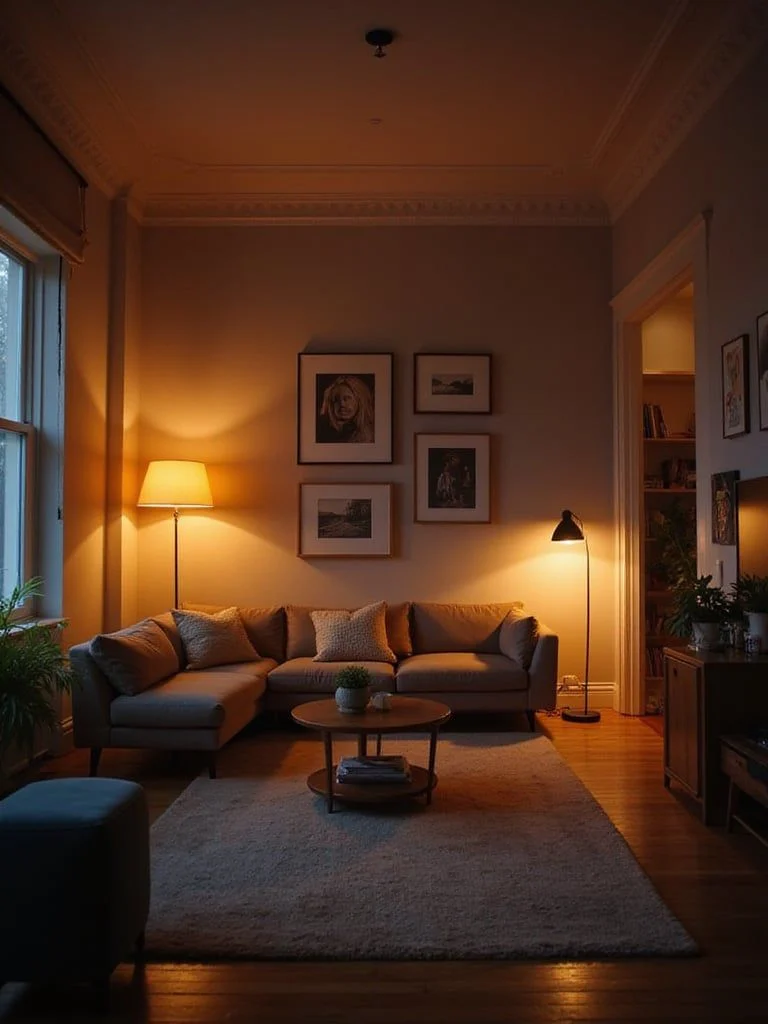
Layered lighting combines three core elements—ambient, task, and accent—to give you control over brightness and mood throughout the day. In a bedroom, this approach prevents reliance on a single light source, which can feel either too dim or overly bright.
Ambient Lighting: The Foundation of Relaxing Bedroom Lighting Inspiration
Ambient light provides overall illumination and sets the baseline mood. Ceiling-mounted fixtures with dimmable LEDs are ideal because you can lower the wattage as bedtime approaches. Consider a recessed downlight with a frosted diffuser to spread light evenly without harsh glare.
Task Lighting: Function Meets Calm
Reading, dressing, or applying makeup requires focused light. Bedside table lamps with adjustable arms allow you to direct light where needed, while keeping the intensity low enough to maintain a soothing atmosphere. Opt for lampshades made from natural fibers, which diffuse light softly and complement the relaxing bedroom lighting inspiration theme.
Accent Lighting: Adding Depth and Interest
Accent lights highlight architectural features, artwork, or textured walls. LED strip lights tucked behind a headboard can create a subtle backlight, adding depth without overwhelming brightness. This gentle glow enhances the sense of sanctuary and aligns perfectly with modern home décor ideas.
Choosing Fixtures That Promote Calm
The right fixtures can reinforce the calming effect of your lighting scheme. Materials, shapes, and finishes all contribute to the visual weight of a light source.
Soft Materials and Organic Shapes
Fixtures crafted from wood, rattan, or matte metal finish with rounded edges diffuse light in a way that feels natural and comforting. A woven pendant lamp over the bed, for example, adds texture while casting a warm, filtered glow that enhances relaxing bedroom lighting inspiration.
Minimalist Designs for Modern Tranquility
Clean lines and unobtrusive silhouettes keep the focus on the light itself rather than the fixture. A sleek, brushed‑nickel wall sconce paired with a warm LED bulb can provide understated elegance, making the bedroom feel spacious and uncluttered.
For a deeper dive into material choices, check out our article on Vytex Windows vs Andersen Windows – In‑Depth Comparison for Modern Home Styling, which discusses how natural textures can elevate any room’s atmosphere.
Color Temperature and Bulb Choices
Not all white light is created equal. The term “color temperature” describes the hue of a light source on the Kelvin scale. For a bedroom designed around relaxing bedroom lighting inspiration, aim for bulbs in the 2700–3000K range for most fixtures.
Warm LEDs vs Traditional Incandescents
Modern warm‑white LEDs mimic the glow of classic incandescent bulbs but are far more energy‑efficient. They also tend to have a longer lifespan, meaning you won’t need frequent replacements—a practical benefit for any homeowner.
Dimmer Switches: Tailoring Light to the Moment
Installing dimmer switches gives you the power to shift from a bright, energizing setting to a low‑key, soothing glow with a simple slide. Pair dimmers with smart bulbs that can be programmed via an app to gradually dim as you approach bedtime, reinforcing the relaxing bedroom lighting inspiration you’ve curated.
Need more ideas on integrating natural light? Explore our guide on Natural Light Home Styling Ideas: Brighten Every Room for complementary strategies that bring daylight deeper into your interior spaces.
Smart Controls and Automation for Seamless Relaxation
Technology can enhance the simplicity of a well‑designed lighting plan. Smart bulbs, voice‑controlled assistants, and motion sensors allow you to adjust illumination without leaving the comfort of your bed.
Voice‑Activated Lighting
Integrate your lights with platforms like Amazon Alexa or Google Assistant. A simple command—“Dim the bedroom lights to 30%”—creates an instant calming environment, especially useful for those moments when you’re already in pajamas.
Scheduled Routines
Program your lights to follow a sunset‑inspired schedule: brighter, cooler light in the early evening for reading, transitioning to warm, low‑intensity light an hour before sleep. This automated rhythm supports the body’s natural processes, making your relaxing bedroom lighting inspiration both effortless and effective.
Motion‑Activated Nightlights
A discreet nightlight that activates only when you get up can guide you safely without disrupting the overall ambiance. Choose a fixture that emits a soft amber hue, keeping the room’s calming vibe intact.
Decorating Around Light: Textiles, Colors, and Layout
Lighting doesn’t exist in a vacuum; surrounding décor influences how light is perceived. The right colors, textures, and furniture placement can amplify the soothing qualities of your illumination.
Soft Fabrics and Light‑Reflective Surfaces
Introduce plush bedding, linen curtains, and a woven rug to bounce gentle light around the room. Light‑reflective surfaces, such as a matte-finished wooden headboard, create a warm glow that reinforces the relaxing bedroom lighting inspiration you’re aiming for.
Strategic Furniture Placement
Position reading chairs near a floor lamp to create a dedicated nook that receives focused light without spilling into the rest of the space. This arrangement keeps the primary sleeping area dimmer, preserving a tranquil environment.
For small‑space solutions, see our article on Small Living Room Furniture Arrangement Ideas for Cozy Spaces, which offers tips that translate well to compact bedrooms.
Quick Tips for Instantly Calmer Bedrooms
- Install dimmable LED bulbs in the 2700–3000K range for all fixtures.
- Use a bedside lamp with a fabric shade to diffuse light gently.
- Incorporate a warm‑white LED strip behind the headboard for a subtle backlight.
- Program a nightly dimming schedule using smart bulbs or a timer.
- Choose natural materials—rattan, wood, linen—to enhance the soothing aesthetic.
Common Mistakes to Avoid
Even with the best intentions, certain pitfalls can undermine your relaxing bedroom lighting inspiration plan.
- Over‑lighting: Too many bright sources create glare and can keep the mind alert.
- Ignoring color temperature: Cool‑white bulbs in the evening can suppress melatonin.
- Using harsh, reflective fixtures: Mirrors and glossy metals bounce light sharply, disrupting a calm atmosphere.
- Forgetting dimmers: Fixed‑intensity lights limit flexibility and reduce the room’s adaptability to different activities.
- Neglecting layer balance: Relying solely on ambient light leaves no focused illumination for reading or dressing.
Frequently Asked Questions
What is the ideal brightness level for a relaxing bedroom?
A comfortable brightness for relaxation typically falls between 100–200 lux at eye level. Using dimmable fixtures allows you to adjust within this range based on personal preference and time of day.
Can I use smart bulbs with existing switches?
Yes, most smart bulbs are compatible with standard screw‑in bases and can be controlled via an app or voice assistant, even when using traditional wall switches.
Is it better to have multiple light sources or a single central fixture?
Multiple sources provide flexibility and reduce harsh shadows, making it easier to create a layered, calming environment. A single fixture often results in uneven illumination.
How do I choose the right lamp shade for a relaxing effect?
Opt for shades made from natural fabrics like linen or cotton that diffuse light evenly. Avoid clear glass or metal shades, which can project glare.
Do I need blackout curtains if I have good lighting control?
Blackout curtains are useful for blocking external light, especially for shift workers or light‑sensitive sleepers. Pair them with layered lighting for optimal control.
Can I incorporate color-changing lights without disrupting relaxation?
If you enjoy occasional ambiance, choose a smart bulb that offers warm‑white presets for daily use and a soft amber or pastel hue for mood lighting. Keep color cycles subtle to maintain a calming environment.
By addressing these common concerns, you can refine your approach to relaxing bedroom lighting inspiration and avoid setbacks that compromise tranquility.
Conclusion
Designing a bedroom that encourages rest and rejuvenation is less about flashy statements and more about thoughtful, layered illumination. By understanding the impact of color temperature, selecting fixtures that exude calm, and leveraging smart technology, you can craft a space that feels both modern and deeply soothing. Remember to balance ambient, task, and accent lighting, choose warm‑white bulbs, and integrate natural textures to amplify the effect. As you experiment with these ideas, you’ll discover a personalized lighting palette that supports both your lifestyle and your wellbeing. Explore more design inspiration on The Homara, and let your bedroom become the ultimate retreat you’ve always envisioned.