

Table of Contents
- Understanding acrylic vs lacquer kitchen cabinets
- Why acrylic vs lacquer kitchen cabinets matters for resale value
- Durability and maintenance considerations
- Design aesthetics and style flexibility
- Cost comparison and budgeting
- Environmental impact and health factors
- Installation and DIY friendliness
- Quick Tips for Choosing Between Acrylic and Lacquer
- Common Mistakes to Avoid
- Frequently Asked Questions
- Conclusion
Acrylic vs Lacquer Kitchen Cabinets – Which Finish Wins for Modern Homes
Choosing the right cabinet finish is one of the most impactful decisions you’ll make during a kitchen remodel. The surface you select not only defines the visual tone of the space but also dictates how the cabinets will age, how easy they are to clean, and even how they affect indoor air quality. Two of the most popular options on today’s market are acrylic and lacquer finishes. Both promise a sleek, contemporary look, yet they differ dramatically in composition, durability, cost, and environmental footprint.
In this comprehensive guide we’ll break down acrylic vs lacquer kitchen cabinets from every angle that matters to homeowners, renters, and interior‑design enthusiasts. By the end of the article you’ll know which finish aligns with your budget, lifestyle, and design aspirations, and you’ll feel confident selecting the perfect cabinets for your next remodel.
Whether you’re updating a cramped city apartment kitchen or designing a sprawling suburban culinary haven, understanding the nuances of each finish will help you avoid costly mistakes and achieve a polished, lasting result.
Understanding acrylic vs lacquer kitchen cabinets
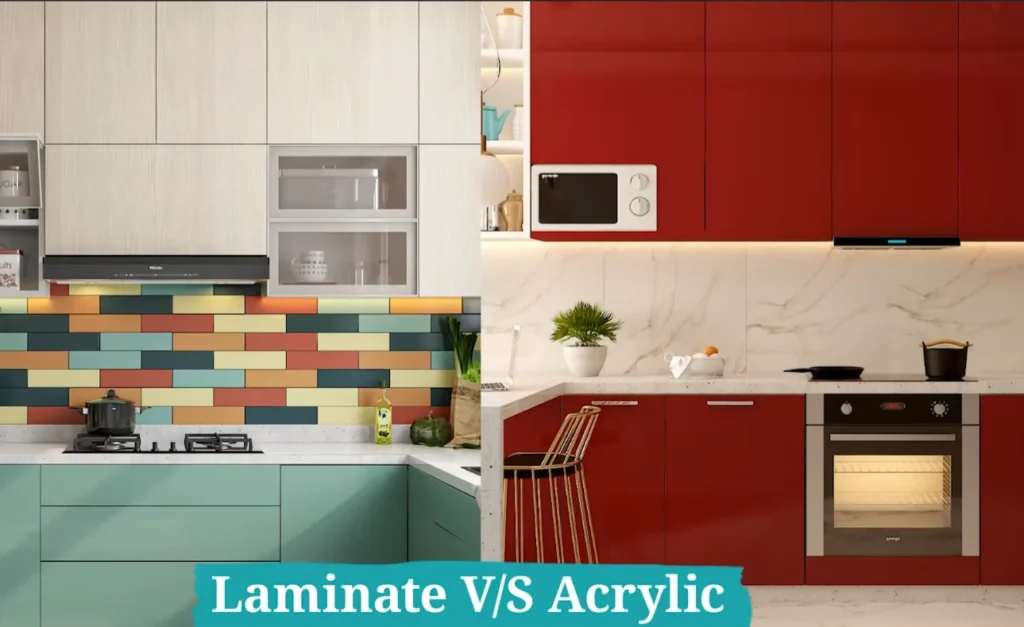
The first step in the decision‑making process is to know what each finish actually is. Acrylic cabinets are coated with a water‑based polymer that forms a thin, flexible film over the wood or MDF substrate. This film is typically applied in multiple layers and cured at low temperatures, which preserves the integrity of the underlying material. Acrylic finishes are renowned for their high‑gloss, “glass‑like” appearance, and they tend to retain color vibrancy even after years of exposure to light.
Lacquer, on the other hand, is a solvent‑based coating that dries through rapid evaporation, leaving a hard, glossy shell. Traditional lacquer is made from nitrocellulose, though modern formulations may incorporate acrylic or polyurethane resins for added durability. The result is a finish that feels slightly thicker to the touch and offers a classic, deep sheen that many designers associate with high‑end cabinetry.
Both finishes can be customized with a wide palette of colors, from muted greys to bold jewel tones, but the application process and end‑product characteristics set them apart in meaningful ways.
Why acrylic vs lacquer kitchen cabinets matters for resale value
Potential homebuyers often notice cabinet finish before they even step into the living room. Acrylic finishes convey a modern, “new‑construction” vibe, which can be especially attractive in markets that favor contemporary aesthetics. Lacquer, with its slightly more traditional sheen, may appeal to buyers who appreciate a timeless look. In either case, a well‑executed finish—free of blemishes, bubbles, or uneven gloss—adds perceived quality and can boost resale value by several percentage points, according to industry surveys.
Durability and maintenance considerations

When evaluating durability, think about the daily wear and tear your cabinets will endure. Acrylic finishes are highly resistant to scratches and minor impacts because the polymer film flexes rather than cracking. They also repel water and stains, making them a solid choice for busy kitchens where splashes are inevitable. A simple wipe with a mild detergent is usually enough to keep them looking fresh.
- Scratch resistance: High for acrylic; moderate for lacquer.
- Moisture protection: Excellent on acrylic; decent on lacquer but may require resealing over time.
- Heat tolerance: Both finishes can handle typical kitchen temperatures, but direct contact with hot pans should be avoided.
Lacquer finishes, while hard and glossy, are more susceptible to chipping if the cabinet edges are struck. However, lacquer can be sanded and refinished relatively easily, giving you a DIY option to restore the surface without replacing the entire cabinet. For homeowners who enjoy periodic touch‑ups, lacquer offers a level of reparability that acrylic does not.
In high‑traffic homes with children or pets, acrylic’s forgiving nature may translate to fewer visible imperfections over the long term.
Design aesthetics and style flexibility

Both acrylic and lacquer can achieve high‑gloss, matte, or satin finishes, but each has a distinct visual language. Acrylic’s glass‑like sheen creates an ultra‑modern, almost reflective surface that can make a small kitchen appear larger—a trick many designers love. Because the finish is thinner, it often reveals the grain of the underlying wood or MDF more clearly, adding subtle texture to the overall look.
Lacquer, especially when applied in multiple coats, yields a deeper, richer depth of color. The finish can appear more “solid” and less reflective, which works well in kitchens aiming for a sleek yet warm ambiance. Lacquer also handles color gradients and metallic pigments exceptionally well, opening up creative possibilities for accent cabinets or bold backsplashes.
When choosing between the two, consider the surrounding elements:
- Countertop material: High‑gloss acrylic pairs beautifully with quartz or marble that also features reflective surfaces.
- Hardware style: Minimalist, brushed‑nickel pulls complement acrylic, while antique brass can soften lacquer’s sheen.
- Lighting: Strong under‑cabinet lighting enhances acrylic’s shine, whereas softer ambient lighting works well with lacquer’s richer tones.
For inspiration on how lighting can transform your space, check out our Relaxing Bedroom Lighting Inspiration guide, which offers tips that easily translate to kitchen environments.
Cost comparison and budgeting
Budget is often the deciding factor in any remodel, and acrylic vs lacquer kitchen cabinets reflect distinct price points. Acrylic finishes typically cost a bit more per linear foot because the application process requires a controlled environment and specialized equipment to ensure an even, bubble‑free coat. Expect an additional $20‑$30 per linear foot on top of the base cabinet cost.
Lacquer is generally more affordable, especially when sourced from mass‑production manufacturers. The material cost is lower, and the finishing process can be faster, reducing labor expenses. However, if you anticipate future refinishing, you may need to allocate a modest budget for sanding and re‑coating later on.
Here’s a quick cost breakdown:
- Base cabinet (stock): $150‑$250 per linear foot.
- Acrylic finish: +$20‑$30 per linear foot.
- Lacquer finish: +$10‑$20 per linear foot.
- Potential refinishing (lacquer): $5‑$10 per linear foot every 5‑7 years.
When planning your budget, remember that the finish is an investment in durability and aesthetics. A slightly higher upfront cost for acrylic may pay off in reduced maintenance and a longer lifespan.
Environmental impact and health factors
Eco‑conscious homeowners should examine the environmental footprint of each finish. Acrylic coatings are water‑based, meaning they emit lower levels of volatile organic compounds (VOCs) during application. This makes them a healthier choice for indoor air quality, especially in tight‑fit apartments where ventilation is limited.
Lacquer traditionally relies on solvent‑based chemicals that release higher VOCs, contributing to indoor pollution and requiring thorough ventilation during installation. Some manufacturers now offer low‑VOC lacquer formulations, but they may still lag behind acrylic in terms of overall environmental performance.
If sustainability is a priority, look for certifications such as GreenGuard or GREENGUARD Gold on acrylic products. These labels indicate compliance with strict indoor air quality standards. Additionally, consider the end‑of‑life scenario: acrylic finishes can be more readily recycled with the substrate, whereas lacquer may require special disposal methods due to its solvent content.
Installation and DIY friendliness
For the handy homeowner, the ease of installation can tip the scales. Acrylic finishes are typically applied in a factory setting, arriving at your door ready to mount. This “pre‑finished” approach reduces on‑site labor and the risk of damaging the finish during handling.
Lacquer cabinets, especially those from custom shops, may be delivered unfinished, giving you the option to apply the finish yourself. The process involves sanding, priming, and spraying lacquer in a well‑ventilated space—a task that demands proper safety gear and some experience with spray equipment. However, if you’re comfortable with a paint sprayer, applying lacquer can be a rewarding DIY project that saves money.
Regardless of the finish, proper cabinet alignment, secure fastening, and careful handling are critical to maintain the integrity of the surface. If you’re unsure, hiring a professional installer can ensure a flawless result and protect any warranty you may have on the finish.
Quick Tips for Choosing Between Acrylic and Lacquer
- Assess your kitchen’s traffic level—high‑use areas benefit from acrylic’s scratch resistance.
- Match the finish to your lighting plan; acrylic shines under bright LED strips, lacquer offers a softer glow.
- Consider long‑term maintenance; lacquer can be sanded and refinished, acrylic is more “set‑and‑forget.”
- Check for low‑VOC certifications if indoor air quality is a concern.
- Factor in budget—lacroque may lower upfront costs but could require future refinishing.
Common Mistakes to Avoid
Even with the best intentions, many homeowners stumble over a few predictable pitfalls when selecting cabinet finishes. One frequent error is assuming that a high‑gloss finish will automatically make a small kitchen feel larger. While acrylic’s reflective surface can create an illusion of space, over‑doing it in a cramped area may result in a blinding glare. Balance glossy cabinets with matte countertops or textured backsplashes to maintain visual comfort.
Another mistake is neglecting edge protection. Both acrylic and lacquer can chip along cabinet edges if not properly sealed. Investing in edge‑banding or a clear protective coat can extend the life of the finish dramatically.
Lastly, many DIYers skip proper surface preparation before applying lacquer. A dusty, oily, or uneven substrate will cause the lacquer to adhere poorly, leading to peeling or bubbling. Even when using pre‑finished acrylic cabinets, inspect the surface for any transport damage before installation.
Frequently Asked Questions
Is acrylic or lacquer better for a kitchen with kids?
Acrylic generally offers superior scratch resistance and a more forgiving surface, making it a practical choice for families with active children. Lacquer can still perform well, but it may show dents and chips more readily.
Can I repaint lacquer cabinets later?
Yes. Lacquer can be sanded and refinished, allowing you to change colors or refresh the shine. The process requires proper sanding and a new coat of lacquer, which can be done by a professional or a skilled DIYer.
Do acrylic cabinets emit any odors?
Because acrylic finishes are water‑based, they emit minimal odor compared to solvent‑based lacquer. Any slight smell typically dissipates within a few hours of installation, especially with good ventilation.
How does the finish affect cabinet lifespan?
Both finishes can last 10‑15 years or more with proper care. Acrylic’s flexibility helps prevent cracking, while lacquer’s hardness provides a tough protective layer. Maintenance habits—like regular cleaning and avoiding abrasive cleaners—are the biggest determinants of longevity.
Which finish pairs best with quartz countertops?
Acrylic’s high‑gloss surface mirrors the sleekness of quartz, creating a cohesive, modern look. If you prefer a subtler contrast, lacquer’s deeper sheen can complement the natural veining of quartz without competing for attention.
Conclusion
Deciding between acrylic and lacquer kitchen cabinets ultimately hinges on your priorities—whether that’s durability, budget, environmental impact, or aesthetic vision. Acrylic offers a low‑VOC, highly resistant surface that maintains its shine with minimal upkeep, making it ideal for contemporary, high‑traffic kitchens. Lacquer delivers a classic, richly colored finish that can be refreshed over time, appealing to homeowners who enjoy a hands‑on approach to maintenance and a slightly more traditional look.
Take the time to assess your kitchen’s daily demands, lighting, and overall design scheme. Use the quick tips and common‑mistake guidelines provided here to steer clear of pitfalls, and don’t hesitate to consult a professional installer if you’re unsure about the best application method. With the right choice, your cabinets will become a lasting centerpiece that elevates both function and style in your home.
Ready to explore more design ideas? Dive into our small living room furniture arrangement guide for inspiration on creating harmonious spaces throughout your home.