
Table of Contents
- small living room furniture arrangement ideas: The foundation of functional style
- small living room furniture arrangement ideas for multipurpose zones
- Choosing the right scale: Furniture that fits without overwhelming
- Strategic use of vertical space
- Color, texture, and lighting: Making the space feel larger
- Smart storage solutions that double as décor
- Quick Tips for Immediate Impact
- Common Mistakes and How to Avoid Them
- Frequently Asked Questions
- What is the best sofa shape for a small living room?
- Can I use a rug in a tiny living room without making it look crowded?
- How do I make a small living room feel taller?
- Is it okay to mix different wood tones in a small room?
- Should I prioritize style over function in a limited space?
Small Living Room Furniture Arrangement Ideas for Cozy Spaces
Living in an apartment or a compact house often means wrestling with limited square footage, especially when it comes to the living room. Yet a smaller footprint doesn’t have to translate into a cramped, uninspired space. With thoughtful planning, the right furniture choices, and a few clever visual tricks, you can turn even the tiniest living area into a functional, welcoming hub for relaxation and entertaining.
In this guide we’ll walk through a range of small living room furniture arrangement ideas that blend modern design sensibility with practical solutions. Whether you’re a first‑time renter, a seasoned homeowner, or simply looking to refresh a modest lounge, you’ll find actionable tips that respect your floor plan while elevating the overall aesthetic.
small living room furniture arrangement ideas: The foundation of functional style

Before you start moving pieces around, take a moment to assess the room’s natural flow. Identify the focal point—often a window, a fireplace, or a media wall—and let that dictate the primary layout. In many small living rooms, a single, well‑placed piece of furniture can anchor the space and create a sense of balance.
One effective approach is the “floating furniture” method, where sofas and chairs are positioned away from the walls, leaving a clear path for traffic. This not only maximizes walkable area but also gives the illusion of a larger room. Pair floating seating with a slim console table or a narrow media console to keep the visual weight low.
- Measure the room and draw a simple floor plan on graph paper.
- Mark the location of doors, windows, and any built‑in features.
- Place the biggest piece (usually a sofa) first, then fill in around it.
small living room furniture arrangement ideas for multipurpose zones
When square footage is at a premium, each area should serve more than one purpose. A daybed that doubles as a guest bed, an ottoman with hidden storage, or a coffee table that expands for dining can all be integrated into your layout. Position the daybed near a window to capture natural light, and use a lightweight screen to separate the sleeping zone from the lounging zone when needed.
Consider a modular sofa system that can be re‑configured as a sectional, a chaise, or individual seats. This flexibility allows you to adapt the arrangement for movie nights, game evenings, or a quick work‑from‑home setup without overcrowding the room.
Choosing the right scale: Furniture that fits without overwhelming

Scale is the silent hero of any small‑room design. Oversized couches, bulky coffee tables, and towering bookshelves can dominate a modest living room, making it feel boxed in. Instead, opt for pieces with a lower profile and slimmer legs. Furniture that sits on legs creates a sense of openness because more floor is visible.
When selecting a sofa, look for a depth of 30‑34 inches and a length that doesn’t exceed the room’s width by more than a foot. A two‑seat sofa or a loveseat often works better than a full‑size three‑seat option. For coffee tables, a rectangular or oval shape with a glass top can keep the visual weight light while still providing surface space.
Don’t overlook the power of nesting tables. A set of small, stackable side tables can be spread out when entertaining guests and tucked away when you need more floor space. These flexible pieces align perfectly with the small balcony cozy reading corner – design ideas & practical tips approach of using multi‑functional furniture to maximize utility.
Strategic use of vertical space
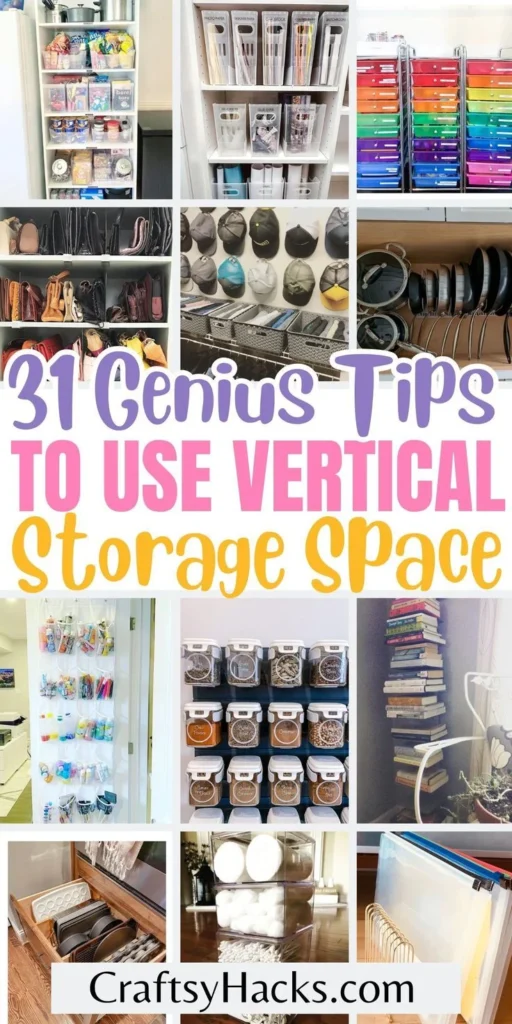
When floor area is limited, think upward. Tall, narrow bookcases, wall‑mounted shelving, and vertical storage units draw the eye upward, creating the impression of higher ceilings. Install floating shelves at varying heights to break up the wall without cluttering it.
Artwork and mirrors also benefit from vertical placement. A large mirror on a side wall reflects light and expands the perceived dimensions of the room. Pair the mirror with a slim console that holds decorative items and a lamp, keeping the overall silhouette slender.
- Choose wall shelves that are no deeper than 8‑10 inches.
- Use a mix of open shelving and closed cabinets for balanced storage.
- Hang pendant lighting at varying heights to add depth.
Color, texture, and lighting: Making the space feel larger
Light, neutral palettes are classic allies in small rooms because they reflect more light, making the area feel airy. Soft grays, warm beiges, and muted blues work well as base colors. Introduce texture through throw pillows, area rugs, and fabric finishes to add visual interest without adding bulk.
Lighting is equally critical. Layered illumination—ambient ceiling lights, task lamps, and accent lighting—helps define zones and prevents the room from feeling flat. A floor lamp with a thin, elongated silhouette can provide reading light while occupying minimal floor space.
For a subtle pop of personality, incorporate a bold accent wall or a striking piece of art. The Wall Décor with Simple Grid Frames – A Modern Styling Guide demonstrates how a grid of modest frames can add rhythm to a small wall without overwhelming it.
Smart storage solutions that double as décor
Every square inch counts, so integrate storage into the furniture itself. An ottoman with a removable lid can conceal blankets, magazines, or children’s toys. A media console that includes drawers or cabinets hides cables, remote controls, and gaming accessories.
Consider built‑in niches or window seats with hidden compartments. These custom solutions blend seamlessly with the architecture and eliminate the need for freestanding storage units that can block pathways. When selecting storage, prioritize pieces with clean lines and minimal hardware to keep the visual field uncluttered.
For those who love a modern, sleek finish, the nucore vs coretec: Which Luxury Vinyl Plank Wins for Modern Homes article offers insight into flooring options that complement low‑profile furniture while providing durability and easy maintenance.
Quick Tips for Immediate Impact
- Use a rug that’s slightly smaller than the seating area to expose more floor.
- Replace heavy curtains with sheer panels to let natural light flow.
- Swap out a bulky coffee table for a round or oval one to improve traffic flow.
- Add a single, oversized floor lamp rather than multiple table lamps to free up surface space.
- Keep décor minimal—choose three statement pieces rather than many small items.
Common Mistakes and How to Avoid Them
Even seasoned decorators can fall into traps when dealing with compact spaces. One frequent error is over‑furnishing—filling every empty corner with a piece of furniture. Resist the urge; negative space is an essential design element that allows the eye to rest.
Another pitfall is ignoring traffic flow. Ensure there’s at least 30 inches of clearance between furniture and doorways to allow smooth movement. Finally, avoid dark, heavy colors on all walls; instead, use a lighter hue on three walls and reserve a single wall for a deeper accent to create depth without shrinking the room.
Frequently Asked Questions
What is the best sofa shape for a small living room?
A compact, low‑back sofa with clean lines works best. A loveseat or a two‑seat sectional offers comfort without dominating the floor plan. Choose a model with exposed legs to keep the visual weight light.
Can I use a rug in a tiny living room without making it look crowded?
Yes—select a rug that is slightly smaller than the seating area so the floor remains visible around the edges. A neutral or subtle pattern will add warmth without overwhelming the space.
How do I make a small living room feel taller?
Vertical storage, tall floor lamps, and mirrors placed near the ceiling draw the eye upward. Paint the ceiling a light shade and avoid heavy, dark colors on the upper walls.
Is it okay to mix different wood tones in a small room?
Mixing wood tones can add depth, but keep the palette cohesive by staying within the same color family (e.g., warm oak and light walnut). Balance with neutral fabrics to prevent visual clutter.
Should I prioritize style over function in a limited space?
Function should come first because a stylish room that’s uncomfortable or impractical defeats the purpose. Once you have a functional layout, incorporate style through accessories, color, and texture.
By applying these small living room furniture arrangement ideas, you’ll discover that limited square footage can actually inspire creative solutions rather than restrict them. Start by mapping your space, choose appropriately scaled pieces, and employ vertical storage and strategic lighting. Remember, every element should serve both an aesthetic and practical purpose, turning your modest lounge into a harmonious blend of comfort and modern design.