
Table of Contents
- Why Different Wood Floors in Adjoining Rooms Can Work
- Choosing Complementary Wood Species and Colors
- How to Match Undertones for Different Wood Floors in Adjoining Rooms
- Transition Strips: The Unsung Heroes
- Types of Transition Strips for Different Wood Floors in Adjoining Rooms
- Design Strategies for Open‑Plan Living
- Zoning Without Walls
- Practical Considerations: Durability, Maintenance, and Cost
- Choosing the Right Finish for Each Room
- Quick Tips for Seamless Floor Transitions
- Common Mistakes to Avoid
- Frequently Asked Questions
- Can I use different wood species in rooms that share the same wall?
- What is the best way to hide a height difference between two wood floors?
- Is it okay to use a darker floor in a small bedroom next to a lighter hallway?
- Do I need a professional installer for mixed wood flooring?
- How often should I refinish wood floors that are different in adjacent spaces?
- Can I use radiant floor heating under two different wood floors?
Different Wood Floors in Adjoining Rooms – Seamless Design Tips
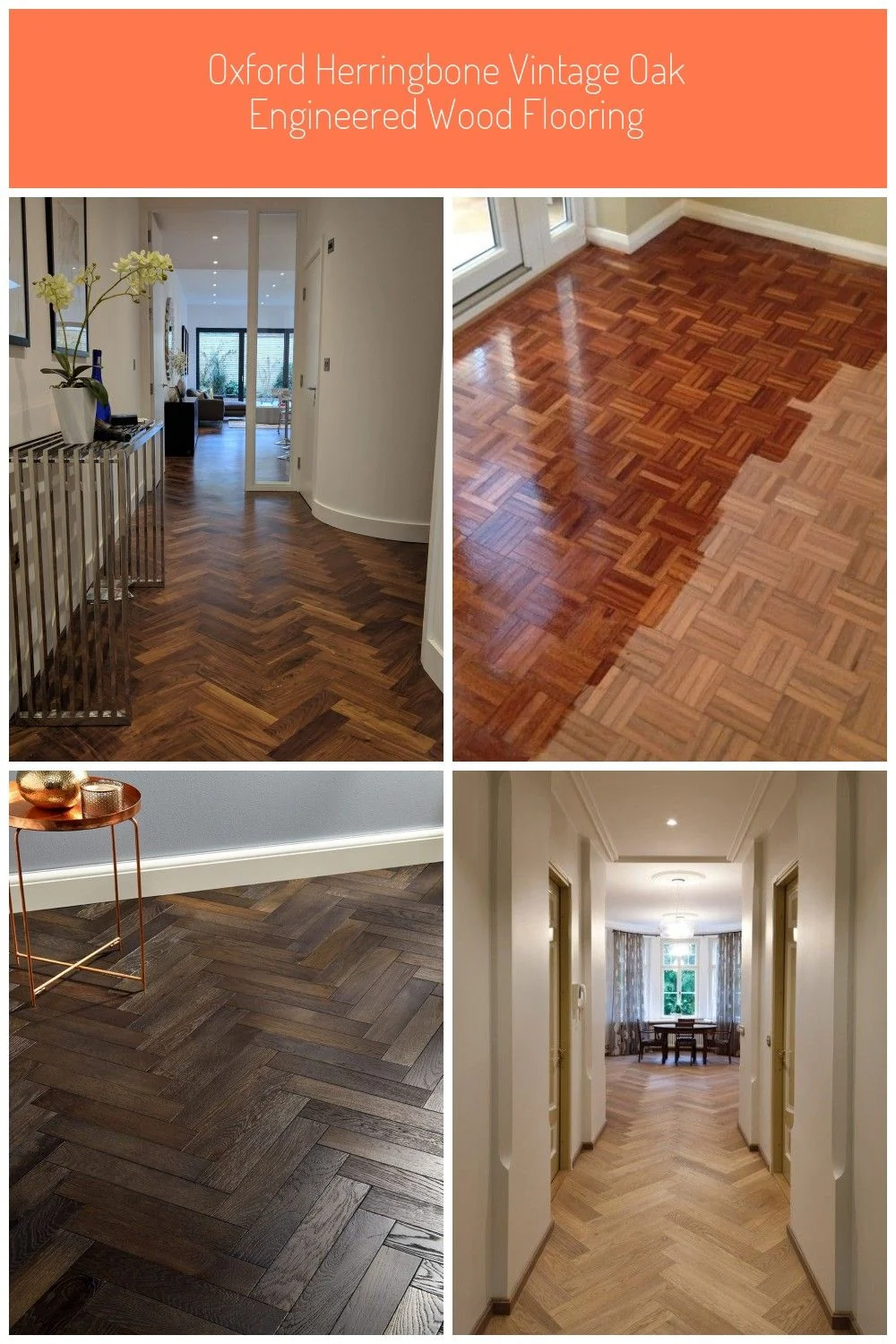
Choosing wood flooring is one of the most impactful decisions you’ll make when styling a home. The warmth, texture, and timeless appeal of wood can define a space, but what happens when two rooms that share a doorway each call for a distinct wood floor? This scenario is more common than you might think, especially in open‑plan homes where the living room, kitchen, and bedroom each have unique functional needs and aesthetic goals.
In this article we’ll explore the art and science of using different wood floors in adjoining rooms. You’ll learn how to preserve visual continuity, avoid jarring transitions, and select finishes that complement each other while still allowing each space to shine. Whether you’re a homeowner planning a renovation, a renter looking for temporary solutions, or a design enthusiast craving inspiration, the strategies below will help you create a harmonious flow from one room to the next.
Why Different Wood Floors in Adjoining Rooms Can Work
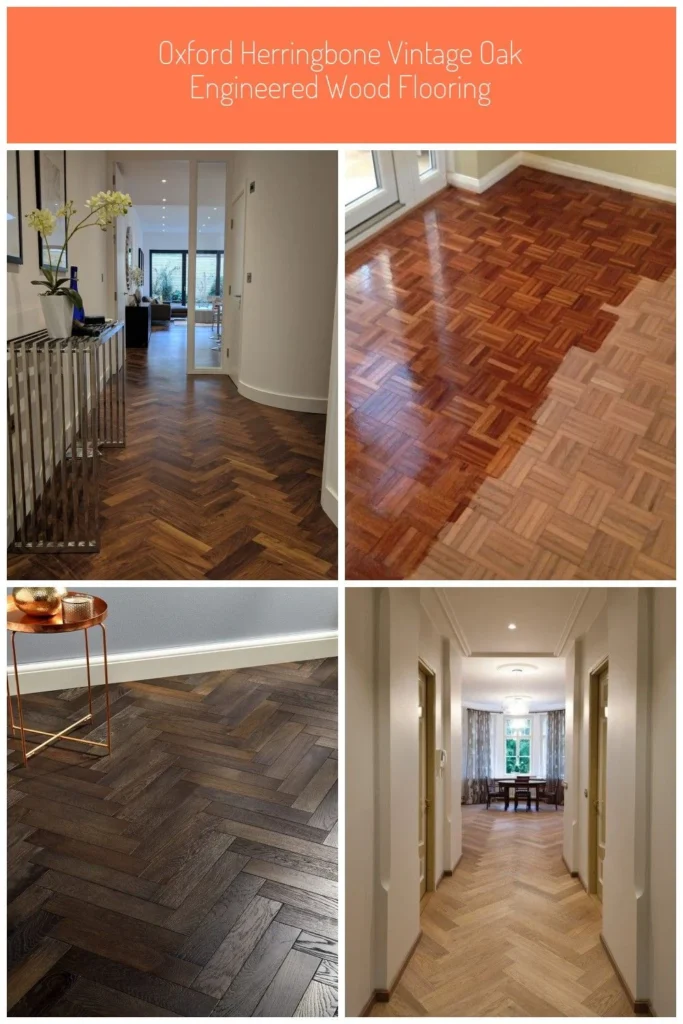
At first glance, the idea of mixing wood species, colors, or patterns across a hallway or open plan might feel risky. However, intentional contrast can actually enhance the architecture of a home. Different wood floors can:
- Define functional zones without the need for walls or furniture partitions.
- Highlight the character of each room—darker, richer tones in a cozy bedroom, lighter, brighter finishes in a kitchen.
- Add visual interest and a sense of curated design, showing that each space was thoughtfully considered.
The key is to manage the transition so that the eye moves smoothly from one surface to another. This is where the concept of different wood floors in adjoining rooms becomes a design tool rather than a mistake.
Choosing Complementary Wood Species and Colors
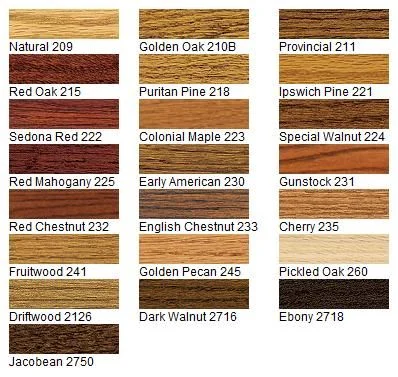
When you plan to install different wood floors in adjoining rooms, start by selecting wood species that share a common undertone. For example, a warm‑toned oak in the living area pairs beautifully with a slightly cooler, but still oak‑based, engineered plank in the adjacent dining space. This subtle harmony keeps the overall palette cohesive.
How to Match Undertones for Different Wood Floors in Adjoining Rooms
- Identify the dominant hue. Look at the existing cabinetry, wall paint, or textiles. If the kitchen cabinets are a soft gray, a light maple floor with a neutral undertone will echo that coolness.
- Use the 60‑30‑10 rule. Let 60% of the visual weight be the main floor’s color, 30% the complementary floor, and 10% accent pieces (rugs, furniture) that bridge the two.
- Consider grain direction. Running the grain parallel in both rooms can create a subtle line of continuity even if the wood tones differ.
Even when you decide to go bold—say, a dark walnut in a home office next to a honey‑colored pine in a family room—balancing the undertones prevents the transition from feeling abrupt.
Transition Strips: The Unsung Heroes

Transition strips are the practical solution that make different wood floors in adjoining rooms look intentional. A well‑chosen strip can act as a design element, reinforcing the relationship between the two surfaces.
Types of Transition Strips for Different Wood Floors in Adjoining Rooms
- T‑molding. Ideal when the height difference between floors is minimal. Choose a metal or wood‑tone that mirrors the lighter floor for subtlety.
- Reducer. Perfect for stepping down from a thicker, darker floor to a thinner, lighter one. The gradual slope eases the visual shift.
- Threshold. A simple, flat piece that can be painted or stained to match either side, creating a seamless visual bridge.
When installing a reducer, consider a finish that picks up the grain of the darker floor, subtly nodding to the room you’re leaving behind.
Design Strategies for Open‑Plan Living
Open‑plan layouts often present the greatest challenge—and opportunity—for using different wood floors in adjoining rooms. Without walls to delineate zones, the floor becomes the primary visual cue.
Zoning Without Walls
- Vary the floor tone. A slightly lighter shade under the kitchen island signals a functional shift while keeping the overall wood theme.
- Introduce area rugs. A rug anchored in the living area can soften the transition, making the change in floor less jarring.
- Play with furniture placement. Position a sofa or console that aligns with the edge of the floor change, reinforcing the new zone.
For inspiration on how to blend textures, see our article on cozy apartment décor with soft textures. The principles of layering textures translate well to flooring decisions as well.
Practical Considerations: Durability, Maintenance, and Cost
Beyond aesthetics, the functional aspects of different wood floors in adjoining rooms matter. Kitchens demand higher durability, while bedrooms can embrace softer finishes.
Choosing the Right Finish for Each Room
- High‑traffic areas (kitchen, hallway). Opt for a polyurethane‑based finish with a higher sheen to resist spills and scratches.
- Low‑traffic zones (bedroom, study). A matte or satin finish showcases the natural grain and offers a relaxed feel.
- Eco‑friendly options. Consider low‑VOC finishes that are safe for indoor air quality, especially important in spaces where you spend a lot of time.
Cost can also be balanced by mixing solid hardwood in a focal room with engineered plank in a secondary space. Engineered wood often mimics the look of solid wood at a fraction of the price, making it an excellent choice for different wood floors in adjoining rooms where budget is a factor.
Quick Tips for Seamless Floor Transitions
- Test samples side‑by‑side in natural light before committing.
- Maintain a consistent grain direction across both rooms to create visual flow.
- Use transition strips that match the lighter floor for a softer appearance.
- Incorporate a unifying element—such as a rug or furniture finish—to tie the rooms together.
- Consult a professional installer to ensure height differences are addressed properly.
Common Mistakes to Avoid
Even seasoned designers can slip up when dealing with different wood floors in adjoining rooms. Here are the most frequent pitfalls and how to sidestep them:
- Ignoring lighting. Dark floors can look even darker under low light, making a transition feel oppressive. Balance with ample lighting fixtures.
- Choosing clashing undertones. A warm red oak next to a cool blue‑gray ash can create visual dissonance. Stick to undertones that share at least one common hue.
- Skipping transition strips. A bare gap not only looks unfinished but also creates a trip hazard.
- Over‑matching. Using the exact same wood tone in both rooms defeats the purpose of zoning. Aim for subtle contrast, not identical replication.
Frequently Asked Questions
Can I use different wood species in rooms that share the same wall?
Yes, but ensure the species share similar undertones or grain patterns. This creates a visual link while still allowing each room to have its own character.
What is the best way to hide a height difference between two wood floors?
Install a reducer or threshold strip that gradually slopes from the higher floor to the lower one. Choosing a strip that matches the lighter floor can make the transition appear seamless.
Is it okay to use a darker floor in a small bedroom next to a lighter hallway?
It can work if you balance the darkness with light‑colored walls and ample lighting. The contrast can actually make the bedroom feel more intimate while keeping the hallway airy.
Do I need a professional installer for mixed wood flooring?
While DIY is possible for simple layouts, a professional ensures proper subfloor preparation, accurate height transitions, and flawless finishing—especially important when dealing with different wood floors in adjoining rooms.
How often should I refinish wood floors that are different in adjacent spaces?
Refinishing frequency depends on traffic and finish type. High‑traffic areas may need sanding and refinishing every 5‑7 years, while low‑traffic rooms can go 10 years or more.
Can I use radiant floor heating under two different wood floors?
Yes, but choose wood species compatible with heat—typically engineered hardwood with a stable dimension. Verify the manufacturer’s guidelines for each floor type.
By thoughtfully selecting wood species, finishes, and transition accessories, you can turn the challenge of different wood floors in adjoining rooms into an opportunity for sophisticated, layered design. Remember that the goal is to guide the eye, maintain a sense of flow, and respect the functional demands of each space. When done right, the contrast becomes a defining feature that elevates the entire home.
Ready to experiment with your own floor plan? Start by gathering samples, visualizing the transition with a digital tool, and consulting with a flooring specialist. The result will be a home that feels both cohesive and uniquely yours—proof that even subtle design decisions can make a big impact.