
Table of Contents
- Resin vs Acrylic Tub: Material Overview
- Resin vs Acrylic Tub: Durability and Longevity
- Installation and Maintenance: What to Expect
- Design Flexibility and Aesthetic Appeal
- Resin vs Acrylic Tub: Color and Finish Options
- Cost Considerations and Value Retention
- Environmental Impact and Sustainability
- Quick Tips for Choosing the Right Tub
- Common Mistakes to Avoid When Installing a Tub
- Frequently Asked Questions
- Is a resin tub heavier than an acrylic tub?
- Can I use the same cleaning products for both resin and acrylic tubs?
- Which tub material offers better heat retention?
- Do resin tubs require more maintenance than acrylic tubs?
- Are there any design limitations with acrylic tubs?
- Which option is more environmentally friendly?
Resin vs Acrylic Tub: Which Is Best for Your Bathroom?
Choosing a bathtub is more than a matter of aesthetics; it directly influences comfort, durability, and long‑term value in your home. Two of the most popular materials on the market today—resin and acrylic—offer distinct benefits that can suit a wide range of design goals and budget constraints. Understanding how each material behaves in a real‑world bathroom environment helps homeowners avoid costly missteps and ensures the final look feels both cohesive and personal.
In this article we’ll unpack the essential factors that differentiate a resin tub from an acrylic tub. From structural strength and installation quirks to styling possibilities and environmental considerations, you’ll walk away with a clear roadmap for deciding which option aligns best with your lifestyle and design vision. Whether you’re renovating a master suite, updating a guest bathroom, or outfitting a small apartment, the insights here will guide you toward a confident, well‑informed purchase.
Resin vs Acrylic Tub: Material Overview
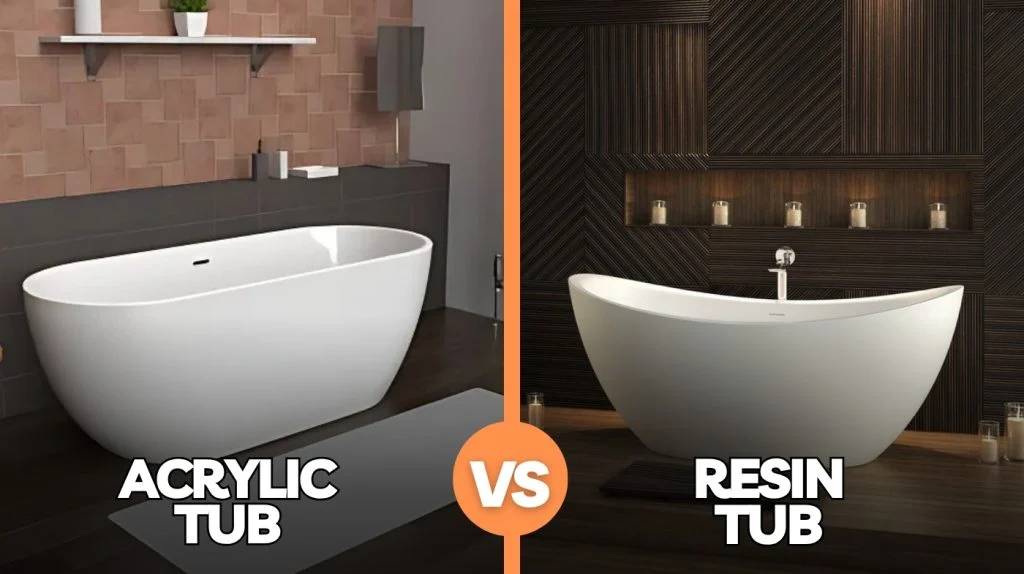
Both resin and acrylic tubs belong to the family of engineered stone, but their composition and manufacturing processes set them apart. An acrylic tub is typically made from a sheet of acrylic plastic that is thermo‑formed and reinforced with a fiberglass mesh. The result is a lightweight, glossy surface that feels warm to the touch. In contrast, a resin tub incorporates a blend of polyester or epoxy resin, powdered stone (often marble or quartz), and pigments. This mixture is poured into a mold and cured, creating a dense, stone‑like slab.
The key differences stem from density and porosity. Acrylic is less dense, making it easier to ship and install, while resin’s higher density provides a more solid feel and can better mimic natural stone patterns. Both materials are non‑porous, which means they resist water absorption, but resin’s tighter molecular structure typically offers superior stain resistance. Understanding these foundational traits is the first step in the resin vs acrylic tub decision‑making process.
Resin vs Acrylic Tub: Durability and Longevity
When it comes to durability, resin generally takes the lead. Its stone‑like composition can withstand heavier loads and is less prone to scratching. However, high‑quality acrylic tubs are engineered with a robust fiberglass reinforcement that can also endure daily use, especially when the surface is kept clean and free of abrasive cleaners. Acrylic’s flexibility makes it less likely to crack under impact, but over time, the surface may develop minor scratches that reveal a duller finish.
- Impact resistance: Resin is harder, acrylic is more flexible.
- Scratch resistance: Resin typically resists surface scratches better than acrylic.
- Heat tolerance: Both handle normal bath temperatures well; resin can handle slightly higher temperatures without warping.
Choosing between the two often hinges on how heavily the tub will be used and whether you value a stone‑like feel (resin) or a lighter, more pliable experience (acrylic). For high‑traffic family bathrooms, many homeowners lean toward resin for its long‑term resilience.
Installation and Maintenance: What to Expect
Installation is a practical consideration that can influence both cost and timeline. Acrylic tubs are lightweight, often weighing between 70 and 120 pounds, which makes them easier for a single installer to maneuver. They can be placed on a standard wood or concrete sub‑floor with minimal reinforcement. Resin tubs, on the other hand, can weigh 150 pounds or more, especially larger models, requiring additional support during installation to prevent sagging.
Maintenance routines for each material also differ. Acrylic’s glossy finish is simple to wipe down with a mild soap solution, but harsh chemicals can dull the surface over time. Resin’s matte or textured finish can hide minor water spots, yet it may require a specialized cleaner to maintain the stone‑like sheen. Both materials benefit from regular resealing—though resin often needs it less frequently due to its denser composition.
- Installation crew size: 1‑2 for acrylic, 2‑3 for resin.
- Required sub‑floor reinforcement: Minimal for acrylic, moderate for resin.
- Cleaning agents: Mild soap for acrylic; pH‑balanced stone cleaner for resin.
Homeowners who prioritize a quick, less labor‑intensive installation may gravitate toward acrylic, while those willing to invest a bit more time for a sturdier, stone‑like result might choose resin.
Design Flexibility and Aesthetic Appeal

From a design perspective, both resin and acrylic tubs offer a wealth of shape and color options, yet each material lends itself to different visual outcomes. Acrylic’s smooth, high‑gloss surface reflects light, making small bathrooms appear larger—a valuable trait for urban apartments. Resin, with its ability to incorporate crushed stone and pigments, can imitate the veining of natural marble, slate, or even concrete, delivering a high‑end look without the weight of genuine stone.
Because resin can be cast into complex shapes, designers often use it for freestanding, sculptural tubs that become the focal point of a bathroom. Acrylic, while also versatile, is more commonly found in classic alcove or drop‑in configurations that blend seamlessly with tile work. When planning a bathroom remodel, consider the overall style narrative: a sleek, minimalist space may benefit from acrylic’s reflective surface, whereas a luxurious spa‑like retreat might call for the depth and texture of a resin tub.
Resin vs Acrylic Tub: Color and Finish Options
Both materials support an extensive palette, but the way colors are achieved differs. Acrylic tubs are colored throughout the sheet, ensuring a uniform hue that won’t fade with surface wear. Resin tubs achieve color through pigmented stone aggregates, creating a more variegated, natural appearance. This means resin can hide minor scratches within its pattern, while acrylic may show uniform wear spots.
- Glossy finish: Predominantly acrylic.
- Matte/ textured finish: Common in resin.
- Custom veining: Easily replicated in resin using stone dust.
When matching a tub to existing bathroom tiles, consider how each finish interacts with grout lines and wall colors. A neutral acrylic tub pairs well with bold tile patterns, while a resin tub with subtle veining can complement a monochromatic scheme.
Cost Considerations and Value Retention
Budget is often the decisive factor in any remodel, and the price gap between resin and acrylic tubs reflects their material properties and manufacturing complexity. Acrylic tubs are generally more affordable, with entry‑level models ranging from $400 to $900. Mid‑range options sit between $900 and $1,500, while luxury acrylic designs can exceed $2,500. Resin tubs, due to their denser composition and more labor‑intensive casting process, typically start around $1,200 and can surpass $4,000 for high‑end, designer pieces.
However, cost should be weighed against long‑term value. Resin’s durability often translates into a longer lifespan, potentially reducing the need for replacement or major repairs. In resale scenarios, a well‑maintained resin tub can be a selling point, signaling premium quality. Acrylic, while cheaper upfront, may require more frequent refinishing or replacement after a decade of heavy use.
- Initial purchase price: Acrylic < $1,000; Resin $1,200‑$4,000+
- Installation labor: Slightly higher for resin due to weight.
- Resale appeal: Higher for resin when paired with upscale finishes.
Homeowners should calculate total cost of ownership, including installation, maintenance, and expected lifespan, to determine which option offers the best return on investment.
Environmental Impact and Sustainability
Eco‑conscious buyers often ask how resin and acrylic compare in terms of sustainability. Acrylic is a petroleum‑based plastic, and while it can be recycled, the process is not as widely available as for other materials. Resin, especially when formulated with natural stone powders and bio‑based polymers, can have a lower carbon footprint, particularly if manufacturers source recycled aggregates.
Both materials are durable and long‑lasting, meaning fewer replacements over time—an indirect environmental benefit. When evaluating green credentials, look for certifications such as Greenguard or ISO 14001, which indicate that the product meets specific environmental standards. Additionally, opting for a tub with a low VOC (volatile organic compounds) finish improves indoor air quality, an often‑overlooked aspect of bathroom design.
- Acrylic: Petroleum‑based, recyclable in limited facilities.
- Resin: Can incorporate recycled stone; lower VOC options available.
- Longevity: Both reduce waste through extended service life.
Choosing a product from a manufacturer that emphasizes sustainable sourcing and responsible manufacturing can make the resin vs acrylic tub decision align with broader eco‑friendly goals.
Quick Tips for Choosing the Right Tub
- Assess the bathroom size: Acrylic’s reflective surface can visually expand tight spaces.
- Consider usage intensity: High‑traffic homes benefit from resin’s superior scratch resistance.
- Match the finish to your design language: Glossy acrylic for modern minimalism; textured resin for spa‑like luxury.
- Check weight limits: Ensure the sub‑floor can support a heavy resin tub without additional reinforcement.
- Verify warranty terms: Longer warranties often indicate higher confidence in material durability.
Common Mistakes to Avoid When Installing a Tub
Even seasoned renovators can stumble when selecting and installing a bathtub. Here are a few pitfalls to watch out for:
- Ignoring floor load capacity: Installing a heavy resin tub on an inadequate sub‑floor can lead to sagging or cracks.
- Choosing the wrong sealant: Acrylic requires a silicone sealant that won’t degrade the surface; resin works best with polymer‑based sealants.
- Overlooking drainage compatibility: Both tub types need proper slope; misalignment can cause water pooling.
- Skipping a professional level check: An uneven floor can cause long‑term issues; a laser level ensures a perfectly flat installation surface.
- Neglecting after‑care instructions: Using abrasive cleaners on acrylic or acidic solutions on resin will damage the finish.
By planning ahead and consulting with a qualified installer, you can sidestep these errors and enjoy a seamless, long‑lasting bathtub experience.
Frequently Asked Questions
Is a resin tub heavier than an acrylic tub?
Yes. Resin tubs typically weigh 150 lb or more for a standard size, whereas acrylic tubs range from 70 lb to 120 lb. The extra weight can affect installation requirements and may need additional floor reinforcement.
Can I use the same cleaning products for both resin and acrylic tubs?
While mild soap works for both, it’s best to use a pH‑balanced stone cleaner on resin to preserve its natural veining, and a non‑abrasive, non‑solvent cleaner on acrylic to maintain its glossy finish.
Which tub material offers better heat retention?
Resin’s denser composition retains heat slightly longer than acrylic, providing a warmer soak. However, both materials will feel comfortable at typical bath temperatures.
Do resin tubs require more maintenance than acrylic tubs?
Resin generally needs less frequent resealing due to its low porosity, but both require regular cleaning to prevent soap scum buildup. Proper maintenance will extend the life of either tub.
Are there any design limitations with acrylic tubs?
Acrylic can be molded into many shapes, but extremely sculptural or oversized freestanding designs are more common with resin, which can replicate stone aesthetics more convincingly.
Which option is more environmentally friendly?
Resin tubs that incorporate recycled stone aggregates and low‑VOC resins tend to have a smaller carbon footprint than acrylic, which is petroleum‑based. Look for certifications and recycled content statements when shopping.
For more inspiration on how a stylish bathtub can complement your bathroom, see our guide on elevate your bathroom décor with neutral jars. If you’re interested in bringing natural elements into the space, the article on the beauty of low light indoor trees offers great ideas for adding greenery that thrives in bathroom humidity. And for a broader look at cozy interior styling, check out cozy apartment décor with soft textures, which pairs well with both resin and acrylic tub selections.
Choosing between a resin tub and an acrylic tub ultimately comes down to how you balance durability, design ambition, budget, and environmental values. By weighing each factor carefully, you’ll select a bathtub that not only meets functional needs but also elevates the overall ambiance of your bathroom sanctuary. Take the time to consult with a trusted installer, review warranty details, and envision how the tub will integrate with your existing fixtures and décor. With the right choice, your new bathtub can become a centerpiece that enhances everyday routines and adds lasting value to your home.