
Table of Contents
- Understanding Minimalist Living Room Wall Art Ideas
- Why Simplicity Works in Modern Interiors
- Choosing the Right Scale and Proportion
- Large Statement Pieces vs. Small Gallery Arrangements
- Embracing Neutral Palettes and Subtle Color
- Monochrome and Soft Accents
- Incorporating Natural Materials and Organic Shapes
- Wood, Canvas, and Metal: A Balanced Mix
- Creative Layouts for Small Spaces
- Grid, Linear, and Asymmetrical Arrangements
- DIY and Sustainable Options
- Reclaimed Frames and Hand‑Painted Pieces
- Quick Tips for Instantly Elevating Your Walls
- Common Mistakes to Avoid
- Frequently Asked Questions
Minimalist Living Room Wall Art Ideas to Elevate Your Space
When it comes to designing a living room that feels both spacious and inviting, the walls often become the canvas for personal expression. Minimalist living room wall art ideas focus on simplicity, intentionality, and a keen eye for proportion, allowing the room’s architecture and furniture to shine without visual clutter. Whether you’re a first‑time homeowner, a renter looking to make a statement without drilling holes, or a seasoned decorator seeking fresh inspiration, mastering the art of minimalism can dramatically reshape the ambience of your main gathering area.
In this guide, we’ll explore practical strategies, creative layouts, and sustainable options that bring harmony to your walls while respecting the minimalist ethos. Expect to learn how to select pieces that complement a neutral palette, balance scale, and incorporate natural textures, all while staying within a budget that works for you. Let’s dive into a world where less truly becomes more.
Understanding Minimalist Living Room Wall Art Ideas
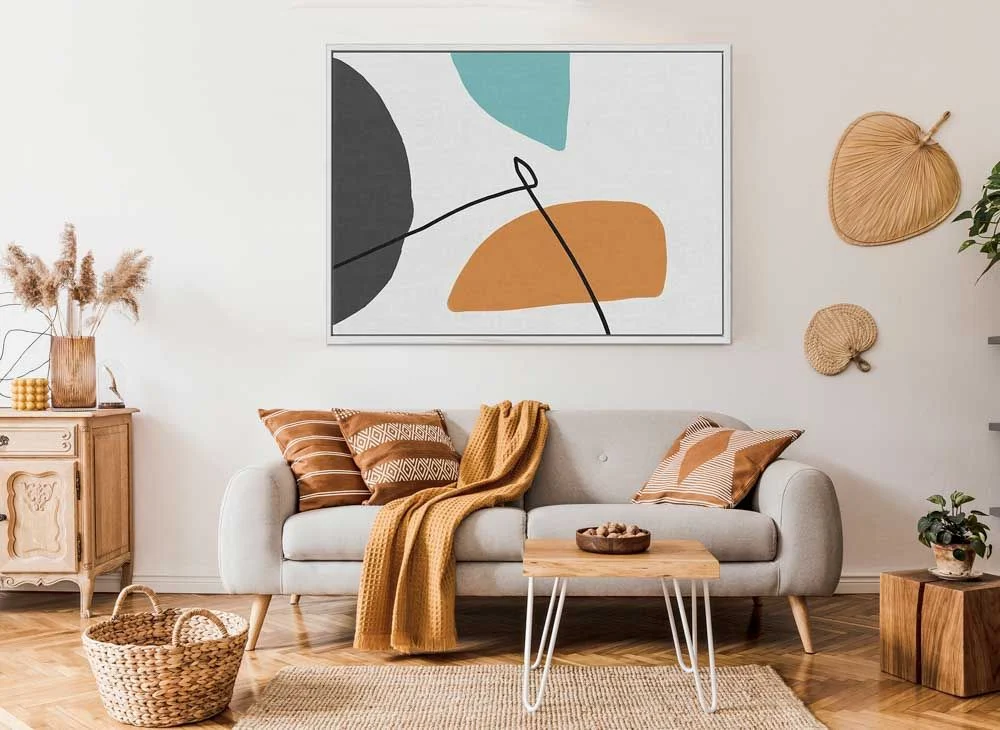
Before you start hanging frames, it’s essential to grasp why minimalism works so well in a living room setting. The core principle is to create visual breathing room; each piece of art should have a purpose, whether it’s to evoke emotion, anchor a color scheme, or highlight architectural features. By limiting the number of items on display, you allow each artwork to command attention, reducing the mental overload that often accompanies overly decorated spaces.
Why Simplicity Works in Modern Interiors
- Focus on Form: Minimalist pieces emphasize clean lines and geometric shapes, which echo the sleek silhouettes of contemporary furniture.
- Emotional Calm: A pared‑down wall reduces visual noise, fostering a tranquil environment ideal for relaxation and conversation.
- Versatility: Simple artwork adapts easily to seasonal changes and can be swapped without a complete redesign.
When you apply these minimalist living room wall art ideas, the room feels curated rather than cluttered, inviting guests to linger and appreciate each element.
Choosing the Right Scale and Proportion

Scale is perhaps the most decisive factor in minimalist design. A piece that’s too small can get lost against a large wall, while an oversized artwork may dominate the room, breaking the balance you aim to achieve. The goal is to harmonize the dimensions of the art with the size of the wall and the surrounding furniture.
Large Statement Pieces vs. Small Gallery Arrangements
There are two primary approaches: a single large artwork that serves as a focal point, or a curated collection of smaller pieces arranged in a thoughtful composition. For a spacious living room with high ceilings, a single oversized canvas in muted tones can anchor the space beautifully. Conversely, a modestly sized wall benefits from a grid or linear arrangement of modestly scaled prints, providing visual interest without overwhelming the room.
Consider the following when deciding:
- Wall Height: Tall walls accommodate vertical compositions, while shorter walls work best with horizontal layouts.
- Furniture Footprint: Align the artwork’s width with the sofa or media console to maintain proportional harmony.
- Viewing Distance: Larger pieces should be placed where they can be viewed from across the room; smaller works suit closer, intimate viewing zones.
By applying these minimalist living room wall art ideas, you ensure each piece feels intentional and cohesive.
Embracing Neutral Palettes and Subtle Color
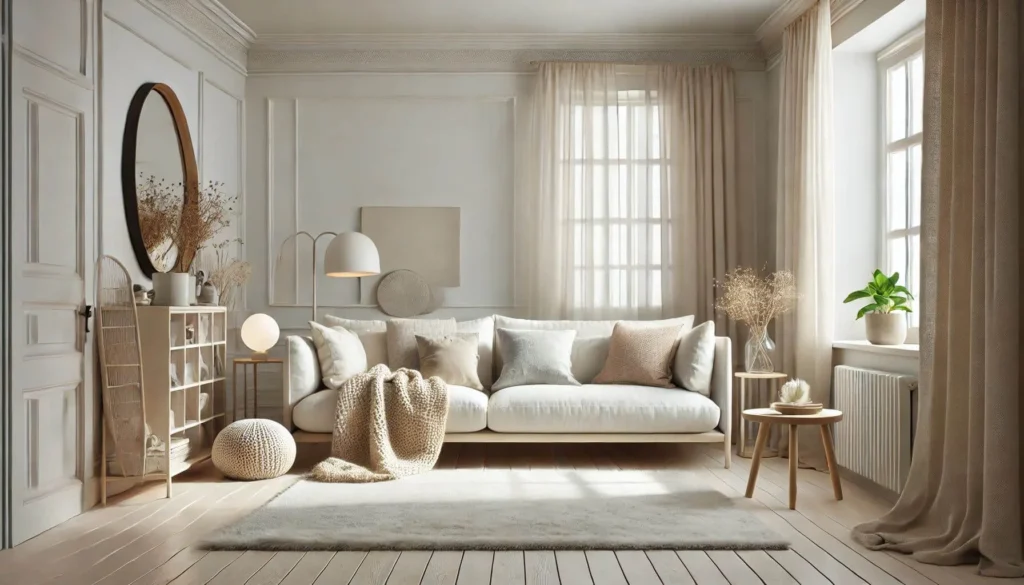
Neutral colors—think whites, soft grays, beiges, and muted earth tones—are the backbone of minimalist aesthetics. They create a calm backdrop that lets the artwork’s texture and form stand out. When selecting art, choose pieces that either match the existing palette or introduce a single accent hue to add depth without disrupting the serenity.
Monochrome and Soft Accents
Monochromatic artwork, such as black‑on‑white line drawings or grayscale photography, offers timeless elegance. If you desire a splash of color, opt for a restrained accent like a muted teal or warm terracotta, applied sparingly across the piece. This approach maintains the room’s understated vibe while providing a visual cue that draws the eye.
Pairing neutral walls with subtle artwork also simplifies future updates; you can easily swap a piece for a new accent color without repainting or re‑decorating the entire room.
Incorporating Natural Materials and Organic Shapes
One of the most compelling trends in minimalist living rooms is the use of natural materials—wood, linen, stone, and metal—that add tactile interest without compromising simplicity. These textures introduce warmth and a sense of groundedness that pure minimalism can sometimes lack.
Wood, Canvas, and Metal: A Balanced Mix
Consider a reclaimed wooden panel with a simple abstract print, or a canvas stretched over a linen frame. Metal, especially brushed brass or matte black, can provide a sleek counterpoint when used in thin line art or sculptural wall hangings. The key is to keep the design clean and avoid overly ornate details.
For inspiration on blending natural textures, explore Wall Décor with Natural Textures – Transform Your Space Naturally. This resource demonstrates how organic elements can elevate minimalist living room wall art ideas while staying true to a modern aesthetic.
Creative Layouts for Small Spaces
In compact apartments or cozy living rooms, space planning is crucial. Even a single wall can become a dynamic showcase when arranged thoughtfully. Minimalist living room wall art ideas for small spaces focus on maximizing impact while preserving openness.
Grid, Linear, and Asymmetrical Arrangements
A grid layout—three by three or two by two—provides symmetry and order, perfect for a polished look. Linear arrangements, such as a horizontal row of narrow prints, stretch the visual field, making the wall appear wider. Asymmetrical compositions introduce a modern edge; just ensure the overall balance remains harmonious.
For a fresh perspective on arrangement strategies, see Small Wall Mirror Arrangement Ideas: Transform Any Space. Mirrors share similar visual principles with wall art and can help you visualize spacing and proportion.
DIY and Sustainable Options
Eco‑conscious homeowners increasingly turn to DIY projects that reuse materials and reflect personal style. Incorporating handmade pieces aligns perfectly with minimalist values—each item is purposeful, unique, and often created with fewer resources.
Reclaimed Frames and Hand‑Painted Pieces
Start by sourcing reclaimed wooden frames from salvage yards or thrift stores. Sand, stain, or paint them in a muted tone to match your palette. Pair these frames with simple line drawings, botanical prints, or abstract shapes that you can create using acrylics or digital printing. For step‑by‑step guidance, check out DIY décor with dried flower frames: A Complete Guide, which offers ideas that can be adapted for wall art.
By embracing sustainable practices, your minimalist living room wall art ideas become not only aesthetically pleasing but also environmentally responsible.
Quick Tips for Instantly Elevating Your Walls
- Stick to a single color family to maintain cohesion.
- Leave at least 4–6 inches of wall space around each piece for breathing room.
- Use picture rails or command strips to avoid permanent holes.
- Match the artwork’s horizon line with the room’s dominant lines (sofa edge, rug edge).
- Rotate seasonal pieces sparingly to keep the space fresh.
Common Mistakes to Avoid
Even seasoned decorators can fall into traps that undermine a minimalist vision. Here are a few pitfalls and how to sidestep them:
- Overcrowding: Placing too many small frames creates visual chaos. Opt for fewer, larger pieces or a well‑spaced gallery.
- Ignoring Scale: A tiny artwork on a vast wall feels lost; a massive piece in a cramped room overwhelms. Always measure and mock‑up before hanging.
- Clashing Colors: Bright, saturated hues can break the serene mood. Reserve bold colors for accent items elsewhere in the room.
- Neglecting Lighting: Insufficient lighting dims the impact of art. Use accent lighting or natural light to highlight key pieces.
Frequently Asked Questions
How do I choose art that matches a neutral living room?
Select pieces with subtle tonal variations—grayscale photography, soft monochrome prints, or artworks featuring muted accent colors that echo existing décor. This ensures cohesion while still providing visual interest.
Can I use wall art in a rented apartment without damaging the walls?
Yes. Opt for lightweight frames and use removable adhesive strips or picture rails designed for rental spaces. These solutions hold securely and leave no residue when removed.
Is it okay to mix different frame styles in a minimalist arrangement?
Mixing frame styles can add depth, but keep the finishes consistent (e.g., all matte black or all natural wood) to maintain a unified look. This approach respects minimalism while offering subtle variety.
What size of artwork works best above a sofa?
A general rule is to choose a piece that spans roughly two‑thirds the width of the sofa. This creates a balanced visual anchor without overwhelming the seating area.
How often should I rotate my wall art?
Seasonal rotation every 3–4 months keeps the space feeling fresh. However, if you have a core collection that aligns with your overall design, you can keep it permanent and only swap accent pieces.
For homeowners concerned about overall home maintenance, you might also find our guide on Why Does Carpet Stink After Cleaning? Causes & Practical Fixes useful, as a clean environment complements the sleek look of minimalist décor.
Additionally, if you encounter accidental spills or stains on nearby carpets while arranging your art, the article How to Get Detergent Out of Carpet – A Complete Home Care Guide offers practical solutions to keep your space pristine.
When planning your living room layout, consider the impact of window treatments as well. The comparison between Pergo vs LifeProof: Which Waterproof Window Brand Wins? can guide you toward selecting window options that let natural light enhance your wall art.
Lastly, for those interested in integrating subtle greenery, learn why single trunk vs multi trunk crape myrtle – Best Garden Choice matters for indoor-outdoor flow, enriching the minimalist aesthetic with a touch of nature.
By thoughtfully applying these minimalist living room wall art ideas, you’ll create a living area that feels airy, purposeful, and uniquely yours.
Embracing the principles of simplicity, proportion, and natural texture, you can transform any wall into a curated backdrop that enhances both the function and feel of your living room. Start with a single statement piece or a modest gallery, and let your personal style unfold gradually. Remember, minimalism isn’t about stripping away personality—it’s about highlighting what truly matters in a clean, elegant setting. Explore more inspiration on The Homara and enjoy the journey of shaping a space that reflects calm confidence.