
Table of Contents
- Why Choose Wall Décor with Natural Textures?
- Popular Natural Materials for Wall Décor
- Wood Panels and Reclaimed Boards
- Stone and Slate Tiles
- Woven Textiles and Fiber Art
- Organic Plaster and Clay Finishes
- How to Incorporate Natural Wall Décor Without Overcrowding
- Quick Tips for Styling Wall Décor with Natural Textures
- Common Mistakes and How to Avoid Them
- Frequently Asked Questions
- Can I use wall décor with natural textures in a rental?
- How do I clean stone or slate wall tiles?
- Is it okay to combine multiple natural textures in one room?
- Do natural textures affect acoustics?
- Where can I find affordable natural wall décor?
- How does natural wall décor complement modern minimalism?
Wall Décor with Natural Textures: A Guide to Organic Elegance
Bringing the outdoors inside has become a timeless trend in modern interior design. One of the most effective ways to achieve this seamless connection is through wall décor with natural textures. Whether you live in a compact city apartment or a spacious countryside home, incorporating organic elements on your walls can add depth, warmth, and a sense of calm that synthetic finishes often lack. This article explores the why, what, and how of using natural textures on walls, offering actionable ideas you can apply in any room.
From reclaimed wood panels to woven fiber art, the options are surprisingly versatile. By the end of this guide, you’ll understand how to select the right materials, balance them with existing décor, and avoid common pitfalls that can turn a sophisticated look into a visual mishmash. Let’s dive into the world of wall décor with natural textures and discover how a few thoughtful touches can completely transform your living environment.
Why Choose Wall Décor with Natural Textures?
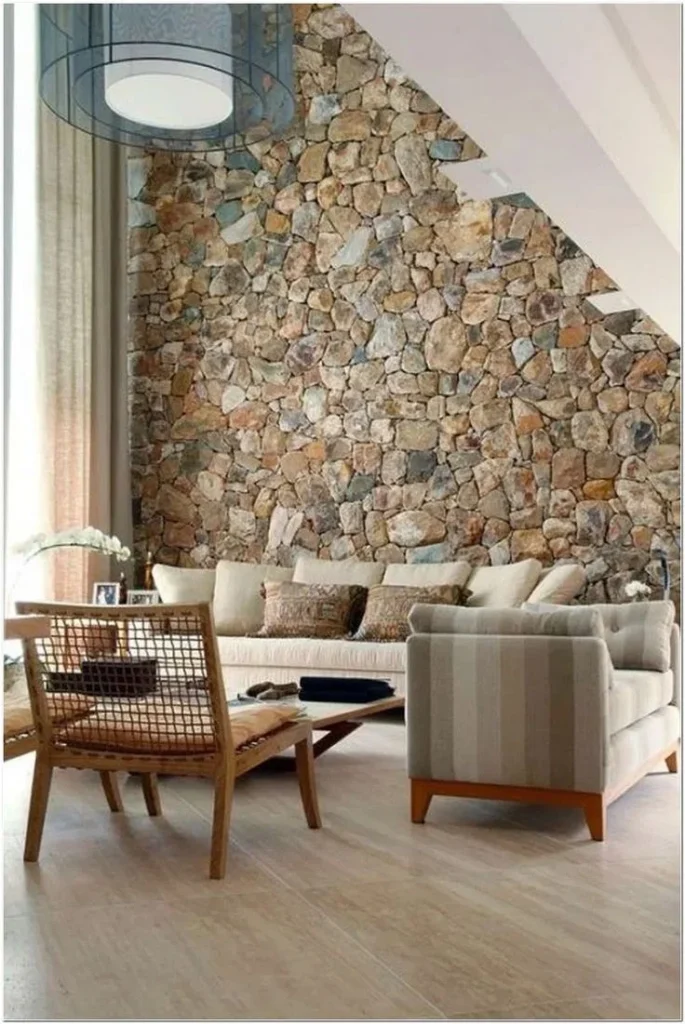
Natural textures engage the senses beyond just sight. The subtle grain of wood, the uneven surface of stone, or the soft weave of a jute tapestry can create tactile interest that invites you to linger. This sensory richness contributes to a healthier, more grounded atmosphere, especially important in today’s fast‑paced world. Moreover, natural materials are often sustainable, aligning your design choices with eco‑friendly values.
When you integrate wall décor with natural textures, you also gain a versatile backdrop that complements a wide range of styles—from rustic farmhouse to sleek minimalism. The organic character can soften sharp lines, add visual weight to lighter rooms, or serve as a focal point that draws the eye without overwhelming the space.
Popular Natural Materials for Wall Décor
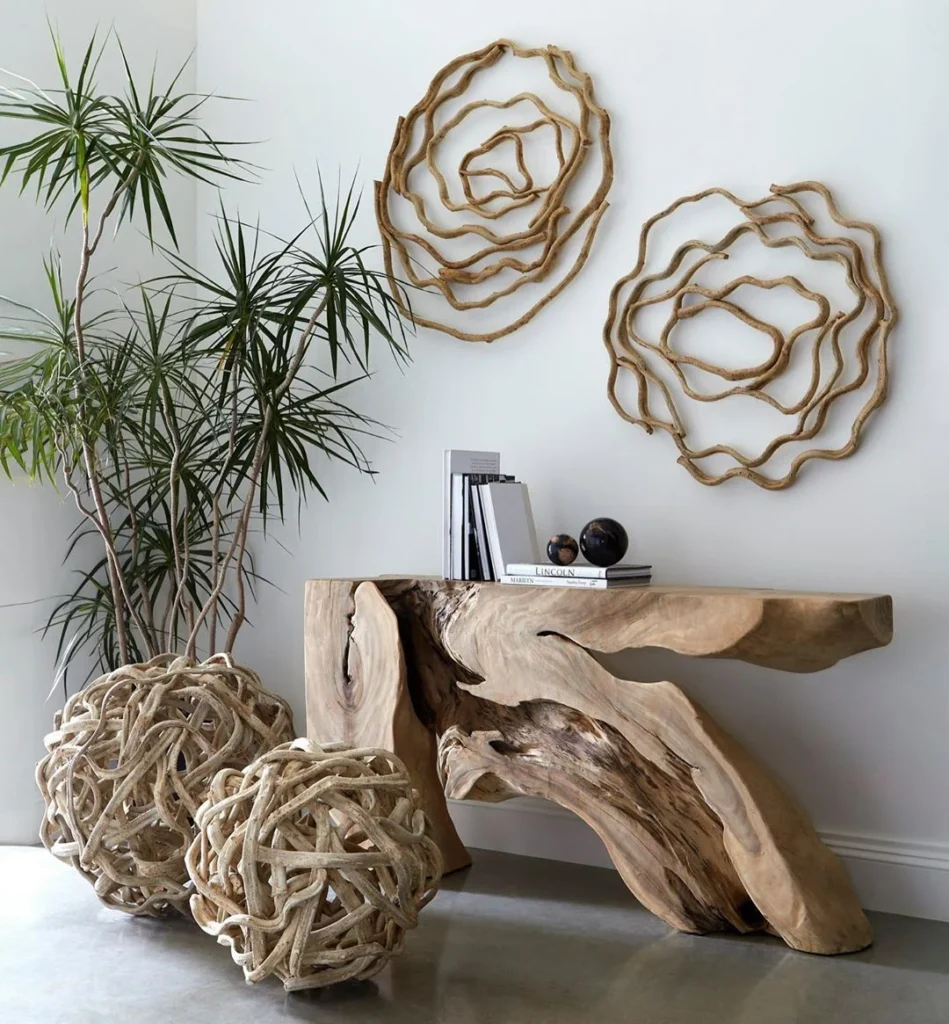
Choosing the right material is the first step toward a cohesive look. Below are some of the most beloved options, each offering its own unique charm.
Wood Panels and Reclaimed Boards
Wood instantly adds warmth. Reclaimed boards bring history and character, showcasing nail holes, knots, and weathered finishes. Install them horizontally for a sense of width, or vertically to accentuate height.
Stone and Slate Tiles
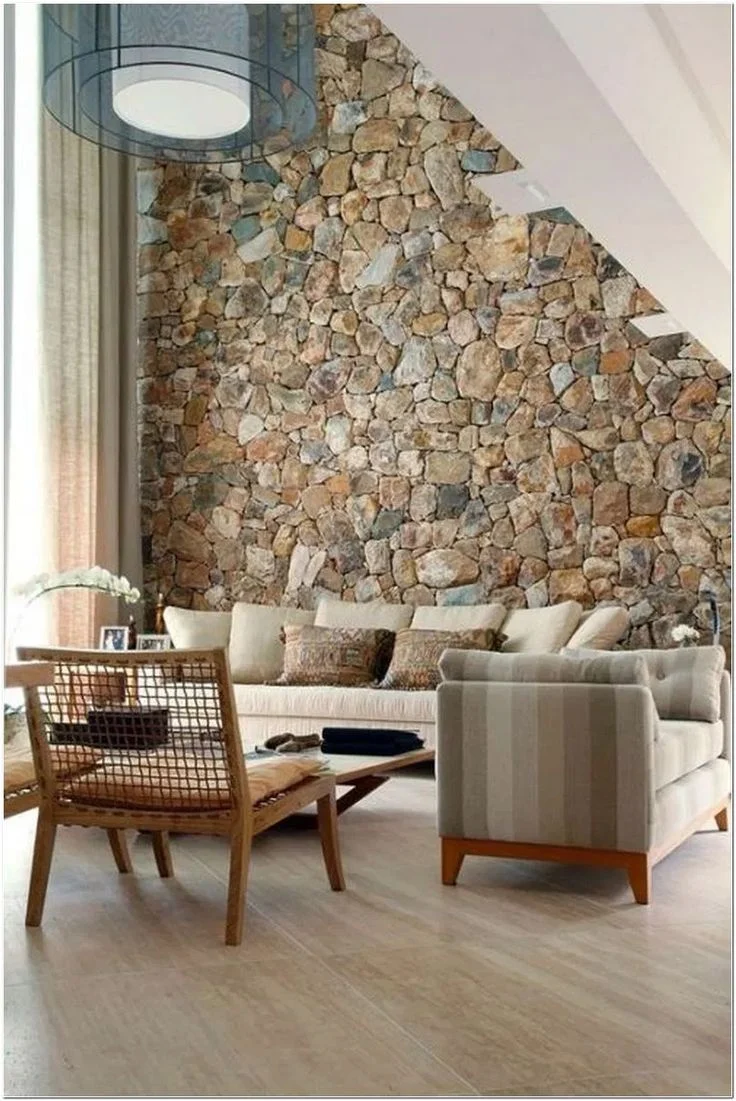
Stone introduces a cool, grounded feel. Slate’s natural cleft patterns work beautifully in bathrooms, while larger limestone tiles suit living rooms that crave a subtle, earthy backdrop.
Woven Textiles and Fiber Art
Materials like jute, sisal, and hemp can be stretched over frames or woven into wall hangings. These textiles add a soft, layered texture that is perfect for bedrooms and lounges.
Organic Plaster and Clay Finishes
Venetian plaster or clay walls create a matte, almost breathable surface that subtly shifts with light. These finishes are ideal for creating a spa‑like ambience in bathrooms or meditation spaces.
How to Incorporate Natural Wall Décor Without Overcrowding

Balance is key. Here are some guiding principles to ensure your wall décor with natural textures feels intentional rather than chaotic.
- Anchor with Neutral Paint: Pair a textured accent wall with muted paint on surrounding walls to let the natural element stand out.
- Scale Appropriately: Large panels work well on expansive walls; smaller woven pieces suit intimate spaces.
- Mix with Complementary Materials: Combine wood with metal fixtures or stone with glass accents to create a layered yet harmonious look.
For a practical example, consider a living room where a reclaimed wood wall serves as the backdrop for a sleek, low‑profile sofa. Add a few metal side tables and a glass coffee table to keep the space feeling airy while maintaining a cohesive aesthetic.
Quick Tips for Styling Wall Décor with Natural Textures
- Use lighting to highlight texture—wall sconces or directional spotlights accentuate grain and relief.
- Layer with artwork: A simple black‑and‑white photograph can soften a heavily textured wall.
- Maintain consistency: Stick to a single wood tone or stone family throughout the room for unity.
Common Mistakes and How to Avoid Them
Even the most seasoned decorators can stumble. Recognizing these errors early saves time, money, and frustration.
- Choosing the Wrong Finish: Highly glossy finishes can clash with natural textures. Opt for matte or satin sheens.
- Overloading a Small Space: In compact rooms, a single textured panel works better than a full‑wall installation.
- Neglecting Maintenance: Some natural materials, like untreated wood, may require periodic sealing to prevent wear.
Frequently Asked Questions
Can I use wall décor with natural textures in a rental?
Absolutely. Removable peel‑and‑stick wood panels or fabric wall hangings offer the organic look without permanent alterations, making them renter‑friendly options.
How do I clean stone or slate wall tiles?
Use a soft brush and a pH‑neutral cleaner. Avoid harsh chemicals that can etch the surface, and dry the area thoroughly to prevent water spots.
Is it okay to combine multiple natural textures in one room?
Yes, as long as you maintain a unifying color palette and consider the scale of each element. Pairing a subtle woven tapestry with a larger wood panel can create depth without feeling cluttered.
Do natural textures affect acoustics?
Materials like wood and fabric can improve sound absorption, reducing echo in large rooms. Conversely, hard stone may reflect sound, so balance with soft furnishings.
Where can I find affordable natural wall décor?
Check out our guide on where to buy cheap home decor for budget‑friendly options that don’t compromise style.
How does natural wall décor complement modern minimalism?
Natural textures add warmth to minimalistic spaces, preventing them from feeling sterile. A single reclaimed wood accent wall can become a focal point while keeping the overall design clean.
Integrating wall décor with natural textures is more than a trend—it’s a timeless strategy to create spaces that feel both contemporary and comforting. By thoughtfully selecting materials, balancing scale, and paying attention to lighting and maintenance, you can craft an environment that celebrates the beauty of nature while reflecting your personal style.
Ready to experiment? Start small with a woven tapestry or a reclaimed wood panel, and let the organic charm guide the rest of your décor decisions. For more inspiration, explore our article on Bedroom Shelf Décor Ideas – Stylish Storage & Styling Tips, and discover how texture can elevate every corner of your home.
Remember, the goal of wall décor with natural textures is to bring a sense of calm, authenticity, and visual interest to your living spaces. Embrace the textures, play with light, and enjoy the transformation.