
Table of Contents
- Why Small Wall Mirror Arrangement Ideas Work in Any Room
- Symmetrical Grid Layouts for a Clean, Modern Look
- How to Execute a Symmetrical Grid with Small Wall Mirrors
- Eclectic Gallery Walls: Mixing Shapes and Frames
- Curating Small Wall Mirror Arrangement Ideas for a Gallery Effect
- Vertical Stacking for Height Amplification
- Steps to Achieve a Vertical Mirror Stack
- Corner Mirrors: Making the Most of Unused Angles
- Implementing Corner Mirror Ideas
- Floating Shelf & Mirror Combos: Dual‑Purpose Design
- Designing a Shelf‑Mirror Hybrid
- Quick Tips for Perfect Small Wall Mirror Arrangements
- Common Mistakes to Avoid When Styling Small Mirrors
- Frequently Asked Questions
- Can I use bathroom mirrors in the living room for decorative purposes?
- How far apart should small mirrors be spaced for a balanced look?
- Do mirrored arrangements work in rooms with limited natural light?
- What frame finishes work best with small wall mirror arrangement ideas?
- Is it okay to combine mirrors with artwork on the same wall?
- How can I make a small mirror arrangement a focal point without overwhelming the space?
Small Wall Mirror Arrangement Ideas: Transform Any Space
Mirrors have long been a secret weapon in interior design, especially when space is at a premium. A well‑placed mirror can double the visual real estate of a room, amplify natural light, and serve as a decorative focal point. For those living in apartments, studio flats, or simply looking to maximize a modest layout, small wall mirror arrangement ideas offer a practical yet stylish solution. This article walks you through a variety of arrangements—from symmetrical clusters to eclectic galleries—so you can choose the perfect look for any room in your home.
Whether you’re a homeowner, renter, or décor enthusiast, understanding how to curate small mirrors on a wall can dramatically change the feel of a space without breaking the bank. Below, you’ll find detailed sections that cover styling principles, room‑specific suggestions, quick actionable tips, common pitfalls to avoid, and answers to frequently asked questions. Let’s explore how a few thoughtfully arranged mirrors can become the centerpiece of modern home styling.
Why Small Wall Mirror Arrangement Ideas Work in Any Room
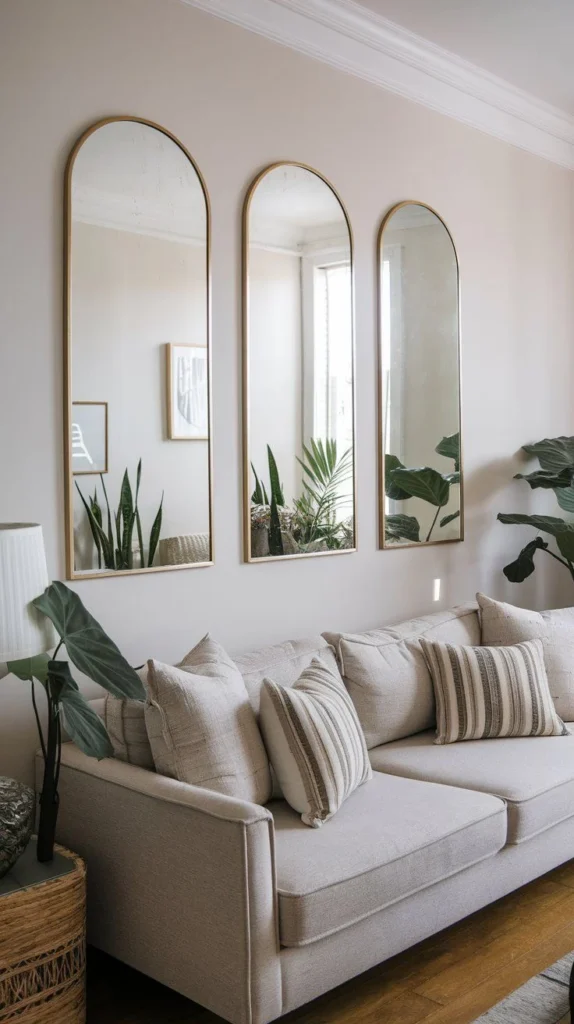
Small mirrors are versatile because they can be grouped, layered, or hung singly to serve both functional and aesthetic purposes. When arranged correctly, they reflect light, create an illusion of depth, and add texture to otherwise flat walls. In living rooms, a cluster of petite mirrors can break up a large wall of paint, while in a bathroom, a vertical line of mirrors can guide the eye upward, making the space feel taller. The key is balance: you want enough mirrors to make an impact without overwhelming the room.
Another advantage of small wall mirror arrangement ideas is their adaptability. Mirrors come in countless shapes—round, oval, rectangular, hexagonal—allowing you to mix forms for a curated gallery feel, or stick to a single shape for a minimalist vibe. Pairing mirrors with artwork, shelves, or natural textures can also tie together the overall décor, creating a cohesive look that feels intentional rather than accidental.
Symmetrical Grid Layouts for a Clean, Modern Look
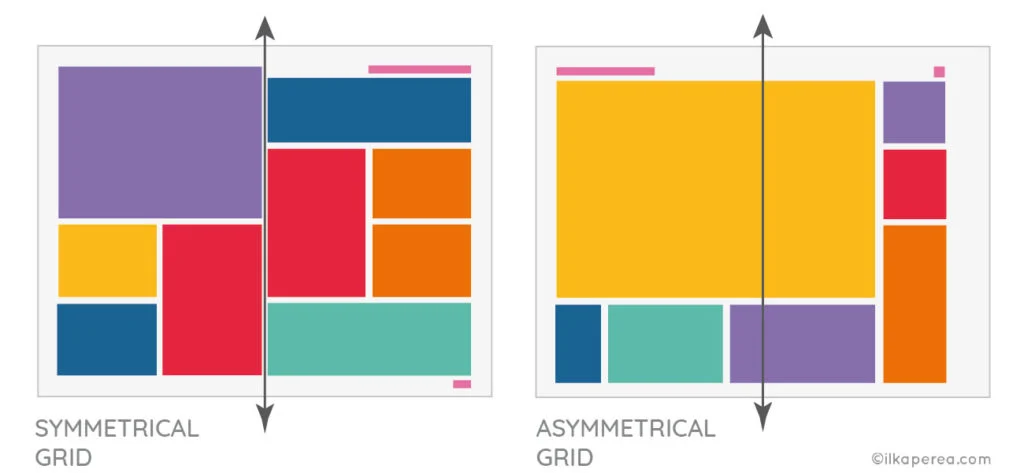
One of the most straightforward small wall mirror arrangement ideas is a symmetrical grid. This layout works especially well in rooms with a contemporary aesthetic, such as a sleek bedroom or a minimalist hallway. By aligning mirrors in evenly spaced rows and columns, you achieve a sense of order that complements clean lines and neutral palettes.
How to Execute a Symmetrical Grid with Small Wall Mirrors
- Choose mirrors of the same shape and size for consistency; round mirrors of 12‑inch diameter are a popular choice.
- Measure the wall area and mark the center point to ensure the grid is centered.
- Use a level and a measuring tape to space each mirror 2‑3 inches apart, maintaining uniform gaps.
- Consider adding a thin trim or a subtle LED backlight behind each mirror for a soft glow.
In a bedroom, a 3×3 grid above the headboard can serve as a statement piece while still reflecting light onto the bedding. In a hallway, a horizontal line of four mirrors creates a runway‑like effect that guides visitors through the space.
Eclectic Gallery Walls: Mixing Shapes and Frames
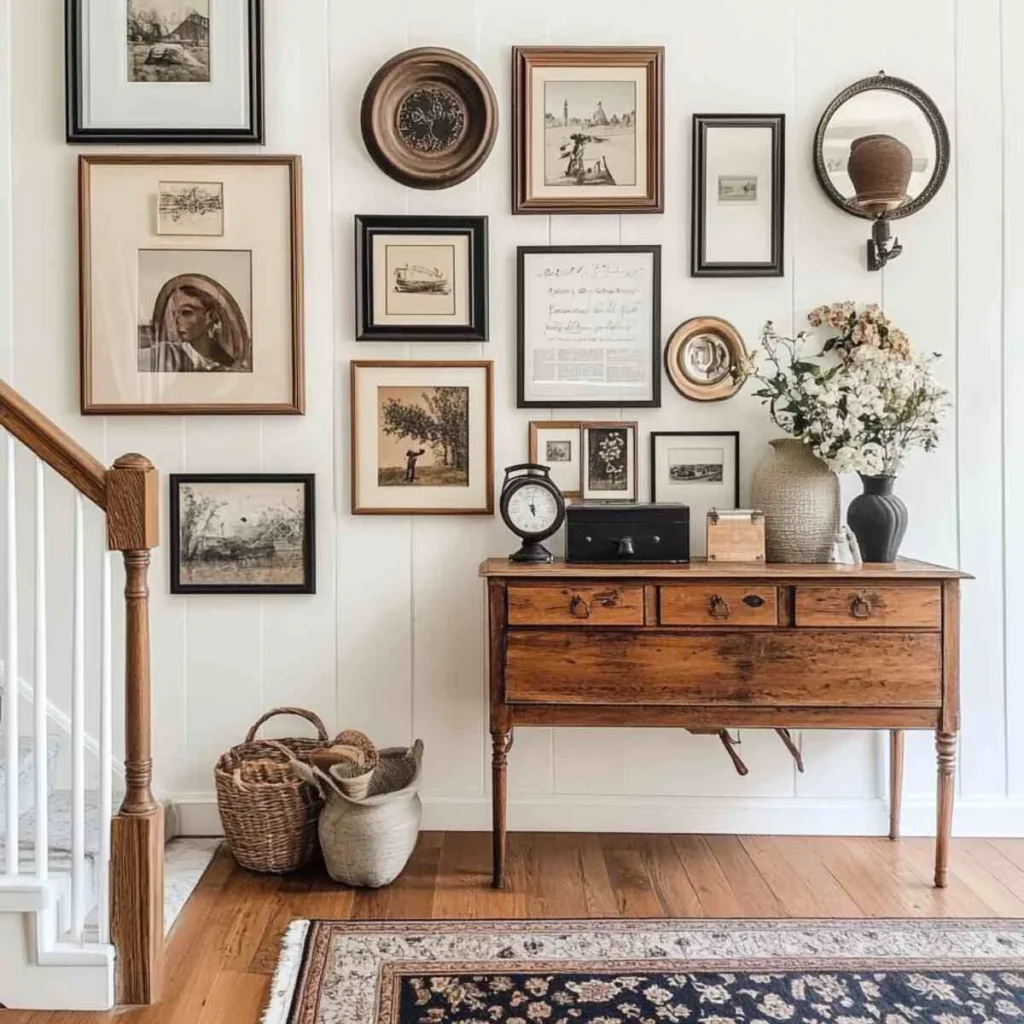
If you prefer a more artistic approach, an eclectic gallery wall lets you play with different mirror shapes, frame finishes, and even complementary wall décor. This style is perfect for living rooms, entryways, or creative studios where you want the wall to act as a visual narrative.
Curating Small Wall Mirror Arrangement Ideas for a Gallery Effect
- Start with a focal point—a larger oval mirror or a uniquely framed piece.
- Surround it with smaller round or rectangular mirrors in varying frame materials (gold, wood, matte black).
- Intersperse a few pieces of artwork or wall‑mounted shelves to break up the reflective surfaces.
- Maintain a loose grid by using a paper template on the floor to experiment with placement before committing.
Because mirrors bounce light, an eclectic gallery can brighten a dim corner while showcasing your personal taste. Pairing mirrors with natural textures—such as a woven wall hanging from our Wall Décor with Natural Textures – Transform Your Space Naturally guide—adds depth and prevents the wall from feeling overly reflective.
Vertical Stacking for Height Amplification
When dealing with low ceilings, vertical stacking of small mirrors creates the illusion of added height. This technique is ideal for bathrooms, narrow kitchens, or compact studios where you want to draw the eye upward.
Steps to Achieve a Vertical Mirror Stack
- Select mirrors that share a common frame or finish to maintain visual cohesion.
- Arrange them in a single column, starting from eye level and extending toward the ceiling.
- Leave a small gap—about 1‑2 inches—between each mirror to avoid a crowded look.
- Consider placing a small plant or decorative object at the top of the stack for added interest.
A bathroom vanity can benefit from three narrow rectangular mirrors stacked vertically, reflecting daylight from a nearby window and making the space feel airy. In a kitchen pantry, a vertical row of small mirrors above the spice rack can brighten the area while serving as a handy visual cue for organization.
Corner Mirrors: Making the Most of Unused Angles
Corners are often underutilized, but they present a unique opportunity for creative mirror placement. By installing a pair of angled small mirrors, you can capture light from two directions and enhance the sense of openness.
Implementing Corner Mirror Ideas
Choose two mirrors that meet at a 90‑degree angle, either as a single custom piece or two separate mirrors mounted flush against each other. Secure them with mounting hardware designed for corner installations, ensuring a clean finish without visible brackets. This arrangement works beautifully above a corner sofa, in a bathroom alcove, or beside a stairwell where it can reflect both the staircase and the wall.
Because corner mirrors bounce light into the room’s most secluded spots, they are a subtle yet effective tool for improving overall illumination without adding extra lighting fixtures.
Floating Shelf & Mirror Combos: Dual‑Purpose Design
Combining storage with reflection is a clever way to maximize small spaces. A floating shelf paired with a small wall mirror underneath creates a functional vignette that can hold décor items, books, or bathroom essentials while also serving as a decorative mirror.
Designing a Shelf‑Mirror Hybrid
- Install a sturdy floating shelf at eye level, ensuring it can support the weight of the items you plan to display.
- Mount a small mirror directly beneath the shelf, using a recessed mounting system for a seamless look.
- Choose a shelf finish that complements the mirror frame—whether it’s sleek metal for a modern vibe or reclaimed wood for a rustic touch.
- Arrange decorative pieces on the shelf that echo the mirror’s shape or color, creating visual harmony.
This hybrid solution works exceptionally well in entryways where a quick glance in the mirror helps you check your outfit, and the shelf holds keys, mail, or a small plant.
Quick Tips for Perfect Small Wall Mirror Arrangements
- Start with a layout template: cut paper circles or rectangles to the size of your mirrors and tape them to the wall to visualize spacing.
- Keep the mirrors at a height where an average adult’s eye line meets the center for the most natural reflection.
- Mix reflective surfaces with matte textures—such as a woven wall hanging or a wooden panel—to avoid visual overload.
- Use LED strip lighting behind mirrors for a soft backlit effect that adds ambience in the evening.
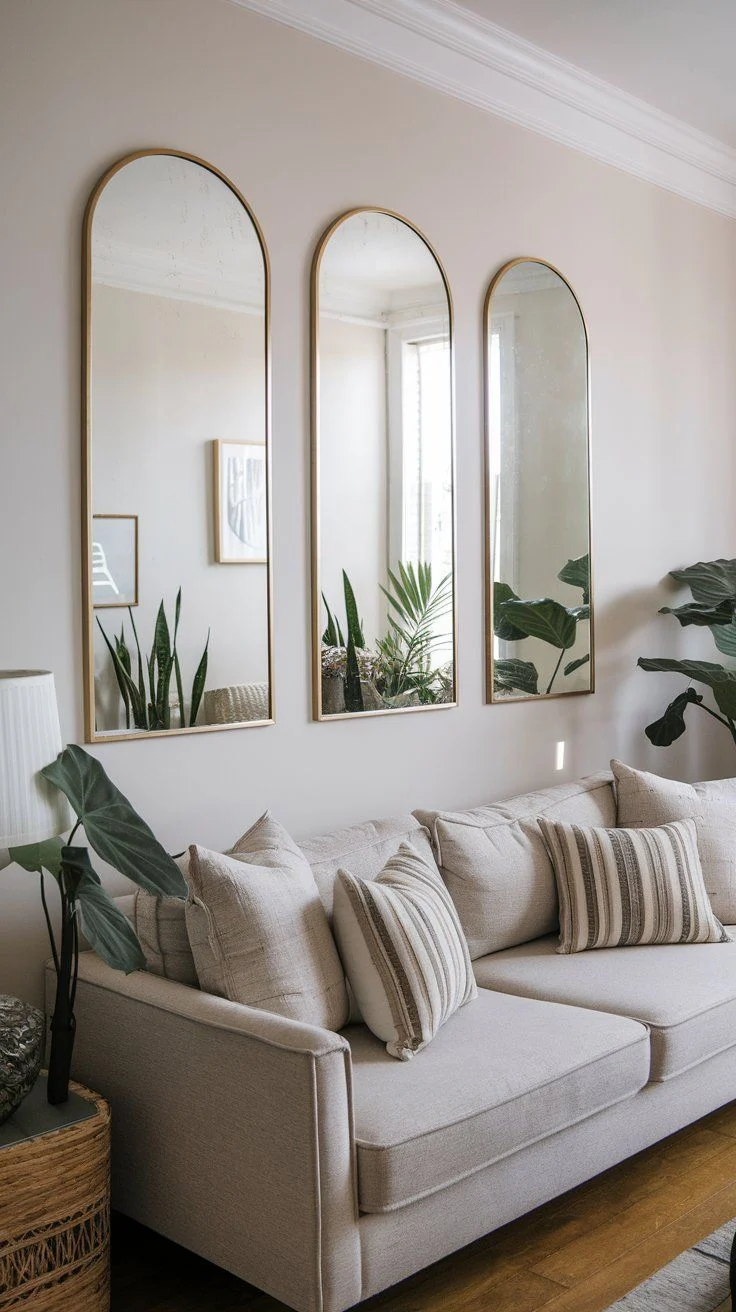
- When in doubt, limit the arrangement to three pieces; it’s easier to achieve balance and still make a statement.
Common Mistakes to Avoid When Styling Small Mirrors
Even seasoned decorators can stumble over a few pitfalls when arranging mirrors. Recognizing these mistakes early saves time, money, and frustration.
- Over‑crowding the wall: Packing too many mirrors can create a chaotic look that distracts rather than enhances.
- Ignoring wall color: Dark walls absorb light, reducing the reflective benefit of mirrors; consider a lighter backdrop for maximum impact.
- Misaligned heights: Uneven placement leads to a disjointed feel; always use a level and measuring tape.
- Choosing frames that clash with existing décor: Ensure the mirror frames complement the room’s style—metallic for modern, wood for rustic.
- Neglecting safety: In households with children or pets, secure mirrors with appropriate wall anchors to prevent accidents.
Frequently Asked Questions
Can I use bathroom mirrors in the living room for decorative purposes?
Absolutely. Small bathroom‑style mirrors with sleek frames can add a modern touch to a living‑room wall, especially when grouped in a grid or gallery layout. Just make sure the style aligns with the room’s overall aesthetic.
How far apart should small mirrors be spaced for a balanced look?
A good rule of thumb is to leave a 2‑3 inch gap between each mirror. This distance provides breathing room while maintaining visual cohesion. Adjust the spacing based on the mirror size and the wall’s dimensions.
Do mirrored arrangements work in rooms with limited natural light?
Yes. Mirrors amplify whatever light is available, whether it’s natural daylight or artificial lighting. Pairing mirrors with LED backlighting or placing them near a lamp can further enhance illumination.
What frame finishes work best with small wall mirror arrangement ideas?
Metallic finishes (brushed nickel, matte black) suit contemporary spaces, while wood frames add warmth to traditional or rustic interiors. Choose a finish that echoes other hardware in the room for a unified look.
Is it okay to combine mirrors with artwork on the same wall?
Combining mirrors and artwork creates a dynamic gallery effect. Keep a consistent spacing and consider the visual weight of each piece; larger artwork can anchor the arrangement, while mirrors fill surrounding gaps.
How can I make a small mirror arrangement a focal point without overwhelming the space?
Start with a standout piece—perhaps a uniquely shaped mirror—and arrange smaller, complementary mirrors around it. Limit the overall number to keep the wall from feeling cluttered, and let other décor elements (like a statement rug or sofa) share the spotlight.
By experimenting with these small wall mirror arrangement ideas, you can transform any room into a brighter, more expansive, and stylish environment. Mirrors are affordable, adaptable, and endlessly creative, making them a must‑have tool in any modern home décor toolkit. Explore different layouts, trust your eye, and enjoy the visual magic that a well‑curated mirror wall brings to your space.