
Table of Contents
- Understanding the Chemistry Behind 20 Mule Team Borax vs Oxiclean
- Key Differences in 20 Mule Team Borax vs Oxiclean Formulations
- Practical Applications: When to Choose Borax Over Oxiclean
- When Oxiclean Takes the Lead in 20 Mule Team Borax vs Oxiclean Comparisons
- Cost‑Effectiveness and Environmental Impact in the 20 Mule Team Borax vs Oxiclean Debate
- Safety Tips and Handling Precautions for 20 Mule Team Borax vs Oxiclean
- Quick Home Cleaning Tips Using 20 Mule Team Borax vs Oxiclean
- Common Mistakes to Avoid When Using 20 Mule Team Borax vs Oxiclean
- Frequently Asked Questions
- Putting It All Together: A Balanced Cleaning Routine
20 Mule Team Borax vs Oxiclean: Which Cleaner Wins for Your Home?
When it comes to tackling tough stains, lingering odors, and everyday grime, homeowners often find themselves choosing between two household staples: 20 mule team borax and Oxiclean. Both have a long‑standing reputation, but they serve different purposes and excel in distinct scenarios. Understanding the strengths, limitations, and best‑practice applications of each can save you time, money, and unnecessary frustration.
This guide breaks down the chemistry, practical uses, safety considerations, and cost efficiency of 20 mule team borax vs oxiclean. By the end, you’ll know exactly when to reach for the white powder and when the oxygen‑based crystals should take the lead, helping you keep every room—from the kitchen to the bathroom—spotless and fresh.
Understanding the Chemistry Behind 20 Mule Team Borax vs Oxiclean
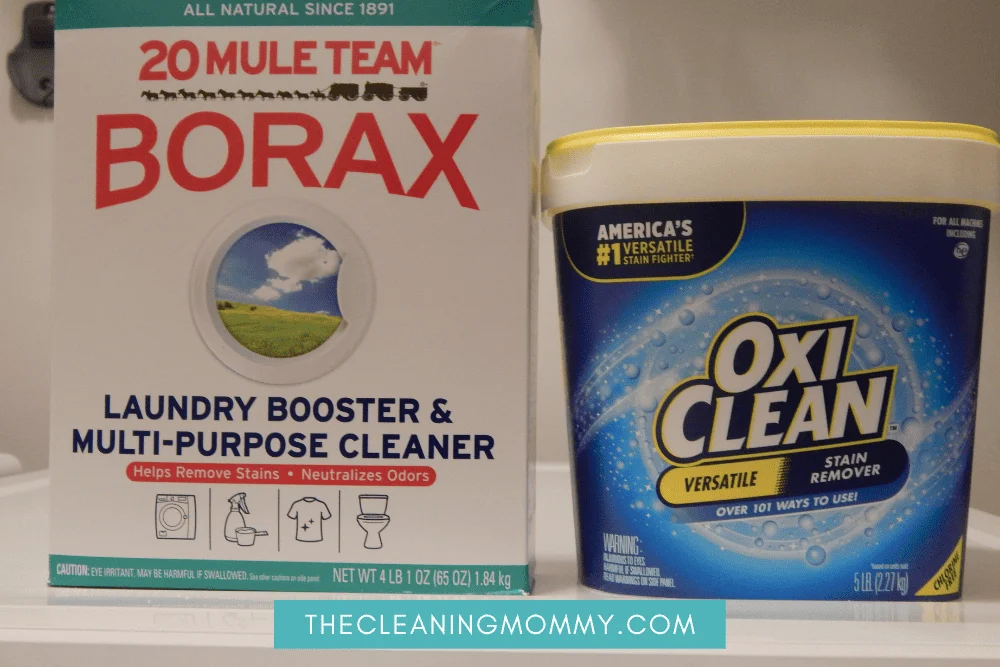
The first step in comparing 20 mule team borax vs oxiclean is to grasp how each product works at a molecular level. Borax, a naturally occurring mineral, is primarily a sodium borate compound. Its alkaline nature helps break down acidic stains and neutralize odors. Oxiclean, on the other hand, is built around sodium percarbonate, which releases hydrogen peroxide when dissolved in water, creating a mild yet effective bleaching action.
Because of these differences, the two cleaners excel in separate domains. Borax excels at softening water, enhancing detergent performance, and combating mold, while Oxiclean shines when you need brightening power and a non‑chlorine bleach alternative. Knowing this chemistry lets you decide which product aligns with the specific cleaning challenge you face.
Key Differences in 20 Mule Team Borax vs Oxiclean Formulations
- Active ingredient: Borax (sodium borate) vs Oxiclean (sodium percarbonate).
- pH level: Borax is alkaline (pH ~9.5); Oxiclean creates a mildly acidic environment once it releases oxygen.
- Primary action: Water softening and deodorizing vs oxidation and stain bleaching.
- Safety profile: Both are generally safe for household use, but Borax requires careful handling around pets and children.
Practical Applications: When to Choose Borax Over Oxiclean

In everyday cleaning, the decision often hinges on the type of stain and the surface you’re treating. For example, if you’re dealing with greasy kitchen messes, mineral buildup in the bathroom, or musty laundry, 20 mule team borax vs oxiclean analysis points toward borax as the more effective choice.
Here are some scenarios where borax shines:
- Kitchen cleaning: Add a half‑cup of borax to your dishwater to cut through hard water spots and leave dishes sparkling.
- Bathroom mold: Mix borax with water to form a paste, apply to grout, let sit, then scrub for mold‑free tiles.
- Laundry deodorizing: Throw a cup of borax into the wash to neutralize sweat and mildew odors without damaging fabrics.
- Pet accidents: Borax’s alkaline nature helps neutralize urine smells on carpet and upholstery.
Because borax works as a water softener, it also boosts the performance of regular detergents, making it a valuable add‑on for any cleaning routine.
When Oxiclean Takes the Lead in 20 Mule Team Borax vs Oxiclean Comparisons

If your goal is to brighten whites, lift organic stains, or replace chlorine bleach, Oxiclean stands out in the 20 mule team borax vs oxiclean debate. Its oxygen‑based formula is especially effective on protein‑based stains such as blood, wine, and grass.
Top use cases for Oxiclean include:
- White laundry boost: Dissolve a scoop of Oxiclean in warm water and pre‑soak whites before the wash cycle.
- Carpet spot cleaning: Apply a diluted Oxiclean solution to a hidden area, then gently blot stains like coffee or red wine.
- Kitchen appliance cleaning: Use Oxiclean to remove coffee stains from a stainless‑steel fridge or brighten a microwave interior.
- Outdoor furniture: Soak plastic or resin pieces in an Oxiclean solution to erase mildew and restore color.
Oxiclean’s non‑chlorine bleaching power means it’s safe on most colored fabrics, making it a versatile companion for both brightening and deep cleaning tasks.
Cost‑Effectiveness and Environmental Impact in the 20 Mule Team Borax vs Oxiclean Debate
Budget‑conscious homeowners often wonder which product provides more bang for the buck. A standard 4‑pound box of 20 mule team borax typically costs less per pound than a comparable pack of Oxiclean crystals. However, Oxiclean’s concentrated nature means a smaller amount can achieve impressive results, especially for large loads.
From an environmental perspective, both products have pros and cons. Borax is a naturally occurring mineral, but mining processes can affect ecosystems. Oxiclean breaks down into water, oxygen, and soda ash, which are generally considered environmentally friendly, though the production of sodium percarbonate does involve chemical synthesis.
Choosing the greener option often depends on the specific application. For routine water‑softening and deodorizing, 20 mule team borax vs oxiclean analysis suggests borax’s lower manufacturing footprint may be preferable. For occasional deep cleaning where you’d otherwise reach for chlorine bleach, Oxiclean’s biodegradable by‑products give it an edge.
Safety Tips and Handling Precautions for 20 Mule Team Borax vs Oxiclean
Both cleaners are safe when used correctly, but each carries unique safety considerations. Here’s a quick rundown to keep your household protected:
- Storage: Keep both products out of reach of children and pets; store in a cool, dry place.
- Protective gear: Wear gloves when mixing concentrated solutions, especially with Oxiclean, to avoid skin irritation.
- Ventilation: Use in well‑ventilated areas; Oxiclean can release a faint oxygen smell during activation.
- Never mix: Do NOT combine borax and Oxiclean in the same container; the reaction can produce unwanted residues.
Following these guidelines ensures you reap the benefits of 20 mule team borax vs oxiclean without compromising safety.
Quick Home Cleaning Tips Using 20 Mule Team Borax vs Oxiclean
- Boost your regular detergent with a half‑cup of borax for softer water and brighter laundry.
- Pre‑soak stubborn carpet stains in a diluted Oxiclean solution for 15 minutes before blotting.
- Use a borax paste on bathroom tile grout to eliminate mold without harsh chemicals.
- For a natural all‑purpose cleaner, dissolve 1 tablespoon of borax in a spray bottle of warm water.
Common Mistakes to Avoid When Using 20 Mule Team Borax vs Oxiclean
Even seasoned cleaners can slip up. Below are frequent errors and how to correct them:
- Over‑diluting Oxiclean: Too much water reduces its bleaching power. Stick to the manufacturer’s recommended ratio.
- Using borax on delicate fabrics: The alkaline nature can weaken fibers over time; reserve it for sturdy items like towels and denim.
- Skipping a test patch: Always test a small, hidden area before applying either product to colored surfaces.
- Neglecting rinse cycles: Residual borax can leave a powdery film; ensure a thorough rinse after use.
Frequently Asked Questions
Can I use 20 mule team borax vs oxiclean together in the same wash?
It’s best not to combine them. Mixing the two can neutralize the cleaning action and may leave residues on fabrics.
Is borax safe for use around pets?
While borax is low in toxicity, ingestion can cause stomach upset. Store it securely and clean up any spills promptly.
How does Oxiclean compare to chlorine bleach?
Oxiclean offers a gentler, non‑chlorine bleaching effect that’s safe on most colors, making it ideal for brightening without the harsh odor or fabric damage associated with chlorine bleach.
Can I replace my regular dishwasher detergent with borax?
Borax can be used as a booster in the dishwasher, but it shouldn’t replace a dedicated detergent. Combine a small amount with your usual powder for better results.
What’s the best way to remove hard water stains from glass?
A mixture of equal parts vinegar and water works well, but adding a tablespoon of borax to the solution can enhance its effectiveness against mineral deposits.
Putting It All Together: A Balanced Cleaning Routine
Integrating the strengths of 20 mule team borax vs oxiclean into a single cleaning strategy yields the best results. Start by using borax as a daily booster for laundry and kitchen cleaning, then reserve Oxiclean for periodic deep‑cleaning tasks such as whitening linens and tackling stubborn carpet spots. This balanced approach maximizes efficiency, reduces the need for multiple specialty cleaners, and keeps your home looking its best.
For further inspiration on how to incorporate effective cleaning solutions into stylish spaces, check out our guide on kitchen décor with woven placemats – timeless style & practical flair. If you’re redesigning a bathroom and want to keep surfaces gleaming, the article on Bali vs Hunter Douglas Cellular Shades – Which Is Right for Your Home? offers complementary design ideas.
By understanding the nuances of 20 mule team borax vs oxiclean, you can tailor your cleaning regimen to the specific demands of each room, protect your surfaces, and maintain a fresh, inviting home environment.
Ready to elevate your cleaning game? Experiment with the tips above, track which product delivers the best results in your space, and enjoy the confidence that comes from a spotless, well‑maintained home.