
Table of Contents
- Choosing the Right Soft Desk Lighting for Your Workspace Décor
- Key Features to Look For in Soft Desk Lighting
- Color Schemes and Materials That Complement Soft Lighting
- Strategic Placement: Where to Position Your Soft Desk Lamp
- Integrating Decorative Elements Without Overcrowding
- Smart Technology and Energy Efficiency
- Quick Tips for an Instantly Better Workspace
- Common Mistakes to Avoid in Workspace Décor with Soft Desk Lighting
- Frequently Asked Questions
- What color temperature is best for soft desk lighting?
- Can I use a floor lamp instead of a desk lamp?
- Do smart lamps really improve productivity?
- How many plants can I place near my soft desk lamp?
- Is LED the best option for soft desk lighting?
Creating a productive and inviting workspace goes far beyond choosing the right desk or chair. The subtle glow of soft desk lighting can dramatically influence mood, focus, and even the overall aesthetic of your office area. Whether you work from a dedicated home office, a shared coworking space, or a compact apartment nook, integrating gentle illumination into your workspace décor with soft desk lighting helps you strike the perfect balance between functionality and style. In this guide, we’ll explore how to select the right lighting fixtures, pair them with complementary décor elements, and avoid common pitfalls that can undermine a cohesive look.
We’ll walk you through practical design strategies, from choosing color temperatures that soothe the eyes to arranging accessories that amplify the warm ambience created by low‑intensity lamps. By the end, you’ll have a toolbox of ideas that let you tailor a workspace that feels both modern and comfortable—ideal for long hours of focused work or creative brainstorming.
Choosing the Right Soft Desk Lighting for Your Workspace Décor
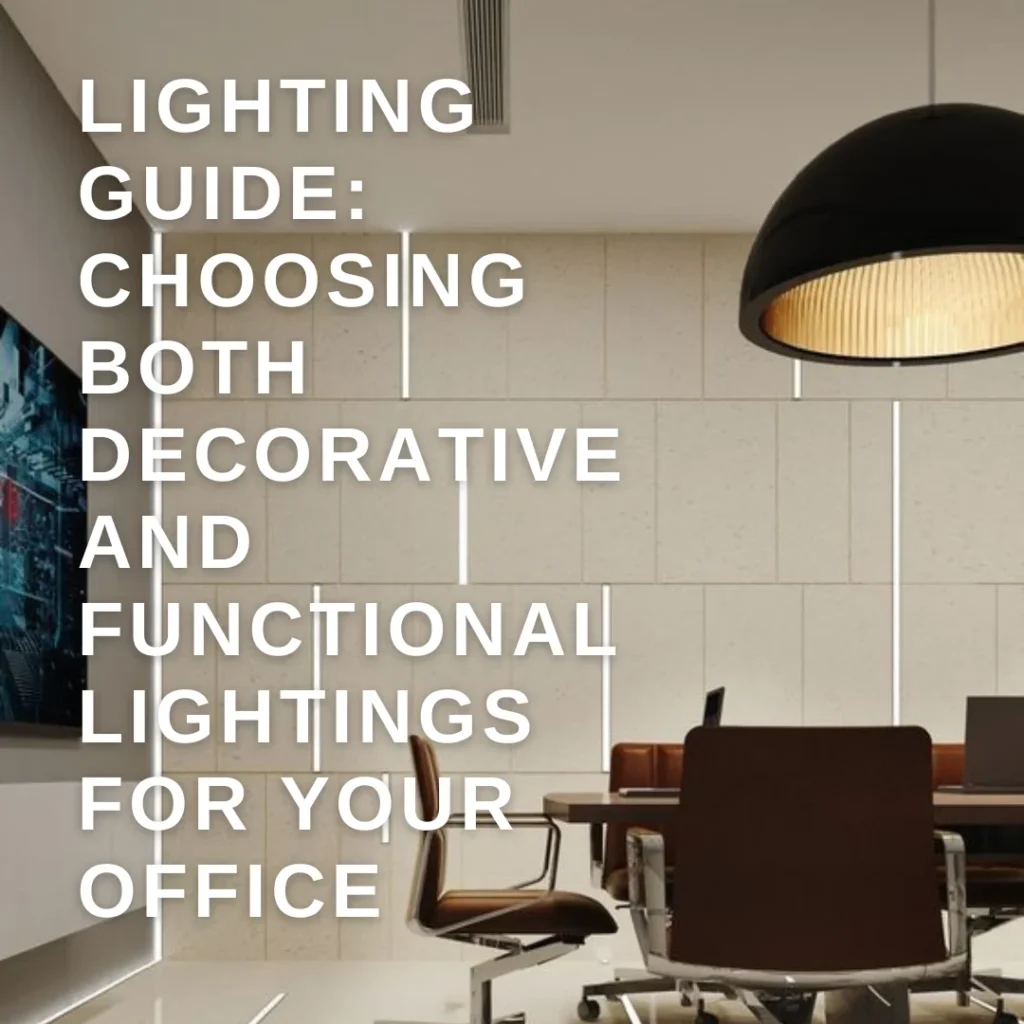
The cornerstone of any well‑designed office is lighting that supports the eyes while enhancing the visual appeal of the room. When it comes to workspace décor with soft desk lighting, start by selecting fixtures that emit a warm color temperature between 2700K and 3000K. This range mimics the gentle glow of a sunrise, reducing strain and promoting a calm atmosphere. Consider adjustable LED desk lamps, which let you fine‑tune brightness without compromising on energy efficiency.
Key Features to Look For in Soft Desk Lighting
- Dimmer switches or touch‑controlled brightness levels.
- Glare‑free diffusers that spread light evenly across the work surface.
- Flexible arms or pivoting heads for targeted illumination.
By prioritizing these features, you ensure that the lighting integrates seamlessly with the overall workspace décor while remaining adaptable to different tasks, from reading documents to sketching designs.
Color Schemes and Materials That Complement Soft Lighting
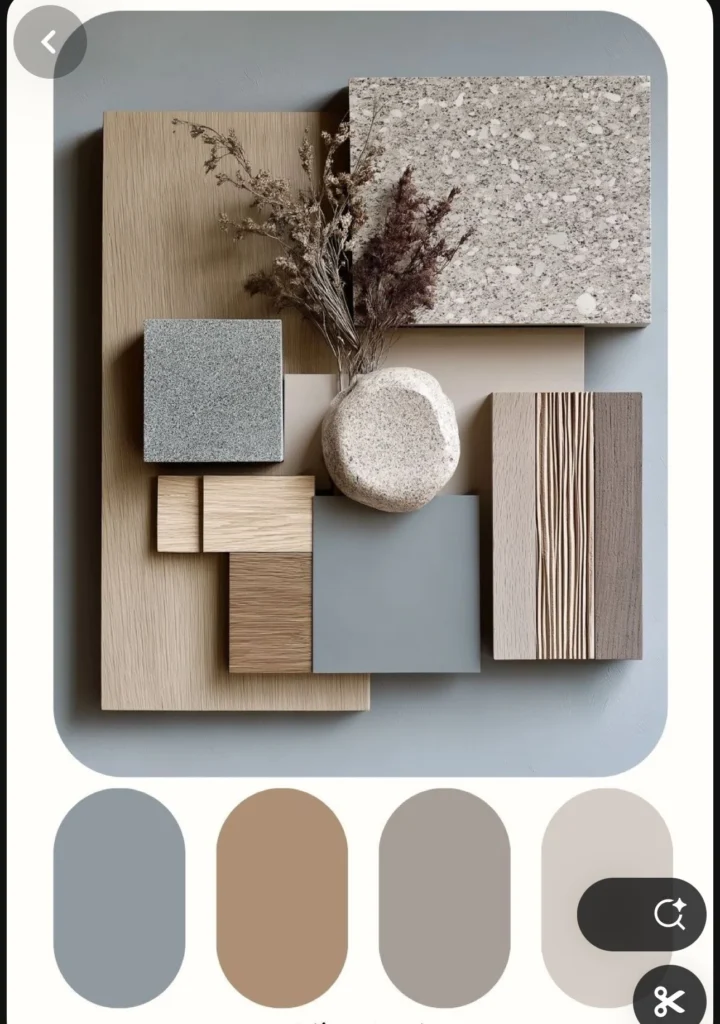
Soft desk lighting shines brightest when paired with the right color palette. Neutral tones such as warm greys, soft beiges, and muted earth colors reflect the gentle glow, creating a harmonious backdrop. If you prefer a pop of color, incorporate pastel accents—think sage green or dusty blue—through cushions, wall art, or a rug. Natural materials like wood, linen, and woven baskets further soften the environment, echoing the understated elegance of the lighting.
For a touch of luxury, add a matte‑finished metallic accent, such as a brushed brass desk organizer. The subtle sheen catches the low‑intensity light without creating harsh reflections, reinforcing a cohesive visual narrative.
Strategic Placement: Where to Position Your Soft Desk Lamp
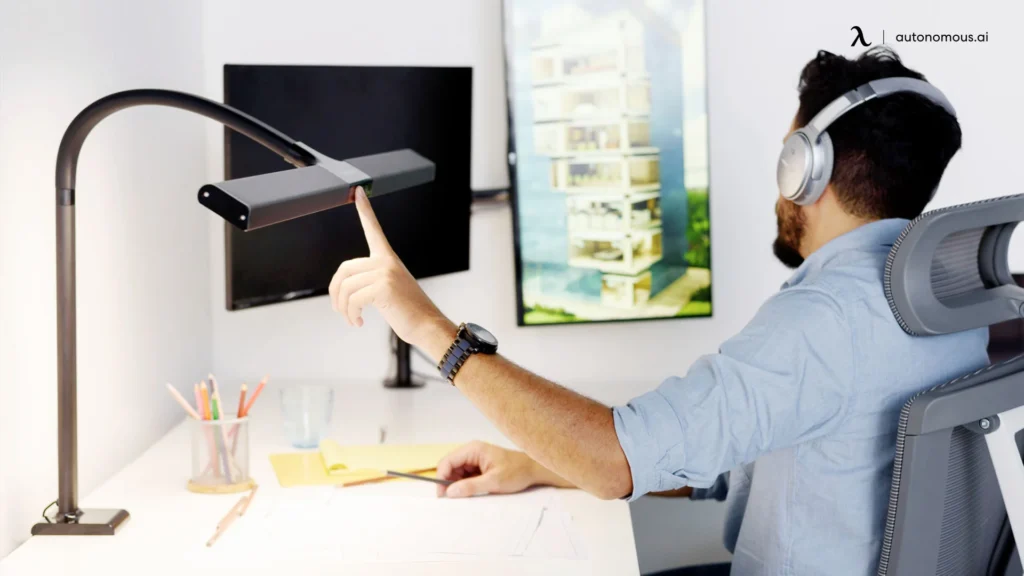
Placement is as critical as the fixture itself. Position the lamp on the side of the dominant hand to avoid shadows on the work area. If you share a desk, consider a dual‑arm lamp that provides balanced illumination for both users. For larger workstations, a floor lamp with an adjustable head can cast a soft wash of light across the entire zone, filling corners that might otherwise feel dim.
When your workspace includes shelving or a floating desk, mount wall sconces with diffused bulbs. These fixtures add depth to the room and maintain a clean desk surface, a principle championed by many interior design experts.
Integrating Decorative Elements Without Overcrowding
Even with the best lighting, a cluttered desk can diminish the calming effect of soft illumination. Adopt a minimalist approach: choose a few statement pieces—like a ceramic pen holder, a sleek monitor stand, or a small indoor plant—to add personality without overwhelming the space. Plants, especially low‑maintenance varieties like succulents or ZZ plants, thrive under soft lighting and introduce a natural element that balances the artificial glow.
For inspiration on incorporating natural accents, check out our article on modern cozy bedroom ideas, which highlights how subtle textures can elevate a room’s atmosphere.
Smart Technology and Energy Efficiency
Modern soft desk lighting doesn’t have to be static. Smart LED lamps connect to apps or voice assistants, allowing you to schedule dimming cycles that mimic natural daylight patterns. This not only enhances focus but also conserves energy, aligning with sustainable design principles. Look for fixtures with a high CRI (Color Rendering Index) of 90 or above; these bulbs reveal true colors in your décor, ensuring that artwork, textiles, and accessories appear as intended under soft illumination.
Quick Tips for an Instantly Better Workspace
- Use a dimmable LED lamp with a 2700K‑3000K color temperature.
- Place a small, low‑maintenance plant near the light source.
- Choose a desk surface in a matte finish to reduce glare.
- Incorporate a single accent color through accessories.
- Install a wall sconce to free up desk space.
Common Mistakes to Avoid in Workspace Décor with Soft Desk Lighting
Even seasoned decorators can slip into habits that compromise the effectiveness of soft lighting. One frequent error is using overly bright bulbs, which defeat the purpose of a gentle ambience and can cause eye fatigue. Another pitfall is selecting fixtures with reflective finishes that bounce light harshly, creating glare. Finally, over‑decorating the desk surface with too many objects can block light diffusion, leading to uneven illumination.
To maintain the integrity of your design, stick to the principle of “less is more.” Keep the desk clear, opt for matte or brushed finishes, and always test a lamp’s brightness before committing to a final placement.
Frequently Asked Questions
What color temperature is best for soft desk lighting?
A warm color temperature between 2700K and 3000K provides a soothing glow that reduces eye strain while enhancing the overall aesthetic of workspace décor with soft desk lighting.
Can I use a floor lamp instead of a desk lamp?
Yes. A floor lamp with an adjustable head can cast a gentle wash of light across a larger area, making it an excellent alternative for open‑plan workstations or shared desks.
Do smart lamps really improve productivity?
Smart lamps allow you to program lighting cycles that align with natural circadian rhythms, which can boost focus and reduce fatigue during long work sessions.
How many plants can I place near my soft desk lamp?
One to two low‑light‑tolerant plants are ideal. Too many can crowd the space and block light, while a single well‑placed plant adds freshness without compromising illumination.
Is LED the best option for soft desk lighting?
LEDs are energy‑efficient, long‑lasting, and come in a range of dimmable options with high CRI values, making them the top choice for modern workspace décor.
By thoughtfully selecting soft desk lighting, pairing it with complementary colors and materials, and keeping the workspace uncluttered, you create an environment that nurtures both productivity and well‑being. Whether you’re revamping a full‑size home office or a compact corner in a studio apartment, these principles guide you toward a harmonious, stylish, and functional workspace décor with soft desk lighting.