
Table of Contents
- Integrating kitchen décor with woven placemats: The fundamentals
- Choosing the right kitchen décor with woven placemats for your style
- Mix‑and‑match: Pairing woven placemats with other kitchen décor elements
- Layering with table runners and napkins
- Coordinating with countertop accessories
- Integrating wall art and open shelving
- Material guide: From natural fibers to modern synthetics
- Jute and Seagrass
- Cotton and Linen
- Hemp and Bamboo
- Synthetic blends (Polypropylene, Acrylic)
- Styling tips for small kitchens and apartments
- Use placemats as visual dividers
- Opt for light‑colored mats to expand the room
- Stackable storage solutions
- Quick home décor tips
- Common mistakes to avoid when styling kitchen décor with woven placemats
- Frequently Asked Questions
- Can woven placemats be used on countertops?
- How often should I clean my woven placemats?
- Do woven placemats work in modern, minimalist kitchens?
- Are woven placemats eco‑friendly?
- Can I mix different woven materials in the same kitchen?
- What is the best way to store placemats when not in use?
Kitchen décor with woven placemats – Timeless Style & Practical Flair
When it comes to refreshing a kitchen without a full renovation, the subtle power of textiles often goes unnoticed. Woven placemats, with their natural textures and versatile patterns, can instantly elevate a room’s aesthetic while protecting surfaces from spills and scratches. For homeowners and renters alike, these accessories strike a perfect balance between style and function, making them a smart choice for anyone looking to infuse warmth and personality into their cooking space.
In this comprehensive guide, we’ll explore how to incorporate kitchen décor with woven placemats into a variety of design schemes—from rustic farmhouse kitchens to sleek, contemporary interiors. You’ll learn how to select the right materials, match colors and patterns, and layer complementary accessories for a cohesive look. By the end, you’ll feel confident turning a simple dining table or countertop into a curated focal point that reflects your unique taste.
Whether you’re a seasoned design enthusiast or just beginning to experiment with home styling, the ideas below will provide practical, step‑by‑step guidance that you can apply immediately. Let’s dive into the world of woven textures and see how they can reshape your kitchen experience.
Integrating kitchen décor with woven placemats: The fundamentals
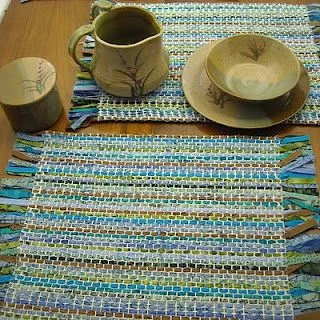
Understanding the basic role of woven placemats is essential before you begin styling. At their core, these pieces serve three primary purposes: protection, visual interest, and tactile comfort. A well‑chosen placemat can shield a tabletop from heat and moisture, add a layer of visual depth, and introduce a soft, inviting feel that contrasts nicely with harder surfaces like stone or metal.
When selecting kitchen décor with woven placemats, consider the overall vibe of your space. A coastal kitchen may benefit from light‑colored jute or seagrass mats, while an industrial loft could embrace darker, tightly woven cotton or hemp. The material you choose influences not only durability but also the story you tell through texture. For instance, natural fibers like rattan convey an organic, eco‑friendly narrative, whereas synthetic blends offer brighter colors and easier cleaning.
Choosing the right kitchen décor with woven placemats for your style
Here are three key factors to evaluate when making your selection:
- Material durability: Look for tightly woven fibers that resist wear, especially if the placemats will see daily use.
- Color palette: Align the mat’s hue with existing kitchen tones—neutral shades blend seamlessly, while bold colors can become statement pieces.
- Pattern scale: Large geometric designs work well in spacious kitchens, whereas small, intricate motifs suit cozier areas.
By matching these attributes to your kitchen’s architecture, you create a harmonious backdrop that feels intentional rather than accidental.
Mix‑and‑match: Pairing woven placemats with other kitchen décor elements
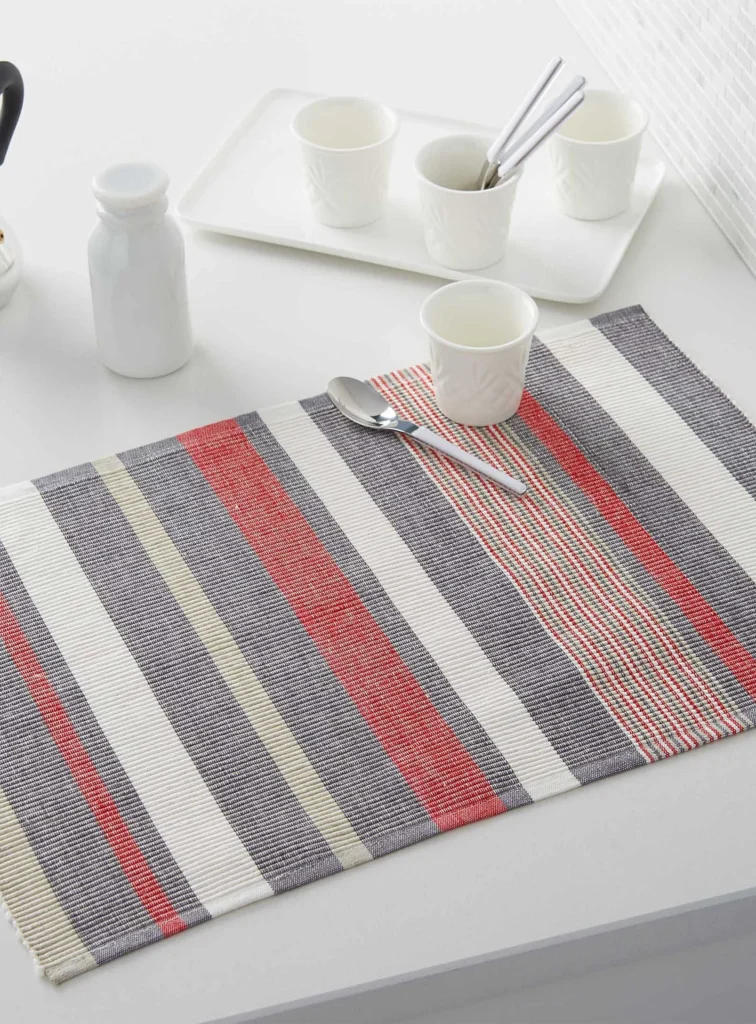
Woven placemats are most effective when they act as a bridge between larger décor components. Think of them as the connective tissue that ties together countertops, cabinetry, lighting, and even wall art. Below are several pairing strategies that showcase this synergy.
Layering with table runners and napkins
A runner placed beneath a row of placemats can elongate the visual field, especially on rectangular tables. Choose a runner in a complementary shade—perhaps a muted beige if your placemats are a warm honey tone. Pairing them with linen napkins that echo the runner’s texture creates a cohesive, layered look that feels both curated and comfortable.
Coordinating with countertop accessories
Simple accessories such as wooden utensil holders, marble salt & pepper shakers, or copper mugs can echo the natural feel of woven placemats. When the metal finishes or wood grain match the undertones of the mat, the overall composition feels unified. For a modern twist, introduce matte black or brushed steel pieces that contrast the soft fibers without clashing.
Integrating wall art and open shelving
If your kitchen features open shelving, consider displaying small woven baskets or woven wall hangings that echo the placemat’s texture. This creates a subtle visual echo that pulls the eye upward, balancing the horizontal line of the tabletop. For inspiration on wall décor, check out our guide on DIY macrame wall décor ideas – Creative Projects for Every Home.
Material guide: From natural fibers to modern synthetics
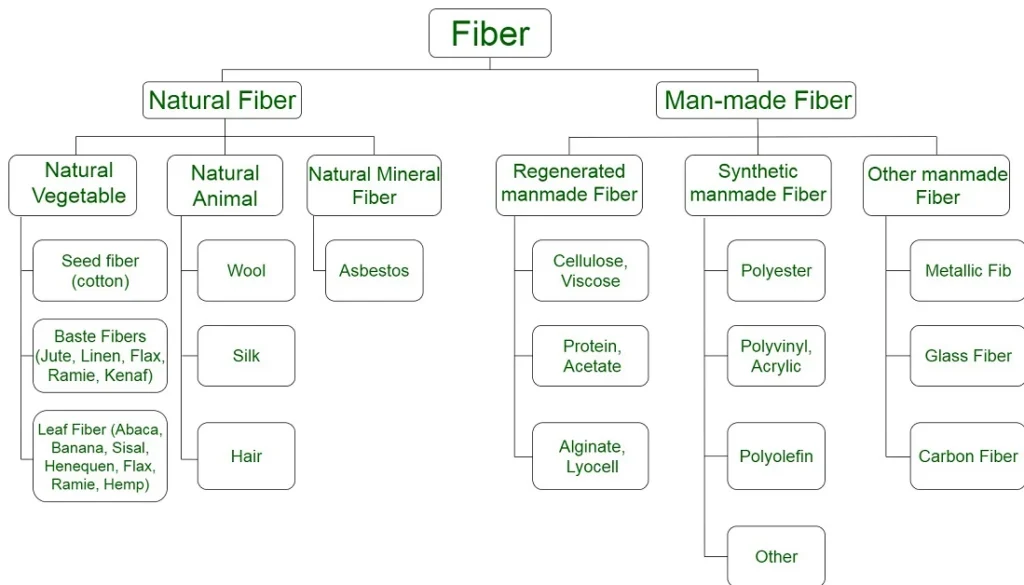
Choosing the right material for kitchen décor with woven placemats is more than an aesthetic decision; it influences maintenance, longevity, and even the environmental footprint of your design. Below is a breakdown of popular options and their ideal use cases.
Jute and Seagrass
These natural fibers are celebrated for their earthy tones and rugged texture. They work exceptionally well in rustic or farmhouse kitchens, where the aim is to bring the outdoors in. While beautiful, they can be prone to staining, so consider a protective sealant if you anticipate heavy use.
Cotton and Linen
Cotton offers softness and easy care, making it suitable for families with children. Linen, with its slightly rougher weave, adds an elegant, slightly crinkled look that pairs beautifully with minimalist or Scandinavian interiors. Both fabrics can be machine‑washed, which is a practical advantage.
Hemp and Bamboo
Hemp is strong, durable, and naturally resistant to mold—ideal for kitchens with higher humidity. Bamboo, while technically a grass, can be woven into sleek, glossy mats that fit contemporary designs. Both materials are renewable, aligning with eco‑conscious design goals.
Synthetic blends (Polypropylene, Acrylic)
For high‑traffic kitchens, synthetic fibers provide durability and stain resistance without sacrificing style. Modern manufacturing allows these mats to mimic natural textures while offering brighter color options that can serve as accent pieces.
Styling tips for small kitchens and apartments
When space is limited, every decorative element must earn its place. Woven placemats can become multifunctional tools that enhance visual space while serving practical purposes.
Use placemats as visual dividers
In open‑plan apartments, place a row of placemats on a kitchen island to delineate the cooking zone from the dining area. This subtle cue helps define separate functional zones without erecting walls or bulky furniture.
Opt for light‑colored mats to expand the room
Light neutrals such as ivory, pale gray, or soft beige reflect more light, making the space feel larger. Pairing these with sleek, minimalist cabinetry amplifies the airy atmosphere.
Stackable storage solutions
When not in use, folded placemats can be stored in a decorative basket on the countertop, adding texture while keeping the kitchen tidy. Choose a basket that matches the mat’s material—perhaps a jute basket for jute placemats.
Quick home décor tips
- Mix textures: Pair a woven placemat with a smooth marble countertop for contrast.
- Play with color accents: Introduce a pop of color through a single bold‑hued placemat placed among neutrals.
- Rotate seasonally: Swap out placemats each season to refresh the look without major changes.
- Layer for depth: Place a thin, neutral runner beneath a set of patterned placemats.
- Mind the scale: Ensure the size of the placemat leaves enough room for plates and utensils without crowding.
Common mistakes to avoid when styling kitchen décor with woven placemats
Even seasoned decorators can slip up. Here are pitfalls that can undermine the impact of your woven placemats, along with solutions to keep your design on track.
- Choosing the wrong size: A mat that is too small looks like an afterthought, while one that’s too large can overwhelm the table. Measure your tabletop first and select mats that leave at least a 2‑inch border around the edges.
- Ignoring maintenance: Some natural fibers stain easily. If you love hosting, opt for darker hues or treated fabrics that resist spills.
- Clashing patterns: Pair a bold‑patterned placemat with a simple runner or plain napkins. Too many competing designs create visual chaos.
- Overloading the table: Adding too many decorative items (candles, vases, etc.) can distract from the placemat’s texture. Keep accessories minimal for a clean aesthetic.
- Neglecting harmony with existing décor: Ensure the placemat’s color palette complements cabinet finishes, backsplash tiles, and flooring to maintain a unified look.
Frequently Asked Questions
Can woven placemats be used on countertops?
Yes, many woven placemats are designed to withstand heat and moisture, making them suitable for countertop use. However, for heavy cooking tasks, choose mats made from heat‑resistant fibers like hemp or coated synthetic blends.
How often should I clean my woven placemats?
Frequency depends on material and usage. Cotton and linen mats can be machine‑washed every few weeks, while natural fibers like jute benefit from spot cleaning and occasional gentle vacuuming to preserve their texture.
Do woven placemats work in modern, minimalist kitchens?
Absolutely. A neutral‑toned, low‑profile woven mat adds subtle warmth without overwhelming a minimalist palette. Pair it with sleek hardware and monochrome accessories for a balanced look.
Are woven placemats eco‑friendly?
Many are, especially those crafted from renewable resources such as jute, hemp, bamboo, or recycled cotton. Look for certifications or product descriptions that highlight sustainable sourcing.
Can I mix different woven materials in the same kitchen?
Mixing is possible, but keep the overall color scheme consistent. For example, a jute mat paired with a hemp runner creates a cohesive natural feel while adding subtle variation.
What is the best way to store placemats when not in use?
Fold them neatly and place them in a breathable storage basket or a linen drawer. Avoid plastic bags, which can trap moisture and lead to mildew on natural fibers.
Incorporating kitchen décor with woven placemats offers a low‑cost, high‑impact way to refresh any culinary space. By selecting appropriate materials, balancing colors, and thoughtfully pairing them with complementary accessories, you can transform a functional area into a styled haven that welcomes family and friends alike. For further inspiration, explore our article on Soft Neutral Living Room Décor Inspiration – Calm, Cozy & Contemporary, which demonstrates how texture can unify an entire home.
Now that you have a toolbox of ideas, experiment with different arrangements, textures, and colors. Remember, décor is an evolving conversation between you and your space—let woven placemats be the first words that set the tone for a beautiful, functional kitchen.