
Table of Contents
- Understanding Yew: Characteristics and Common Uses
- Exploring Boxwood: Traits, Growth, and Design Flexibility
- yew vs boxwood: Growth Habits and Maintenance Comparison
- Key Differences in yew vs boxwood Pruning Needs
- Design Considerations: Incorporating Evergreens into Modern Home Décor
- Practical Planting Tips for Small Spaces and Urban Gardens
- Quick Home Décor Tips Using Evergreen Accents
- Common Mistakes When Choosing Between yew vs boxwood
- Frequently Asked Questions
- Can yew and boxwood be grown together in the same garden?
- Which evergreen is better for creating a formal hedge?
- Are yew and boxwood safe for pets?
- How often should I fertilize yew vs boxwood?
- Can I use yew or boxwood in a container garden on a balcony?
- What are the best companion plants for yew and boxwood?
- Conclusion
yew vs boxwood – Which Evergreen Suits Your Modern Home Landscape?
Evergreen shrubs are the silent architects of a garden’s year‑round structure, providing privacy, texture, and a touch of refined elegance. Among the most celebrated options, yew (Taxus) and boxwood (Buxus) dominate the conversation. Homeowners and designers often ask, “yew vs boxwood: which one fits my space?” The answer depends on climate, maintenance preferences, design goals, and even the subtle nuances of leaf form and growth habit.
This article unpacks the characteristics of each plant, compares them side by side, and offers actionable guidance for integrating the right evergreen into living rooms, balconies, and small‑space gardens. Whether you’re planning a formal hedge, a low‑key border, or a sculptural accent in a contemporary interior‑visible courtyard, understanding yew vs boxwood will empower you to make a confident, stylish choice.
Understanding Yew: Characteristics and Common Uses

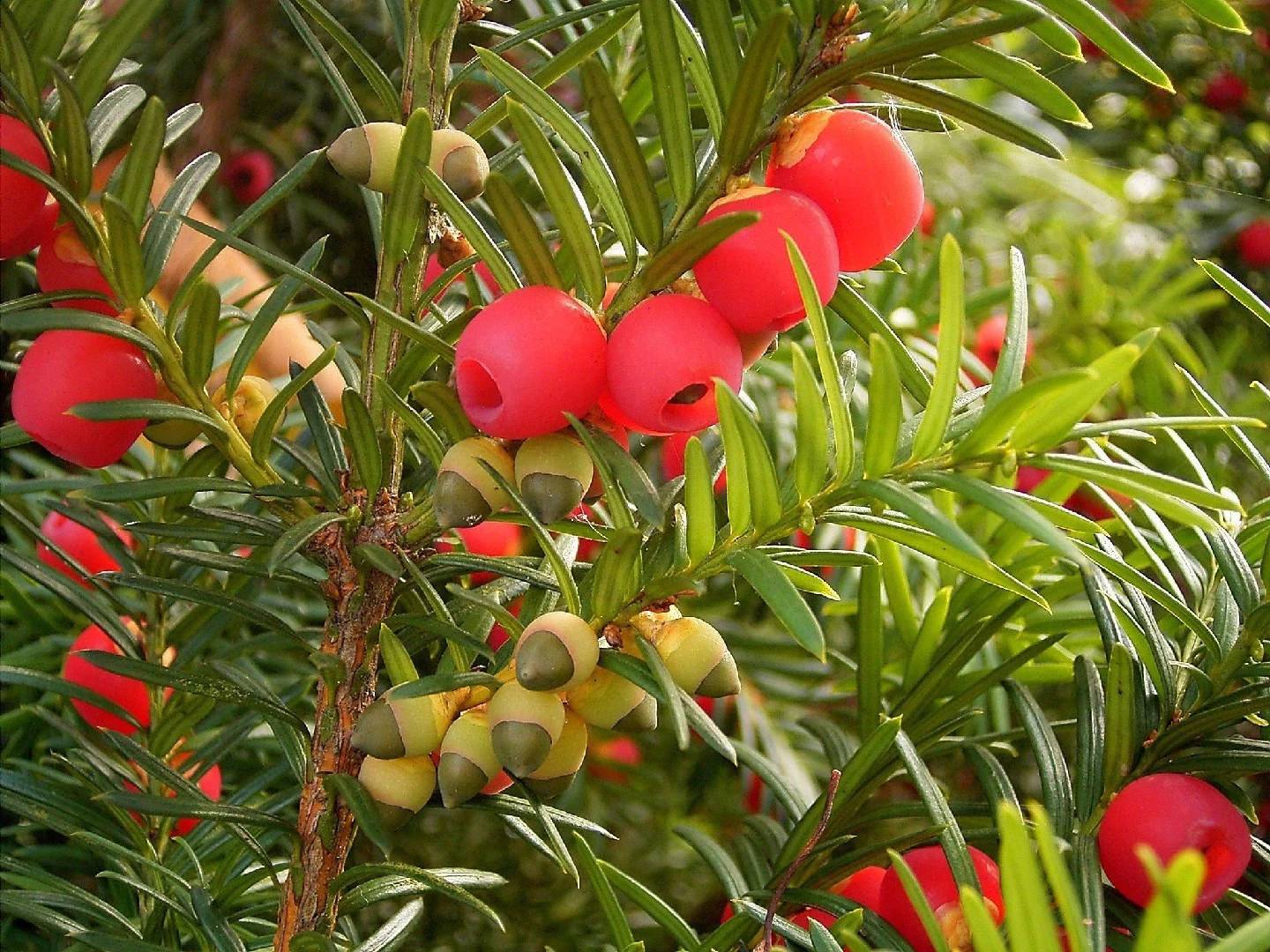
Yew is a slow‑growing conifer with a reputation for longevity; some specimens in Europe exceed 2,000 years. Its soft, dark green needles are arranged in flat sprays, and the plant produces distinctive red berry‑like arils that are toxic if ingested. Because yew tolerates heavy shade and a wide pH range, it thrives in both woodland settings and formal gardens.
In modern home décor, yew’s compact growth and ability to be clipped into geometric forms make it a favorite for topiaries and hedges that frame patios or sit just behind living‑room windows. Yew also handles pruning to a fine point, allowing designers to craft architectural silhouettes that echo contemporary minimalism. However, it prefers well‑drained soil and can be vulnerable to root rot in persistently wet conditions.
Exploring Boxwood: Traits, Growth, and Design Flexibility
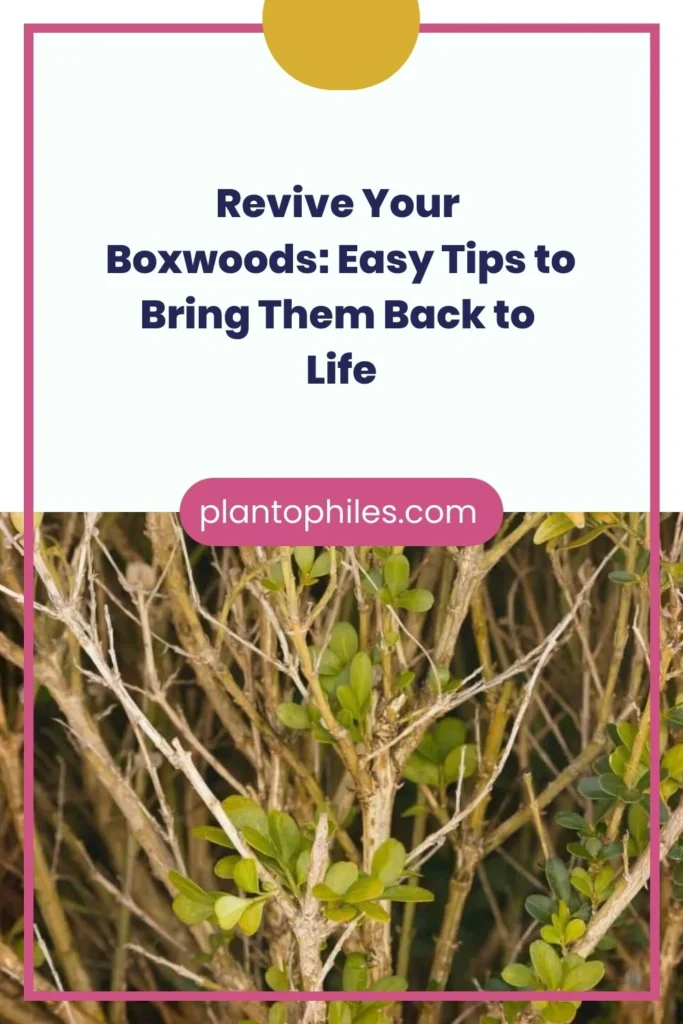
Boxwood, a member of the Buxaceae family, is celebrated for its dense, glossy, evergreen foliage. The leaves are small, leathery, and typically a deep shade of green that retains color even in the harshest winter light. Boxwood varieties range from dwarf forms, such as ‘Green Velvet,’ to larger cultivars like ‘Wintergreen,’ giving designers a broad palette for scale.
Boxwood’s adaptability to pruning makes it a staple for formal hedges, low‑boxes, and container planting. Its roots are relatively shallow, which means it can be placed in raised beds or large pots on balconies—a perfect fit for Balcony Plant Décor Ideas – Transform Small Spaces with Greenery. The plant prefers slightly alkaline soil but can survive in a range of conditions, provided it receives good air circulation to prevent fungal issues like boxwood blight.
yew vs boxwood: Growth Habits and Maintenance Comparison

When weighing yew vs boxwood, growth speed is a primary factor. Yew typically adds 6–12 inches of height per year, making it a long‑term commitment for a mature shape. Boxwood, on the other hand, can grow 4–8 inches annually, with dwarf varieties remaining under two feet for many years.
Both plants respond well to regular pruning, yet their pruning windows differ. Yew tolerates late‑summer trimming, while boxwood should be pruned in early spring to avoid encouraging new growth that may be damaged by late frosts. Understanding these timing nuances helps you maintain a tidy appearance without compromising plant health.
Key Differences in yew vs boxwood Pruning Needs
- Timing: Yew can be shaped later in the season; boxwood benefits from early‑season cuts.
- Tool Choice: Sharp, clean secateurs work for both, but a light pruning saw is often needed for thicker yew stems.
- Regrowth Rate: Boxwood fills in gaps more quickly after pruning, making it ideal for dense hedges.
Design Considerations: Incorporating Evergreens into Modern Home Décor
Modern interiors often blur the line between indoor and outdoor spaces. Selecting the right evergreen can reinforce this seamless flow. Yew’s darker foliage pairs beautifully with light‑colored stone pavers and steel accents, creating a dramatic backdrop for contemporary furniture. Boxwood’s bright, uniform leaves complement neutral palettes and work well as living dividers in open‑plan living rooms.
For homeowners with limited space, consider using boxwood in raised containers that sit on a balcony or a sunroom ledge. Its shallow root system prevents damage to flooring while offering a tidy, evergreen presence year‑round. Yew, with its tolerance for shade, can be planted behind taller shrubs or beneath taller trees where light is filtered, allowing you to maintain a lush, layered look without overcrowding the space.
Integrating these plants also opens opportunities for creative accessories. A well‑trimmed yew hedge can frame a garden pathway that leads to a stylish outdoor lounge, while a low boxwood border can define a minimalist water feature. Pair these living elements with clay pottery décor for a cohesive aesthetic that bridges nature and design.
Practical Planting Tips for Small Spaces and Urban Gardens
Even if you live in a compact apartment, yew vs boxwood can still play a starring role in your décor. Here are practical steps to ensure success:
- Assess Light: Yew tolerates deep shade; boxwood needs at least 4–6 hours of filtered sunlight.
- Choose the Right Container: For boxwood, use a pot at least 12 inches wide with drainage holes; yew prefers larger, more stable containers to support its root mass.
- Soil Mix: Blend equal parts loam, sand, and organic compost for boxwood; add perlite to improve drainage for yew.
- Watering Schedule: Keep soil evenly moist during the first growing season. Afterwards, water deeply once a week for boxwood and reduce frequency for yew in cooler months.
By following these guidelines, you’ll create a thriving evergreen feature that enhances both the visual and atmospheric quality of your home environment.
Quick Home Décor Tips Using Evergreen Accents
- Use a trimmed yew hedge as a living backdrop for a modern fire pit area.
- Place dwarf boxwood in a sleek metal planter to echo industrial interior themes.
- Combine both plants in alternating rows for a textured garden wall that adds depth to balcony views.
- Integrate subtle lighting—spotlights aimed at yew foliage create dramatic shadows after dusk.
- Pair boxwood tops with decorative stones from Quartzscapes vs Pebble Tec for a polished, low‑maintenance ground cover.
Common Mistakes When Choosing Between yew vs boxwood
Even seasoned gardeners can slip up. Recognizing these pitfalls helps you avoid costly replanting or plant loss.
- Ignoring Soil Drainage: Planting yew in heavy clay without amendment can lead to root rot, while boxwood in soggy soil invites blight.
- Over‑pruning: Cutting more than a third of the foliage at once stresses both evergreens, reducing their ability to photosynthesize.
- Misjudging Climate: Yew thrives in cooler climates; in hot, arid regions, boxwood may suffer without supplemental irrigation.
- Neglecting Pest Management: Both plants attract specific pests—yew can be attacked by yew aphids, and boxwood is vulnerable to boxwood leafminer. Regular inspection prevents infestations.
Frequently Asked Questions
Can yew and boxwood be grown together in the same garden?
Yes, they complement each other well. Yew’s shade tolerance allows it to occupy darker corners, while boxwood can fill sunnier edges. Just ensure each receives its preferred soil moisture and sunlight.
Which evergreen is better for creating a formal hedge?
Boxwood is traditionally favored for formal hedges due to its dense, fine‑leaf texture and rapid response to pruning. However, if you desire a taller, more forgiving hedge that can tolerate shade, yew is an excellent alternative.
Are yew and boxwood safe for pets?
Yew contains toxic compounds in all parts except the fleshy aril, making it unsafe for dogs and cats. Boxwood is generally non‑toxic, but ingestion of large amounts can cause mild gastrointestinal upset. Always supervise pets around new plantings.
How often should I fertilize yew vs boxwood?
Both benefit from a balanced, slow‑release fertilizer in early spring. Apply about 1 pound per 100 square feet for boxwood and slightly less for yew, as excessive nitrogen can encourage weak growth.
Can I use yew or boxwood in a container garden on a balcony?
Boxwood is the more common balcony choice due to its shallow roots and adaptability to pots. Yew can be used in large containers but requires a heavier pot and careful drainage to avoid waterlogged roots.
What are the best companion plants for yew and boxwood?
For yew, consider shade‑loving perennials like hostas or ferns. Boxwood pairs nicely with low‑growers such as lavender, sedum, or ornamental grasses that contrast its fine foliage.
Conclusion
Choosing between yew vs boxwood ultimately hinges on your site conditions, design aspirations, and willingness to maintain the plants. Yew offers deep shade tolerance, a classic, sculptural silhouette, and impressive longevity, making it ideal for formal hedges and darker garden niches. Boxwood shines in bright spots, adapts readily to containers, and provides a crisp, uniform edge that suits modern, minimalist décor.
By assessing light, soil, and space, and applying the practical tips outlined above, you can confidently integrate the right evergreen into your home landscape. The result will be a year‑round backdrop that enhances your interior‑exterior flow, adds texture, and reflects your personal style. Explore more design inspiration on The Homara and let your garden become a living extension of your modern home décor.