

Table of Contents
- Balcony Plant Décor Ideas: Getting Started with the Right Foundations
- Balcony Plant Décor Ideas for Limited Sunlight
- Vertical Gardening: Maximizing Height and Depth
- Container Selections: Style Meets Function
- Styling with Lighting and Accessories
- Seasonal Rotation and Maintenance Tips
- Quick Tips for an Instant Balcony Refresh
- Common Mistakes and How to Avoid Them
- Frequently Asked Questions
Balcony Plant Décor Ideas – Transform Small Spaces with Greenery
Balconies often become the forgotten corners of a home, yet they hold enormous potential for turning a modest outdoor area into a vibrant extension of your living space. Whether you live in a compact city apartment or a spacious suburban house, the right balcony plant décor ideas can add color, texture, and a breath of fresh air that instantly upgrades the overall ambience.
In this article we’ll explore practical strategies that blend aesthetics with functionality, helping you choose the perfect plants, containers, and layout tricks. You’ll learn how to work with sunlight constraints, create visual interest with mixed materials, and keep maintenance manageable, all while staying true to a modern design sensibility. Let’s dive into the world of balcony transformation and discover how a few thoughtful touches can make a big impact.
Balcony Plant Décor Ideas: Getting Started with the Right Foundations

The first step toward a stunning balcony garden is assessing the space you have. Measure the width, depth, and railing height, then consider the direction of sunlight—morning, midday, or evening light will dictate which plant species will thrive. Even a narrow balcony can become a curated showcase if you choose lightweight, stackable containers and vertical solutions.
Choose a cohesive color palette for pots and accessories. Neutral tones such as soft gray, matte white, or muted terracotta create a sophisticated backdrop that lets the foliage shine. For a bolder look, pair complementary colors like deep navy with bright mustard. Remember, the containers themselves are part of the décor, so treat them as decorative elements rather than mere functional vessels.
Balcony Plant Décor Ideas for Limited Sunlight
If your balcony receives only a few hours of indirect light, opt for shade‑tolerant plants that still add visual appeal. Ferns, spider plants, and certain varieties of philodendron thrive in low‑light conditions and can be arranged in hanging baskets to free up floor space. Adding a reflective surface, such as a small mirrored tray, can bounce light onto the foliage, giving the illusion of brighter conditions.
- Ferns: Their feathery fronds soften hard edges and work well in corners.
- Spider Plant: Produces arching ribbons of leaves that cascade beautifully from wall-mounted planters.
- Philodendron: Heart‑shaped leaves bring a touch of tropical elegance without demanding direct sun.
These selections keep your balcony green even when the sun is shy, ensuring that the overall design stays lively year-round.
Vertical Gardening: Maximizing Height and Depth
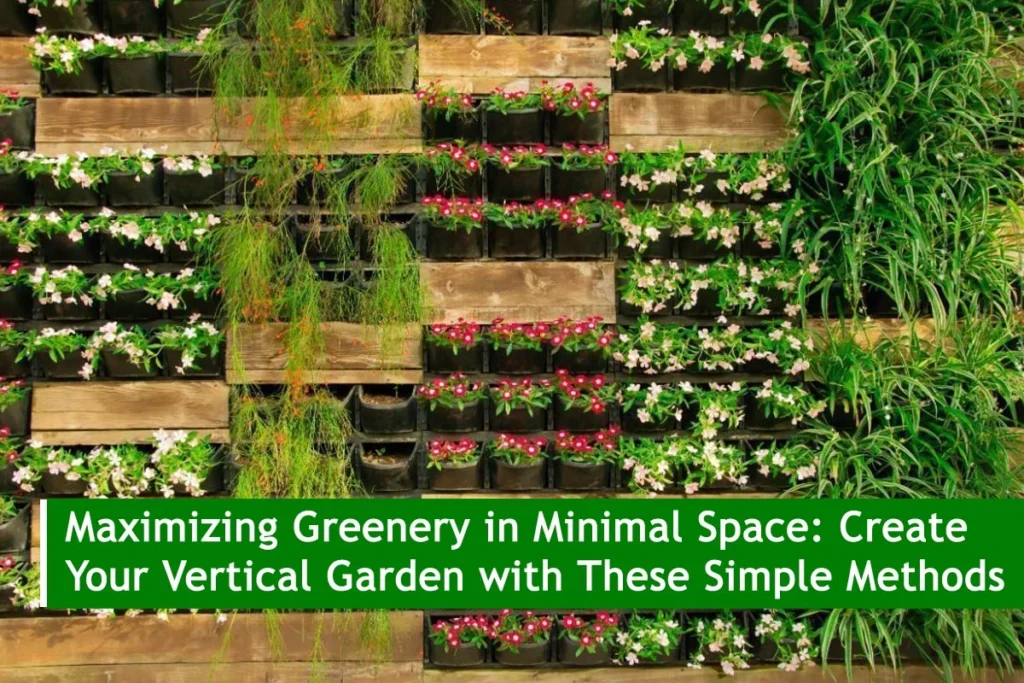
When floor space is limited, think vertically. Installing a trellis, modular wall planters, or even repurposed wooden pallets can create a living wall that adds depth without crowding the ground. Vertical gardens also provide an excellent backdrop for decorative lighting, allowing you to showcase your plants after dusk.
For a modern twist, combine metal grid panels with sleek ceramic pots. The contrast of industrial steel and smooth pottery adds visual intrigue while supporting a variety of trailing vines such as sweet pea, morning glory, or even compact varieties of jasmine for fragrance.
- Trellis: Ideal for climbing roses, clematis, or dwarf grape vines.
- Modular wall planters: Easy to rearrange, perfect for seasonal color changes.
- Pallet garden: Eco‑friendly and customizable; paint it to match your balcony’s palette.
Container Selections: Style Meets Function

The choice of containers can dramatically influence the overall vibe of your balcony. Here are three popular approaches that blend aesthetic appeal with practical considerations:
- Self‑watering pots: Perfect for busy homeowners, these containers feature an internal reservoir that reduces watering frequency while keeping roots evenly moist.
- Mixed‑material groupings: Pair concrete planters with woven rattan baskets and glazed ceramic pots for a layered, textural look. This approach mirrors the timeless style of clay pottery décor and adds depth.
- Miniature raised beds: If you have a deeper balcony, a low wooden box can house herbs, lettuce, and dwarf tomatoes, turning the area into a functional kitchen garden.
Don’t forget to add saucers underneath to protect flooring and to improve drainage, especially on balconies with wooden decking.
Styling with Lighting and Accessories
Lighting extends the usability of your balcony into the evening and highlights plant silhouettes for a dramatic effect. Solar LED string lights, lanterns, or discreet spotlights mounted on the railing can create a warm, inviting atmosphere.
Incorporate accessories that reflect your personal style. For instance, a small woven rug can define a seating nook, while a set of weather‑resistant cushions introduces comfort and color. If you enjoy a minimalist aesthetic, keep accessories to a minimum and let the plants be the stars.
- Solar string lights: Energy‑efficient and easy to install.
- Lanterns: Add a rustic charm; choose metal for an industrial feel.
- Weather‑proof cushions: Look for fabrics with UV protection to prevent fading.
For more lighting inspiration, see our guide on small living room lighting ideas, which offers principles that translate well to outdoor spaces.
Seasonal Rotation and Maintenance Tips
Keeping your balcony garden thriving requires a bit of foresight. Rotate seasonal plants to keep the space fresh and ensure each species receives the appropriate care. In spring, introduce colorful annuals like petunias and marigolds. Summer is ideal for heat‑loving herbs such as basil, thyme, and oregano. In autumn, swap out heat‑sensitive species for hardy foliage like ornamental cabbage or kale.
Regular maintenance includes pruning dead leaves, checking drainage holes, and rotating pots for even sunlight exposure. A simple weekly routine—inspect soil moisture, trim overgrown foliage, and dust leaves—will keep the garden looking polished and healthy.
Quick Tips for an Instant Balcony Refresh
- Group plants by water needs to simplify watering schedules.
- Use reflective surfaces or light-colored pots to amplify natural light.
- Incorporate a single statement piece, like a large sculptural planter, to anchor the design.
- Install a narrow railing shelf for herbs that need quick kitchen access.
- Choose drought‑tolerant succulents for low‑maintenance elegance.
Common Mistakes and How to Avoid Them
Even seasoned décor enthusiasts can stumble when styling a balcony. Below are typical pitfalls and practical solutions:
- Overcrowding: Packing too many plants leads to competition for light and airflow. Stick to a balanced layout—use vertical space and leave breathing room.
- Ignoring weight limits: Balconies have load capacities. Opt for lightweight containers or use hanging planters to reduce floor weight.
- Choosing the wrong soil: Regular potting mix can retain too much water. Use a well‑draining blend with perlite or sand for better aeration.
- Neglecting wind protection: Strong breezes can damage delicate foliage. Secure pots with brackets and consider windbreaks like bamboo screens.
Frequently Asked Questions
Can I grow vegetables on a small balcony?
Absolutely. Choose compact varieties such as cherry tomatoes, lettuce, and dwarf peppers. Use tiered planters or railing boxes to maximize space while keeping the garden manageable.
How often should I water balcony plants?
Watering frequency depends on plant type, container size, and weather. As a rule of thumb, check the top inch of soil—if it feels dry, it’s time to water. Self‑watering pots can reduce the need to water daily.
What are the best plants for windy balconies?
Sturdy, low‑profile plants like lavender, rosemary, and ornamental grasses withstand wind better than tall, delicate species. Adding a windbreak, such as a lattice screen, can also protect more vulnerable foliage.
Is it okay to use indoor plants outdoors?
Many indoor plants can adapt to outdoor conditions if introduced gradually and placed in shaded areas. However, ensure they receive adequate drainage and monitor for pests.
How can I make my balcony look cohesive with the interior?
Match container colors and materials with interior décor elements—e.g., use the same metal finish as kitchen hardware or the same rug pattern as your living room. This creates a seamless flow between indoor and outdoor spaces.
By applying these balcony plant décor ideas, you’ll create a green retreat that reflects your personal style while enhancing the overall aesthetic of your home. Remember, the journey from a plain balcony to a lush oasis is built on thoughtful choices, seasonal adjustments, and a willingness to experiment.