
Table of Contents
- Understanding wood trim vs white trim: Core Differences
- Choosing wood trim vs white trim for your budget
- Styling wood trim vs white trim in Different Rooms
- Practical considerations: Installation, durability, and maintenance
- Design trends: How wood trim vs white trim fits current interiors
- Quick Home Décor Tips for Trim Selection
- Common mistakes and how to avoid them
- Frequently Asked Questions
- Is wood trim always more expensive than white trim?
- Can I paint wood trim white?
- Which trim works best for small apartments?
- How does trim affect the perceived height of a room?
- Is MDF suitable for high‑traffic areas?
- Do I need to seal wood trim in a kitchen?
Wood Trim vs White Trim – Choosing the Best Finish for Your Home
When it comes to finishing a room, the choice of trim can dramatically influence the overall feel of a space. Whether you’re updating a historic bungalow or refreshing a modern apartment, the debate of wood trim vs white trim surfaces again and again. Homeowners often wonder which material will enhance architectural details, complement color palettes, and stand the test of time. In this article we’ll unpack the aesthetic, practical, and financial considerations that determine whether wood or white trim is the smarter pick for your project.
Beyond the obvious visual impact, trim plays a functional role: it protects walls, frames windows and doors, and can even affect perceived room dimensions. By the end of this guide you’ll have a clear framework to assess your style preferences, budget constraints, and maintenance willingness, allowing you to make a confident decision that aligns with your interior design goals.
Understanding wood trim vs white trim: Core Differences

At first glance, the contrast between wood trim and white trim appears simple—natural grain versus a clean, painted surface. Yet the underlying differences run deeper. Wood trim, typically crafted from pine, oak, or reclaimed timber, showcases its own texture and color variations, adding warmth and depth. White trim, on the other hand, is usually MDF or pine that’s been primed and painted, offering a crisp, uniform look that can brighten a room.
From a construction perspective, wood trim is generally more robust and can be sanded and refinished multiple times, extending its lifespan. White trim’s painted surface may chip or peel over time, especially in high‑traffic areas, but modern paint technologies have improved durability significantly. Understanding these material traits helps you decide which aligns with your lifestyle and long‑term plans.
Choosing wood trim vs white trim for your budget
Cost is often the deciding factor. Solid wood trim tends to be pricier per linear foot, especially if you opt for premium hardwoods like walnut or cherry. White trim made from MDF is typically more affordable, and the labor cost for painting can be lower than the finishing work required for wood. However, remember to factor in future maintenance; refinishing wood can be a DIY project that saves money down the road, whereas repainting white trim may become a recurring expense.
Styling wood trim vs white trim in Different Rooms
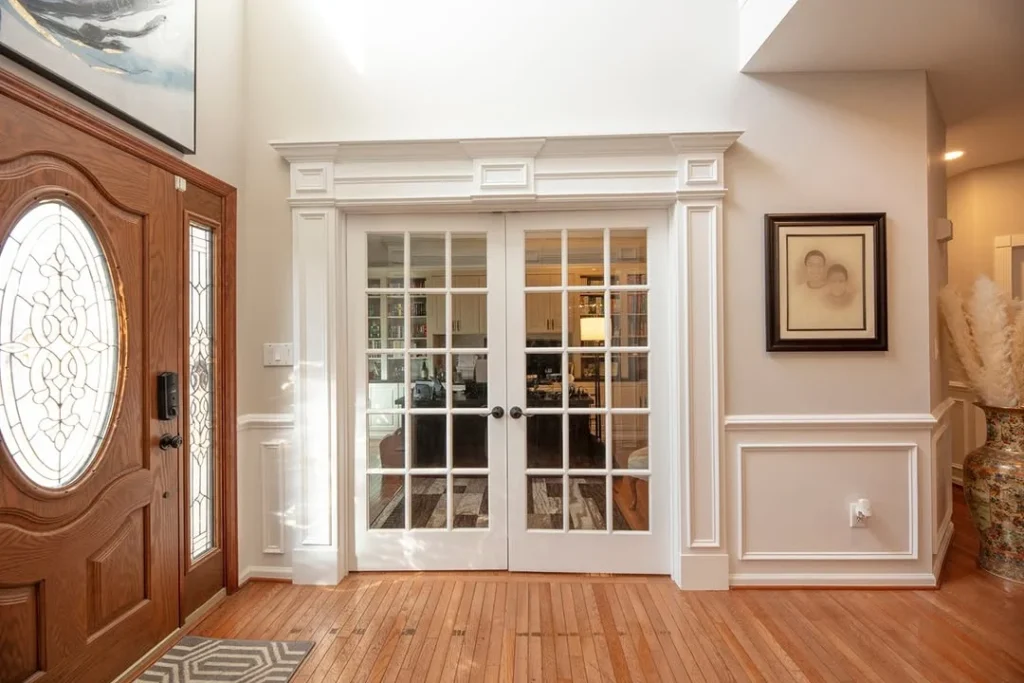
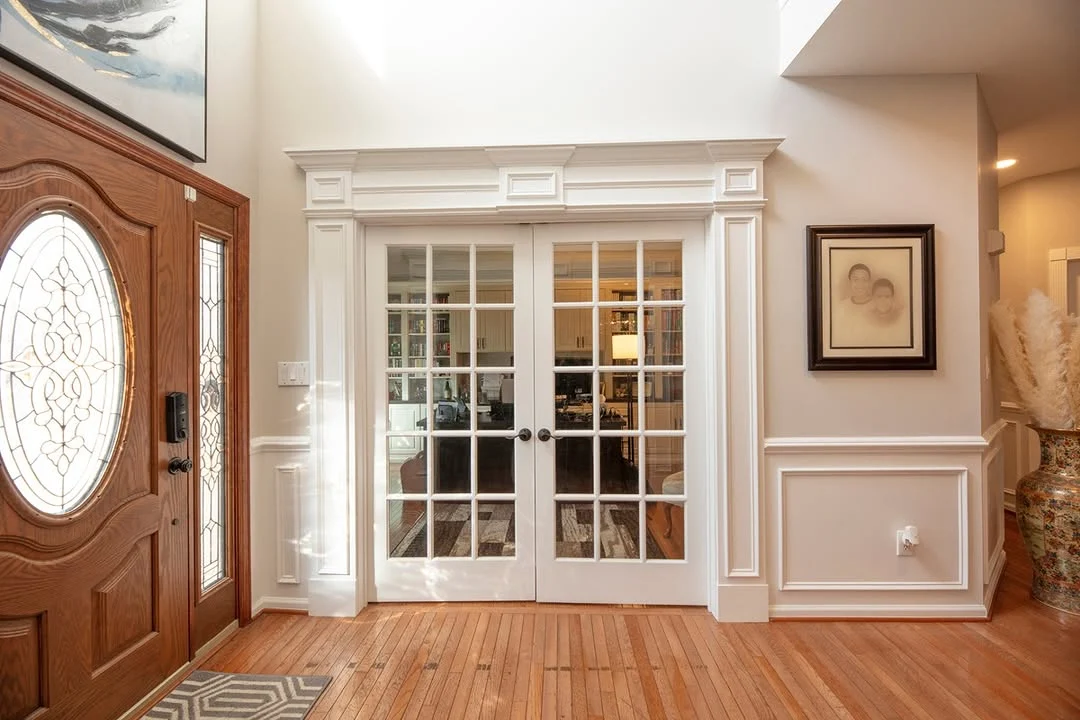
Each room has its own visual demands, and the trim choice should enhance rather than clash with the surrounding elements. In living rooms with exposed brick or rich, earthy tones, wood trim can echo the natural palette and reinforce a cozy ambiance. Conversely, a contemporary kitchen with sleek cabinets and glass backsplash benefits from white trim, which creates a seamless backdrop that emphasizes clean lines.
Bedrooms often serve as personal retreats; here you might blend both worlds—using white trim for ceiling and baseboard to keep the space feeling airy, while adding a narrow strip of wood molding around the doorframe to inject subtle warmth. In bathrooms, moisture resistance is paramount; painted white trim on moisture‑resistant MDF can be a practical choice, yet a well‑sealed wood trim can also work beautifully in a spa‑like setting.
For more visual inspiration, check out our guide on Modern Wall Design Inspiration: Fresh Ideas to Elevate Every Room, which showcases how trim interacts with wall treatments across various styles.
Practical considerations: Installation, durability, and maintenance

Installation techniques differ between wood and white trim. Wood trim usually requires careful nailing and occasional use of a nail gun to avoid splitting, followed by sanding and finishing. White trim, especially MDF, is lighter and easier to cut, making it a favorite among DIYers. However, MDF is more vulnerable to water damage, so it should be sealed properly in moisture‑prone zones.
Durability-wise, solid wood can endure dents and scratches that can be sanded out, while white trim may show wear more readily. Maintenance for wood trim involves periodic cleaning, occasional re‑staining, and checking for warping. White trim maintenance is largely about touch‑up painting and ensuring the surface stays free from chips. Choose the option that matches the amount of upkeep you’re comfortable handling.
Design trends: How wood trim vs white trim fits current interiors
Modern interior design often oscillates between the minimalist white aesthetic and the resurgence of natural materials. In 2024, many designers are pairing crisp white trim with bold, dark accent walls to create contrast, while others are embracing the “warm modern” trend, where light‑stained wood trim softens sleek furniture lines.
When integrating trim into a trend‑forward space, consider the following:
- Monochrome palettes: White trim amplifies the sense of continuity.
- Biophilic design: Wood trim enhances connections to nature.
- Mixed‑material rooms: Combine both—white baseboards with a thin wood crown molding for layered interest.
For a deeper dive into contemporary décor, see our article on Modern Home Decoration Inspiration: Fresh Ideas for Every Room.
Quick Home Décor Tips for Trim Selection
- Match trim color to the dominant wood tones in your flooring or furniture for a cohesive look.
- Use white trim to visually raise ceilings in rooms with low heights.
- Apply a subtle wood grain stencil to white trim for a hybrid aesthetic without full wood installation.
- Consider a painted wood trim—stain the wood then paint it white for the best of both worlds.
Common mistakes and how to avoid them
Even seasoned homeowners can slip up when choosing between wood trim and white trim. Below are typical pitfalls and solutions:
- Ignoring moisture levels: Installing wood trim in a bathroom without proper sealing leads to swelling. Opt for moisture‑resistant MDF or a high‑quality sealant.
- Over‑matching: Selecting a wood tone that is too similar to wall paint can make the room feel flat. Introduce contrast through paint color or a different trim profile.
- Under‑estimating labor costs: Wood trim often requires more skilled labor for finishing. Get multiple quotes before deciding.
- Skipping priming on white trim: Skipping primer can cause paint to peel faster. Always prime, especially on MDF.
Frequently Asked Questions
Is wood trim always more expensive than white trim?
Generally, solid wood trim carries a higher material cost than painted MDF or pine white trim. However, the total expense can balance out when you factor in labor, finishing, and long‑term maintenance. DIY refinishing of wood can offset initial costs, while frequent repainting of white trim may add up over time.
Can I paint wood trim white?
Absolutely. Painting wood trim white is a popular hybrid approach. It retains the structural strength of wood while delivering the bright, clean look of white trim. Proper sanding, priming, and using a high‑quality paint will ensure durability.
Which trim works best for small apartments?
White trim is often favored in compact spaces because it reflects light and creates an illusion of larger square footage. If you want a touch of warmth, consider narrow wood accents on doors or windows rather than full‑length wood baseboards.
How does trim affect the perceived height of a room?
White trim, especially on crown molding and baseboards, can make ceilings appear higher by blending with the wall color. Dark or richly stained wood trim can have the opposite effect, drawing the eye downward and making the ceiling feel lower.
Is MDF suitable for high‑traffic areas?
MDF is stable and smooth, making it great for painted trim. In high‑traffic zones like hallways, choose a high‑density MDF with a moisture‑resistant core, and apply a durable topcoat to protect against dents and scratches.
Do I need to seal wood trim in a kitchen?
Yes, sealing is crucial. Kitchens generate steam, grease, and occasional splashes. Use a water‑based polyurethane or a specialized kitchen sealant to protect the wood while maintaining its natural look.
Choosing between wood trim and white trim ultimately hinges on your design vision, functional needs, and willingness to maintain the finish. By weighing the aesthetic warmth of wood against the crisp versatility of white, you can create spaces that feel both timeless and tailored to your personal style. Remember, trim is a subtle yet powerful tool—use it wisely, and it will elevate every corner of your home.
Ready to experiment? Start small with a single room, observe how light interacts with the chosen trim, and adjust as needed. For more ideas on integrating trim with other décor elements, explore our Entryway Décor with Round Mirror Styling – Transform Your Foyer article. Happy designing!
[INTERIOR DESIGN]