
Table of Contents
- Valance vs No Valance: Defining the Basics
- Impact on Room Proportions and Ceiling Height
- Design Tip: Use a Light‑Colored Valance for Low Ceilings
- Styling Flexibility: Patterns, Textures, and Color Coordination
- Practical Considerations: Light Control, Privacy, and Maintenance
- Room‑by‑Room Applications: Where Valance or No Valance Shines
- Living Room
- Bedroom
- Kitchen
- Small Apartments and Studios
- Cost and Installation: Budgeting for Valance vs No Valance
- Quick Cost‑Saving Tip
- Quick Tips for a Cohesive Look
- Common Mistakes and How to Avoid Them
- Frequently Asked Questions
Valance vs No Valance: A Comprehensive Guide for Modern Interiors
When it comes to dressing a window, the decision between a decorative valance and a clean, valance‑free look can dramatically influence the mood of a room. Homeowners, renters, and interior‑design enthusiasts alike often wonder which approach best serves their aesthetic, functional, and budgetary needs. Understanding the subtle differences helps you create a cohesive look that complements your furniture, lighting, and overall style.
In this article we’ll explore the visual impact, practical considerations, and styling possibilities of valance vs no valance. You’ll learn how each option works in living rooms, bedrooms, kitchens, and small apartments, and we’ll provide actionable tips you can apply immediately. By the end, you’ll feel confident choosing the right window treatment for every space in your home.
Valance vs No Valance: Defining the Basics
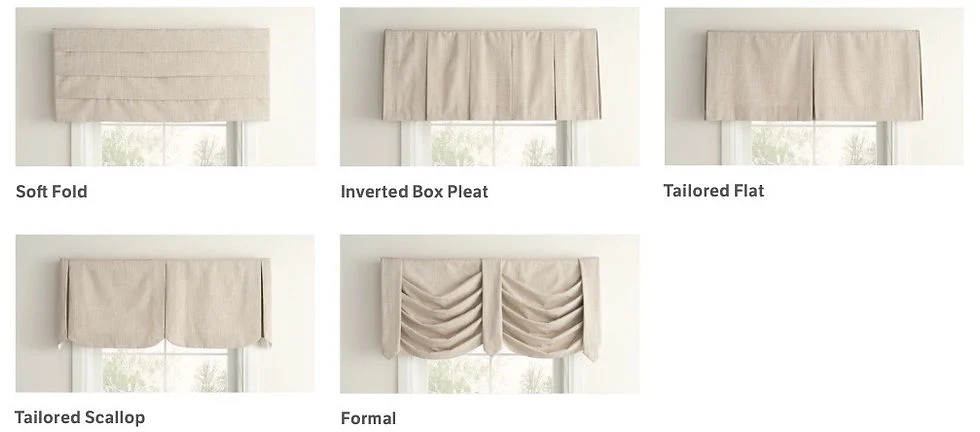
A valance is a short, often fabric or wooden board that sits at the top of a window, covering the upper portion of blinds, shades, or the hardware. It adds a decorative layer, introduces color or pattern, and can soften hard lines. In contrast, a no‑valance approach leaves the window trim exposed, allowing curtains, blinds, or shades to hang directly from the rod or mounting hardware. This minimalist strategy highlights clean lines and can make a room feel more spacious.
Both approaches have their place, but the choice hinges on several factors: ceiling height, the amount of natural light you want to preserve, the existing décor style, and how much visual weight you want to assign to the window itself. Below we break down these considerations in detail, giving you a clear framework for deciding whether a valance or a valance‑free treatment best serves each room.
Impact on Room Proportions and Ceiling Height
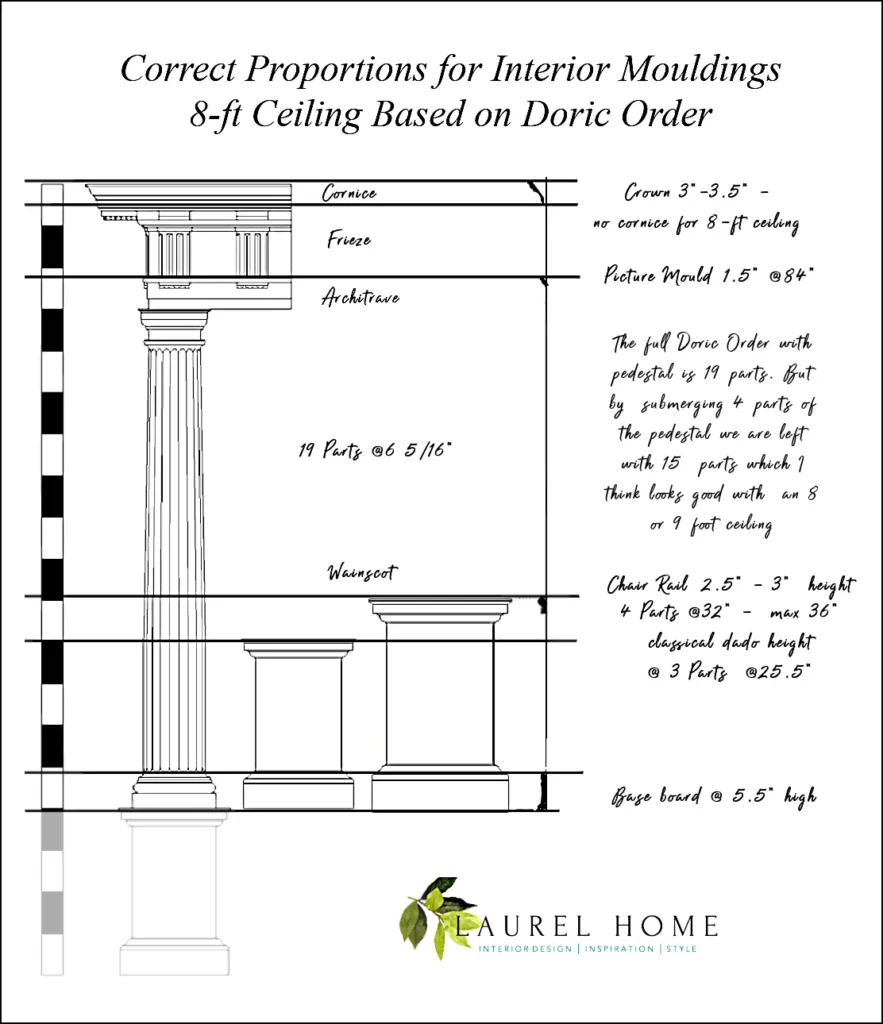
One of the most common questions in the valance vs no valance debate is how each option affects the perception of space. In rooms with low ceilings, a bulky valance can make the ceiling feel even lower, while a sleek, valance‑free treatment can help elongate the vertical plane. Conversely, in rooms with high ceilings, a well‑chosen valance can provide a visual anchor, preventing the space from feeling cavernous.
Consider a living room with 9‑foot ceilings. A soft, linen valance that mirrors the wall color adds a touch of elegance without overwhelming the space. In a loft with 12‑foot ceilings, opting for no valance and letting floor‑to‑ceiling curtains glide freely emphasizes the lofty feel while keeping the window area uncluttered.
Design Tip: Use a Light‑Colored Valance for Low Ceilings
- Choose pastel or neutral tones that blend with the wall.
- Keep the valance width minimal—generally 4‑6 inches.
- Pair with sheer curtains to maintain light flow.
Styling Flexibility: Patterns, Textures, and Color Coordination
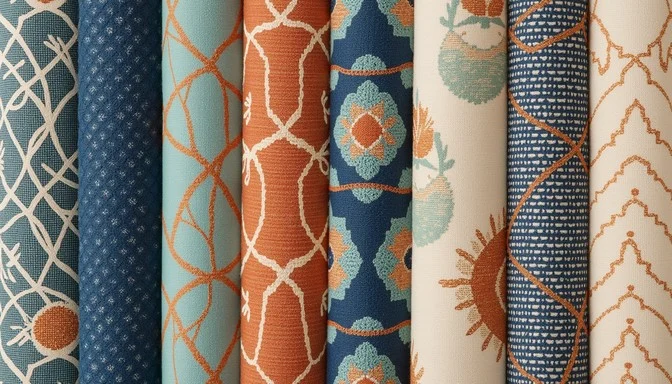
Valances open a world of pattern possibilities that can tie together disparate elements in a room. A bold, geometric valance can echo a rug’s design or a piece of artwork, creating a cohesive visual narrative. When you go valance‑free, the emphasis shifts to the curtain fabric itself, which must then carry the pattern or color weight.
For example, a bedroom with a muted gray palette can benefit from a patterned valance that introduces a subtle pop of teal, echoing the bedside lamp’s shade. In a modern kitchen where sleek lines dominate, a no‑valance approach with matte‑black roller shades maintains the clean aesthetic while allowing the backsplash tiles to shine.
Looking for more ideas? Check out our modern wall design inspiration guide for fresh ways to integrate patterns across walls, windows, and accessories.
Practical Considerations: Light Control, Privacy, and Maintenance
Beyond aesthetics, functional aspects often tip the scales in the valance vs no valance conversation. Valances can conceal curtain hardware, making the window look tidier while also providing a small barrier against dust accumulation on the top of blinds. However, they can also restrict the amount of natural light that filters in, especially if the valance is made of thick fabric.
A no‑valance setup typically offers more flexibility for light control. You can install motorized shades that retract fully, maximizing daylight, or use layered curtains that slide easily for privacy. Maintenance is also simpler—without a valance, there’s one fewer fabric piece to launder.
If you’re balancing privacy with natural light, consider a valance made from lightweight voile paired with blackout curtains. This combo provides visual interest while still allowing you to darken the room when needed.
Room‑by‑Room Applications: Where Valance or No Valance Shines
Understanding how each approach works in specific spaces helps you make an informed decision. Below are common rooms and the recommended strategy based on style, function, and spatial dynamics.
Living Room
Living rooms often serve as the visual focal point of a home. A valance can add a layer of sophistication, especially in formal settings. Pair a tailored valance with floor‑length drapes to create depth. For casual, open‑plan living areas, a no‑valance approach with sleek roller shades keeps the space airy and uncluttered.
Bedroom
Bedrooms benefit from soft, soothing aesthetics. A valance that matches the headboard upholstery can tie the room together beautifully. If you prefer a minimalist sanctuary, choose no valance and let the curtains fall directly from a simple rod, emphasizing calm and simplicity.
Need more inspiration? Our article on simple bedroom accent wall ideas offers complementary design strategies.
Kitchen
In kitchens, practicality often outweighs decorative flourishes. A no‑valance solution with washable shades or blinds is ideal, as it’s easy to clean and won’t trap grease fumes. If you love a splash of color, a narrow valance in a coordinating hue can add personality without compromising functionality.
Small Apartments and Studios
Space is at a premium in small apartments. A no‑valance approach maximizes window exposure, making rooms feel larger. When you want a touch of style, opt for a thin, patterned valance that adds visual interest without sacrificing square footage.
Cost and Installation: Budgeting for Valance vs No Valance
Budget considerations can also influence the decision. Custom‑made valances, especially those with intricate pleating or premium fabrics, can add a noticeable cost to a window treatment project. In contrast, a no‑valance setup often requires fewer materials—just a rod and the curtains or blinds—making it a more economical choice.
Installation time differs as well. Adding a valance involves measuring, attaching a separate rod or mounting bracket, and sometimes sewing or hemming the fabric. A no‑valance arrangement typically reduces installation steps, which can be a boon for DIY enthusiasts.
Quick Cost‑Saving Tip
- Shop for ready‑made valances at discount retailers and pair them with higher‑quality curtains.
- Use tension rods for a no‑valance setup in rental spaces to avoid permanent hardware.
- Consider reversible curtains that serve both decorative and functional roles.
Quick Tips for a Cohesive Look
- Match the valance fabric to an existing element—like a sofa upholstery or rug pattern.
- When going valance‑free, select a curtain rod finish that complements other hardware in the room.
- Use layered window treatments (sheer + blackout) to achieve flexibility without a valance.
Common Mistakes and How to Avoid Them
Even seasoned decorators can slip up when navigating the valance vs no valance decision. Below are frequent pitfalls and simple remedies.
- Over‑sizing the Valance: A valance that’s too tall overwhelms low ceilings. Keep the height proportional—generally 1/6 to 1/8 of the window height.
- Ignoring Light Flow: Thick valances block daylight. Opt for lightweight fabrics if you want bright interiors.
- Clashing Colors: A valance that conflicts with wall color creates visual tension. Stick to a coordinated palette.
- Neglecting Hardware Compatibility: Some blinds require specific mounting brackets that a valance can obscure. Verify compatibility before purchasing.
Frequently Asked Questions
Can I mix valance and no valance in the same home?
Absolutely. Different rooms have unique needs, so you might choose a decorative valance for the formal dining area while keeping the kitchen windows valance‑free for practicality.
Do valances improve energy efficiency?
A well‑insulated valance can add a small layer of thermal barrier, reducing heat loss in winter. However, the impact is modest compared to proper window glazing or insulated curtains.
Are there eco‑friendly valance options?
Yes. Look for valances made from organic cotton, linen, or recycled polyester. Many manufacturers now offer sustainable fabric choices that align with green design principles.
How do I clean a fabric valance?
Most fabric valances are machine‑washable on a gentle cycle, but always check the care label. For delicate fabrics, spot‑clean with mild detergent and a soft cloth.
What hardware works best with a no‑valance design?
Simple, sleek brackets or tension rods work well. Choose finishes—such as brushed nickel or matte black—that echo other room hardware for a unified look.
For a deeper dive into material choices, explore our comparison of wood trim vs white trim and how each can affect the overall aesthetic of your interiors.
When it comes to achieving a balanced, modern look, the decision between valance vs no valance is less about right or wrong and more about aligning the window treatment with your specific design goals. By evaluating ceiling height, lighting needs, style preferences, and budget, you can select the approach that elevates each room’s personality while maintaining functional harmony.
Whether you opt for a soft, decorative valance that adds a touch of luxury, or you embrace a clean, valance‑free silhouette for a contemporary vibe, the key is to stay consistent with the overall design language of your home. Experiment with fabric swatches, consider the interplay of color and texture, and don’t be afraid to mix approaches as your space evolves.
Ready to transform your windows? Apply the insights from this guide, experiment with different treatments, and watch how a simple change can refresh the entire ambiance of your home. For more inspiration, visit our modern home decoration inspiration page and discover fresh ideas that complement the valance vs no valance choices you make.
[INTERIOR DESIGN]