
Table of Contents
- How to Choose Wall Décor with Wooden Frames That Complements Your Space
- Tips for Matching Wood Tones in Wall Décor with Wooden Frames
- Designing a Cohesive Gallery Wall Using Wooden Frames
- Step‑by‑Step Guide to Building Your Gallery Wall
- Integrating Wall Décor with Wooden Frames in Different Rooms
- Room‑Specific Styling Ideas
- Creative Ways to Combine Wood Panel Accents and Framed Décor
- Design Trick: Frame‑Within‑a‑Panel
- Quick Tips for Updating Wall Décor with Wooden Frames
- Common Mistakes to Avoid When Styling Wooden Frames
- Frequently Asked Questions
- What size wooden frame works best for a small apartment?
- Can I use reclaimed wood frames in a contemporary interior?
- How do I protect wooden frames in high‑humidity areas like bathrooms?
- Is it okay to mix different wood finishes in the same gallery wall?
- Do I need professional installation for large wooden frames?
Wall décor with wooden frames: Timeless Styling Ideas for Every Home
When it comes to personalizing a living space, the walls often become the canvas for self‑expression. Among the countless options, wall décor with wooden frames stands out for its ability to blend warmth, texture, and timeless elegance. Whether you’re furnishing a compact apartment or revamping a spacious family home, wooden frames can anchor art, photographs, or even abstract prints, creating focal points that feel both curated and welcoming.
Beyond aesthetics, wooden framing offers practical benefits: durability, ease of installation, and the flexibility to match diverse interior styles—from sleek Scandinavian minimalism to rustic farmhouse charm. In this guide we’ll explore how to select, arrange, and style wall décor with wooden frames so you can achieve a cohesive look without overwhelming the room.
Read on to discover expert‑level insights, quick‑action tips, and common pitfalls to avoid, all while staying within a modern, friendly tone that makes decorating feel approachable.
How to Choose Wall Décor with Wooden Frames That Complements Your Space
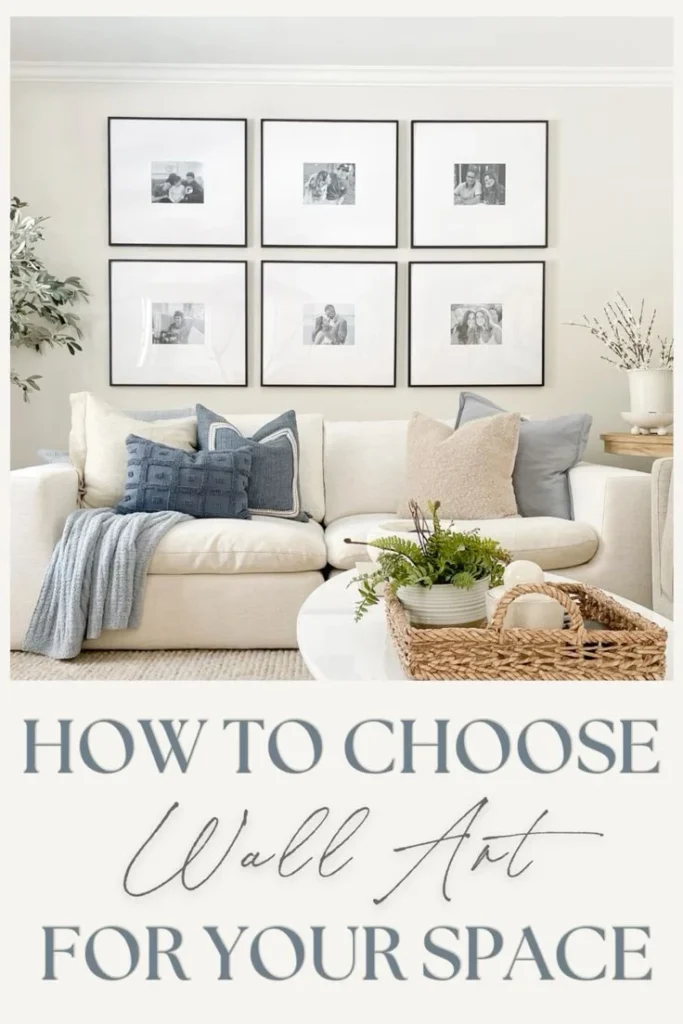
The first step is understanding the visual language of your room. Look at existing color palettes, furniture silhouettes, and the amount of natural light. Wooden frames come in a spectrum of finishes—light oak, dark walnut, reclaimed barn wood, and even painted or stained options. Selecting a finish that echoes other wood elements (like flooring or furniture) creates continuity, while a contrasting tone can become a statement piece.
Consider the scale of the artwork or photograph you plan to display. A large canvas in a thin, minimalist frame works well in open‑plan living areas, whereas a collection of smaller prints in thicker, rustic frames can add depth to a cozy bedroom. The frame’s profile (wide vs. narrow) should also correspond with the room’s overall style: sleek, narrow frames suit contemporary interiors, while broader, textured frames fit traditional settings.
Tips for Matching Wood Tones in Wall Décor with Wooden Frames
- Identify the dominant wood tone in your space (e.g., kitchen cabinets, coffee table).
- Choose a frame finish that is either a shade lighter or darker to create subtle contrast.
- If you have mixed wood tones, opt for a neutral painted frame (white, black, or gray) to unify the look.
- Use the Transform Your Space: Wall Décor with Wood Panel Accents guide for ideas on integrating paneling with framed art.
Designing a Cohesive Gallery Wall Using Wooden Frames
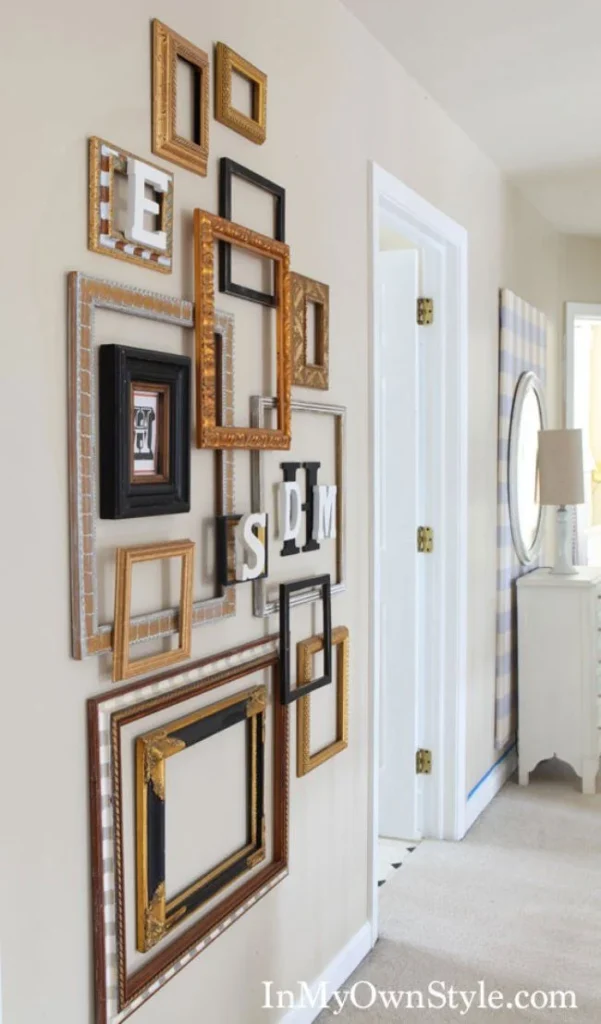
Gallery walls are a popular way to showcase a personal story through images, prints, and memorabilia. When using wooden frames, the key is balance—both visual and spatial. Start by laying out your pieces on the floor to experiment with arrangement before committing to nail holes. A common strategy is to anchor the composition with one large centerpiece, then surround it with smaller frames that share the same finish.
Spacing is critical: 2‑3 inches between frames keeps the display feeling airy, while tighter gaps can create a more intimate, collage‑like vibe. Align frames either along a horizontal line (great for long walls) or a vertical stack (ideal for narrow hallways). Remember to keep the center of the gallery at eye level, roughly 57‑60 inches from the floor, for optimal viewing.
Step‑by‑Step Guide to Building Your Gallery Wall
- Gather all frames and artwork, ensuring a uniform finish.
- Arrange on the floor, starting with the largest piece in the center.
- Measure and mark the wall lightly with a pencil to visualize spacing.
- Use picture‑hanging hooks rated for the weight of each frame.
- Step back frequently to assess balance and make adjustments.
Integrating Wall Décor with Wooden Frames in Different Rooms
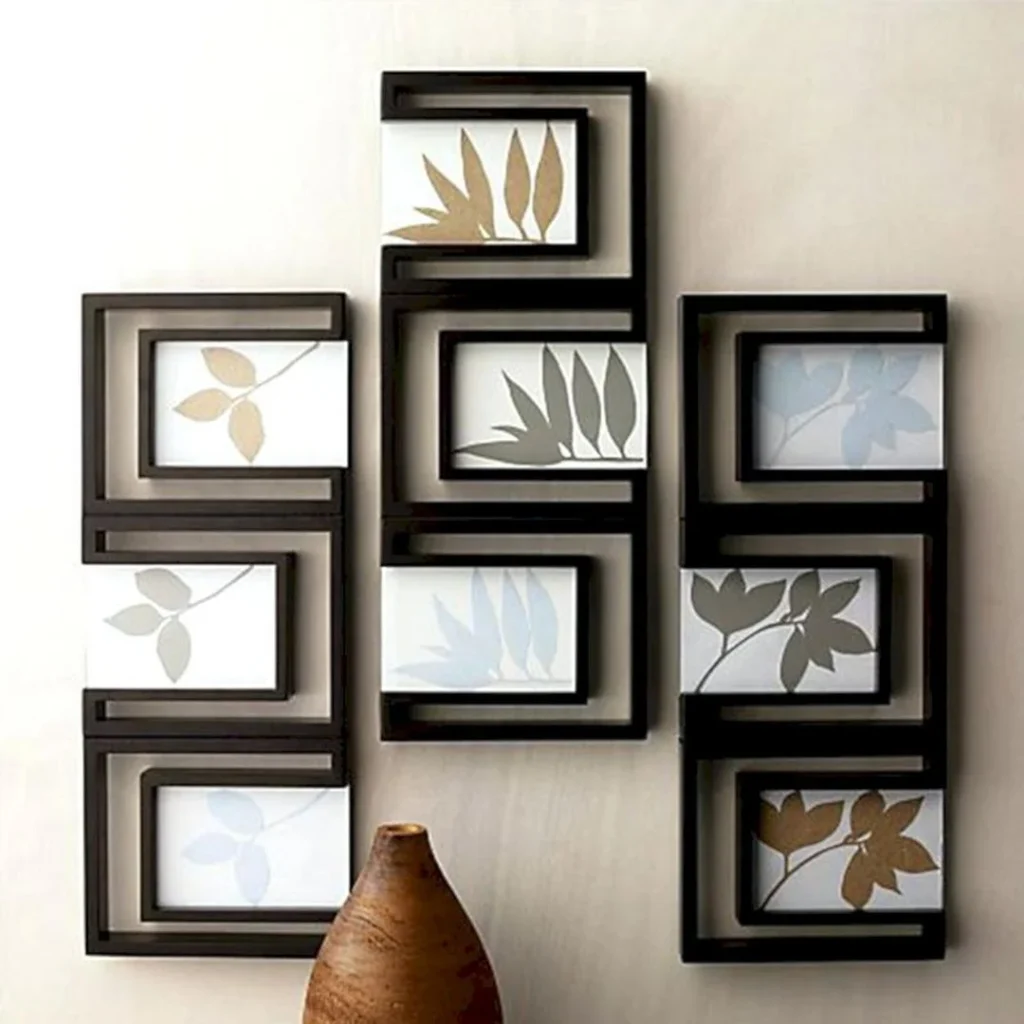
Each room presents unique challenges and opportunities for wooden framing. In a living room, a large, low‑profile frame can house a family portrait above the sofa, creating a natural gathering point. Bedrooms benefit from softer, lighter woods that promote relaxation; a series of black‑and‑white photos in slim pine frames can add subtle drama without disturbing restfulness. Kitchens often feature open shelving; placing a framed culinary print near the prep area can add a decorative touch while staying functional.
For bathrooms, moisture resistance is crucial. Choose frames with sealed finishes or opt for metal‑bordered wooden frames that can withstand humidity. Pairing a waterproof canvas with a sleek walnut frame can elevate the space without compromising durability.
Room‑Specific Styling Ideas
- Living Room: Use a single oversized wooden frame for a statement art piece above the TV console.
- Bedroom: Create a calming collage of pastel photographs in light‑stained frames on the wall opposite the bed.
- Kitchen: Hang a framed herb‑illustration near the spice rack for a functional decorative element.
- Bathroom: Install a sealed, dark‑stained frame for a watercolor print that adds spa‑like serenity.
Creative Ways to Combine Wood Panel Accents and Framed Décor
Wood paneling adds depth and texture that can be beautifully complemented by wall décor with wooden frames. By pairing a reclaimed wood accent wall with matching frames, you create a unified, immersive environment. For instance, a shiplap backdrop in a dining area can host a series of vintage travel posters in matching reclaimed frames, reinforcing the rustic narrative.
When integrating panels and frames, keep the visual weight balanced. If the wall panel is dark and heavy, choose lighter‑toned frames to prevent the space from feeling too moody. Conversely, a bright, natural‑look panel works well with darker frames for contrast. This approach also offers an opportunity to play with layering: place a narrow frame directly on the panel, then a second, slightly larger frame slightly offset to create a subtle 3‑D effect.
Design Trick: Frame‑Within‑a‑Panel
Mount a shallow wooden frame directly onto a paneled wall, then insert a smaller, decorative panel (such as a carved medallion) inside the frame. This “frame‑within‑a‑panel” technique adds intrigue and can become a conversation starter.
Quick Tips for Updating Wall Décor with Wooden Frames
- Swap out existing frames for seasonal updates without replacing the artwork.
- Use removable adhesive strips for lightweight frames in rental spaces.
- Mix finishes—combine light oak with dark walnut for an eclectic vibe.
- Incorporate LED strip lighting behind frames for a modern glow.
- Refresh old frames with a coat of chalk paint for a shabby‑chic look.
Common Mistakes to Avoid When Styling Wooden Frames
Even seasoned decorators can slip into habits that diminish the impact of wall décor with wooden frames. One frequent error is over‑crowding; packing too many frames together creates visual clutter and makes the wall feel chaotic. Another pitfall is ignoring the wall’s architectural features—placing a large framed piece directly over a window can block natural light and disrupt flow.
Lastly, mismatched hardware can be jarring. Ensure that hanging brackets, nails, or picture hooks are appropriate for the frame’s weight and style. A sleek, hidden hanging system works well for modern frames, whereas exposed brass hooks complement vintage wooden frames.
Frequently Asked Questions
What size wooden frame works best for a small apartment?
In compact spaces, opt for medium‑sized frames (12‑18 inches) that provide visual interest without overwhelming the room. Pair them with light‑stained wood to maintain an airy feel.
Can I use reclaimed wood frames in a contemporary interior?
Absolutely. Reclaimed wood adds texture and history. Pair it with minimalist artwork and a neutral color palette to keep the overall look sleek while introducing warmth.
How do I protect wooden frames in high‑humidity areas like bathrooms?
Select frames with a polyurethane seal or choose metal‑bordered wooden frames designed for moisture resistance. Regularly wipe down with a dry cloth to prevent water spots.
Is it okay to mix different wood finishes in the same gallery wall?
Yes, mixing finishes can create a curated, layered effect. Keep the artwork style consistent and limit the number of distinct wood tones to two or three to avoid visual chaos.
Do I need professional installation for large wooden frames?
For heavy pieces (over 15 lb), it’s advisable to use wall anchors or seek professional help, especially on drywall. This ensures safety and maintains the integrity of the wall.
Incorporating wall décor with wooden frames into your home is a rewarding way to blend function, personality, and timeless style. By thoughtfully selecting finishes, arranging compositions, and paying attention to room‑specific nuances, you can transform ordinary walls into curated galleries that tell your unique story. Remember to experiment, stay true to your aesthetic, and enjoy the process of making each space feel truly yours.