
Table of Contents
- How Wall Décor with Wood Panel Accents Transforms Your Space
- Choosing the Right Wood Panel Accents for Wall Décor
- Design Strategies for Different Rooms
- Living Room: Creating a Feature Wall
- Bedroom: Softening the Sanctuary
- Kitchen: Functional Elegance
- Bathroom: Spa‑Like Serenity
- Home Office: Boosting Focus
- Mixing Materials: Wood Panels and Complementary Décor
- Quick Home Décor Tips for Wood Panel Accents
- Common Mistakes and How to Avoid Them
- Frequently Asked Questions
- Can I install wood panel accents myself, or do I need a professional?
- What’s the best way to maintain wood panel walls?
- Do wood panels work in modern minimalist interiors?
- How do I choose the right wood species for my décor?
- Can I combine wood panels with wallpaper?
Transform Your Space: Wall Décor with Wood Panel Accents
Wood has an innate ability to bring warmth, texture, and a sense of nature into interiors. When paired with thoughtful wall décor, wood panel accents become more than just a background – they turn a plain surface into a focal point that whispers sophistication while staying approachable. Whether you’re redesigning a compact studio apartment or updating a spacious living room, incorporating wood panels can instantly shift the mood of the space.
In this guide we’ll explore why wall décor with wood panel accents is gaining traction among designers, how to choose the right material and layout, and practical ways to blend panels with existing décor. You’ll leave with a toolbox of ideas that work for every style, from rustic farmhouse to sleek mid‑century modern, plus a few common pitfalls to avoid.
Ready to see how a simple wood‑panel treatment can transform a room? Let’s dive into the details, starting with the fundamentals of selection and placement.
How Wall Décor with Wood Panel Accents Transforms Your Space
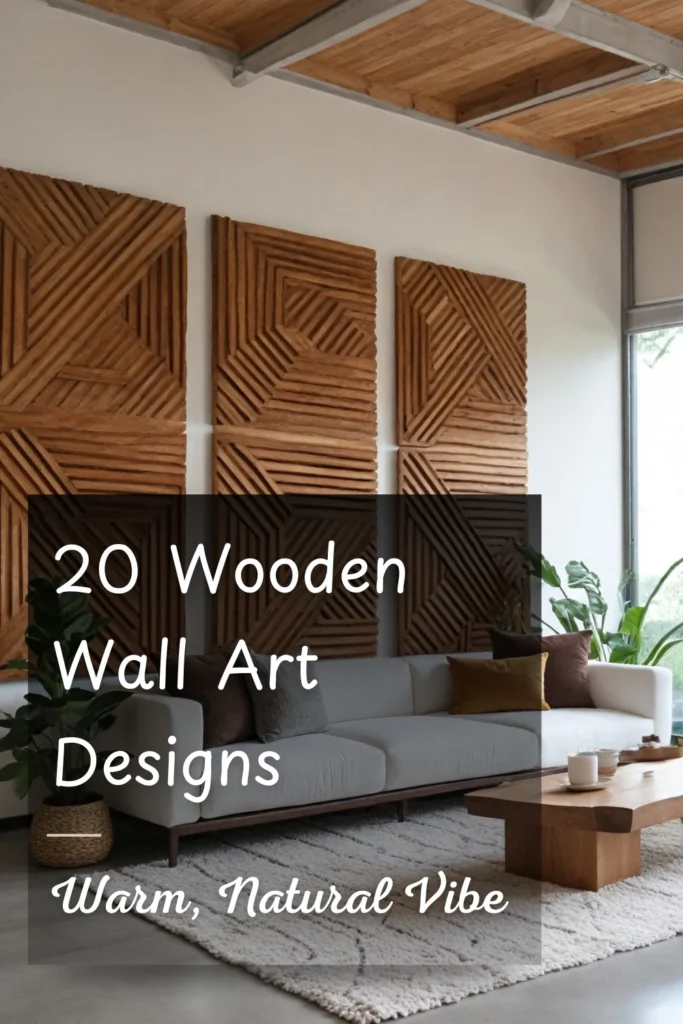
Wood paneling does more than cover a wall; it reshapes perception. Light reflects differently on textured surfaces, creating depth that flat paint cannot achieve. When you use wall décor with wood panel accents, the natural grain patterns add visual interest, making the room feel larger or cozier depending on the finish and orientation. A light‑stained panel can brighten a dim hallway, while a dark, reclaimed board adds drama to a modern living room.
Beyond aesthetics, wood panels improve acoustics by absorbing sound, an unexpected benefit in open‑plan homes. They also serve as a durable canvas for artwork, shelving, or lighting fixtures, allowing you to layer décor without compromising structural integrity. For renters, many panel systems are reversible, giving you a high‑impact upgrade that can be removed at the end of a lease.
Choosing the Right Wood Panel Accents for Wall Décor

Not all wood is created equal, and the choice of panel style will dictate the overall vibe of your wall décor with wood panel accents. Here are key considerations:
- Material: Pine and spruce are budget‑friendly and work well for lighter, airy looks. Oak and walnut provide richer tones and greater durability.
- Finish: A matte seal preserves a natural feel, while a high‑gloss finish can add a contemporary edge.
- Profile: Horizontal slats elongate walls, vertical boards add height, and reclaimed shiplap introduces a rustic charm.
- Installation method: Tongue‑and‑groove panels are straightforward for DIYers; adhesive backings suit renters who need a non‑permanent solution.
When planning your project, think about the room’s existing colour palette. Pair warm wood tones with cool neutrals for balance, or match cool‑toned wood with deep blues for a cohesive look. For an integrated approach, check out our guide on natural texture home décor ideas that highlights how wood works alongside stone, metal, and fabrics.
Design Strategies for Different Rooms
Each space in a home offers unique opportunities for wall décor with wood panel accents. Below are tailored ideas for the most common rooms:
Living Room: Creating a Feature Wall
A feature wall instantly draws the eye. Install reclaimed barn wood behind your sofa to anchor the seating area. Complement the panels with simple metal sconces that highlight the grain without overwhelming it. Add a low, floating shelf to display curated books and plants, reinforcing the natural theme.
Bedroom: Softening the Sanctuary
In a bedroom, opt for narrow vertical panels painted in a soft white‑wash. This adds subtle texture while preserving a tranquil ambience. Pair the panels with linen bedding and a woven rug for a layered, cozy retreat. If you love contrast, consider a dark accent wall behind the headboard, balanced by light‑tone furniture.
Kitchen: Functional Elegance
Wood panels in the kitchen can serve both aesthetic and practical purposes. Use moisture‑resistant, lacquered panels as a backsplash behind the stove. The smooth surface is easy to clean, and the wood tone harmonizes with natural stone countertops. For an added touch, incorporate a tub surround vs tile style approach to your backsplash, blending classic and modern elements.
Bathroom: Spa‑Like Serenity
Moisture‑proofed panels create a spa‑like feel in bathrooms. Choose a light grey or pale oak finish to reflect natural light, and pair with matte black fixtures for contrast. A subtle wood backdrop behind a freestanding tub enhances relaxation without feeling cramped.
Home Office: Boosting Focus
In a home office, vertical wood panels can make a modest ceiling feel higher, reducing claustrophobia. Pair the panels with a sleek glass desk and ergonomic chair for a balanced, professional environment. Adding a few floating shelves for books and décor keeps the space tidy and inspiring.
Mixing Materials: Wood Panels and Complementary Décor
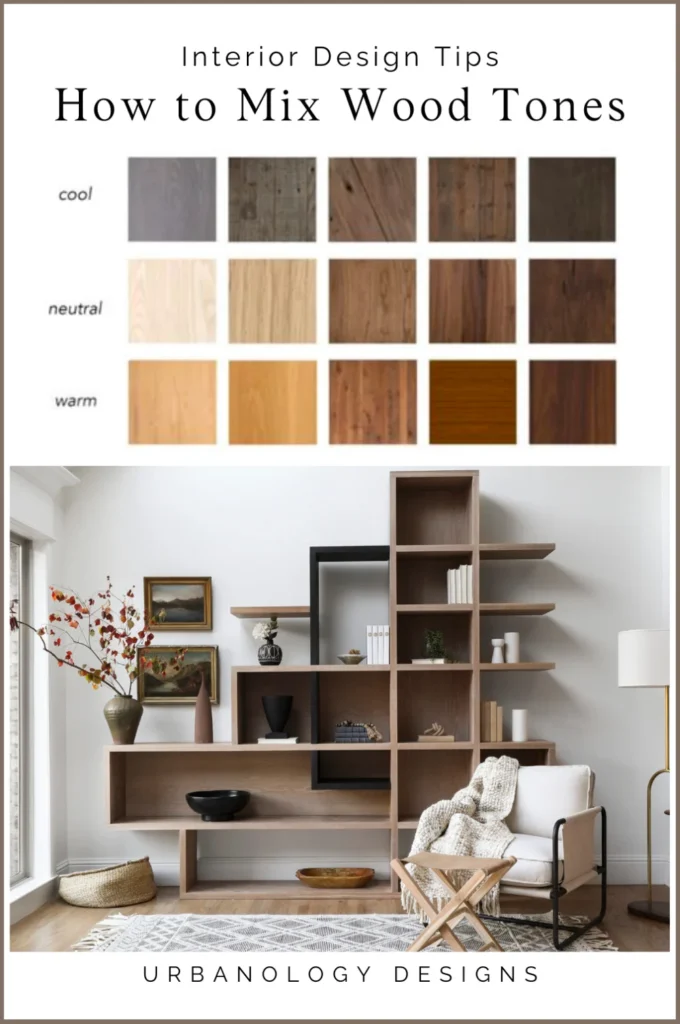
While wood panels stand strong on their own, mixing them with other textures amplifies visual interest. Pair panels with metal frames, glass accessories, or woven textiles to create a layered look. For instance, a reclaimed wood accent wall can be flanked by a black metal bookshelf, creating a striking contrast that feels intentional rather than jarring.
Consider integrating natural stone, such as a marble countertop, with wood paneling in the kitchen for a timeless blend. Or, juxtapose a glossy ceramic tile floor with matte wood walls for a balanced play of sheen. These combinations echo the Santa Cecilia Granite vs New Venetian Gold comparison article’s approach to material selection—understanding each element’s character before pairing them.
Quick Home Décor Tips for Wood Panel Accents
- Start with a small accent wall before committing to full‑room paneling.
- Use LED strip lighting behind panels to accentuate grain and add ambiance.
- Seal reclaimed wood with a low‑VOC finish to protect against humidity.
- Incorporate built‑in shelving directly into the panel design for a seamless look.
- Balance dark panels with light furniture to avoid a heavy atmosphere.
Common Mistakes and How to Avoid Them
Even seasoned DIYers can slip up when installing wall décor with wood panel accents. Here are the most frequent errors and simple fixes:
- Over‑matching the colour palette: Using wood that is too similar to surrounding finishes can make the panel blend away. Add contrast through hardware or artwork.
- Skipping proper preparation: Failing to prime the wall or use a moisture barrier leads to warping. Always install a thin foam backer and seal seams.
- Ignoring scale: Large planks in a tiny room overwhelm the space. Choose narrower boards or a patterned layout to maintain proportion.
- Improper lighting: Direct overhead lights can flatten texture. Use angled spotlights or wall sconces to emphasize depth.
- Neglecting maintenance: Wood needs periodic cleaning and occasional re‑sealing. Keep a soft cloth handy and avoid abrasive cleaners.
Frequently Asked Questions
Can I install wood panel accents myself, or do I need a professional?
Most wood panels are designed for DIY installation, especially tongue‑and‑groove or adhesive‑backed options. However, if you’re dealing with structural walls, electrical outlets, or high‑moisture areas, consulting a professional ensures safety and a flawless finish.
What’s the best way to maintain wood panel walls?
Dust regularly with a soft cloth, avoid excessive moisture, and apply a polyurethane or low‑VOC sealant every 2‑3 years. In kitchens and bathrooms, use a water‑resistant finish to protect against steam.
Do wood panels work in modern minimalist interiors?
Absolutely. Choose light‑stained, smooth‑finished panels and keep accessories minimal. Pair with sleek metal fixtures and neutral furniture to maintain the clean lines that define minimalist design.
How do I choose the right wood species for my décor?
Consider the room’s traffic and humidity levels. Hardwoods like oak and walnut are durable for high‑use areas, while softer woods such as pine are ideal for low‑traffic spaces or accent walls where weight is less of a concern.
Can I combine wood panels with wallpaper?
Yes, mixing wood panels with patterned wallpaper creates a dynamic backdrop. Use wallpaper on the upper half of the wall and wood panels on the lower half for a balanced, contemporary look.
Incorporating wall décor with wood panel accents is a versatile, timeless way to refresh any room. By selecting the right material, planning the layout, and pairing panels with complementary textures, you can achieve a look that feels both personalized and polished. Remember to keep lighting in mind, maintain the wood properly, and avoid common pitfalls for a result that lasts.
Ready to experiment? Grab a sample board, sketch a layout, and watch as the natural grain of wood brings new life to your walls. For more creative inspiration, explore our article on DIY home decor craft ideas and discover how small touches can make a big impact.
[ CATEGORY ]: Home Decor Ideas