
Table of Contents
- Choosing the Right Minimalist Prints for Your Walls
- How to Match Minimalist Prints with Existing Wall Décor
- Strategic Placement: From Gallery Walls to Solo Statements
- Creative Layout Ideas for Minimalist Prints
- Integrating Minimalist Prints with Textures and Materials
- Using Light to Enhance Minimalist Wall Décor
- Budget-Friendly Ways to Curate Minimalist Prints
- Where to Find Affordable Minimalist Prints
- Quick Tips for Perfecting Wall Décor with Minimalist Art Prints
- Common Mistakes to Avoid When Styling Minimalist Prints
- Frequently Asked Questions
- How many minimalist prints should I use in a single room?
- Can I mix colored minimalist prints with black‑and‑white ones?
- What is the best way to hang heavy canvas prints?
- Do minimalist prints work in bathrooms?
- How often should I rotate my minimalist wall décor?
- Is framing necessary for minimalist art prints?
Wall Décor with Minimalist Art Prints: Fresh Ideas for Modern Spaces
In today’s design climate, less truly is more. Homeowners and renters alike are gravitating toward clean lines, subtle palettes, and artworks that whisper rather than shout. That’s where wall décor with minimalist art prints shines. By pairing simple, purposeful imagery with thoughtful placement, you can give a room an instant lift without overwhelming the space.
Whether you’re updating a compact studio apartment or adding the finishing touch to a spacious living room, minimalist prints offer flexibility, affordability, and a timeless aesthetic. This article walks you through practical strategies, styling nuances, and common pitfalls, helping you create cohesive, sophisticated environments that feel both curated and comfortable.
We’ll explore how to choose the right prints, arrange them for maximum impact, and integrate them with existing décor trends. By the end, you’ll have a toolbox of ideas that make wall décor with minimalist art prints an effortless part of your interior design repertoire.
Choosing the Right Minimalist Prints for Your Walls
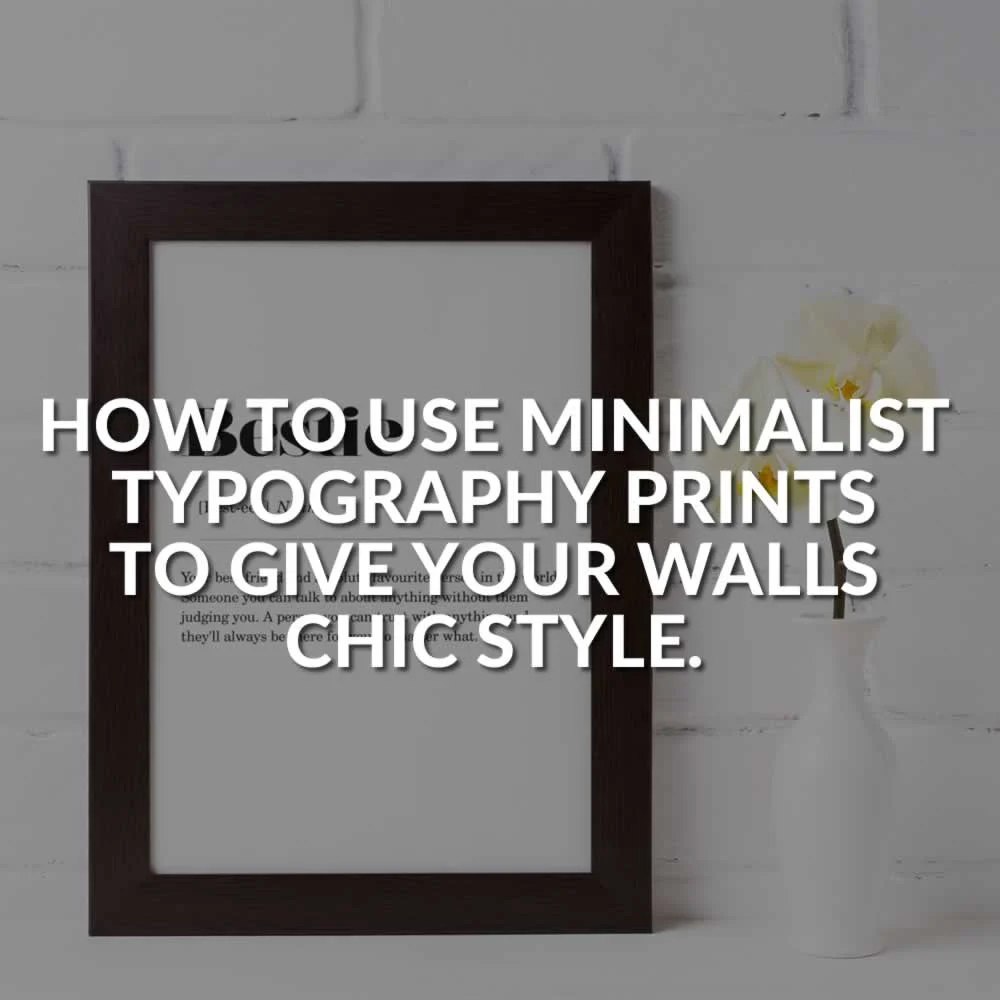
The foundation of successful wall décor with minimalist art prints is thoughtful selection. Minimalist pieces often rely on negative space, muted hues, and subtle texture to convey mood. Start by assessing the room’s existing color scheme. If your walls are already a soft gray or warm ivory, a print featuring a single bold line or a monochrome geometric shape can become a quiet focal point without clashing.
Consider the scale of the artwork relative to the wall area. A large, floor‑to‑ceiling canvas can dominate a high‑ceiling living room, while a series of smaller prints works beautifully in a hallway or bathroom. For spaces with limited wall real estate, such as a narrow kitchen, opt for a single, well‑placed print that draws the eye without crowding the surface.
Material matters too. Matte-finished paper reduces glare, which is crucial in rooms with abundant natural light. If you prefer a more tactile feel, explore prints on heavyweight cotton or linen, which add subtle texture while maintaining the minimalist ethos.
How to Match Minimalist Prints with Existing Wall Décor
- Color Harmony: Align the dominant hue of the print with accent colors already present in cushions, rugs, or furniture.
- Style Consistency: Pair abstract line work with modern furniture, while simple botanical silhouettes complement Scandinavian interiors.
- Proportion Balance: Use the “golden ratio” (1:1.618) as a guide—if the wall is 10 feet wide, a print roughly 6.2 feet wide creates a pleasing visual balance.
Strategic Placement: From Gallery Walls to Solo Statements
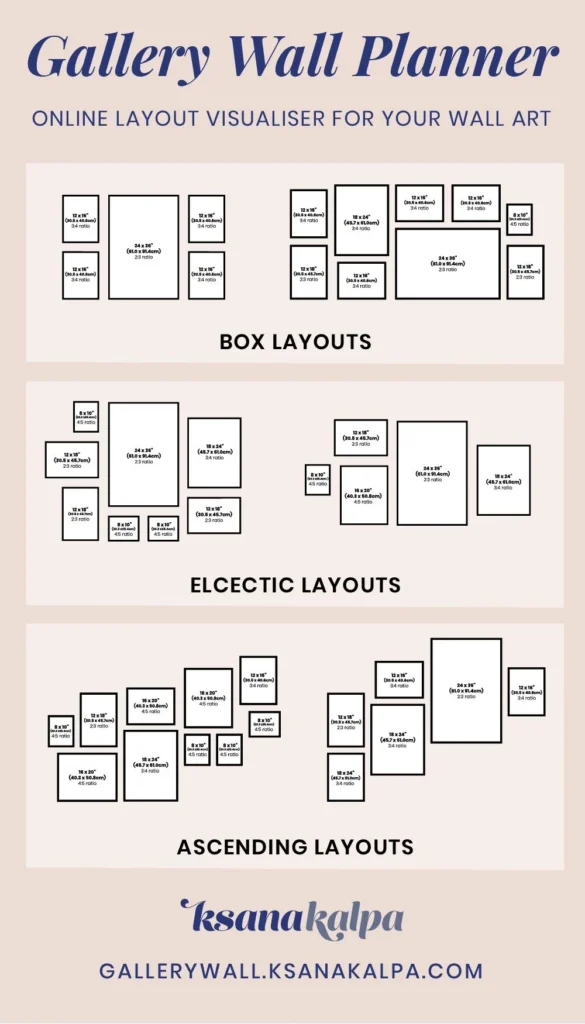
Placement is where the magic of wall décor with minimalist art prints truly unfolds. A single, large print can act as a statement piece above a sofa, anchoring the seating arrangement. Meanwhile, a curated gallery wall of smaller prints adds depth and storytelling, especially in open‑plan areas where visual breaks are welcome.
When arranging a gallery, maintain equal spacing—typically 2–3 inches between frames—to preserve the minimalist feel. Align the center of the composition with the room’s primary focal point, such as a fireplace or TV screen, ensuring the arrangement feels intentional rather than haphazard.
Don’t forget about height. Standard practice places the artwork’s center at eye level, roughly 57–60 inches from the floor, but this can be adjusted for tall ceilings or low‑seated furniture. For bedrooms, positioning prints slightly above the headboard creates a serene backdrop that doesn’t compete with the bed’s presence.
Creative Layout Ideas for Minimalist Prints
- Horizontal Strip: Align three narrow prints side‑by‑side above a console table for a sleek, elongated look.
- Vertical Stack: Stack two tall prints on either side of a doorway to frame the entrance subtly.
- Offset Grid: Arrange four prints in a loose grid, leaving one corner empty to introduce intentional negative space.
Integrating Minimalist Prints with Textures and Materials
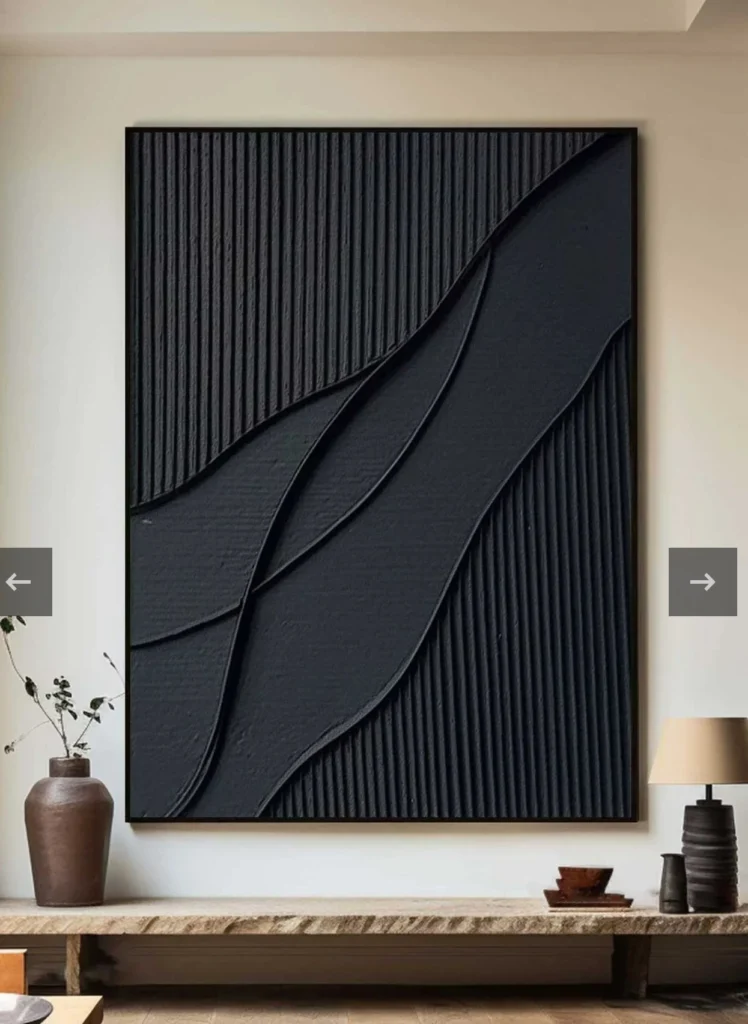
Minimalist art doesn’t have to feel sterile. Pairing prints with natural textures such as wood, stone, or woven fabrics can soften the visual impact while preserving the clean aesthetic. A linen sofa beside a black-and-white line drawing adds warmth without compromising the minimalist narrative.
In a living room, consider a reclaimed wooden coffee table beneath a print that features subtle wood grain motifs. The synergy between the printed imagery and the tangible material creates a layered experience, encouraging occupants to linger and appreciate the nuanced design.
Metallic accents—think brushed brass lamps or copper vases—also complement minimalist prints, especially those featuring thin metallic lines. The reflective quality of metal introduces a hint of glamour, making the overall décor feel sophisticated yet understated.
Using Light to Enhance Minimalist Wall Décor
Lighting is a silent partner in showcasing wall décor with minimalist art prints. Directional spotlights or adjustable track lighting can highlight the texture of a print and accentuate its negative space. In rooms where natural light is abundant, consider sheer curtains that diffuse sunlight, reducing glare on matte prints.
For a dramatic effect, install a dimmable wall washer that casts a soft wash of light across the artwork. This technique not only emphasizes the print’s lines but also creates an atmospheric backdrop for evening gatherings.
Budget-Friendly Ways to Curate Minimalist Prints
High‑end galleries aren’t the only source of compelling minimalist art. Online marketplaces, independent artist shops, and even printable PDFs allow you to curate a collection without breaking the bank. Look for limited‑edition digital files that you can print locally on premium paper, giving you control over size, material, and framing.
DIY framing is another cost‑saving avenue. Simple black or white wood frames purchased from home‑improvement stores can be easily assembled, providing a clean edge that aligns with minimalist sensibilities. Remember to measure precisely; a well‑fitted frame enhances the overall presentation and prevents the artwork from looking “tacked on.”
Don’t overlook the power of rotating prints. By swapping artwork seasonally, you keep the space fresh and engaging without additional purchases. A seasonal rotation also allows you to experiment with different color palettes, ensuring the minimalist prints continue to complement evolving décor trends.
Where to Find Affordable Minimalist Prints
- Coreopsis Zagreb vs Moonbeam: A Deep Dive for Stylish Gardens – While focused on gardens, the article references affordable design resources that often include printable wall art.
- Sherwin Williams Flat vs Matte Paint Finishes – Which Is Right for Your Home? – Provides insight into finishes that pair well with minimalist prints.
- How to Get Bumps Out of Wall‑to‑Wall Carpet – A Complete Guide – Offers tips on preparing walls for hanging art, ensuring a flawless installation.
Quick Tips for Perfecting Wall Décor with Minimalist Art Prints
- Measure twice, hang once: Use painter’s tape to outline the intended placement before committing.
- Stick to a limited color palette: One or two accent colors keep the look cohesive.
- Leave breathing room: Negative space is a core principle of minimalism; avoid crowding the wall.
- Mix frames sparingly: Choose frames that echo other room elements, such as wood tones or metal finishes.
- Test lighting at different times of day to ensure the print remains visible without glare.
Common Mistakes to Avoid When Styling Minimalist Prints
Even seasoned decorators can stumble when integrating minimalist pieces. One frequent error is over‑accessorizing the wall area. Adding too many decorative objects—shelves, clocks, or excessive signage—dilutes the clean impact of the print. Instead, let the artwork breathe; a single sculptural lamp or a modest plant can provide balance.
Another misstep is mismatching scale. A tiny print placed on a massive wall creates a feeling of emptiness, while an oversized piece can overwhelm a modestly sized room. Use mock‑ups or cardboard cut‑outs to visualize proportion before hanging.
Lastly, neglecting the relationship between the print and surrounding furniture can result in a disjointed look. Ensure that the art’s style—whether abstract, line‑based, or typographic—mirrors the overall design language of the room. This harmony reinforces the minimalist ethos and prevents visual discord.
Frequently Asked Questions
How many minimalist prints should I use in a single room?
The answer depends on wall size and desired impact. In a small bedroom, one well‑chosen print is sufficient. In larger living areas, a curated set of 3–5 coordinated prints can create a balanced gallery without feeling cluttered.
Can I mix colored minimalist prints with black‑and‑white ones?
Yes, mixing hues adds depth while preserving a minimalist feel. Keep the color palette cohesive—choose a muted pastel or a single accent color that ties into other room elements to avoid visual chaos.
What is the best way to hang heavy canvas prints?
Use wall anchors rated for the weight of the canvas and secure them with sturdy picture hooks. For extra safety, especially on drywall, consider a French cleat system, which distributes weight evenly and allows easy adjustment.
Do minimalist prints work in bathrooms?
Absolutely. Choose moisture‑resistant frames and matte paper to prevent glare from vanity lights. A single serene print can transform a functional bathroom into a spa‑like retreat.
How often should I rotate my minimalist wall décor?
Seasonal rotation—every three to four months—keeps the space feeling fresh. If you have a limited collection, rotating once a year is still beneficial, giving each piece its moment in the spotlight.
Is framing necessary for minimalist art prints?
Framing isn’t mandatory, but it provides structure and protects the print. If you opt for no frame, consider mounting the artwork on a solid backing board to maintain tension and prevent warping.
Wall décor with minimalist art prints offers a timeless, adaptable way to elevate any interior. By selecting the right pieces, placing them thoughtfully, and pairing them with complementary textures and lighting, you can craft spaces that feel both curated and inviting. Remember to stay mindful of scale, maintain negative space, and avoid over‑accessorizing to keep the minimalist spirit alive. As you experiment with different layouts and color accents, you’ll discover a personal style that resonates throughout your home.
Ready to transform your walls? Dive into the world of minimalist prints, and let the subtle power of simplicity reshape your living environment. For more inspiration, explore our other articles on modern home styling and interior design tips.