
Table of Contents
- Wall décor with handmade macrame: A Modern Touch
- Why wall décor with handmade macrame works
- Selecting the Right Macrame Piece for Different Rooms
- Living room: Bold statements and layered textures
- Bedroom: Soft, calming, and intimate
- Bathroom: Moisture‑friendly selections
- Outdoor patio or balcony: Weather‑proof creations
- Integrating Macrame with Existing Color Palettes
- Matching textures for depth
- DIY vs. Curated: When to Buy and When to Make
- DIY basics for beginners
- Hanging Techniques and Placement Strategies
- Choosing the right height
- Secure mounting methods
- Creative placement ideas
- Quick Tips for Perfect Macrame Wall Décor
- Common Mistakes and How to Avoid Them
- Frequently Asked Questions
- Can I hang macrame in a rental apartment without damaging walls?
- How do I clean or maintain wall décor with handmade macrame?
- Is it okay to combine macrame with modern metal art?
- What size macrame works best above a sofa?
- Can I use synthetic rope instead of natural fibers?
- How do I incorporate macrame into a small apartment without making it feel cramped?
In recent years, the resurgence of handcrafted textures has turned wall décor with handmade macrame into a favorite among design enthusiasts. Whether you’re decorating a sleek apartment or a cozy cottage, a well‑chosen macrame piece can instantly add depth, warmth, and a touch of artisanal charm. This article walks you through everything you need to know—from selecting the right design for each room to mastering hanging techniques that showcase the knotwork’s intricate beauty.
Beyond aesthetics, wall décor with handmade macrame also reflects a sustainable mindset. Many creators use natural fibers such as cotton, jute, or hemp, supporting ethical production while reducing environmental impact. As you explore the ideas below, you’ll learn how to blend this timeless craft with modern interior design principles, ensuring a harmonious look that feels both fresh and personal.
Wall décor with handmade macrame: A Modern Touch

Macrame’s resurgence isn’t a fleeting trend; it’s a revival of a centuries‑old technique that resonates with today’s desire for authenticity. When you incorporate wall décor with handmade macrame, you’re adding more than a decorative element—you’re introducing a tactile story that invites curiosity. The knots create subtle shadows that shift with natural light, offering a dynamic visual experience that static prints can’t match.
Designers often pair macrame with minimalist furniture, letting the intricate patterns become the focal point. In a living room dominated by clean lines, a large, woven wall hanging can soften the space without overwhelming it. Similarly, a delicate macrame piece above a bedroom headboard adds a gentle, boho‑inspired accent that feels both intimate and expansive.
Why wall décor with handmade macrame works
- Natural fibers bring texture that balances smooth surfaces like glass or metal.
- The handcrafted nature adds a unique, one‑of‑a‑kind quality.
- It’s lightweight, making installation easy and reversible for renters.
- Macrame absorbs sound, providing subtle acoustic benefits in open‑plan areas.
Selecting the Right Macrame Piece for Different Rooms

Not every macrame design suits every space. Understanding the function and visual language of each room helps you pick a piece that complements rather than competes. Below are guidelines for the most common areas in a home.
Living room: Bold statements and layered textures
A living room often serves as the social hub, so a larger, geometric macrame wall décor can act as a conversation starter. Choose a piece that mirrors the room’s color palette—perhaps a natural‑colored rope with muted earth tones if your sofa is upholstered in soft beige. Pair it with a comfortable living room decorating guide to ensure the overall vibe stays cohesive.
Bedroom: Soft, calming, and intimate
In a bedroom, the goal is serenity. Opt for smaller, flowing designs that hang just above the headboard. Light‑colored cotton or linen macrame works well against darker wall paint, creating a gentle contrast that feels soothing. Adding a matching macrame plant hanger nearby can extend the theme without cluttering the space.
Bathroom: Moisture‑friendly selections
Bathrooms demand moisture‑resistant materials. Look for macrame made from treated jute or synthetic blends that can handle humidity. A short, rectangular hanging above the vanity can serve both as art and as a discreet towel holder, maximizing utility while maintaining style.
Outdoor patio or balcony: Weather‑proof creations
When bringing macrame outdoors, durability is key. Choose pieces constructed from marine‑grade rope or coated fibers that resist UV fading. A weather‑proof macrame wall hanging can anchor a garden wall, adding a natural element that blends seamlessly with plants and stone.
Integrating Macrame with Existing Color Palettes
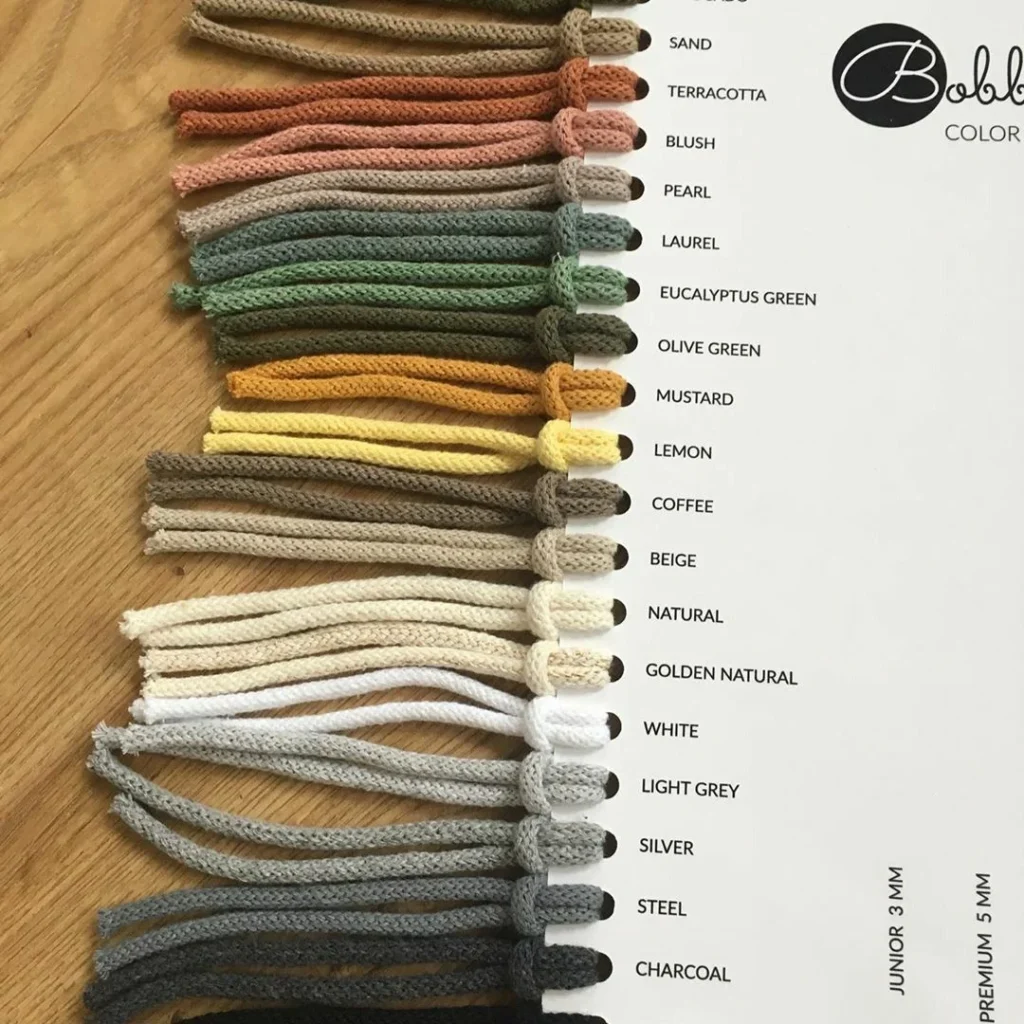
Color coordination is essential for a polished look. Because macrame is typically neutral, it adapts well to a variety of schemes. However, strategic use of accent colors can elevate the effect. Consider these approaches:
- Monochrome harmony: Pair a white cotton macrame with a light‑gray wall for a serene, minimalist vibe.
- Contrast pop: Use a deep navy macrame against a soft ivory backdrop to create visual intrigue.
- Earthy blend: Combine natural‑colored rope with terracotta or sage green walls for a grounded, organic feel.
When you have bold artwork elsewhere, let the macrame act as a neutral buffer. Conversely, if the room leans heavily on neutral tones, a macrame piece with a subtle splash of color—perhaps dyed yarn woven into the pattern—can become the perfect accent without overwhelming the space.
Matching textures for depth
Layering textures is a hallmark of modern interior design. Pair your wall décor with handmade macrame alongside plush throw pillows, smooth ceramic vases, or reclaimed wood shelves. The juxtaposition of soft fibers and hard surfaces creates a balanced, multidimensional environment that feels curated rather than accidental.
DIY vs. Curated: When to Buy and When to Make
For many, the allure of macrame lies in its DIY potential. Yet, buying a professionally crafted piece also has distinct advantages. Below is a quick decision matrix to help you choose the best route.
DIY basics for beginners
- Gather materials: natural cotton rope (3‑5 mm thickness), a wooden dowel or branch, and a pair of sharp scissors.
- Learn core knots: square knot, half‑hitch, and spiral stitch. YouTube tutorials provide clear visual guides.
- Start small: Begin with a simple wall hanging (12‑inch width) to practice tension consistency.
- Finish with a protective spray if the piece will be in a high‑traffic area.
DIY projects allow you to customize size, pattern, and color exactly to your taste. However, they require time, patience, and a willingness to experiment. If you’re short on schedule or desire a large, intricate piece, purchasing from a reputable artisan ensures quality and durability.
Hanging Techniques and Placement Strategies
Even the most beautiful macrame wall décor can fall flat if hung incorrectly. Proper placement enhances both the artwork and the surrounding space. Follow these guidelines to achieve optimal visual impact.
Choosing the right height
- Eye‑level rule: Hang the center of the piece at about 57–60 inches from the floor for most viewers.
- Above furniture: Position the macrame 6–12 inches above a sofa, console table, or headboard to create a floating effect.
- Groupings: When arranging multiple hangings, maintain consistent spacing (usually 4–6 inches) to avoid visual clutter.
Secure mounting methods
Use picture hooks that match the weight of your macrame. For lighter pieces, adhesive hooks work well and won’t damage walls—ideal for renters. Heavier installations benefit from wall anchors or a sturdy wooden dowel mounted with screws. Always test the stability before fully trusting the piece, especially in high‑traffic zones.
Creative placement ideas
Think beyond the main wall. A macrame runner across a hallway, a vertical panel in a narrow entryway, or a suspended piece over a kitchen island can introduce unexpected flair. Pairing macrame with other natural elements—like a woven basket or a potted succulent—creates a cohesive vignette that feels intentional.
Quick Tips for Perfect Macrame Wall Décor
- Mix knot sizes: Varying rope thickness within a single piece adds visual rhythm.
- Incorporate natural beads: Wooden or stone beads break up repetitive patterns and add subtle color.
- Use a backdrop: Hanging macrame against a textured wall (brick or reclaimed wood) intensifies its depth.
- Rotate seasonally: Swap a neutral macrame for one with muted autumn hues in fall, then return to light tones for spring.
Common Mistakes and How to Avoid Them
Even seasoned decorators can slip up when working with macrame. Recognizing common pitfalls helps you maintain a polished look.
- Overcrowding the wall: Too many pieces can create visual noise. Limit the number of hangings and let each breathe.
- Improper lighting: Harsh overhead lights can flatten the texture. Use soft ambient lighting or wall sconces to highlight the knots.
- Neglecting scale: A small macrame in a grand living room feels lost; a massive piece in a compact bedroom overwhelms. Match size to the wall’s dimensions.
- Ignoring moisture: In bathrooms, unprotected natural fibers can develop mildew. Choose treated rope or apply a clear, water‑resistant sealant.
Frequently Asked Questions
Can I hang macrame in a rental apartment without damaging walls?
Yes. Use adhesive hooks designed for picture frames or removable strips that support the weight of the macrame. For heavier pieces, consider a tension rod that fits within a window frame or a doorway, avoiding any permanent fixtures.
How do I clean or maintain wall décor with handmade macrame?
Most natural‑fiber macrame can be gently brushed with a soft lint roller to remove dust. For deeper cleaning, spot‑test a mild detergent solution on a hidden area, then rinse with a damp cloth and let air dry. Avoid submerging the piece unless the material is specifically labeled as washable.
Is it okay to combine macrame with modern metal art?
Absolutely. Pairing the warmth of macrame with sleek metal sculptures creates a balanced contrast that feels both contemporary and organic. Keep the color palette consistent—e.g., bronze metal with earthy rope—to maintain cohesion.
What size macrame works best above a sofa?
Generally, aim for a width that is two‑thirds to three‑quarters of the sofa’s length. Height should be positioned so the bottom edge sits 6–12 inches above the sofa back, allowing the piece to “float” without overwhelming the seating.
Can I use synthetic rope instead of natural fibers?
Synthetic ropes (like nylon or acrylic) are more durable in humid environments and can resist fading. However, they may lack the natural texture that many people love about macrame. If you prioritize longevity over tactile feel, synthetic options are a viable alternative.
How do I incorporate macrame into a small apartment without making it feel cramped?
Choose slim, vertical designs that draw the eye upward, creating an illusion of height. Pair the macrame with mirrors or light‑colored walls to keep the space feeling airy. For a subtle touch, a narrow macrame runner along a hallway can add texture without taking up much visual real estate.
Integrating wall décor with handmade macrame into your home is a rewarding journey that blends artistry, sustainability, and personal expression. By thoughtfully selecting pieces that match your space, employing proper hanging techniques, and avoiding common missteps, you can create interiors that feel both modern and warmly handcrafted. Ready to experiment? Explore more inspiration on DIY natural décor inspiration and see how a single macrame wall hanging can transform an entire room.
Remember, the beauty of macrame lies in its versatility. Whether you’re a seasoned design pro or a first‑time renter, the right wall décor with handmade macrame can become the centerpiece of your décor narrative—telling a story of texture, tradition, and thoughtful style.