
Table of Contents
- Vinyl vs Fiberglass vs Aluminum Windows: Key Differences at a Glance
- Performance Overview of Vinyl vs Fiberglass vs Aluminum Windows
- Durability and Longevity: How Each Material Stands Up to Time
- Energy Efficiency: Keeping Your Home Comfortable and Your Bills Low
- Design Flexibility: Matching Window Style to Interior Décor
- Maintenance Requirements: How Much Effort Does Each Material Need?
- Cost Considerations: Balancing Budget and Value
- Quick Home Décor Tips for Window Integration
- Common Mistakes to Avoid When Selecting Windows
- Frequently Asked Questions
Vinyl vs Fiberglass vs Aluminum Windows – A Comprehensive Guide for Modern Homes
When it comes to updating a home’s façade or improving energy performance, the choice of window material can feel overwhelming. Vinyl, fiberglass, and aluminum each bring a distinct blend of durability, aesthetics, and cost, making the decision a balancing act between budget, climate, and design vision. Homeowners and interior design enthusiasts alike need clear, practical information to avoid costly mistakes and ensure the new windows complement both the architectural style and the interior décor.
This guide breaks down the essential characteristics of each material, highlights real‑world applications, and offers actionable tips for integrating the right windows into living rooms, bedrooms, kitchens, and even small apartments. By the end, you’ll have a solid framework to decide whether vinyl, fiberglass, or aluminum windows best suit your project.
Vinyl vs Fiberglass vs Aluminum Windows: Key Differences at a Glance
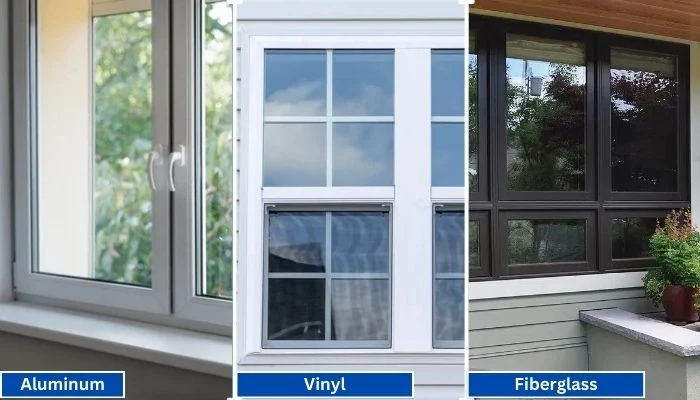
Understanding the core attributes of each material helps you match them to specific needs. Below is a concise comparison that touches on performance, maintenance, aesthetics, and price.
Performance Overview of Vinyl vs Fiberglass vs Aluminum Windows
- Vinyl: Excellent thermal insulation, low maintenance, and budget‑friendly. Ideal for moderate climates.
- Fiberglass: Superior strength, excellent temperature stability, and high energy efficiency. Performs well in extreme temperatures.
- Aluminum: Strong, slim profiles that allow larger glass areas. Best for modern aesthetics but requires thermal breaks for better efficiency.
Durability and Longevity: How Each Material Stands Up to Time

Durability is often the first factor homeowners consider. Vinyl windows resist rot and corrosion but can become brittle in very cold climates. Fiberglass, on the other hand, maintains its structural integrity across a wide temperature range, making it a long‑term investment for regions with harsh winters or scorching summers. Aluminum boasts exceptional strength and is virtually immune to warping, yet without a proper thermal break it can conduct heat, potentially leading to condensation issues.
When choosing between vinyl, fiberglass, and aluminum windows, think about the local climate and how much you value a “set‑and‑forget” solution. For example, a coastal home exposed to salty air may benefit from the corrosion resistance of aluminum, while a mountain cabin might lean toward fiberglass for its stability in freeze‑thaw cycles.
Energy Efficiency: Keeping Your Home Comfortable and Your Bills Low
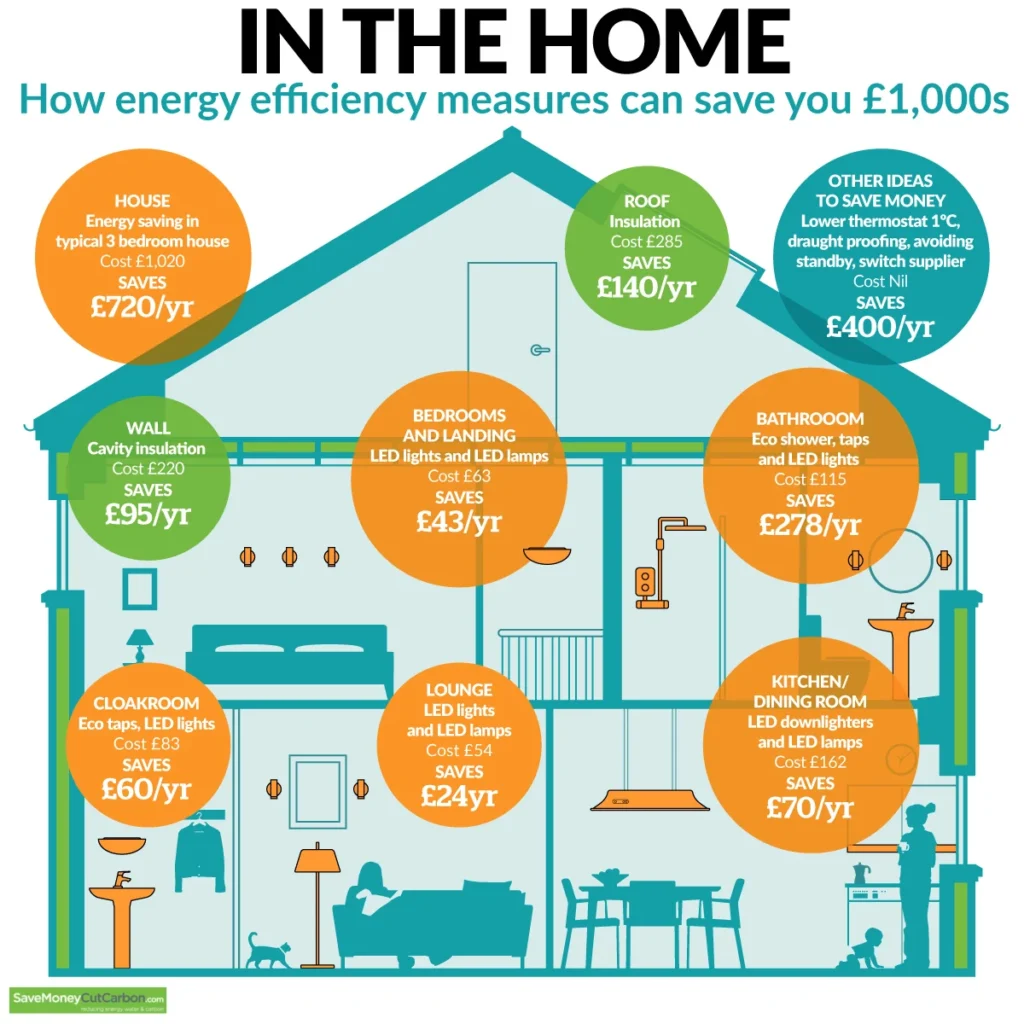
Energy performance is a major selling point for modern home design. Vinyl frames typically have a built‑in foam core that provides good insulation, achieving respectable U‑values for most residential applications. Fiberglass windows often come with multiple chambers and can be filled with high‑performance gas, delivering some of the lowest U‑values on the market. Aluminum windows require a thermal break—a piece of insulating material separating the interior and exterior frames—to reach comparable efficiency.
Integrating energy‑efficient windows ties directly into interior styling choices. Large, well‑insulated windows allow more natural light, reducing the need for artificial lighting and enhancing the effectiveness of calm home interior décor ideas that rely on soft, diffused daylight.
Design Flexibility: Matching Window Style to Interior Décor
From sleek modern lofts to classic colonial homes, the visual impact of windows cannot be overstated. Vinyl windows are available in a wide range of colors and finishes, but they often have thicker frames that can look bulky in ultra‑modern settings. Fiberglass frames can be painted and offer slimmer sightlines, providing a contemporary look while still being robust. Aluminum’s thin profile is perfect for floor‑to‑ceiling glazing, creating a minimalist aesthetic that complements industrial and Scandinavian interiors.
When planning a living room makeover, consider pairing large aluminum windows with budget‑friendly decorating ideas such as neutral wall colors and sleek metal furniture. Conversely, a cozy bedroom may benefit from the softer framing of vinyl or fiberglass, allowing you to highlight warm textiles and layered lighting.
Maintenance Requirements: How Much Effort Does Each Material Need?
Homeowners often underestimate the long‑term upkeep of their window choices. Vinyl windows are virtually maintenance‑free; a simple wipe with mild soap and water keeps them looking new. Fiberglass requires occasional cleaning, and while it can be painted, the paint must be compatible with the material to avoid cracking. Aluminum frames may need periodic repainting, especially in coastal areas where salt can accelerate wear on the finish.
For renters or busy professionals, the low‑maintenance nature of vinyl can be a decisive factor. However, if you enjoy occasional DIY projects and want a window that can be refreshed with new paint colors, fiberglass offers that flexibility without compromising structural strength.
Cost Considerations: Balancing Budget and Value
Price is often the deciding factor. Vinyl windows are the most affordable, typically ranging from $150 to $350 per window installed. Fiberglass windows sit in the mid‑to‑high range, often $300 to $600 per unit, reflecting their superior performance and durability. Aluminum windows can vary widely; basic models may start around $250, but high‑end, thermally broken options can exceed $800 per window.
While vinyl offers the lowest upfront cost, fiberglass and aluminum may provide better long‑term value through energy savings and longer lifespan. Conducting a life‑cycle cost analysis—considering purchase price, energy bills, and maintenance—helps you determine the most economical choice for your specific situation.
Quick Home Décor Tips for Window Integration
- Use light, sheer curtains with vinyl windows to enhance their soft frame and keep the room airy.
- Pair fiberglass windows with bold, textured blinds to highlight their sleek profile without overwhelming the space.
- Install aluminum windows alongside minimalist metal shelving for a cohesive industrial look.
- Consider planting low‑maintenance succulents on windowsills; they work well with any frame material.
- Choose hardware finishes (brass, matte black, brushed nickel) that complement the window frame color for a unified aesthetic.
Common Mistakes to Avoid When Selecting Windows
Even seasoned renovators can slip up. Here are frequent pitfalls and how to sidestep them:
- Focusing solely on price: The cheapest option may lead to higher energy bills and earlier replacement.
- Ignoring climate compatibility: Vinyl can become brittle in extreme cold; fiberglass thrives in both hot and cold conditions.
- Overlooking frame thickness: Thick vinyl frames can disrupt a sleek modern interior, while thin aluminum frames may look out of place in traditional homes.
- Neglecting proper installation: Poor sealing defeats any material’s energy benefits. Hire experienced installers.
- Forgetting about future décor plans: Choose a finish that can be easily repainted or matched with upcoming design trends.
Frequently Asked Questions
Which window material offers the best energy efficiency?
Fiberglass windows typically provide the highest energy efficiency due to their multi‑chamber construction and low thermal conductivity. Aluminum can match this performance when equipped with a thermal break, while vinyl offers solid efficiency at a lower price point.
Can I paint vinyl windows?
Vinyl frames are not recommended for painting because the paint can peel and compromise the material’s integrity. Instead, choose a pre‑finished color that fits your décor.
Are aluminum windows prone to condensation?
Standard aluminum frames conduct heat, which can lead to condensation on interior glass surfaces. Using thermally broken aluminum eliminates most of this issue, making it suitable for colder climates.
How does the lifespan of fiberglass compare to vinyl?
Fiberglass windows often last 30‑40 years or more with minimal maintenance, whereas vinyl windows typically have a lifespan of 20‑30 years, depending on exposure to extreme weather.
Do any of these window types affect interior acoustics?
Fiberglass and high‑quality vinyl windows provide better sound insulation due to their thicker frames and multi‑layered glass options. Aluminum can be acoustically efficient when combined with double or triple glazing.
Which material works best for historic homes?
Vinyl and fiberglass can be customized to mimic traditional wood profiles, making them suitable for historic renovations. Aluminum’s sleek look may clash with period aesthetics unless a specific modern contrast is desired.
Choosing between vinyl, fiberglass, and aluminum windows is not merely a technical decision—it’s an opportunity to enhance the overall feel of your home. By aligning material performance with your climate, design preferences, and budget, you create a harmonious balance that adds both comfort and visual appeal.
Ready to bring your window vision to life? Explore more home‑styling inspiration on The Homara, from sliding patio doors comparisons to curated décor ideas that elevate every room.