
Table of Contents
- Design Aesthetics and Customization Options in Jeld Wen vs Pella Sliding Patio Doors
- Jeld Wen vs Pella Sliding Patio Doors: Frame Materials and Build Quality
- Energy Efficiency: How Jeld Wen vs Pella Sliding Patio Doors Perform in Different Climates
- Installation Considerations and DIY Friendliness in Jeld Wen vs Pella Sliding Patio Doors
- Cost Comparison: Budgeting for Jeld Wen vs Pella Sliding Patio Doors
- Security Features and Longevity in Jeld Wen vs Pella Sliding Patio Doors
- Quick Tips for Choosing the Perfect Sliding Patio Door
- Common Mistakes to Avoid When Installing Sliding Patio Doors
- Frequently Asked Questions
- Which sliding patio door brand offers better energy efficiency, Jeld Wen or Pella?
- Can I install a Jeld Wen sliding patio door myself?
- Are Pella sliding patio doors more expensive because of higher quality?
- What maintenance does a sliding patio door require?
- Do both brands offer security upgrades?
- How do I choose the right glass type for my patio door?
Jeld Wen vs Pella Sliding Patio Doors – Which Is Right for Your Home
When it comes to bringing the outdoors inside, sliding patio doors are a popular choice for homeowners who want seamless transitions between indoor living spaces and outdoor patios, decks, or gardens. Two names dominate the market: Jeld‑Wen and Pella. Both manufacturers promise durability, energy efficiency, and aesthetic versatility, yet their product lines differ in subtle ways that can influence a buyer’s decision. In this article, we’ll explore the key factors that separate Jeld‑Wen from Pella sliding patio doors, helping you weigh performance, design options, installation considerations, and long‑term value.
Whether you’re renovating a modern loft, updating a suburban family home, or outfitting a compact apartment, understanding the nuances of each brand will empower you to choose a sliding door that enhances your interior design goals while respecting budget constraints. Below you’ll find a detailed breakdown of materials, hardware, thermal performance, and style flexibility, followed by practical tips for selecting, installing, and maintaining the perfect sliding patio door for any space.
Design Aesthetics and Customization Options in Jeld Wen vs Pella Sliding Patio Doors
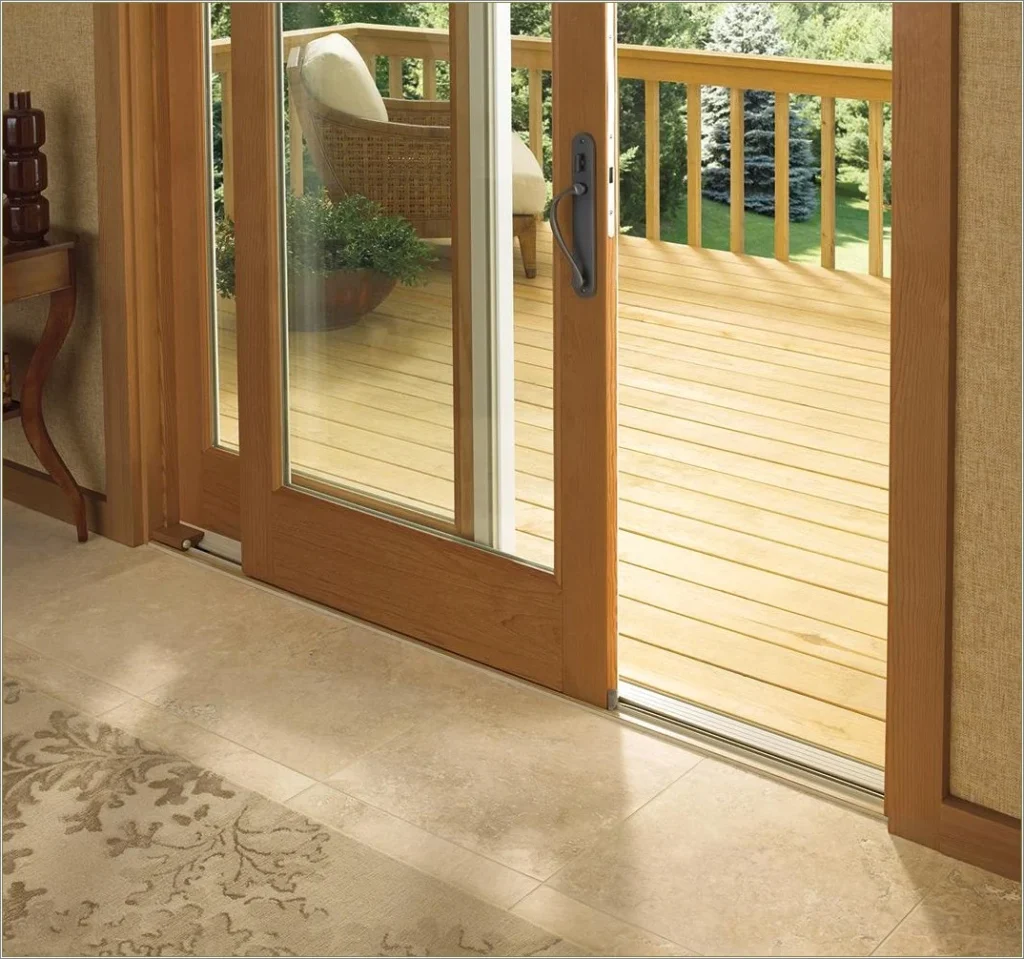
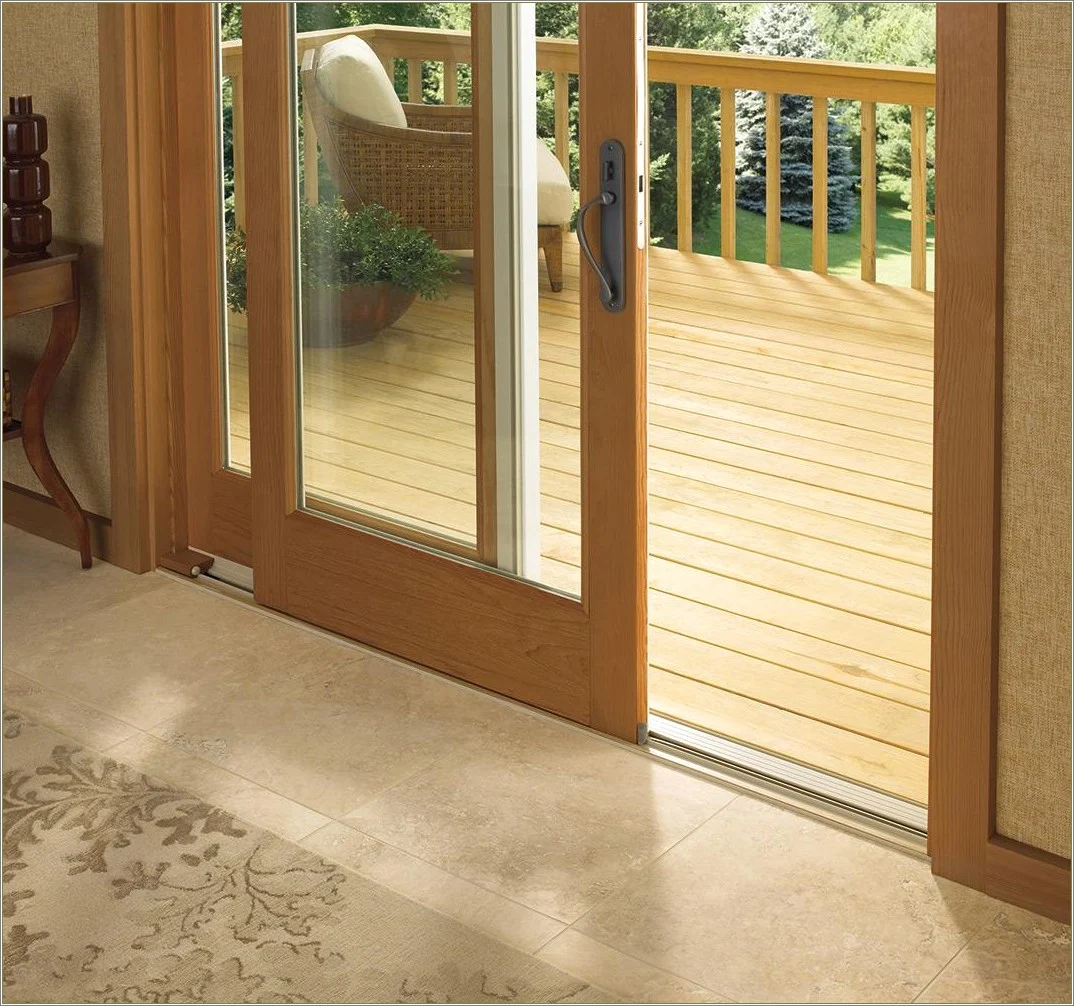
One of the first aspects homeowners notice is the visual impact of a sliding patio door. Jeld‑Wen offers a broad catalog of frame finishes—white, bronze, aluminum, and wood grain—allowing you to match the door to existing trim or create a contrasting accent. Their glass options range from clear to low‑E tinted, with optional decorative patterns that can add privacy without sacrificing light.
Pella, on the other hand, emphasizes premium aesthetics with their “Architectural Series.” These doors feature slim aluminum frames that maximize glass area, creating a near‑floor‑to‑ceiling view. Pella also provides a wider selection of custom glass, including triple‑pane options, frosted designs, and decorative glass inserts for a more upscale feel.
For those who enjoy mixing metals in home décor, Pella’s aluminum‑on‑aluminum design pairs well with contemporary interiors, while Jeld‑Wen’s wood‑grain finishes can complement more traditional or rustic settings. If you’re looking for design inspiration, check out our guide on calm home interior décor ideas for ways to integrate sliding doors into a serene living environment.
Jeld Wen vs Pella Sliding Patio Doors: Frame Materials and Build Quality
Both brands use high‑quality materials, but they approach construction differently. Jeld‑Wen typically employs a vinyl or vinyl‑clad frame that offers excellent moisture resistance—ideal for humid climates or homes near water features. Their frames are reinforced with steel brackets, providing structural stability while keeping the overall weight manageable for easier installation.
Pella’s premium models use a combination of fiberglass and aluminum. Fiberglass frames are known for their strength-to-weight ratio and resistance to warping, making them a strong contender for large openings or high‑traffic areas. Aluminum frames, while sleek, can be prone to thermal bridging, a factor Pella mitigates with thermal breaks and insulated glazing.
When assessing build quality, consider the warranty coverage: Jeld‑Wen often provides a 10‑year limited warranty on frame and hardware, whereas Pella’s high‑end lines can come with up to a 20‑year warranty, reflecting their confidence in long‑term performance.
Energy Efficiency: How Jeld Wen vs Pella Sliding Patio Doors Perform in Different Climates
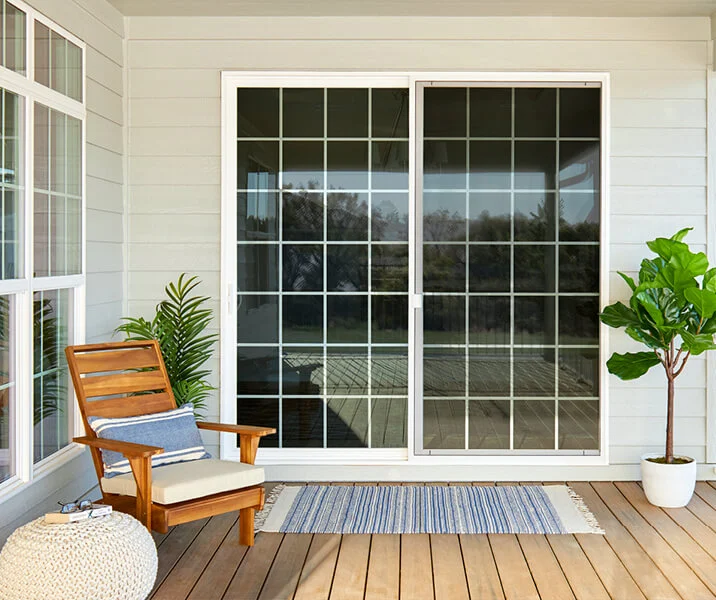
Energy efficiency has become a decisive factor for many homeowners, especially those aiming for lower utility bills or pursuing green building certifications. Jeld‑Wen’s standard sliding doors feature double‑glazed low‑E glass with argon gas fill, achieving an average U‑factor of around 0.38 and a Solar Heat Gain Coefficient (SHGC) of 0.31. This performance is suitable for temperate climates where moderate insulation is sufficient.
Pella’s high‑performance models push the envelope further. Their triple‑pane glass, combined with low‑E coatings and optional insulated frames, can reach a U‑factor as low as 0.22 and an SHGC under 0.25. Such specifications make Pella a strong choice for extreme climates—whether you’re battling scorching summers in the Southwest or frigid winters in the Northeast.
For a deeper dive into cost‑effective design ideas, our article on budget‑friendly decorating ideas for every room outlines ways to pair energy‑efficient doors with other sustainable upgrades.
Installation Considerations and DIY Friendliness in Jeld Wen vs Pella Sliding Patio Doors
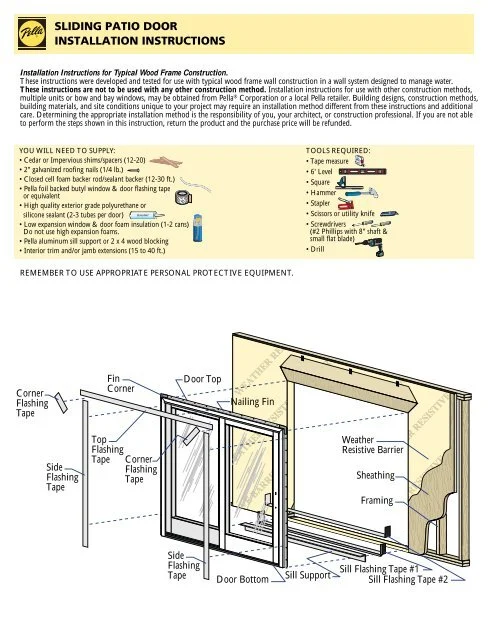
Installation can be a make‑or‑break factor, particularly for DIY‑savvy homeowners. Jeld‑Wen designs many of its sliding patio doors with pre‑drilled holes and simplified hardware kits that streamline the installation process. The company even offers a “DIY Installation Guide” PDF that walks you through measuring, framing, and sealing steps, making it feasible for confident DIYers to complete the project without professional assistance.
Pella’s premium doors, while offering superior performance, often require more precise framing due to the thinner profiles and heavier glass panes. Pella recommends professional installation for most models to ensure proper alignment, weather sealing, and warranty compliance. However, for those who enjoy a challenge, Pella provides detailed installation manuals and offers optional “installer‑ready” kits that include all necessary hardware and instructions.
When planning your renovation, think about how the door will integrate with your existing interior design. If you’re updating a living room that already features modern, minimalistic décor, a Pella sliding door with a sleek aluminum frame can reinforce the clean lines. Conversely, a Jeld‑Wen door with a wood‑grain finish might harmonize better in a cozy, traditional setting.
Cost Comparison: Budgeting for Jeld Wen vs Pella Sliding Patio Doors
Cost is always a central concern. Jeld‑Wen’s sliding patio doors typically start in the $800‑$1,200 range for standard models, making them an attractive option for budget‑conscious homeowners who still want reliable performance. Optional upgrades—such as custom glass or premium hardware—can add $200‑$400 to the base price.
Pella’s pricing reflects its premium positioning. Entry‑level models begin around $1,500, while high‑end configurations with triple‑pane glass, custom finishes, and advanced security features can exceed $3,500. Installation costs also vary: DIY installation of a Jeld‑Wen door might cost $200‑$400 for tools and materials, whereas professional installation of a Pella door could run $500‑$800, depending on local labor rates.
For readers looking for cost‑saving tips without compromising style, explore our guide on how to decorate bags at home – a complete DIY guide. While unrelated to doors, the DIY mindset can translate to smart budgeting across home projects.
Security Features and Longevity in Jeld Wen vs Pella Sliding Patio Doors
Security is a top priority for any sliding patio door. Jeld‑Wen incorporates multi‑point locking systems and reinforced strike plates as standard on most models. Some higher‑end versions also feature laminated glass, which resists breakage and provides added protection against forced entry.
Pella raises the bar with their “SecureLock” technology, a patented locking mechanism that engages at multiple points along the frame, coupled with reinforced, impact‑resistant glass options. Additionally, Pella offers optional security bars and alarms that can integrate with smart home systems, delivering a modern, connected security solution.
Both brands design their doors for long‑term durability. Jeld‑Wen’s vinyl frames resist rot and corrosion, while Pella’s fiberglass frames are immune to moisture‑related degradation. Regular maintenance—such as cleaning tracks, lubricating rollers, and inspecting seals—will keep any sliding door operating smoothly for decades.
Quick Tips for Choosing the Perfect Sliding Patio Door
- Measure the opening twice—once horizontally and once vertically—to ensure a proper fit.
- Prioritize low‑E glass and argon fill for better energy efficiency, especially in extreme climates.
- Consider the surrounding décor; match frame finishes to existing trim for a cohesive look.
- Check warranty terms; longer warranties often indicate higher confidence in product longevity.
- Plan for maintenance: choose hardware that’s easy to clean and lubricate.
Common Mistakes to Avoid When Installing Sliding Patio Doors
Even seasoned DIYers can stumble over a few pitfalls. One common error is neglecting to level the rough opening before installing the frame, which can lead to misaligned tracks and difficult operation. Another frequent mistake is using the wrong type of sealant—silicone works best for exterior joints, while acrylic may fail under temperature fluctuations.
Lastly, overlooking the impact of hardware placement can compromise both aesthetics and security. Ensure that the lock is positioned at a comfortable height and that any decorative hardware complements the door’s style. By anticipating these issues, you’ll enjoy a smoother installation and a longer‑lasting sliding patio door.
Frequently Asked Questions
Which sliding patio door brand offers better energy efficiency, Jeld Wen or Pella?
Pella generally provides superior energy performance, especially with its triple‑pane glass and insulated frames that achieve lower U‑factors. Jeld‑Wen’s double‑pane low‑E options are still efficient but not as robust in extreme climates.
Can I install a Jeld Wen sliding patio door myself?
Yes, Jeld‑Wen designs many of its doors with DIY‑friendly features, including pre‑drilled holes and comprehensive installation guides. However, ensure you have the right tools and follow the instructions carefully to maintain warranty coverage.
Are Pella sliding patio doors more expensive because of higher quality?
Pella’s higher price reflects premium materials, advanced glass technologies, and customizable design options. The investment often translates to better thermal performance, sleek aesthetics, and longer warranties.
What maintenance does a sliding patio door require?
Regularly clean the glass and frame, lubricate rollers and tracks with a silicone‑based lubricant, and inspect weatherstripping for wear. Replace any damaged hardware promptly to keep the door operating smoothly.
Do both brands offer security upgrades?
Both Jeld‑Wen and Pella provide multi‑point locking systems and reinforced glass. Pella additionally offers advanced “SecureLock” technology and optional smart‑home compatible security accessories.
How do I choose the right glass type for my patio door?
Consider the room’s function and climate. Low‑E double‑pane glass works well for moderate climates, while triple‑pane glass is ideal for extreme temperature variations. Decorative or frosted glass can add privacy without sacrificing natural light.
Choosing between Jeld‑Wen and Pella sliding patio doors ultimately depends on your priorities: budget, design flexibility, energy performance, and the level of professional installation you’re comfortable with. By weighing these factors against your home’s specific needs, you’ll be able to select a sliding door that not only enhances your living space but also adds lasting value and comfort. For more design ideas, explore our article on Emerald vs Diamond: a comprehensive guide for home décor enthusiasts and discover how the right door can transform your interior landscape.