
Table of Contents
- Viking vs Thermador: Brand Overview
- Design Philosophy and Aesthetics
- Viking vs Thermador: Energy Efficiency
- Performance and Cooking Technology
- Installation, Space Requirements, and Compatibility
- Price, Warranty, and Customer Service
- Which One Fits Your Kitchen Style? Practical Decision‑Making
- Quick Tips for Choosing Between Viking and Thermador
- Common Mistakes When Selecting High‑End Appliances
- Frequently Asked Questions
- Is a Viking range better for outdoor cooking?
- Can I install a Thermador induction cooktop in an existing kitchen?
- Which brand offers better bake results for artisan bread?
- Do Viking ranges require a special gas line?
- Are Thermador appliances compatible with smart home systems?
- What is the typical lifespan of a Viking vs Thermador range?
Viking vs Thermador: Which Premium Kitchen Brand Wins Your Heart?
When it comes to outfitting a gourmet kitchen, the choice of a professional‑grade range can feel as decisive as picking a paint color for a living room. Two names dominate the conversation among chefs, designers, and serious home cooks: Viking and Thermador. Both promise top‑tier performance, striking aesthetics, and a suite of advanced features, yet each brand carries its own philosophy, price point, and user experience. Understanding these nuances helps homeowners make an informed decision that aligns with their cooking style, design preferences, and budget.
In this article we’ll dive deep into the Viking vs Thermador debate, breaking down everything from brand heritage to installation considerations. You’ll walk away with a clear picture of which system can truly become the centerpiece of your kitchen, as well as practical tips for seamless integration. Whether you’re remodeling a sleek modern loft or updating a classic farmhouse kitchen, the insights here will guide you toward the appliance that feels less like a purchase and more like an investment in daily joy.
Viking vs Thermador: Brand Overview
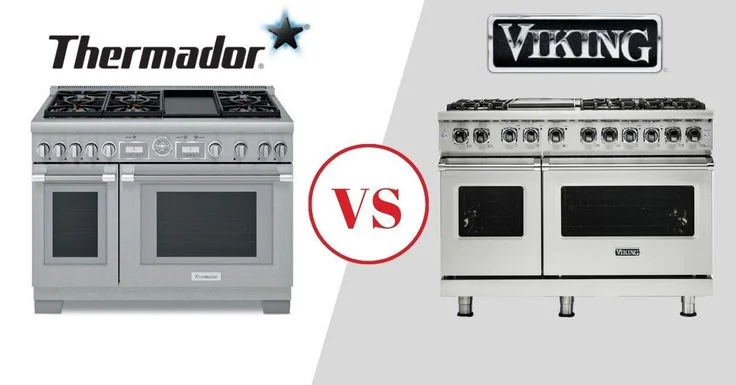
Viking was born in 1987 in Greenwood, Wisconsin, with the bold mission to bring restaurant‑grade cooking to the home kitchen. The brand’s early success hinged on robust, all‑metal construction, powerful burners, and a rugged industrial look that appealed to the “serious cook” demographic. Over the years Viking expanded its portfolio to include wall ovens, cooktops, and even refrigeration, all while retaining a reputation for durability and high heat output.
Thermador, on the other hand, traces its roots back to 1916 in the Bronx, New York. Originally a pioneer in electric cooking technology, Thermador introduced the first built‑in wall oven in the 1940s and later popularized the concept of the “Professional Series” in the 1970s. The brand emphasizes precision, innovative features like the “Star® Burners” and “Steam™ ovens,” and a design language that leans toward sleek, integrated aesthetics. While both brands target the luxury segment, Thermador often markets itself as the more technologically forward choice, whereas Viking leans on raw power and a commanding presence.
Both companies now operate under the umbrella of the same parent conglomerate—Viking Range LLC and Thermador are both part of the larger GE Appliances family—yet they maintain distinct design identities and engineering philosophies, making the Viking vs Thermador comparison a matter of personal priority rather than a simple feature list.
Design Philosophy and Aesthetics

Design is a decisive factor in the Viking vs Thermador conversation because a range isn’t just a cooking tool; it’s a visual anchor for the entire kitchen. Viking typically embraces a bold, industrial aesthetic. Think thick stainless‑steel panels, exposed control knobs, and a hefty footprint that commands attention. The brand’s “Professional” line often features a matte black or brushed stainless finish, delivering a look that pairs well with raw, urban interiors or open‑concept spaces where the appliance is meant to be the focal point.
Thermodar, conversely, adopts a more streamlined, minimalist approach. Its “Professional Series” showcases clean lines, touch‑screen controls, and a seamless integration that can disappear into cabinetry. The brand offers a wider palette of finishes, including a subtle “Satin Stainless” and even a “Gloss Black” that can complement both contemporary and transitional designs. For homeowners who favor a subtle, cohesive look—especially in smaller kitchens where visual clutter needs to be minimized—Thermador often feels like the natural fit.
When deciding between the two, consider how each style will interact with your existing décor. If your kitchen already boasts industrial lighting, reclaimed wood, and exposed brick, a Viking range can enhance that rugged vibe. If your space leans toward clean, light‑filled surfaces with hidden appliances, Thermador’s understated elegance may blend more harmoniously. For further inspiration on integrating sleek appliances into a modern kitchen, check out our guide on minimal kitchen shelf décor.
Viking vs Thermador: Energy Efficiency
Energy consumption is a growing concern for many homeowners, and both brands have taken steps to improve efficiency. Viking’s traditional gas models are known for their high BTU output, which translates to rapid heating but also higher fuel usage. However, newer Viking models incorporate induction cooktops and convection ovens that meet ENERGY STAR standards, narrowing the efficiency gap.
Thermador has a longer history of integrating energy‑saving technologies. Its “Eco‑Mode” for ovens reduces pre‑heat times, while the “Power‑Boost” burners deliver high heat only when needed, limiting waste. Moreover, Thermador’s induction cooktops are among the most efficient on the market, converting up to 90% of electricity into usable heat compared to gas alternatives. If sustainability is a top priority, Thermador often edges ahead, though Viking’s recent innovations are closing that margin quickly.
Performance and Cooking Technology
Performance is where the Viking vs Thermador showdown truly intensifies. Viking’s hallmark is raw power: its burners can reach up to 20,000 BTU, offering the kind of heat intensity that professional chefs rely on for searing, wok cooking, and rapid boiling. The brand’s “Dual‑Fuel” ranges combine a gas cooktop with an electric oven, giving users the best of both worlds—instant gas heat for the stovetop and even baking results from an electric oven.
Thermodar counters with precision engineering. Its “Star® Burners” deliver high heat with a more even flame distribution, reducing hot spots and improving control. The “Steam™ ovens” use a combination of steam and conventional heat, preserving moisture in foods, enhancing flavor, and allowing faster cooking times for roasts and breads. Thermador also pioneered the “Induction Cooktop” in residential kitchens, offering instant temperature changes, safety (no open flame), and easy cleanup.
For the avid home baker, Thermador’s convection ovens often provide more consistent results thanks to patented “True Convection” technology, which circulates air at a higher velocity. Viking’s convection systems are strong, but they can sometimes create uneven hotspots in larger dishes. Meanwhile, serious grill enthusiasts may gravitate toward Viking’s “Outdoor‑Ready” range models that include integrated grill plates and rotisserie options.
Installation, Space Requirements, and Compatibility
Installation logistics can make or break a high‑end appliance purchase. Viking ranges are generally larger and heavier, often requiring reinforced flooring and a dedicated venting system for gas models. The brand’s “Professional” line typically measures around 30 inches wide, but some “Commercial” models stretch to 48 inches, demanding ample countertop space and careful planning for door swing clearance.
Thermodar’s designs, especially the built‑in wall ovens and slide‑in ranges, are more flexible for tight kitchen layouts. Their dimensions frequently align with standard 30‑inch cabinets, simplifying integration. Moreover, Thermador offers “modular” configurations, allowing separate cooktop and oven installations that can be placed at different heights—a boon for ergonomics and accessibility.
Both brands provide comprehensive installation guides and professional service networks, but the cost of installation can differ. Viking’s heavier units may incur higher labor fees, while Thermador’s modular approach can sometimes reduce the overall expense. Homeowners with limited space should measure meticulously and consult a certified installer early in the design process to avoid costly revisions.
Price, Warranty, and Customer Service
Price is often the decisive factor in the Viking vs Thermador debate. Viking’s entry‑level ranges start around $2,500, with high‑end “Commercial” models exceeding $10,000. Thermador’s pricing is comparable, with base models near $3,000 and premium configurations—especially those featuring steam ovens or induction cooktops—reaching $12,000 or more. Both brands position themselves in the luxury segment, but Thermador’s broader array of optional upgrades can push the final bill higher.
Warranty coverage reflects each company’s confidence in durability. Viking offers a limited 1‑year warranty on parts and labor, with an optional extended plan for up to 5 years. Thermador provides a 2‑year limited warranty on parts and labor, plus a 5‑year warranty on specific components such as the oven cavity and burners. Both companies maintain nationwide service networks, though customer satisfaction reviews often highlight Thermador’s more responsive service appointments.
When evaluating long‑term value, consider not only the upfront cost but also the potential for future repairs, the availability of spare parts, and the reputation of each brand’s support team. Reading third‑party consumer reports and speaking directly with installers can provide additional clarity.
Which One Fits Your Kitchen Style? Practical Decision‑Making
Choosing between Viking and Thermador ultimately hinges on a blend of aesthetic preference, cooking habits, and spatial constraints. Below is a quick decision matrix to help you align your priorities:
- Power‑hungry chefs: Lean toward Viking for high BTU burners and rugged durability.
- Tech‑savvy cooks: Thermador’s induction, steam, and smart‑connect features provide modern convenience.
- Industrial or loft aesthetics: Viking’s bold stainless‑steel presence complements raw, exposed designs.
- Seamless, integrated look: Thermador’s sleek panels and modular options suit minimalist interiors.
- Small or tight spaces: Thermador’s standard 30‑inch dimensions and slide‑in models often fit better.
- Energy efficiency focus: Thermador’s induction and eco‑modes generally outpace Viking’s traditional gas models.
For a holistic view of how high‑end appliances interact with surrounding décor, explore our article on entryway décor with round mirror styling. While not kitchen‑specific, the principles of balance, proportion, and focal points apply universally across home design.
Quick Tips for Choosing Between Viking and Thermador
- Assess your primary cooking method—grilling, searing, baking, or steaming—to match the brand’s strength.
- Measure your kitchen’s exact dimensions, including clearance for doors and ventilation.
- Consider future upgrades; Thermador’s modular components can be swapped more easily.
- Set a realistic budget that includes installation and potential extended warranty costs.
- Visit a showroom to compare tactile feel—Viking’s heavy‑duty knobs vs Thermador’s touch‑screen panels.
Common Mistakes When Selecting High‑End Appliances
Even seasoned homeowners can fall into pitfalls when navigating the Viking vs Thermador landscape. Below are common errors and how to avoid them:
- Ignoring ventilation needs: Both brands require proper venting, especially gas models. Overlooking this can lead to safety hazards and costly retrofits.
- Focusing solely on appearance: A beautiful range is meaningless if it doesn’t meet your cooking demands. Prioritize performance specs before aesthetics.
- Underestimating space: Measuring only the width can miss crucial depth and height requirements, causing installation headaches.
- Skipping the warranty review: Not all parts are covered equally; know what is included and consider an extended plan.
- Overlooking resale value: While both brands hold value, Thermador’s tech‑forward reputation may appeal more to future buyers seeking smart‑home integration.
Frequently Asked Questions
Is a Viking range better for outdoor cooking?
Viking offers specific “Outdoor‑Ready” models with built‑in grill plates, rotisserie, and weather‑resistant finishes, making them a solid choice for patios and decks. Thermador also provides outdoor options, but they are less extensive than Viking’s dedicated line.
Can I install a Thermador induction cooktop in an existing kitchen?
Yes, Thermador’s induction cooktops are designed to replace standard gas or electric surfaces, but you’ll need compatible electrical wiring (typically 240V) and a professional installer to ensure safety and optimal performance.
Which brand offers better bake results for artisan bread?
Thermodar’s “Steam™ ovens” excel at creating a moist environment that yields crisp crusts and airy interiors—ideal for artisan breads. Viking’s convection ovens are capable, but lack the precise steam control that many bakers prefer.
Do Viking ranges require a special gas line?
Most Viking gas models use standard natural gas connections, but high‑output burners may need a larger diameter line to maintain pressure. Consult a licensed plumber to confirm your home’s capacity.
Are Thermador appliances compatible with smart home systems?
Thermodar has integrated Wi‑Fi connectivity on many models, allowing control via smartphone apps and compatibility with platforms like Alexa and Google Assistant. Viking’s smart features are more limited, focusing mainly on self‑clean cycles and diagnostic alerts.
What is the typical lifespan of a Viking vs Thermador range?
Both brands are built for longevity, with many units lasting 15‑20 years when properly maintained. Regular cleaning, timely repairs, and adherence to warranty guidelines can extend the life of either appliance.
Choosing between Viking and Thermador isn’t merely about brand loyalty; it’s about aligning performance, design, and practical considerations with your unique kitchen vision. By evaluating your cooking habits, spatial constraints, and aesthetic goals, you can select a range that not only delivers culinary excellence but also enhances the overall ambiance of your home.
Ready to start your kitchen transformation? Dive into related inspiration such as Pale Oak vs Swiss Coffee to see how color choices can complement your new appliance, or explore our budget‑friendly decorating ideas to keep the project financially smart.
Remember, the best kitchen is one that reflects your personality, supports your cooking passions, and stands the test of time. Whether the bold vigor of Viking or the refined precision of Thermador wins your heart, the journey to a dream kitchen begins with informed choices and a clear vision.