

Table of Contents
- pale oak vs Swiss coffee: A Detailed Comparison
- Choosing Between pale oak vs Swiss coffee: Factors to Consider
- Light Reflection and Space Perception
- Pairing with Furniture and Materials
- Application in Different Rooms
- Living Room
- Bedroom
- Kitchen
- Bathroom
- Home Office
- Sustainability and Finish Durability
- Quick Home Décor Tips
- Common Mistakes to Avoid
- Frequently Asked Questions
Pale Oak vs Swiss Coffee: Choosing the Perfect Warm Neutral for Modern Interiors
When it comes to crafting a soothing yet sophisticated backdrop, few color choices spark as much debate as pale oak and Swiss coffee. Both belong to the warm neutral family, yet each carries a distinct personality that can dramatically influence the feel of a room. Whether you’re refreshing a living room, updating a bedroom, or planning a full‑home redesign, understanding the subtle nuances between these two shades will help you make an informed decision that aligns with your aesthetic goals.
This article dives deep into the characteristics, practical applications, and design psychology behind pale oak and Swiss coffee. By the end, you’ll be equipped with clear guidelines, quick tips, and answers to common questions—so you can confidently select the finish that best complements your space, furniture, and lifestyle.
pale oak vs Swiss coffee: A Detailed Comparison
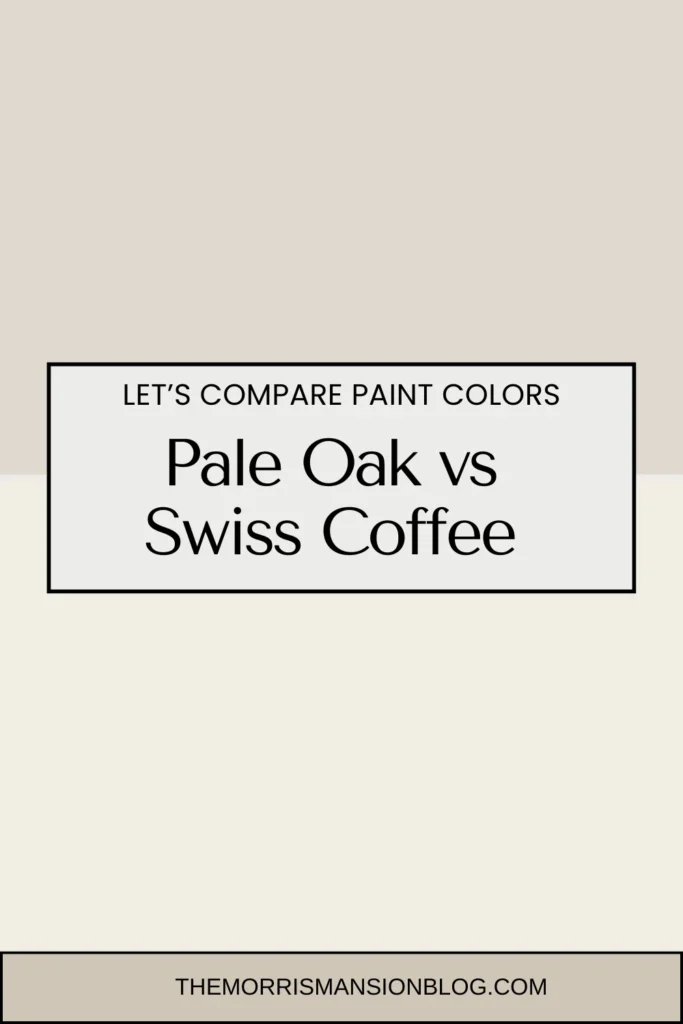
At first glance, pale oak and Swiss coffee appear similar because they both sit in the warm, earthy spectrum. However, a closer look reveals distinct undertones, light reflectance values (LRV), and emotional impacts.
Pale Oak leans toward a light, buttery beige with hints of honey and soft gray. Its LRV typically ranges from 65 to 70, meaning it reflects a generous amount of light, making rooms feel airy and expansive. This shade works especially well in spaces with limited natural light, as it helps bounce illumination around the room.
Swiss Coffee is a richer, creamier off‑white with subtle golden and taupe undertones. Its LRV usually falls between 70 and 75, offering slightly higher reflectivity than pale oak. Swiss coffee can add a touch of warmth without veering into a strong yellow or brown direction, making it a favorite for traditional and transitional interiors.
Both colors provide a neutral canvas, but their undertones dictate how they interact with other design elements. Pale oak tends to harmonize with cool‑toned wood and steel accents, while Swiss coffee pairs beautifully with warm woods, brass fixtures, and natural fibers.
Choosing Between pale oak vs Swiss coffee: Factors to Consider
- Natural Light: In rooms flooded with sunlight, Swiss coffee can keep the space from feeling too stark, whereas pale oak excels in dimmer areas by adding a gentle glow.
- Existing Palette: If your furniture leans toward cool gray or blue tones, pale oak creates a balanced backdrop. For homes featuring warm wood, caramel leather, or gold metal, Swiss coffee enhances cohesion.
- Room Function: Living rooms and open‑plan areas benefit from the spacious feel of pale oak, while bedrooms and bathrooms often appreciate the soothing comfort of Swiss coffee.
- Ceiling Height: Higher ceilings can accommodate the slightly deeper tone of pale oak without feeling heavy; lower ceilings may feel more lifted with Swiss coffee’s lighter reflectivity.
Light Reflection and Space Perception

Understanding how each color handles light is essential for achieving the desired spatial perception. Light reflection is measured by the LRV, and while both pale oak and Swiss coffee score high, the subtle difference can be leveraged strategically.
In a compact studio apartment, for example, painting the walls Swiss coffee can create an almost seamless extension between the ceiling and floor, especially when paired with light‑colored flooring. The effect is a room that feels larger than its actual dimensions. Conversely, in a spacious loft with tall windows, pale oak adds depth without overwhelming the eye, preventing the space from feeling too “washed out.”
Another consideration is the direction of natural light. North‑facing rooms receive cooler, bluish light, which can make Swiss coffee appear slightly cooler and more neutral, while pale oak’s warm undertones counterbalance the cool daylight, offering a balanced feel. South‑facing rooms bathe in warm, golden light; here, Swiss coffee may blend too closely with the sunlight, potentially reducing contrast. In such cases, pale oak provides a subtle contrast that maintains visual interest.
Artificial lighting also plays a role. LED bulbs with a high CRI (Color Rendering Index) reveal true undertones, so testing paint samples under both daytime and evening lighting conditions is advisable before committing to either pale oak or Swiss coffee.
Pairing with Furniture and Materials

The choice between pale oak and Swiss coffee influences the selection of furniture, textiles, and accessories. Both shades act as a neutral stage, but their undertones guide the palette of complementary colors.
Wood Finishes – Light‑stained oak or maple works harmoniously with pale oak, reinforcing the soft, muted vibe. Dark walnut or espresso can provide striking contrast without clashing. Swiss coffee, on the other hand, pairs beautifully with medium‑tone cherry, teak, or reclaimed barn wood, adding warmth without competing for attention.
Metal Accents – Brushed nickel and matte black fixtures stand out against pale oak, delivering a modern contrast. For Swiss coffee, warm brass or oil‑rubbed bronze adds a cohesive, inviting glow that enhances the creamier feel of the walls.
Textiles – Neutral upholstery in muted slate, soft sage, or dusty rose looks fresh against pale oak, while deeper jewel tones like emerald or navy can become focal points. With Swiss coffee, you can experiment with richer earth tones—terracotta, deep mustard, or chocolate brown—without risking a clash.
For inspiration on coordinating textiles, check out our guide on Simple Bedroom Accent Wall Ideas to Transform Your Space, which showcases how subtle wall colors can elevate bedding and curtain choices.
Application in Different Rooms
Below is a room‑by‑room breakdown of where pale oak and Swiss coffee shine most, along with practical examples.
Living Room
Living rooms often serve as the visual anchor of a home. If the space includes large windows and an open floor plan, pale oak can create a light, breezy atmosphere that encourages conversation. Pair it with a sectional in soft charcoal, a glass coffee table, and a rug that introduces a pop of muted teal for contrast.
In contrast, a cozier living room with a fireplace benefits from Swiss coffee. The creamy backdrop highlights the warmth of a wood mantel and allows decorative accents like woven baskets, patterned throw pillows, and a plush rug to stand out without overwhelming the eye.
Bedroom
Bedrooms thrive on serenity. Swiss coffee’s gentle warmth promotes relaxation, especially when combined with linen bedding, a muted lavender throw, and a nightstand in natural walnut. The subtle contrast between the wall and bedding creates a restful sanctuary.
If you prefer a breezier aesthetic, pale oak works well with crisp white bedding, soft gray curtains, and a statement piece of artwork in cool blues. The lightness of pale oak keeps the bedroom feeling airy, making it ideal for smaller master suites.
Kitchen
In kitchens, both shades can serve as a neutral backdrop for cabinetry. Pale oak pairs nicely with white or pastel cabinets, especially when the countertop is quartz in a cool gray. It also works with stainless steel appliances, giving a sleek, contemporary look.
Swiss coffee, meanwhile, complements warm wood cabinets and brushed gold hardware. Its subtle creaminess can make a kitchen feel inviting, especially when paired with marble backsplashes that have golden veining.
Bathroom
Bathrooms benefit from moisture‑resistant paints, and both pale oak and Swiss coffee are available in such finishes. Swiss coffee is a popular choice for spa‑like bathrooms because its softness enhances the feeling of clean luxury. Pair it with large-format porcelain tiles in a light stone finish and matte black fixtures for a modern contrast.
Pale oak can create a bright, fresh ambiance in smaller powder rooms. Combine it with white marble vanity tops, clear glass shower enclosures, and subtle greenery to amplify the sense of space. For more bathroom styling ideas, explore Bathroom décor with linen towels: Elevate Your Space with Soft Elegance.
Home Office
A productive home office needs a backdrop that is both calming and stimulating. Pale oak can provide a subtle, unobtrusive canvas that lets your desk accessories and artwork take center stage. Pair it with a walnut desk, ergonomic chair in muted teal, and a rug that adds texture.
Swiss coffee works well for offices that aim for a warm, inviting vibe, especially when the space includes a bookshelf with rich, dark wood. The creamy walls soften the intensity of concentrated work, encouraging a relaxed mindset.
Sustainability and Finish Durability
Beyond aesthetics, durability and environmental impact are essential considerations. Both pale oak and Swiss coffee are widely available from manufacturers offering low‑VOC (volatile organic compounds) formulas that meet or exceed GREENGUARD certifications. Choosing a low‑VOC paint improves indoor air quality, which is especially important in bedrooms and living rooms where families spend the most time.
When selecting a finish, opt for a satin or eggshell sheen for high‑traffic areas such as hallways and kitchens. These finishes provide a balance between durability and ease of cleaning while retaining the subtle elegance of the color. For ceilings or low‑traffic walls, a flat or matte finish can minimize glare and keep the focus on furnishings.
Another sustainable tip is to use paint that incorporates recycled content. Some brands now offer paint with up to 30% post‑consumer recycled materials, reducing the carbon footprint without sacrificing performance. When comparing product specifications, look for labels indicating “Zero % VOC” or “Low‑VOC” alongside the color name, ensuring you get the true pale oak or Swiss coffee hue you desire.
Quick Home Décor Tips
- Test large paint swatches on opposite walls to see how pale oak vs Swiss coffee behaves under varied lighting.
- Use crown molding painted in a slightly darker shade to add depth without breaking the neutral palette.
- Introduce natural textures—jute rugs, woven baskets, and linen curtains—to complement either color’s warmth.
- Consider a feature wall in a complementary accent color (e.g., muted sage or soft navy) to break monotony.
- Pair decorative hardware in brushed brass with Swiss coffee for a cohesive, upscale look.
Common Mistakes to Avoid
Even seasoned decorators can stumble when working with neutrals. Below are pitfalls specific to pale oak and Swiss coffee, plus practical solutions.
- Over‑matching: Using furniture that exactly matches the wall color can create a “washed‑out” effect. Instead, introduce contrast through texture and varying tones.
- Ignoring undertones: Failing to recognize that pale oak has cooler gray hints while Swiss coffee leans warmer can lead to clashing accents. Conduct a simple test by holding a color strip next to a sample of your wood or metal finishes.
- Skipping a test coat: Paint can appear dramatically different once fully dried. Apply a full‑coverage test patch and observe it at different times of day.
- Choosing the wrong sheen for the space: High‑gloss finishes on walls can create unwanted glare, especially with pale oak’s higher reflectivity. Opt for satin or eggshell in most living areas.
- Neglecting moisture resistance in bathrooms: Both colors are available in moisture‑resistant formulas, but always verify the label before painting wet areas.
Frequently Asked Questions
Which color makes a small room look larger, pale oak or Swiss coffee?
Both colors are light, but Swiss coffee’s slightly higher LRV can make a compact room feel more open. However, pale oak’s warm undertones can add depth without shrinking the perception of space, especially when paired with light flooring.
Can I use the same shade on walls and ceilings?
Yes, using the same hue on walls and ceilings can create a seamless, height‑enhancing effect. For a subtle contrast, consider painting the ceiling in a very light matte version of the same color.
Is pale oak better for modern minimalist interiors?
Pale oak’s cooler undertones complement the sleek lines and monochrome palettes typical of minimalist design, making it a strong contender for modern homes that favor restraint.
How does Swiss coffee perform in high‑traffic areas?
Swiss coffee holds up well in high‑traffic spaces when applied with a satin or eggshell finish. Its slightly richer tone can also mask minor scuffs better than a pure white.
Do these colors work with bold accent walls?
Absolutely. Both pale oak and Swiss coffee serve as excellent neutral bases for bold accent walls in hues like deep navy, forest green, or charcoal. The key is to keep the accent wall limited to one focal point to maintain balance.
Where can I find inspiration for using these shades in a budget‑friendly way?
Our Budget Friendly Decorating Ideas: Transform Your Home Without Breaking the Bank article showcases affordable ways to incorporate pale oak and Swiss coffee through paint, accessories, and DIY projects.
Choosing between pale oak and Swiss coffee ultimately depends on your lighting, existing décor, and the emotional atmosphere you wish to create. By considering the factors outlined above, you can confidently select the shade that not only enhances your home’s aesthetic but also supports a comfortable, inviting living environment.
Remember to sample both colors, observe how they interact with your unique space, and pair them thoughtfully with furniture, metal accents, and textiles. With the right approach, either pale oak or Swiss coffee can become the foundation for a timeless, modern interior that reflects your personal style.