
Table of Contents
- Understanding the Core Differences: Towel Bar vs Hook
- Key Factors to Compare: Towel Bar vs Hook
- Designing Around Bathroom Layout: When to Choose a Bar
- Maximizing Small Spaces: When a Hook Wins
- Creative Hook Arrangements
- Material Matters: Durability and Style in the Towel Bar vs Hook Debate
- Installation Tips: Getting the Most Out of Your Choice
- Blending Both Options: Hybrid Solutions for Versatile Bathrooms
- Quick Tips for Choosing the Right Fixture
- Common Mistakes to Avoid When Deciding Towel Bar vs Hook
- Frequently Asked Questions
- Can I use a towel bar and a hook together?
- Which option dries towels faster?
- Are there any safety concerns with towel bars?
- What finish works best in a minimalist bathroom?
- How do I clean and maintain my towel bar or hook?
- Is there a price difference between bars and hooks?
Towel Bar vs Hook: Making the Right Choice for Your Bathroom
When it comes to bathroom organization, the decision between a towel bar and a hook may seem trivial, but it actually influences the look, functionality, and even the longevity of your linens. Homeowners and renters alike grapple with the question: towel bar vs hook—which provides the best blend of style and practicality? This article breaks down the essential factors, from space constraints to design aesthetics, helping you decide the optimal solution for your bathroom’s unique needs.
Beyond mere convenience, the right hanging option can elevate the overall design narrative of the room. A well‑chosen fixture not only dries towels efficiently but also contributes to a cohesive visual story that aligns with modern home décor trends. Whether you favor a sleek, contemporary vibe or a warm, rustic feel, understanding the nuances of towel bar vs hook will empower you to create a bathroom that feels both functional and beautifully styled.
Understanding the Core Differences: Towel Bar vs Hook
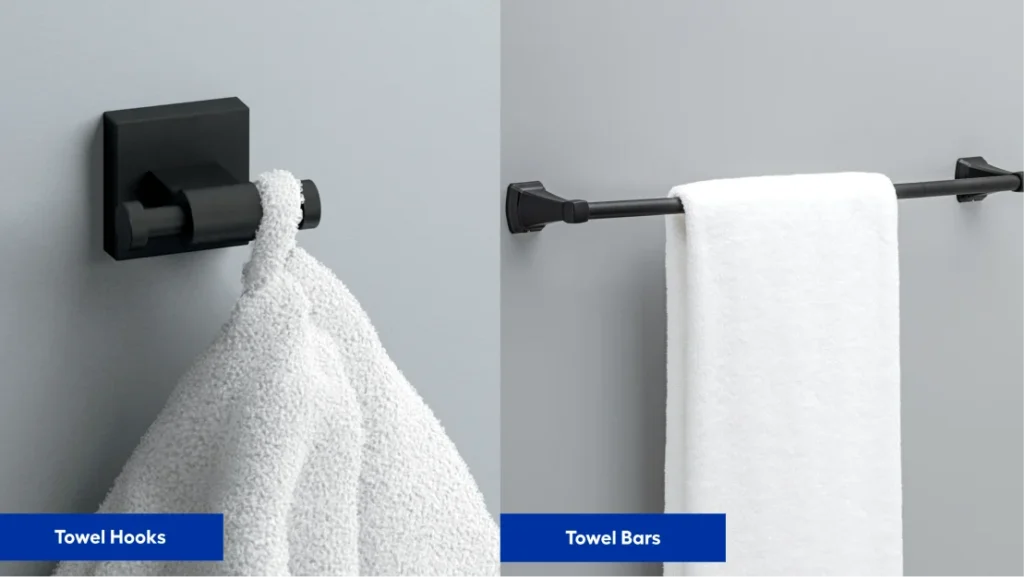
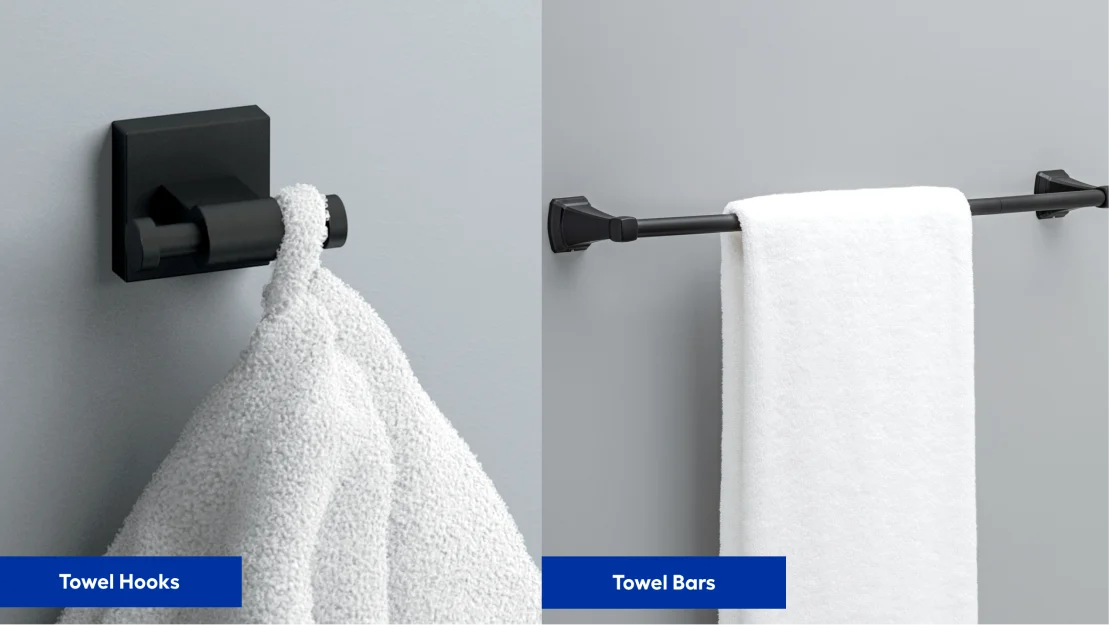
The first step in the towel bar vs hook debate is to recognize how each piece functions in everyday use. A towel bar is a horizontal rod, typically mounted at waist height, allowing towels to drape freely. This design encourages air circulation, which speeds up drying and reduces mildew. Hooks, on the other hand, are vertical or angled attachments that let you hang towels by the loop or cuff, often saving space but offering less surface area for airflow.
From a design perspective, bars tend to convey a more polished, deliberate look—especially when finished in chrome, brushed nickel, or matte black. Hooks can feel more casual or industrial, depending on material and finish. The choice between towel bar vs hook therefore hinges on both the practical demands of your bathroom and the visual language you wish to convey.
Key Factors to Compare: Towel Bar vs Hook
- Space Availability: Bars need length; hooks need only a few inches of wall.
- Drying Efficiency: Bars provide better airflow; hooks may cause damp spots.
- Design Impact: Bars add a linear element; hooks add visual punctuations.
- Installation Complexity: Bars often require studs or anchors; hooks are lighter and easier to mount.
- Cost Considerations: Simple hooks are usually cheaper, while custom‑finished bars can be a modest investment.
Designing Around Bathroom Layout: When to Choose a Bar
If you have a spacious vanity area or a dedicated wall near the shower, a towel bar can become a focal point. In master baths where multiple towels need to be hung simultaneously—think guest towels, hand towels, and bath sheets—a bar offers the linear real estate to accommodate them all without crowding. Moreover, a bar positioned at the right height (about 48‑52 inches from the floor) can serve both adults and children comfortably.
In the context of towel bar vs hook, bars also work beautifully in themed bathrooms. For instance, a brushed brass bar pairs nicely with a farmhouse aesthetic, while a sleek black bar enhances a minimalist, spa‑like retreat. Pairing the bar with matching accessories—like a soap dispenser or a towel rack—creates a unified look that feels intentional rather than pieced together.
Maximizing Small Spaces: When a Hook Wins

Compact bathrooms, such as those found in apartments or tiny houses, often lack the wall length needed for a full‑size towel bar. Here, the towel bar vs hook decision tilts toward hooks. A series of well‑placed hooks can accommodate multiple towels without sacrificing valuable square footage. By aligning hooks vertically or in a staggered pattern, you can even create a decorative element that draws the eye upward, making the space feel taller.
Hooks also excel in high‑traffic guest bathrooms where only a hand towel is needed. A single chrome hook placed next to the sink offers quick access without overwhelming the room. For renters, hooks are advantageous because they’re easier to remove without leaving large holes, preserving the integrity of the wall for future tenants.
Creative Hook Arrangements
- Cluster three small hooks in a triangular formation for a modern look.
- Use a long, decorative rod with multiple hooks attached to mimic a bar while saving space.
- Install a single oversized hook as a statement piece above the bathtub.
Material Matters: Durability and Style in the Towel Bar vs Hook Debate
Whether you opt for a bar or a hook, material selection is critical. Stainless steel and chrome offer resistance to moisture and a contemporary shine, making them popular for both options. For a warmer, more traditional feel, oil‑rubbed bronze or brushed brass can add depth and richness. If you’re looking for a budget‑friendly solution, powder‑coated steel provides decent durability without the premium price tag.
Consider the finish’s compatibility with other bathroom fixtures. Matching the towel bar or hook finish with faucets, showerheads, and lighting creates a cohesive visual flow. This attention to detail often separates a thoughtfully designed bathroom from a haphazard one, especially when navigating the towel bar vs hook landscape.
Installation Tips: Getting the Most Out of Your Choice
Proper installation ensures safety, longevity, and optimal performance. For a towel bar, locate studs or use heavy‑duty wall anchors to support the weight of wet towels. Measure the bar’s length and center it on the wall space to maintain balance. If you’re installing a bar near a bathtub, keep it at least six inches away to prevent water splashes from causing rust.
Hooks are generally more forgiving. A simple drill and a couple of screws into a stud, or the use of adhesive wall anchors, will suffice. However, when hanging heavier bath sheets, consider using reinforced hooks designed for higher loads. The key is to treat each fixture with the appropriate level of support, ensuring that the towel bar vs hook decision does not lead to premature wear or accidental detachment.
Blending Both Options: Hybrid Solutions for Versatile Bathrooms
Many designers recommend combining a towel bar with one or two hooks to achieve the best of both worlds. Place a bar at waist height for larger towels and add a hook near the sink for hand towels. This hybrid approach maximizes functionality while maintaining visual interest. It also allows you to address different user needs—adults, children, guests—without compromising on style.
In a modern bathroom, a sleek black bar paired with matte‑finished black hooks can create a unified look that feels intentional yet functional. If you’re leaning toward a rustic theme, a wooden bar with wrought‑iron hooks adds texture and warmth. The flexibility of mixing and matching demonstrates that the towel bar vs hook conversation is not about choosing one over the other, but about orchestrating a harmonious ensemble.
Quick Tips for Choosing the Right Fixture
- Measure wall space before deciding; bars need length, hooks need height.
- Match finishes with existing hardware to maintain design cohesion.
- Consider the type of towel (hand, bath, guest) you’ll hang most often.
- For small bathrooms, prioritize hooks or a short bar to conserve space.
- Use sturdy anchors for bars to support the weight of damp towels.
Common Mistakes to Avoid When Deciding Towel Bar vs Hook
One frequent error is installing a towel bar too low, which makes it inconvenient for taller users and can lead to towels sliding off. Conversely, placing hooks too high can force guests to reach awkwardly, discouraging proper use. Another pitfall is neglecting moisture‑resistant finishes; low‑quality chrome can tarnish quickly in humid environments, turning a stylish bar or hook into an eyesore.
Lastly, many overlook the importance of airflow. Hanging towels on a bar in a cramped corner without adequate ventilation can trap moisture, fostering mold growth. Choosing the right placement—whether it’s a bar near a window or a hook on a well‑ventilated wall—ensures that the towel bar vs hook decision supports both aesthetic and health considerations.
Frequently Asked Questions
Can I use a towel bar and a hook together?
Absolutely. Combining both offers flexibility: the bar accommodates larger towels, while the hook provides quick access for hand towels or guest towels. This hybrid approach is especially effective in shared or family bathrooms.
Which option dries towels faster?
A towel bar generally allows better air circulation around the entire length of the towel, leading to faster drying. Hooks may cause the towel to bunch up, reducing airflow, but the difference is minimal if the bathroom is well‑ventilated.
Are there any safety concerns with towel bars?
When properly installed into studs or using heavy‑duty anchors, towel bars are safe. Improper mounting can cause the bar to pull away from the wall, especially when holding wet, heavy towels. Always follow manufacturer instructions for weight limits.
What finish works best in a minimalist bathroom?
Matte black, brushed nickel, or polished chrome finishes complement minimalist designs. These finishes offer a clean, understated look that doesn’t distract from other design elements.
How do I clean and maintain my towel bar or hook?
Use a soft cloth with a mild cleaner to wipe away soap scum and water spots. Avoid abrasive scrubbers that can scratch the finish. For stainless steel or chrome, a vinegar‑water solution works well for removing mineral deposits.
Is there a price difference between bars and hooks?
Generally, hooks are less expensive, especially basic models. Towel bars can vary widely in price depending on material, length, and design. High‑end designer bars may cost more, but there are affordable options that still look stylish.
Choosing between a towel bar and a hook isn’t just a functional decision; it’s an opportunity to reinforce your bathroom’s design narrative. By evaluating space, style, and usage patterns, you can select the fixture that best serves both form and function. Whether you opt for a sleek bar, a minimalist hook, or a combination of both, the right choice will keep your towels dry, your bathroom organized, and your décor on point.
Ready to explore more design ideas? Check out our minimalist kitchen décor inspiration for a clean, contemporary aesthetic that can translate into bathroom styling. If you’re rethinking your bedroom sanctuary, our peaceful bedroom design ideas might spark fresh concepts for coordinated color palettes. For outdoor enthusiasts, the guide on flagstone patio mortar vs sand offers insights that can influence material choices even inside the home.
By thoughtfully weighing the pros and cons of towel bar vs hook, you’ll create a bathroom that feels intentional, functional, and stylish—an essential component of any well‑designed home.