
Table of Contents
- Window Casing vs Drywall Return: Core Definitions and Functions
- Window Casing vs Drywall Return: Key Differences
- Aesthetic Impact on Interior Design
- Installation Considerations and Cost
- When to Choose One Over the Other
- Blending Both Techniques for a Cohesive Look
- Quick Tips for Choosing Between Window Casing and Drywall Return
- Common Mistakes to Avoid When Installing Window Casing or Drywall Return
- Frequently Asked Questions
- Can I install a drywall return myself if I have no experience?
- Is a window casing always more expensive than a drywall return?
- Do both options affect energy efficiency?
- Can I paint a window casing the same color as the wall?
- What’s the best way to maintain a wood window casing?
- Should I use a different finish for windows in bathrooms?
When it comes to finishing a window opening, two popular approaches dominate the conversation among homeowners, contractors, and interior designers: window casing and drywall return. Both methods serve the functional purpose of covering gaps and providing a clean edge, yet they create markedly different visual effects and influence how a room feels. Understanding the strengths and drawbacks of each option can save you time, money, and countless design headaches.
In this article we’ll break down the essential details of window casing vs drywall return, explore how each choice interacts with modern interior design trends, and give you practical guidance for selecting the right finish for any space—from a sleek urban loft to a cozy suburban bedroom. By the end, you’ll have a clear roadmap for making an informed decision that aligns with your aesthetic goals, budget, and DIY comfort level.
Window Casing vs Drywall Return: Core Definitions and Functions
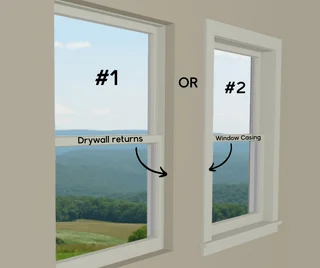
Both window casing and drywall return act as border treatments that hide the rough edges of a window rough opening. However, they differ in material, installation method, and the visual language they convey. A traditional window casing is a strip of wood, MDF, or composite material that wraps around the window frame, creating a defined, often decorative border. In contrast, a drywall return extends the drywall surface a few inches beyond the window opening and then tapers back to the wall, forming a seamless, minimalist edge.
Choosing between these two finishes isn’t merely a matter of personal taste; it involves evaluating structural considerations, cost implications, and the overall design narrative you want to establish. Below, we’ll dissect each option in detail so you can weigh the pros and cons with confidence.
Window Casing vs Drywall Return: Key Differences
The most obvious distinction lies in the visual profile. Window casing adds depth and shadow, creating a pronounced frame that can be painted, stained, or even carved for a custom look. Drywall return, on the other hand, offers a flush, understated edge that blends into the surrounding wall, emphasizing clean lines and a contemporary aesthetic.
From a construction standpoint, installing a window casing typically requires additional framing, precise miter cuts, and careful alignment with the window jamb. Drywall return relies on extending the existing drywall sheet and finishing it with joint compound, which can be faster for seasoned installers but may demand meticulous taping to avoid visible seams.
Aesthetic Impact on Interior Design

In modern home décor, the choice between window casing and drywall return can dramatically affect the perception of space. A well‑crafted casing can anchor a window, making it a focal point, especially in rooms where architectural details are celebrated—think classic living rooms, historic renovations, or spaces that embrace a warm, traditional vibe.
Conversely, a drywall return aligns with the minimalist ethos of contemporary interiors. By allowing the wall surface to flow uninterrupted, it reinforces the idea of “less is more,” which is especially effective in open‑plan layouts, small apartments, or any area where visual clutter must be minimized. Pairing a drywall return with monochrome paint palettes and sleek hardware can elevate the overall modern feel of the space.
For readers looking for inspiration on how to integrate clean lines into a broader design scheme, see our guide on modern natural home décor ideas. The article showcases how subtle trims, like drywall returns, complement natural textures for a harmonious look.
Installation Considerations and Cost

Budget is often the decisive factor in any renovation. Installing a window casing typically involves higher material costs—especially if you opt for hardwood or custom profiles—plus labor expenses for precise cutting, sanding, and finishing. On average, a full casing package can range from $8 to $15 per linear foot, depending on material quality and design complexity.
Drywall return, by contrast, is generally more economical. Since it utilizes the same drywall sheets already being installed on the wall, the additional material cost is minimal—primarily joint compound, tape, and possibly a small amount of trim to hide the edge. Labor time can also be reduced, especially for contractors familiar with drywall finishing techniques. However, achieving a perfectly smooth transition may require a skilled finisher, which can add to the labor bill.
If you’re navigating a tight budget but still want a polished look, consider the drywall return as a cost‑effective alternative. For a detailed cost breakdown, see our article on MSI vs Cambria Quartz, which demonstrates how material choices affect overall project expenses.
When to Choose One Over the Other
Deciding between window casing and drywall return depends on several variables: architectural style, room function, personal skill level, and long‑term maintenance preferences. Here are some scenarios to help you decide:
- Traditional or historic homes: Window casing adds authenticity and can be matched to period‑specific trim profiles.
- High‑traffic areas: Drywall return presents fewer edges that can collect dust, making cleaning easier.
- DIY enthusiasts: Drywall return may be more approachable for those comfortable with taping and mudding, while casing requires precise carpentry.
- Design focal point: If you want the window to stand out, a decorative casing provides visual weight and depth.
- Small spaces: Drywall return helps maintain a streamlined look, preventing the window from feeling boxed in.
By matching the finish to the room’s purpose and the overall design language, you ensure that the window becomes a harmonious element rather than a visual mismatch.
Blending Both Techniques for a Cohesive Look
It’s not an either/or scenario for every project. Skilled designers often combine window casing and drywall return within the same home to highlight different spaces. For example, you might install a sleek drywall return in a minimalist kitchen while opting for a bold, carved casing in the formal dining room. The key is maintaining consistency in paint color, material quality, and transition detailing.
One effective strategy is to use a narrow “return” at the top and sides of a window and then add a shallow casing at the bottom. This hybrid approach offers the clean line of drywall while still providing a subtle frame that can be painted in a contrasting hue for added interest. The result is a nuanced finish that respects both modern simplicity and classic elegance.
Quick Tips for Choosing Between Window Casing and Drywall Return
- Assess the architectural style of your home before deciding; period‑appropriate trim can enhance authenticity.
- Consider the room’s lighting; darker casings create depth, while drywall returns reflect light for a brighter feel.
- Measure your window dimensions accurately; a mis‑cut casing can lead to costly rework.
- Plan for future painting or staining; wood casings need proper sealing to avoid moisture damage.
- Think about maintenance—drywall returns are easier to clean, but casings can be touched up more readily.
Common Mistakes to Avoid When Installing Window Casing or Drywall Return
Even experienced remodelers can slip up when handling these finishes. Below are frequent pitfalls and how to sidestep them:
- Ignoring expansion gaps: Both materials expand and contract with humidity. Use backer rods or flexible caulk to prevent cracking.
- Uneven miter cuts on casings: Invest in a quality miter saw and practice on scrap wood before cutting the final pieces.
- Over‑taping drywall returns: Too much joint compound can cause cracking later. Apply thin layers and sand between coats.
- Neglecting paint coordination: Paint the casing a shade that complements the wall color; a mismatch can look sloppy.
- Skipping moisture barriers: In bathrooms or kitchens, ensure a proper vapor barrier behind drywall returns to avoid mold.
Frequently Asked Questions
Can I install a drywall return myself if I have no experience?
Yes, many DIYers successfully install drywall returns with basic tools: a utility knife, taping knife, and a sanding block. The learning curve lies mainly in applying joint compound evenly and achieving a smooth finish. Watching tutorial videos and practicing on a spare piece of drywall can boost confidence before tackling the actual window.
Is a window casing always more expensive than a drywall return?
Generally, casings cost more due to material and labor. However, the price gap narrows if you choose budget‑friendly MDF casings and do the installation yourself. In contrast, a drywall return may still require a skilled finisher to hide seams, which can add to labor costs in a professional setting.
Do both options affect energy efficiency?
Neither window casing nor drywall return directly impacts a window’s R‑value, but proper installation of either can eliminate gaps that cause drafts. Adding insulation around the window frame before finishing, regardless of the chosen method, is the most effective way to improve energy performance.
Can I paint a window casing the same color as the wall?
Absolutely. Painting the casing the same hue as the wall creates a seamless look that emphasizes the window glass itself—a popular choice for modern interiors. Just ensure the paint type is suitable for the material (latex for wood or MDF, oil‑based for certain composites).
What’s the best way to maintain a wood window casing?
Regular dusting and occasional cleaning with a mild soap solution keep casings looking fresh. For wood, apply a protective finish—such as polyurethane or a clear wax—every few years to guard against moisture and wear, especially in high‑traffic areas.
Should I use a different finish for windows in bathrooms?
In wet environments, a moisture‑resistant drywall return is often preferred because it reduces the number of seams where water can infiltrate. If you opt for a casing, choose water‑proof materials like PVC or sealed hardwood, and ensure all joints are properly caulked.
Choosing the right finish for your windows can transform the entire atmosphere of a room. Whether you lean toward the classic charm of a window casing or the sleek simplicity of a drywall return, the decision should reflect your personal style, budget constraints, and the functional demands of the space.
Take the insights from this guide, experiment where you feel comfortable, and don’t hesitate to combine both approaches for a truly customized look. For further inspiration, explore our home styling ideas for beginners and see how thoughtful trim choices can elevate any room.