

Table of Contents
- Steel vs Acrylic Baths: Durability and Lifespan
- Steel vs Acrylic Baths: How to Spot Quality Construction
- Steel vs Acrylic Baths: Design Flexibility and Aesthetics
- Steel vs Acrylic Baths: Matching Your Interior Design Vision
- Steel vs Acrylic Baths: Maintenance and Cleaning
- Steel vs Acrylic Baths: Quick Cleaning Checklist
- Steel vs Acrylic Baths: Cost Considerations
- Steel vs Acrylic Baths: Budget‑Friendly Tips
- Steel vs Acrylic Baths: Environmental Impact
- Steel vs Acrylic Baths: Eco‑Friendly Choices
- Quick Tips for Selecting the Perfect Bathtub
- Common Mistakes When Choosing Between Steel and Acrylic
- Frequently Asked Questions
- Which bathtub material lasts longer: steel or acrylic?
- Are steel tubs colder to the touch than acrylic?
- Can I install a steel or acrylic tub over existing plumbing?
- Do acrylic tubs require special cleaners?
- Is a steel bathtub better for a modern industrial look?
- How does the cost of installation compare between steel and acrylic?
Steel vs Acrylic Baths: Which Is Right for Your Bathroom?
Choosing the right bathtub can feel like navigating a maze of materials, styles, and price points. Among the most common options, steel and acrylic dominate the market, each offering a distinct blend of performance and aesthetics. Homeowners often ask, “steel vs acrylic baths – which will hold up better in a busy family home?” This article unpacks that question, guiding you through durability, design possibilities, maintenance, cost, and environmental considerations so you can make a confident decision that aligns with your interior design vision.
Whether you’re renovating a master suite, updating a compact guest bathroom, or planning a sleek ensuite for a new build, understanding how steel and acrylic compare will help you balance practicality with style. Below, we explore five core categories that define the steel vs acrylic baths debate, peppered with real‑world examples, quick tips, and answers to the most common questions.
Steel vs Acrylic Baths: Durability and Lifespan
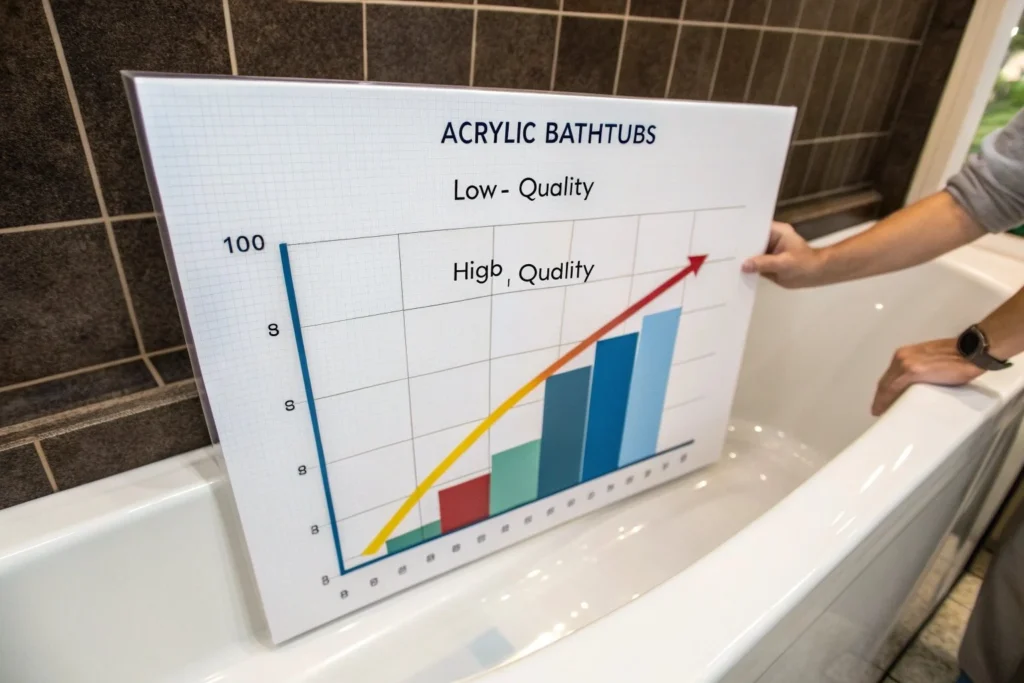
When durability tops the list, steel often earns a reputation for being the workhorse of bathtub materials. Enamel‑coated steel tubs are engineered to resist dents, chips, and everyday wear. The coating acts as a barrier against corrosion, extending the tub’s useful life to 15‑20 years or more with proper care.
Acrylic tubs, on the other hand, are crafted from a solid sheet of acrylic reinforced with fiberglass. While they are not as hard as steel, high‑quality acrylic resists cracking and is less prone to scratches. The typical lifespan for an acrylic bath falls in the 10‑15 year range, though premium models can last longer if they receive gentle cleaning.
Steel vs Acrylic Baths: How to Spot Quality Construction
- Gauge of steel: Thicker steel (lower gauge numbers) provides greater strength and reduces the likelihood of warping.
- Enamel thickness: A uniform enamel coating of at least 2‑3 mils guards against rust and helps maintain a glossy finish.
- Acrylic composition: Look for tubs with a high percentage of acrylic resin and reinforced fiberglass layers for added resilience.
In high‑traffic homes, steel’s hard surface can stand up to frequent use without showing signs of fatigue, while acrylic offers a softer touch that many users find more comfortable for long soaks.
Steel vs Acrylic Baths: Design Flexibility and Aesthetics

Design flexibility often determines which material blends seamlessly with a modern décor scheme. Acrylic excels in shaping possibilities; it can be molded into sleek, curvaceous forms that mimic freestanding tubs, whirlpools, or minimalist rectangular silhouettes. Its glossy finish reflects light, creating an illusion of space—an advantage in smaller bathrooms.
Steel tubs, while more limited in curvature, still provide a clean, contemporary look, especially when paired with a matte or satin enamel finish. The sleek metal aesthetic pairs well with industrial‑style interiors or a modern farmhouse vibe when combined with wood accents.
For those who love a pop of color, acrylic can be tinted during manufacturing, offering a palette from soft pastels to bold hues. Steel, however, generally stays within classic whites, creams, or matte blacks, which can serve as a neutral backdrop for varied tile and fixture choices.
Steel vs Acrylic Baths: Matching Your Interior Design Vision
Consider the overall theme of your bathroom. If you’re leaning toward calming bathroom lighting inspiration with soft, diffused lights and pastel walls, an acrylic tub in a gentle hue can enhance the serene ambiance. Conversely, a bold, high‑contrast design featuring dark fixtures and geometric tiles might benefit from the understated strength of a steel tub.
Steel vs Acrylic Baths: Maintenance and Cleaning
Maintenance can make or break your bathtub experience. Steel tubs require routine cleaning with non‑abrasive cleaners to avoid damaging the enamel surface. Harsh chemicals can cause the coating to degrade over time, leading to potential rust spots. A simple mix of warm water and mild dish soap, followed by a soft cloth, keeps a steel bathtub sparkling.
Acrylic tubs are praised for their low‑maintenance nature. Their non‑porous surface resists stains, and most soaps and shampoos slide right off. However, acrylic is sensitive to abrasive sponges and acidic cleaners, which can dull the finish. For stubborn soap scum, a solution of vinegar and water applied gently with a soft microfiber cloth works well.
Both materials benefit from regular resealing of caulking around the edges to prevent water intrusion—a small task that extends the tub’s life dramatically.
Steel vs Acrylic Baths: Quick Cleaning Checklist
- Use pH‑neutral cleaners for both surfaces.
- Avoid steel wool or abrasive pads on steel enamel.
- Skip harsh acids on acrylic; opt for gentle vinegar solutions.
- Rinse thoroughly after cleaning to prevent residue buildup.
- Inspect and replace caulk annually to maintain water tightness.
Steel vs Acrylic Baths: Cost Considerations
Budget is often the decisive factor in any remodel. Steel tubs typically sit in the mid‑range price bracket, offering durability at a relatively affordable cost. A standard enamel‑coated steel bathtub can range from $500 to $1,200, depending on size and brand.
Acrylic tubs vary widely. Entry‑level acrylic models may start at $400, but high‑end designer options—especially those with integrated whirlpool jets or custom shapes—can exceed $2,500. While the initial outlay for acrylic may be lower for basic models, the long‑term value hinges on how the tub’s lifespan aligns with your usage patterns.
For homeowners weighing the overall value, it’s useful to factor in installation costs, which are comparable for both materials, and the potential need for future refinishing (more common with steel).
Steel vs Acrylic Baths: Budget‑Friendly Tips
- Shop during holiday sales for 10‑20% discounts on both steel and acrylic tubs.
- Consider a standard size (60”×30”) to keep plumbing and framing costs down.
- Check local manufacturers for “made‑to‑order” steel options that may reduce shipping expenses.
Steel vs Acrylic Baths: Environmental Impact
Eco‑conscious homeowners often ask about the sustainability of bathtub materials. Steel production involves mining and energy‑intensive processes, but steel is highly recyclable. At the end of its life, a steel tub can be reclaimed and melted down, reducing landfill waste.
Acrylic is a petroleum‑based polymer, which raises concerns about fossil fuel consumption and chemical emissions during manufacturing. However, acrylic tubs are lightweight, resulting in lower transportation emissions compared to heavier steel. Some manufacturers now incorporate recycled acrylic content, improving the material’s environmental profile.
When assessing the steel vs acrylic baths decision through a green lens, consider the full lifecycle—from extraction to disposal—and prioritize manufacturers who disclose their sustainability practices.
Steel vs Acrylic Baths: Eco‑Friendly Choices
- Choose steel tubs from suppliers that use recycled steel.
- Look for acrylic tubs with a high percentage of post‑consumer recycled content.
- Opt for local manufacturers to minimize transport carbon footprint.
Quick Tips for Selecting the Perfect Bathtub
- Measure your bathroom’s footprint accurately; a snug fit prevents costly re‑framing.
- Match the tub’s style with your faucet and hardware finish for a cohesive look.
- Test the ergonomics—sit on display models to gauge comfort before buying.
- Read reviews focusing on long‑term durability, not just initial appearance.
- Don’t forget to plan for adequate ventilation; both steel and acrylic benefit from proper airflow to prevent moisture buildup.
Common Mistakes When Choosing Between Steel and Acrylic
Even seasoned renovators can slip into pitfalls. One frequent error is assuming a lower price always means lower quality. A cheap steel tub with thin enamel may chip quickly, while a budget acrylic with a thin acrylic layer can crack under weight. Always verify material thickness and warranty terms.
Another mistake is overlooking the bathroom’s overall lighting scheme. An acrylic tub’s glossy surface can reflect light beautifully, but in a dimly lit space it may appear flat. Conversely, a steel tub’s matte finish can look dull if not paired with strategic lighting. Pair your bathtub choice with a lighting plan—perhaps explore calming bathroom lighting inspiration for ideas.
Frequently Asked Questions
Which bathtub material lasts longer: steel or acrylic?
Both can last 10‑20 years with proper care. Steel, especially enamel‑coated, often outlives acrylic due to its harder surface, but high‑quality acrylic with reinforced fiberglass can also be very durable.
Are steel tubs colder to the touch than acrylic?
Yes, steel conducts heat more quickly, so it can feel cooler initially. However, many users add a bathtub heater or a pre‑heat routine to mitigate this. Acrylic retains heat longer, offering a warmer soak right after filling.
Can I install a steel or acrylic tub over existing plumbing?
Both materials can be installed over existing plumbing with a proper support frame. It’s essential to ensure the subfloor is level and can bear the tub’s weight—steel is heavier, so reinforced joists may be needed.
Do acrylic tubs require special cleaners?
No harsh chemicals are needed. Mild dish soap and a soft cloth keep acrylic spotless. Avoid abrasive pads and acidic cleaners that can dull the finish.
Is a steel bathtub better for a modern industrial look?
Steel’s sleek, matte enamel can complement industrial design elements like exposed brick, metal fixtures, and concrete flooring, making it a strong candidate for that aesthetic.
How does the cost of installation compare between steel and acrylic?
Installation costs are generally similar, as both require a sturdy base and plumbing connections. The main cost difference lies in the tub price itself and any needed reinforcement for heavier steel units.
Choosing between steel and acrylic baths ultimately hinges on your lifestyle, design preferences, and budget. Steel offers unmatched durability and a timeless industrial vibe, while acrylic provides design freedom, lighter weight, and a softer surface that stays warm longer. By weighing the factors discussed—longevity, aesthetics, maintenance, cost, and environmental impact—you can select a bathtub that not only meets functional needs but also elevates the overall ambience of your bathroom.
Ready to transform your space? Explore our guide on Bath Planet pricing for additional budgeting tips, and don’t miss the cozy kitchen decoration inspiration for complementary design ideas that tie your bathroom’s new look to the rest of your home.