
Table of Contents
- Understanding the Standard Dimensions: how big is a roll of carpet
- Measuring Your Space: how big is a roll of carpet and what matters
- Choosing the Right Carpet Width for Your Room
- Calculating Yardage and Waste: From Roll Size to Real‑World Needs
- Types of Carpet Rolls and Their Typical Sizes
- Storing and Handling Carpet Rolls Safely
- Cost Implications of Carpet Roll Size
- Quick Tips for Carpet Planning
- Common Mistakes When Ordering Carpet
- Frequently Asked Questions
How Big Is a Roll of Carpet? The Ultimate Size Guide for Every Home
When you step into a room with fresh flooring, the first thing you notice is how the surface ties the whole space together. Carpet, with its warmth and texture, remains a top choice for many homeowners seeking comfort and style. Yet, before you place an order, one practical question looms large: how big is a roll of carpet and what does that mean for your project?
This guide demystifies carpet roll dimensions, explains how to translate those numbers into real‑world yardage, and offers actionable tips for selecting the perfect size for any room—from a compact bedroom to an expansive living area. By the end, you’ll feel confident measuring, budgeting, and ordering the right amount of carpet without waste.
Whether you’re a DIY enthusiast, a professional installer, or simply curious about flooring options, understanding the size of a carpet roll is the first step toward a seamless, stylish upgrade.
Understanding the Standard Dimensions: how big is a roll of carpet
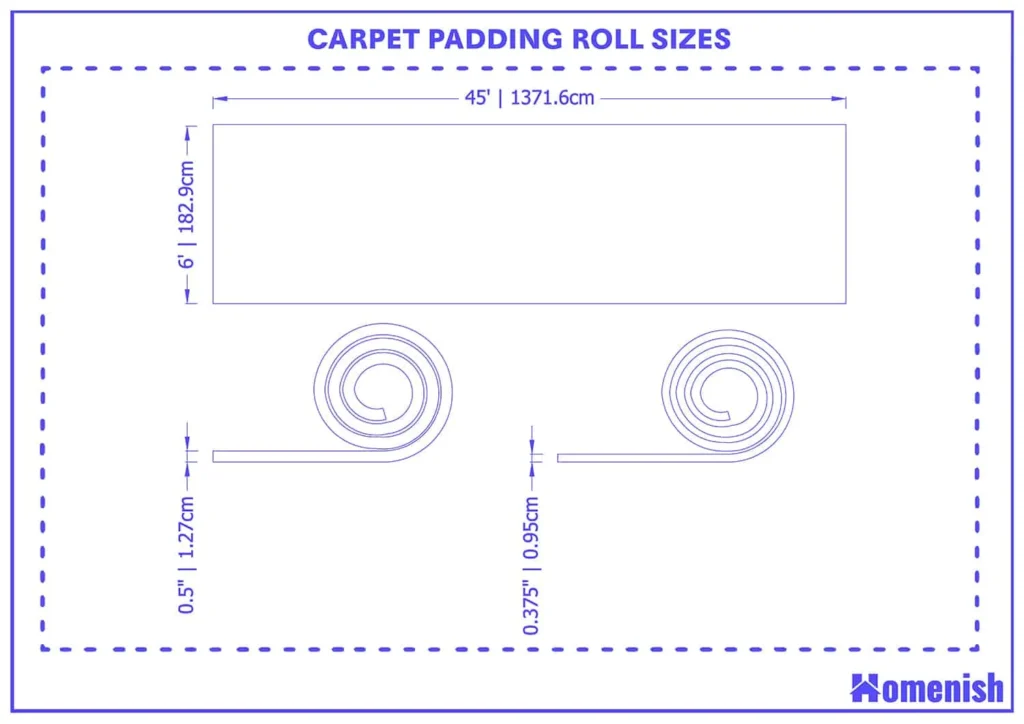
Carpet manufacturers typically produce rolls in two standard widths: 12 feet (approximately 3.66 meters) and 15 feet (about 4.57 meters). The length of the roll varies more dramatically, ranging from 50 feet up to 100 feet (15.24 m to 30.48 m) depending on the type of carpet and the supplier. When you ask how big is a roll of carpet, the answer hinges on both width and length, because these two measurements determine the total square footage you receive.
For example, a 12‑foot‑wide roll that is 80 feet long yields 960 square feet of material (12 ft × 80 ft). A 15‑foot‑wide roll of the same length provides 1,200 square feet. These figures are essential for calculating how many rolls you’ll need for a given room or project. Keep in mind that specialty carpets—such as low‑pile, plush, or eco‑friendly fibers—may come in slightly different roll lengths, but the width conventions remain consistent across most brands.
Measuring Your Space: how big is a roll of carpet and what matters
To answer how big is a roll of carpet for your specific room, start by measuring the floor’s length and width accurately. Use a laser distance measurer or a sturdy tape, and record dimensions in feet or meters. Next, decide whether you want the carpet to run parallel or perpendicular to the room’s longest wall; this orientation can affect waste and pattern matching.
Once you have the room’s square footage, compare it to the total square footage of a typical roll. Subtract any areas you won’t carpet, such as built‑in closets or stairways, and add a 5‑10 % waste factor for cuts, pattern repeats, and errors. If the resulting number exceeds the square footage of a single roll, you’ll need to purchase additional rolls or consider a wider roll to minimize seams.
Understanding how big is a roll of carpet in practical terms helps you avoid costly over‑ordering while ensuring you have enough material to complete the job with a professional finish.
Choosing the Right Carpet Width for Your Room
While the length of a carpet roll is flexible, the width is fixed, making it a crucial decision point. A 12‑foot width works well for most bedrooms, small living rooms, and hallways because it allows the installer to center the carpet and reduce visible seams. Larger spaces, such as open‑plan living areas or grand foyers, often benefit from a 15‑foot width, which can span the room without a central seam.
When you ask how big is a roll of carpet in the context of width, think about the visual impact of seams. Wider rolls mean fewer seams, leading to a cleaner look—especially important for patterned or textured carpets where mismatched joints can be distracting.
Consider the following when selecting width:
- Room dimensions: If the room’s width is close to or exceeds 12 feet, a 15‑foot roll may reduce the need for a seam.
- Pattern repeat: Complex patterns often require extra waste; a wider roll can accommodate longer repeats without additional seams.
- Installation method: Professional installers may prefer narrower rolls for easier handling in tight spaces.
Calculating Yardage and Waste: From Roll Size to Real‑World Needs

Turning the abstract question of how big is a roll of carpet into concrete numbers involves a simple formula: Room Area ÷ Roll Width = Required Length. Multiply the resulting length by the roll width to confirm total square footage.
Let’s walk through an example. Imagine a living room measuring 18 ft × 20 ft (360 sq ft). Using a 12‑foot roll:
- Divide the room’s width (20 ft) by the roll width (12 ft) = 1.67 rolls.
- Round up to the next whole number (2 rolls) to ensure full coverage.
- Multiply the number of rolls (2) by the roll length needed: 18 ft × 2 = 36 ft.
Adding a 10 % waste factor brings the total length to about 40 ft. If you chose a 15‑foot roll, the calculation would be similar but might require only one roll, saving on seams and potentially reducing installation time.
Remember, the waste factor varies by carpet type. Plush, patterned, or custom‑cut carpets often need a higher buffer (up to 15 %). By carefully answering how big is a roll of carpet for your specific layout, you can keep budgets in check.
Types of Carpet Rolls and Their Typical Sizes
Carpet rolls are not a one‑size‑fits‑all product. Different constructions—such as loop, cut‑pile, and tufted—come in distinct roll lengths. Here’s a quick overview of common roll sizes you’ll encounter when exploring how big is a roll of carpet:
- Loop (Berber) carpet: Often sold in 12‑ft × 100‑ft rolls, offering a massive 1,200 sq ft per roll.
- Cut‑pile (shag or plush) carpet: Typically found in 12‑ft × 80‑ft or 15‑ft × 70‑ft rolls, providing 960 sq ft to 1,050 sq ft.
- Commercial-grade carpet: May come in 15‑ft × 100‑ft rolls for high‑traffic areas, delivering up to 1,500 sq ft.
- Eco‑friendly or recycled fibers: Often limited to 12‑ft × 60‑ft rolls, which equates to 720 sq ft.
Choosing the right type not only answers the size question but also aligns with durability, maintenance, and aesthetic goals. For instance, if you’re renovating a family room, a sturdy loop carpet with a longer roll length may be ideal. In contrast, a plush carpet for a master bedroom might come in shorter rolls, emphasizing comfort over sheer coverage.
Storing and Handling Carpet Rolls Safely
Even after you’ve solved how big is a roll of carpet, proper storage and handling are essential to maintain its quality. Carpet rolls should be kept in a dry, temperature‑controlled environment, lying flat on a clean surface. Avoid stacking heavy objects on top of the roll, as pressure can create permanent creases.
If you need to store a roll for an extended period, roll it gently in the opposite direction of its original winding to prevent “wind‑roll” distortion. Use breathable fabric or a specialized carpet cover rather than plastic, which can trap moisture and lead to mold.
When transporting the roll, enlist at least two people and use a carpet cart or dolly. Secure the roll with straps to prevent it from unrolling or shifting during movement. By respecting the dimensions you learned about—particularly the length—you’ll ensure the carpet arrives at the installation site in pristine condition.
Cost Implications of Carpet Roll Size
The price per square foot of carpet generally decreases as the roll size increases, thanks to economies of scale. However, larger rolls can also mean higher upfront costs and the need for more storage space. When evaluating how big is a roll of carpet from a budgeting perspective, consider the following factors:
- Material cost: Premium fibers (e.g., wool) cost more per square foot, regardless of roll length.
- Installation fees: Wider rolls may reduce labor time, potentially lowering installation expenses.
- Waste: Properly estimating waste based on roll dimensions can prevent over‑ordering, saving money.
- Delivery charges: Some suppliers charge per roll; larger rolls might increase delivery fees.
By calculating the exact square footage needed—answering how big is a roll of carpet for your room—you can compare quotes more accurately and make an informed decision that balances quality, aesthetics, and cost.
Quick Tips for Carpet Planning
- Measure twice, order once: Double‑check room dimensions before calculating roll size.
- Choose a roll width that minimizes seams in high‑traffic areas.
- Add a 5‑10 % waste factor for pattern repeats and cutting errors.
- Consider storage space; larger rolls need a dry, flat area.
- Request a sample swatch to confirm color and texture before committing to a full roll.
Common Mistakes When Ordering Carpet
Even seasoned homeowners can fall into traps when answering how big is a roll of carpet without proper planning. Here are a few pitfalls and how to avoid them:
- Ignoring pattern repeat: Failing to account for the repeat length can lead to mismatched seams. Always add extra length equal to the repeat distance.
- Underestimating waste: A common error is using a 5 % waste factor for complex patterns; 10‑15 % is safer.
- Choosing the wrong width: Selecting a 12‑ft roll for a 14‑ft‑wide room creates an unavoidable seam down the middle.
- Not checking delivery constraints: Some carriers have limits on roll length; confirm with the supplier.
Frequently Asked Questions
What is the most common width for residential carpet rolls?
The most common width is 12 feet, though 15‑foot rolls are also widely available for larger spaces.
How do I calculate the amount of carpet needed for a stairway?
Measure the rise and tread of each step, multiply by the number of steps, and add 10 % for waste. Then compare the total square footage to the roll size you’re considering.
Can I use carpet rolls meant for commercial use in a home?
Yes, commercial rolls are often more durable and come in larger sizes, but they may be heavier and more expensive. Ensure the style matches your home décor.
Do carpet rolls come in custom lengths?
Some manufacturers can cut rolls to custom lengths, but this may increase cost. Standard lengths (50‑100 ft) are usually more economical.
How should I store leftover carpet?
Keep the remaining carpet flat in a climate‑controlled area, covered with a breathable fabric. Avoid stacking heavy items on top of it.
Is it better to buy extra carpet for future renovations?
Purchasing a few extra yards can be wise if you anticipate future changes, but be aware that carpet can fade over time. Match batch numbers to ensure consistency.
For more inspiration on how flooring choices tie into overall design, check out our guide on Steel vs Acrylic Baths: Which Is Right for Your Bathroom? and explore creative solutions for cohesive interiors.
If you’re redesigning a kitchen and wonder how carpet can complement other textures, our Cozy Kitchen Decoration Inspiration article offers practical ideas that blend flooring with cabinetry and lighting.
Looking to enhance wall aesthetics while coordinating with your new carpet? See our Creative Wall Art Arrangement Ideas for tips on balancing colors, patterns, and textures.
Choosing the right carpet size is a blend of math, design sense, and practical considerations. By understanding exactly how big is a roll of carpet, you can plan confidently, avoid waste, and achieve a polished look that elevates any room.
Ready to start your flooring journey? Measure your spaces, calculate the required yardage, and let the dimensions guide your selection. With the right roll size, you’ll enjoy a seamless installation, lasting comfort, and a stylish foundation for your home décor.