
Table of Contents
- single hole vs widespread faucet: Defining the Two Options
- single hole vs widespread faucet – visual footprint
- Design considerations for modern kitchens
- Installation and plumbing implications
- single hole vs widespread faucet – plumbing layout
- Aesthetic impact on interior design
- Maintenance, durability, and long‑term performance
- single hole vs widespread faucet – upkeep considerations
- Budget and value comparison
- Eco‑friendly choices and water‑saving technology
- Future trends: smart faucets and integrated technology
- Quick Home Décor Tips for Faucet Integration
- Common Mistakes and How to Avoid Them
- Frequently Asked Questions
Single Hole vs Widespread Faucet: Choosing the Right Kitchen Fixture
When it comes to upgrading a kitchen, the faucet often becomes the silent star of the space. It delivers water, sets the tone for the sink area, and can either harmonize with or clash against the surrounding décor. The debate between a single hole and a widespread faucet is more than a matter of aesthetics; it touches on functionality, installation complexity, and long‑term value. Homeowners, renters, and design enthusiasts alike need a clear roadmap to decide which style fits their lifestyle and design vision.
In this comprehensive guide we’ll unpack the core differences between a single hole and a widespread faucet, examine how each choice interacts with modern kitchen layouts, and provide actionable tips for installation, maintenance, and budgeting. By the end of the article you’ll feel confident selecting the faucet that best supports your daily routine while elevating the overall look of your kitchen.
single hole vs widespread faucet: Defining the Two Options
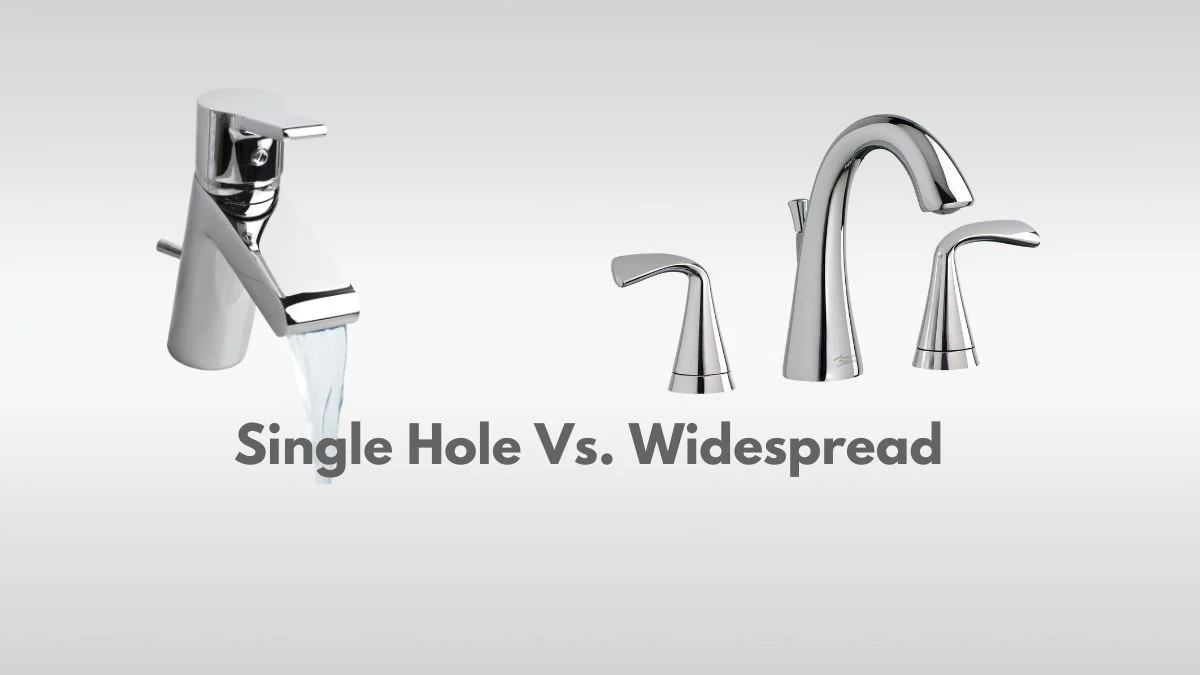
The first step in any design decision is understanding the terminology. A single hole faucet (often called a one‑hole or single‑hole faucet) consolidates the spout, handle(s), and sprayer into one unit that mounts through a single drilled opening in the countertop. In contrast, a widespread faucet spreads its components across three separate holes: one for the spout and two for the hot and cold handles. Some widespread models add a fourth hole for a side sprayer.
single hole vs widespread faucet – visual footprint
- Single hole: Compact, streamlined look; ideal for minimalist or modern kitchens where clean lines dominate.
- Widespread: Larger visual presence; often chosen for traditional or transitional designs that celebrate classic hardware.
Both styles can be found in chrome, brushed nickel, matte black, and even the luxurious Amerock Golden Champagne vs Champagne Bronze finishes. Your choice will affect not only the look but also the plumbing layout, countertop space, and even the feel of the sink area during everyday use.
Design considerations for modern kitchens

Modern kitchen design prioritizes open space, functional flow, and a cohesive visual language. The faucet you select should complement those principles rather than compete with them. When evaluating a single hole versus a widespread faucet, consider the following design variables:
- Countertop real estate: A single hole faucet frees up countertop space because it occupies only one hole. This is especially valuable in small kitchens or island installations where every inch counts.
- Sink configuration: Deep farmhouse sinks often pair well with widespread faucets because the distance between spout and handles can accommodate a larger basin. Conversely, shallow drop‑in sinks tend to look cleaner with a single hole design.
- Style harmony: If your kitchen features sleek, flat‑panel cabinets and a monochrome palette, a single hole faucet reinforces the minimalist vibe. For kitchens with ornate cabinetry, exposed brick, or vintage lighting, a widespread faucet can serve as a decorative anchor.
For an extra layer of visual intrigue, consider pairing your faucet with complementary hardware such as clay pottery décor on open shelving. The tactile contrast between metal and earth tones can elevate a simple kitchen into a curated design statement.
Installation and plumbing implications

Beyond aesthetics, the practical side of installing a faucet often dictates the final decision. A single hole faucet typically requires only one water supply line per side (hot and cold), which simplifies the connection process. However, the internal cartridge that mixes water may be more complex, requiring occasional professional service.
single hole vs widespread faucet – plumbing layout
Widespread faucets demand three (or four) separate holes, meaning you’ll need three distinct water supply lines for hot, cold, and often a side sprayer. This can increase installation time and cost, especially in retrofit situations where existing plumbing is centered around a single hole. On the other hand, the widespread design offers more flexibility in handle placement, allowing you to position the spout exactly where you need it for optimal ergonomics.
If you’re planning a full kitchen remodel, it may be worth routing new supply lines to accommodate a widespread faucet for the sake of design freedom. In contrast, a quick upgrade in a rented space often favors a single hole faucet because it typically requires fewer modifications and can be removed with minimal damage.
Aesthetic impact on interior design
The faucet is a functional focal point, and its style can either anchor the room or blend into the background. A single hole faucet often appears as a subtle, integrated element—perfect for spaces where the countertop material (such as quartz or marble) is meant to shine. In contrast, a widespread faucet makes a statement; its handles become visual extensions of the sink, framing the water flow and adding a sculptural quality.
When deciding which look aligns with your interior design goals, ask yourself:
- Do I want the faucet to disappear into the design (single hole) or act as a decorative accent (widespread)?
- Is my kitchen’s style more contemporary or traditional?
- Will the faucet’s finish complement other hardware like cabinet pulls, lighting fixtures, or even the surface material of my countertop?
Choosing a finish that matches existing elements—whether it’s polished chrome, brushed brass, or a muted oil‑rubbed bronze—creates a cohesive narrative throughout the room. The right faucet can pull together disparate design pieces into a harmonious whole.
Maintenance, durability, and long‑term performance
All faucets will eventually need cleaning, but the complexity of the design influences how easy that process is. Single hole faucets typically have a single cartridge that can be accessed from underneath the sink. If you experience drips, a simple cartridge replacement often solves the issue. Because there are fewer moving parts, the likelihood of leaks is reduced, which can be reassuring for busy households.
single hole vs widespread faucet – upkeep considerations
Widespread faucets, with their separate handles and sometimes side sprayers, involve multiple cartridges and seals. This means more potential points of failure, but it also provides redundancy—if one handle leaks, the other may still function normally. Regularly cleaning aerators, checking O‑rings, and applying a light silicone grease to moving parts can extend the lifespan of both types.
For homeowners interested in sustainable living, consider models with ceramic disc valves. These are less prone to mineral buildup, especially in areas with hard water, and they tend to last longer than traditional rubber washer designs.
Budget and value comparison
Budget is a practical reality that often guides design decisions. Single hole faucets generally start at a lower price point because they use fewer components and require less complex manufacturing. You can find quality single hole models for under $100, while designer options may range up to $300.
Widespread faucets, because of their multiple parts and more intricate installation, typically command higher prices—often $150‑$500 for mid‑range brands, with luxury options exceeding $1,000. However, the added visual impact and the ability to position handles for ergonomic comfort can add perceived value, especially in high‑end kitchen remodels.
If you’re balancing cost with aesthetics, remember that a well‑chosen faucet can become a long‑term investment. A durable, timeless finish will age gracefully and may increase the resale appeal of your home.
Eco‑friendly choices and water‑saving technology
Modern faucets are increasingly equipped with water‑conservation features such as flow restrictors, aerators, and smart sensors. Whether you opt for a single hole or a widespread faucet, look for the WaterSense label or equivalent certifications that guarantee a maximum flow rate of 1.5 gallons per minute (GPM) without sacrificing performance.
Some widespread models incorporate separate sprayers that can be set to low‑flow modes, offering additional control over water usage during dishwashing or rinsing. Meanwhile, certain single hole designs integrate touchless technology, reducing water waste caused by accidental taps.
Choosing an eco‑friendly faucet aligns with broader home sustainability goals and can lower utility bills—an appealing benefit for both environmentally conscious homeowners and renters seeking lower operating costs.
Future trends: smart faucets and integrated technology
The kitchen is evolving into a digital hub, and faucets are no exception. Smart faucets now feature voice activation, temperature presets, and even Bluetooth connectivity for integration with home automation platforms. While most current smart models are single hole for compactness, manufacturers are beginning to release widespread smart faucets that retain the classic aesthetic while offering high‑tech functionality.
When evaluating a single hole vs widespread faucet in the context of future‑proofing, consider whether you want a straightforward, timeless fixture or a platform that can evolve with your smart home ecosystem. Investing in a smart faucet now may future‑proof your kitchen, but be mindful of compatibility with your existing or planned home automation system.
Quick Home Décor Tips for Faucet Integration
- Match the faucet finish with other metal accents in the kitchen to create visual continuity.
- Use a backsplash with subtle texture to balance a bold widespread faucet.
- Install a pull‑down sprayer on a single hole faucet for added functionality without sacrificing space.
- Place a small herb garden or decorative jar on the counter near the faucet for a fresh, lived‑in feel.
- Consider a matte black or oil‑rubbed bronze finish if you’re aiming for a modern industrial vibe.
Common Mistakes and How to Avoid Them
Even experienced homeowners can fall into pitfalls when selecting a faucet. Here are a few common errors and practical ways to sidestep them:
- Ignoring sink depth: A shallow sink paired with a widespread faucet may cause splashing. Measure your sink’s basin depth before deciding.
- Overlooking countertop material: Heavy stone countertops can support a larger widespread faucet, while thin laminate may benefit from the lighter single hole option.
- Choosing solely on price: The cheapest model may lack durable cartridges, leading to premature leaks and higher long‑term costs.
- Neglecting water pressure: High‑flow widespread faucets can strain low‑pressure systems. Check your home’s water pressure specifications.
- Forgetting future resale value: Classic finishes and timeless designs often retain value better than trendy, niche styles.
Frequently Asked Questions
What is the main functional difference between a single hole and a widespread faucet?
A single hole faucet consolidates the spout and handles into one unit, requiring only one mounting hole, while a widespread faucet spreads the spout and handles across three or more holes, offering more ergonomic handle placement but needing a more complex installation.
Can I install a widespread faucet in a countertop that only has one pre‑drilled hole?
Yes, but it will involve drilling additional holes, which may not be feasible in certain countertop materials or rental situations. Consulting a professional plumber is recommended.
Which faucet style is better for small kitchens?
A single hole faucet usually works best in small kitchens because it occupies less countertop space and creates a cleaner visual line, making the area feel larger.
Do widespread faucets use more water than single hole faucets?
Not necessarily. Water usage depends on the flow rate and aerator, not the faucet style. Look for WaterSense‑rated models to ensure low consumption.
Are smart faucets only available as single hole models?
While most current smart faucets are single hole for space efficiency, manufacturers are beginning to release widespread smart options that combine technology with classic styling.
How often should I replace the cartridge in my faucet?
Cartridges typically last 5‑10 years, but if you notice drips, reduced water flow, or temperature fluctuations, it’s wise to replace them sooner.
Choosing the right faucet is a blend of design intuition, practical constraints, and long‑term planning. By understanding the nuances of single hole vs widespread faucet, you can make a decision that serves both your daily routine and your aesthetic ambitions.
Whether you gravitate toward the sleek minimalism of a single hole fixture or the classic presence of a widespread model, the key is to align the faucet with the overall vision for your kitchen. Pair your choice with complementary finishes, thoughtful placement, and sustainable features to create a space that feels both functional and inspiring.
Ready to explore more design ideas? Check out our guide on transforming spaces with soft neutral colors for additional inspiration on building a cohesive kitchen palette.
Feel free to dive deeper into related topics such as small living room lighting ideas or the latest trends in bathroom fixtures. Your journey toward a beautifully styled home continues with every thoughtful choice you make.