
Table of Contents
- Understanding Simple Aesthetic Room Décor
- Why Simple Aesthetic Room Décor Works
- Color Palette Basics for Simple Aesthetic Room Décor
- Neutral Tones That Enhance Simplicity
- Furniture Selection and Arrangement in Simple Aesthetic Room Décor
- Key Pieces for a Simple Aesthetic
- Lighting and Accessories for Simple Aesthetic Room Décor
- Subtle Lighting for Aesthetic Balance
- Small Space Solutions with Simple Aesthetic Room Décor
- Maximizing Storage While Staying Minimal
- DIY Touches That Amplify Simple Aesthetic Room Décor
- Budget‑Friendly Projects for a Polished Look
- Quick Tips for Simple Aesthetic Room Décor
- Common Mistakes to Avoid in Simple Aesthetic Room Décor
- Frequently Asked Questions
- What is the best way to start a simple aesthetic room décor project?
- Can simple aesthetic room décor work in a colorful home?
- How do I keep a small room from feeling too empty?
- Is it okay to mix materials in simple aesthetic room décor?
- How often should I update the décor in a simple aesthetic room?
- Conclusion
Simple Aesthetic Room Décor: A Complete Guide to Minimalist Style
When you walk into a space that feels effortlessly calm, you instantly understand the power of simple aesthetic room décor. It’s not just about removing clutter; it’s about curating each element so that the room breathes, invites, and subtly reflects your personality. Whether you’re a first‑time renter, a seasoned homeowner, or someone who loves to experiment with design trends, mastering this approach can transform any area—from a cramped studio to a spacious living room—into a sanctuary of understated elegance.
In this guide we’ll explore why simplicity works, how to choose the right colors, furniture, lighting, and accessories, and how to apply these principles on a budget. By the end, you’ll have a toolbox of practical, easy‑to‑implement ideas that let you achieve a polished look without over‑decorating or breaking the bank.
Understanding Simple Aesthetic Room Décor
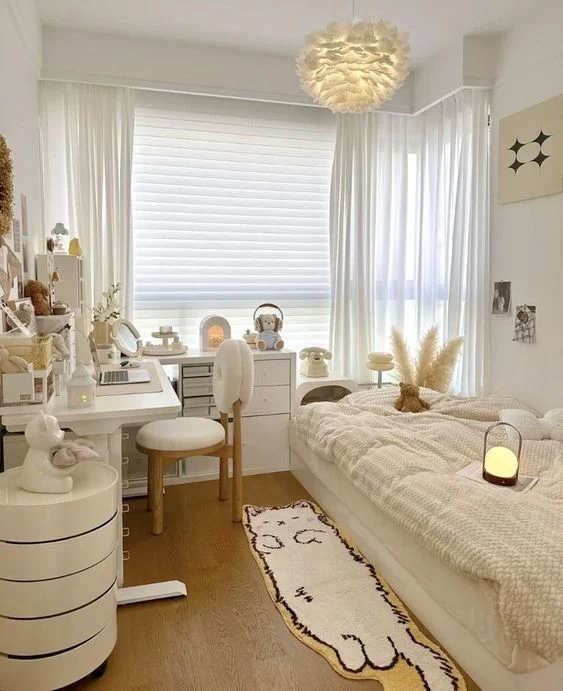
The phrase “simple aesthetic room décor” may sound like a buzzword, but at its core it’s about balance. It emphasizes clean lines, neutral tones, and purposeful pieces that each have a reason to be there. This philosophy stems from modernist design movements where “less is more” became a guiding principle. In practice, it means focusing on quality over quantity, letting natural light dominate, and allowing negative space to act as a visual pause.
Why Simple Aesthetic Room Décor Works
- Visual calm: A restrained palette reduces visual noise, making the eye feel at ease.
- Flexibility: Minimal settings serve as a blank canvas for seasonal accents or personal artifacts.
- Timelessness: Trends fade, but a well‑executed simple aesthetic remains relevant for years.
These benefits explain why homeowners worldwide are gravitating toward this style. When you strip away excess, the remaining items gain prominence, turning a regular couch or a simple lamp into a statement piece.
Color Palette Basics for Simple Aesthetic Room Décor
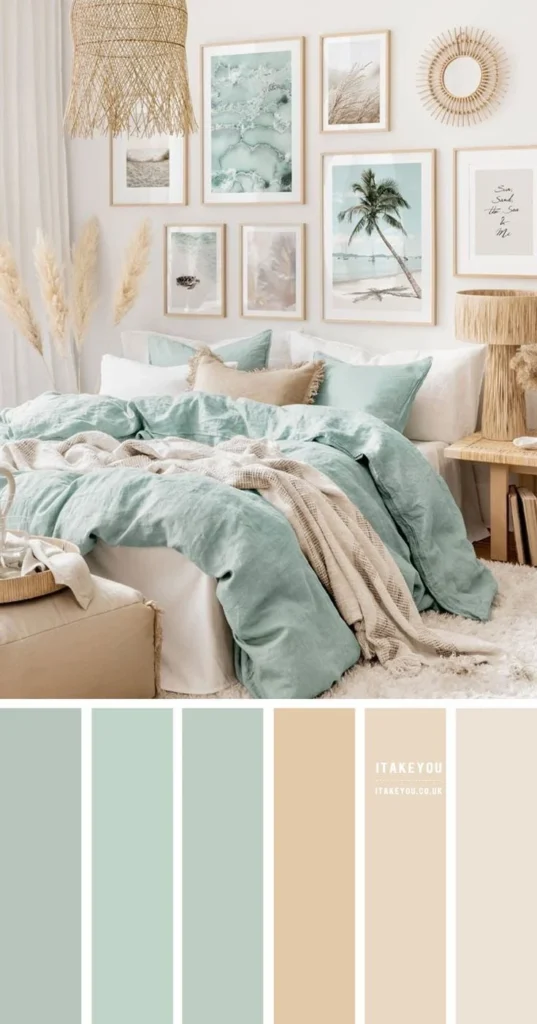
Color is the silent architect of mood. In simple aesthetic room décor, the palette leans toward muted shades—soft whites, warm beiges, gentle greys, and occasional muted pastels. Such tones not only enlarge the perceived space but also create a serene backdrop that allows textures and forms to shine.
Neutral Tones That Enhance Simplicity
Start with a base color that covers walls and larger furniture. A warm ivory, for instance, pairs beautifully with dark wood accents, while a cool greige (grey‑beige) works well with black metal fixtures. Adding a single accent hue—like a dusty sage or muted blush—through pillows or a rug can inject personality without disrupting the calm.
For a deeper dive into neutral palettes, check out our DIY neutral home décor ideas – Calm, Modern, and Affordable guide, which offers step‑by‑step suggestions for layering tones while staying budget‑friendly.
Furniture Selection and Arrangement in Simple Aesthetic Room Décor
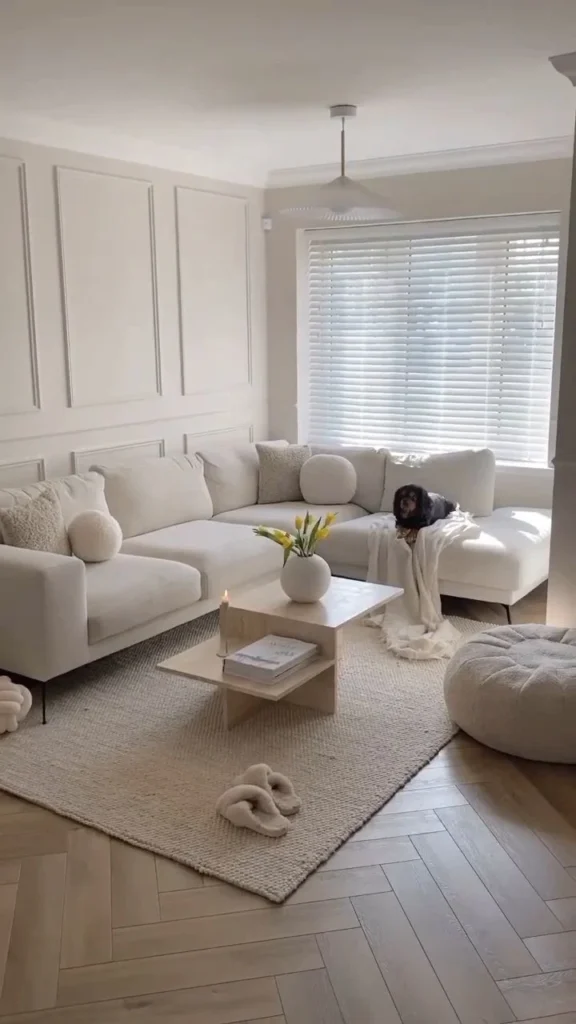
Furniture in a simple aesthetic room décor should be both functional and sculptural. Choose pieces with clean lines, low profiles, and natural finishes. Mid‑century modern sofas, sleek platform beds, and minimal coffee tables made of light wood or matte metal embody the look effortlessly.
Key Pieces for a Simple Aesthetic
- Low‑back sofas: Their unobtrusive silhouette keeps sightlines open.
- Floating shelves: These add storage without the bulk of traditional cabinets.
- Multipurpose furniture: A bench that doubles as storage or a desk with hidden drawers reduces clutter.
When arranging furniture, aim for a balanced flow. Place the largest item (usually a sofa or bed) against a wall, then anchor the space with a rug and a few thoughtfully placed side tables. Avoid pushing everything toward the center; let the room breathe.
Lighting and Accessories for Simple Aesthetic Room Décor
Lighting can make or break a minimalist setting. Soft, diffused illumination highlights textures while preserving the room’s tranquil vibe. Layered lighting—ambient, task, and accent—provides flexibility without clutter.
Subtle Lighting for Aesthetic Balance
Consider a combination of recessed ceiling lights, a sleek floor lamp, and a few understated table lamps. Choose fixtures in brushed metal, matte black, or natural wood to echo the overall material palette. A pair of simple pendant lights over a dining table or a minimalist chandelier in the living area adds visual interest without overwhelming the space.
Accessories should be purposeful. A single piece of wall art, a small collection of ceramic vases, or a curated set of floating plant shelves can bring life to the room. For inspiration on wall décor, see our article Elevate Your Space with Wall Décor with Floating Plant Shelves, which demonstrates how a few green touches can amplify simplicity.
Small Space Solutions with Simple Aesthetic Room Décor
Living in a compact apartment doesn’t mean you have to sacrifice style. Simple aesthetic room décor thrives in small spaces because it eliminates visual congestion. Smart storage, multifunctional furniture, and strategic use of mirrors can make a modest room feel surprisingly spacious.
Maximizing Storage While Staying Minimal
- Built‑in niches: Recessed shelving utilizes wall depth without protruding.
- Under‑bed drawers: Perfect for linens or seasonal clothing.
- Open‑ended racks: Use slim metal or wood racks to display books while keeping the floor clear.
When selecting storage units, opt for pieces that match your overall material palette. A light‑colored wooden chest, for example, can double as a coffee table, preserving floor space while adding storage.
DIY Touches That Amplify Simple Aesthetic Room Décor
Personalization is key to making any design feel like home. Simple aesthetic room décor welcomes DIY projects because they can be low‑cost yet high‑impact. From hand‑painted canvases to custom shelving, these projects reinforce the curated feel you’re aiming for.
Budget‑Friendly Projects for a Polished Look
Start with a simple paint refresh on a single wall to create an accent. Use painter’s tape for clean lines and a matte finish to keep the look understated. Next, create your own floating shelves using reclaimed wood and hidden brackets—an easy way to showcase décor without visual weight.
If you’re interested in more detailed step‑by‑step guidance, our guide on How to Change a Double Light Switch to a Single – A Step‑by‑Step Guide can help you streamline lighting controls, giving rooms a cleaner, more cohesive appearance.
Quick Tips for Simple Aesthetic Room Décor
- Stick to a maximum of three colors throughout the room.
- Choose furniture with exposed legs to keep the floor visible.
- Incorporate natural textures—linen, wool, jute—for warmth.
- Use mirrors strategically to reflect light and enlarge the space.
- Limit decorative objects to one or two per surface to avoid clutter.
Common Mistakes to Avoid in Simple Aesthetic Room Décor
Even with the best intentions, it’s easy to slip back into over‑decorating. Here are a few pitfalls and how to sidestep them:
- Over‑matching: Using the exact same shade on walls, furniture, and accessories can feel flat. Introduce subtle contrast through texture or a muted accent hue.
- Neglecting scale: A massive sofa in a tiny room overwhelms the space. Measure your floor area and choose appropriately sized pieces.
- Skipping lighting layers: Relying on a single overhead fixture creates harsh shadows. Combine ambient, task, and accent lighting for depth.
- Collecting “just in case” items: Store rarely used items out of sight; otherwise, they undermine the minimalist feel.
Frequently Asked Questions
What is the best way to start a simple aesthetic room décor project?
Begin by decluttering—remove items that don’t serve a functional or emotional purpose. Next, choose a neutral base color for walls and larger furniture. From there, layer texture and a few curated accessories to add personality while maintaining simplicity.
Can simple aesthetic room décor work in a colorful home?
Absolutely. The key is to treat color as an accent rather than a dominant force. Use muted backgrounds and introduce bold hues through pillows, artwork, or a statement rug. This approach preserves the minimalist vibe while allowing personality to shine.
How do I keep a small room from feeling too empty?
Balance is essential. While the goal is minimalism, a completely barren room can feel sterile. Add a couple of texture‑rich elements—like a woven throw, a wooden side table, or a modest plant—to create visual interest without clutter.
Is it okay to mix materials in simple aesthetic room décor?
Mixing materials adds depth. Pairing wood with metal, or linen with ceramic, can enhance the tactile experience. Just ensure each material shares a similar finish or undertone to keep the overall look cohesive.
How often should I update the décor in a simple aesthetic room?
Because the foundation is timeless, you can refresh the space seasonally by swapping out small accessories—cushions, throws, or artwork. This keeps the environment fresh without requiring a major overhaul.
Conclusion
Simple aesthetic room décor is more than a trend; it’s a mindset that values intentionality, quality, and calm. By focusing on neutral palettes, thoughtfully selected furniture, layered lighting, and purposeful accessories, you can craft spaces that feel both spacious and inviting. Remember to keep the core principles—less clutter, cohesive color, and purposeful pieces—in mind, and you’ll find that creating a serene, stylish home is both achievable and rewarding. For more inspiration, explore our other articles on bedroom wall décor, modern home office styling, and earthy home décor ideas to keep your design journey fresh and exciting.