
Table of Contents
- Design Process: From Concept to Planting
- Step‑by‑Step with ShrubHub
- Step‑by‑Step with Yardzen
- Cost Comparison: Budgeting for Your Outdoor Makeover
- Plant Selection and Sustainability
- Design Aesthetics: Matching Outdoor Spaces to Interior Styles
- Technology and User Experience
- Customer Support and Community Resources
- Installation: DIY vs Professional Execution
- Maintenance Guidance and Long‑Term Care
- Quick Home Décor Tips for Integrating Landscape Design
- Common Mistakes to Avoid When Choosing a Landscape Service
- Frequently Asked Questions
- What is the typical timeline for completing a ShrubHub project?
- Can Yardzen work with my existing hardscape features?
- Is it possible to combine ShrubHub’s algorithm with Yardzen’s designer expertise?
- How do I ensure my garden remains sustainable in the long term?
- Do either of the services offer discounts for larger properties?
When it comes to turning a bland backyard into a curated outdoor sanctuary, two names dominate the conversation: ShrubHub and Yardzen. Both promise to simplify the often‑daunting task of landscape design, yet they approach it with distinct philosophies, pricing models, and levels of customization. For homeowners, renters, or anyone passionate about modern outdoor décor, understanding these differences is essential before committing to a service that will shape the visual and functional heart of their property.
In this article, we’ll walk through every major facet of ShrubHub vs Yardzen, from the initial consultation to the final planting stage. We’ll also explore how each platform aligns with contemporary interior‑to‑exterior design trends, and provide practical tips to help you decide which service best matches your style, budget, and timeline. By the end, you’ll have a clear roadmap for selecting the right partner to bring your outdoor vision to life.
ShrubHub vs Yardzen: Overview of Services
Both ShrubHub and Yardzen operate entirely online, leveraging technology to replace traditional landscape architects. ShrubHub focuses on a data‑driven plant recommendation engine, using climate, soil type, and sun exposure to generate plant palettes. Yardzen, on the other hand, pairs each client with a professional designer who crafts a bespoke plan, often integrating hardscape elements like patios, fire pits, and lighting.
The core difference lies in the level of human touch. ShrubHub’s algorithmic approach can be faster and more cost‑effective, while Yardzen’s designer‑led process offers deeper personalization. If you’re comfortable with a more “DIY‑assist” model, ShrubHub may feel like a perfect fit; if you crave a hands‑off experience with a dedicated design consultant, Yardzen could be the better choice.
Design Process: From Concept to Planting
Understanding the workflow of ShrubHub vs Yardzen helps you gauge the time commitment and interaction required.
Step‑by‑Step with ShrubHub
- Complete an online questionnaire covering site dimensions, sunlight patterns, and aesthetic preferences.
- Receive a digital planting plan, complete with plant species, spacing, and a shopping list.
- Order plants directly through the platform or purchase locally using the provided list.
- Follow detailed planting guides and optional video tutorials to execute the design yourself.
Step‑by‑Step with Yardzen
- Schedule a virtual design consultation with a certified landscape designer.
- Share photos, site measurements, and style inspirations (mood boards are encouraged).
- Review a 3‑D rendered design that includes both planting and hardscape options.
- Approve the plan, then choose to have Yardzen coordinate installation with local contractors or handle implementation yourself.
Both platforms provide post‑installation support, but Yardzen’s support often includes a follow‑up visit to ensure plant health during the first growing season.
Cost Comparison: Budgeting for Your Outdoor Makeover
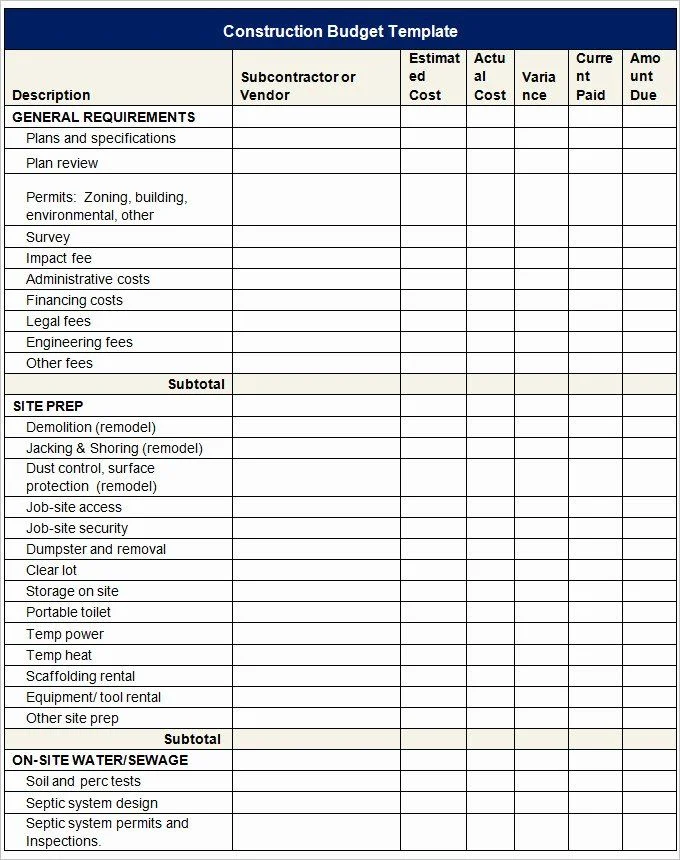
Pricing is a decisive factor in the Shrubhub vs Yardzen debate. ShrubHub operates on a tiered subscription model: a basic plan starts at $99 for a simple planting scheme, while premium tiers can reach $299 for larger properties with advanced soil analysis. Yardzen, by contrast, charges a flat design fee ranging from $499 to $2,500 depending on project scope, plus a separate installation cost that varies by region.
To illustrate, a mid‑size backyard (≈2,000 sq ft) might cost around $750 through ShrubHub—including plants and shipping—whereas Yardzen’s design fee alone could be $1,200, with installation adding another $1,500. For budget‑conscious homeowners, ShrubHub often delivers a more economical entry point, but Yardzen’s comprehensive service may justify the higher price for those seeking a turnkey solution.
Plant Selection and Sustainability
Both services prioritize native and drought‑tolerant species, aligning with modern sustainability goals. ShrubHub’s algorithm pulls from a database of over 1,200 plants, automatically filtering for those suited to your USDA hardiness zone. Yardzen’s designers manually curate plant lists, allowing for more nuanced choices such as seasonal color changes, pollinator‑friendly options, and specialty specimens.
For eco‑focused projects, ShrubHub offers a “Low‑Water” package that emphasizes xeriscaping, while Yardzen can incorporate rain gardens and permeable paving on request. If you’re aiming for a cohesive look that mirrors indoor greenery trends, consider checking out the beauty of low light indoor trees for inspiration that can transition outdoors.
Design Aesthetics: Matching Outdoor Spaces to Interior Styles
Modern home décor often blurs the line between indoor and outdoor living. ShrubHub vs Yardzen each offer distinct aesthetic pathways.
- Modern Minimalist: ShrubHub’s algorithm tends to suggest clean, geometric plant groupings, perfect for a sleek patio with concrete pavers.
- Coastal Cottage: Yardzen’s designers can weave in softer, flowing plant forms and incorporate reclaimed wood decks for a relaxed vibe.
- Urban Jungle: Both platforms can achieve this look, but Yardzen’s 3‑D renderings make it easier to visualize layered foliage across multiple levels.
Integrating outdoor décor with interior design elements—such as matching neutral jars from our bathroom décor guide—creates a seamless transition from living room to patio.
Technology and User Experience
The digital interface can make or break the client journey. ShrubHub’s platform is streamlined, with a clean dashboard that tracks order status and provides planting reminders. Yardzen’s portal offers interactive 3‑D models that can be rotated, zoomed, and even viewed in augmented reality via a mobile app.
For tech‑savvy users who enjoy hands‑on involvement, ShrubHub’s simple checklist approach may feel empowering. Those who prefer visual storytelling and real‑time collaboration will likely gravitate toward Yardzen’s immersive tools.
Customer Support and Community Resources
Both services maintain responsive support teams, but their resources differ. ShrubHub offers a searchable knowledge base, plant care videos, and a community forum where users share progress photos. Yardzen provides a dedicated project manager, seasonal maintenance checklists, and optional ongoing horticultural consulting.
If you love learning through community interaction, ShrubHub’s forum can be a valuable source of inspiration. Conversely, if you value a single point of contact who can answer detailed design queries, Yardzen’s manager model may feel more reassuring.
Installation: DIY vs Professional Execution
One of the pivotal points in Shrubhub vs Yardzen is who does the heavy lifting. ShrubHub’s model is inherently DIY: you receive plant shipments and plant them yourself, following step‑by‑step guides. Yardzen, however, offers a full-service installation option, coordinating with vetted local contractors to handle soil preparation, planting, and hardscape construction.
DIY can be rewarding and cost‑saving, but it requires time, physical effort, and a level of confidence in handling soil amendments. Professional installation eliminates guesswork and can ensure proper plant placement, especially on sloped or uneven terrain.
Maintenance Guidance and Long‑Term Care
Both platforms provide post‑installation care instructions, yet the depth varies. ShrubHub includes a digital calendar that sends watering reminders based on regional rainfall data. Yardzen’s designers often schedule a follow‑up visit (or virtual check‑in) after the first growing season to assess plant health and suggest adjustments.
For homeowners seeking a low‑maintenance garden, look for ShrubHub’s “Auto‑Care” package, which aligns watering schedules with smart‑sprinkler systems. If you anticipate needing expert advice as your garden matures, Yardzen’s ongoing consulting may be worth the added cost.
Quick Home Décor Tips for Integrating Landscape Design
- Use the same metal finishes for outdoor lighting as you do for indoor fixtures to create visual continuity.
- Incorporate texture through planters made from reclaimed wood or concrete, echoing indoor material palettes.
- Choose a limited color palette—such as varying shades of green with occasional purple blooms—to maintain a cohesive look.
Common Mistakes to Avoid When Choosing a Landscape Service
Even with thorough research, many homeowners stumble over avoidable errors.
- Skipping Soil Testing: Both ShrubHub and Yardzen rely on accurate soil data. Neglecting a simple test can lead to plant failure.
- Overlooking Microclimates: Sun exposure can vary across a single yard. Ensure the chosen service accounts for these nuances.
- Underestimating Maintenance Time: A stunning design is only as good as its upkeep. Align your selection with the realistic amount of care you can provide.
Frequently Asked Questions
What is the typical timeline for completing a ShrubHub project?
After submitting the questionnaire, you usually receive your planting plan within 48 hours. Plant delivery takes 5–7 business days, and the actual planting can be completed in a weekend if you follow the guide.
Can Yardzen work with my existing hardscape features?
Yes. Yardzen’s designers assess current elements—such as decks, walkways, or pergolas—and integrate them into the new design, ensuring harmony rather than starting from scratch.
Is it possible to combine ShrubHub’s algorithm with Yardzen’s designer expertise?
While the platforms operate independently, you can use ShrubHub’s plant suggestions as a baseline and share them with your Yardzen designer to refine the plan further.
How do I ensure my garden remains sustainable in the long term?
Choose native, drought‑tolerant species, install rain barrels for irrigation, and apply mulches to retain soil moisture. Both services provide sustainability options; be explicit about your goals during the initial briefing.
Do either of the services offer discounts for larger properties?
Yardzen often provides tiered pricing for estates exceeding 5,000 sq ft. ShrubHub may offer bulk‑plant discounts if you order directly through their wholesale partner network.
Choosing between ShrubHub vs Yardzen ultimately hinges on your personal preferences, budget, and the level of involvement you desire. If you relish a hands‑on, cost‑effective approach backed by data, ShrubHub’s algorithmic model can empower you to create a vibrant garden on your own terms. If you prefer a curated, designer‑driven experience with optional professional installation, Yardzen’s comprehensive service offers the peace of mind of expert oversight.
Whichever path you take, remember that the best outdoor space is one that reflects your home’s interior aesthetic while providing functional, enjoyable areas for relaxation and entertainment. Start with a clear vision, match it to the strengths of the platform you choose, and watch your backyard transform into an extension of your modern living environment.