
Table of Contents
- Understanding the Differences: serviceberry bush vs tree
- Key considerations when comparing serviceberry bush vs tree
- Choosing the Right Form for Your Landscape
- Planting and Soil Requirements
- Design Integration: From Small Balconies to Expansive Yards
- Maintenance Practices for Longevity
- Quick Tips for Planting and Styling
- Common Mistakes to Avoid
- Frequently Asked Questions
- Bringing the Serviceberry Into Modern Home Design
Serviceberry Bush vs Tree: A Home Gardener’s Guide
When you stroll through a well‑designed garden, the subtle shift from a low‑lying shrub to a graceful tree can completely transform the visual rhythm of the space. One plant that often sparks this decision is the serviceberry, known for its edible berries, delicate blossoms, and striking bark. Homeowners, renters with container‑friendly options, and landscape enthusiasts alike frequently ask: should I plant a serviceberry bush or let it grow into a tree?
This article unpacks the nuances of the serviceberry bush vs tree debate. We’ll dive into growth habits, site requirements, aesthetic possibilities, and maintenance considerations. By the end, you’ll have a clear roadmap for choosing the right form that complements your outdoor décor, whether you’re styling a compact balcony or a sprawling suburban yard.
Beyond the botanical details, we’ll weave in practical design tips that align with modern home styling trends. Expect actionable advice, quick‑tip lists, and answers to common questions that often surface on forums and garden‑center visits. Let’s begin the exploration.
Understanding the Differences: serviceberry bush vs tree
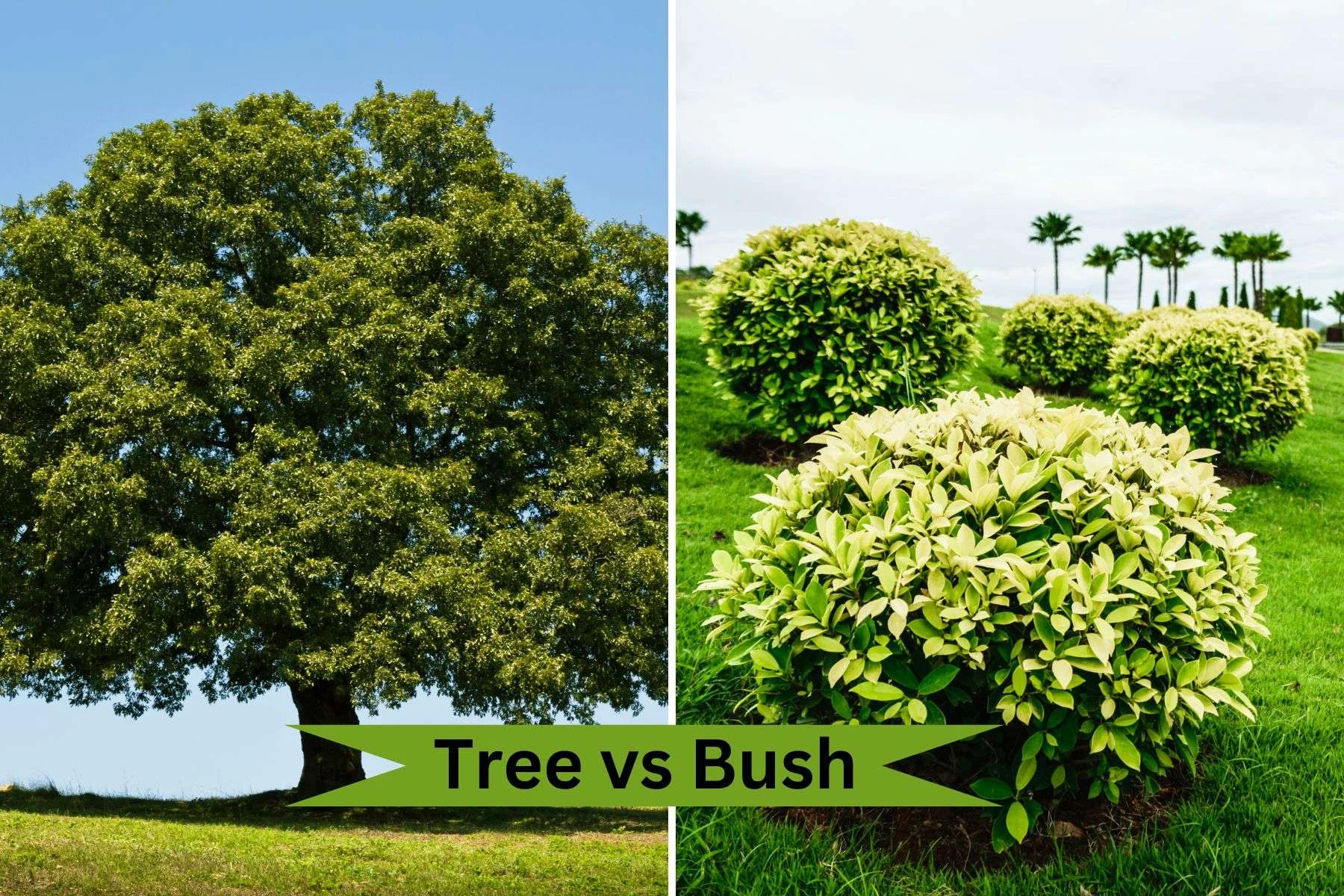
The primary distinction between a serviceberry bush and a serviceberry tree lies in its growth habit and ultimate height. When planted as a shrub, the plant typically reaches 4‑8 feet tall, branching close to the ground and forming a dense, multi‑stem canopy. In contrast, allowing the same species to develop as a tree involves training a single dominant trunk, which can push the height to 15‑25 feet, with a narrower, more vertical silhouette.
These divergent forms affect more than just size. A bush creates a low‑level visual anchor, ideal for edging, hedges, or under‑plantings that add texture without overwhelming a small patio. A tree, on the other hand, becomes a focal point, offering vertical interest, shade, and a backdrop for surrounding perennials. Understanding this spectrum helps you decide which version best serves your design goals.
Key considerations when comparing serviceberry bush vs tree
- Space availability: Shrubs thrive in tighter footprints; trees need room for canopy spread.
- Root system: Bushes develop a fibrous, shallow root mat—good for containers—while trees send deeper taproots that can impact nearby foundations.
- Pruning style: Maintaining a bush requires regular shaping to keep it compact; a tree needs selective thinning to preserve structure.
- Seasonal display: Both forms offer white spring flowers and dark berries, but a tree’s elevated position makes the blossoms more visible from a distance.
Choosing the Right Form for Your Landscape

Before deciding, assess the functional role you envision for the serviceberry. If you need a low‑lying, edible border that doubles as a wildlife magnet, the serviceberry bush vs tree choice leans toward the bush. Its multiple stems produce abundant berries close to the ground, inviting birds and pollinators while staying within arm’s reach for harvest.
Conversely, if your design calls for a statement piece—perhaps a tree that frames a patio or anchors a garden room—the tree form shines. Its height allows the striking orange‑brown bark to become a backdrop for hanging lights or seasonal décor, echoing the modern aesthetic seen in many outdoor living spaces. Pairing a serviceberry tree with a minimalist woven décor accent can create a sophisticated, nature‑infused lounge area.
Planting and Soil Requirements
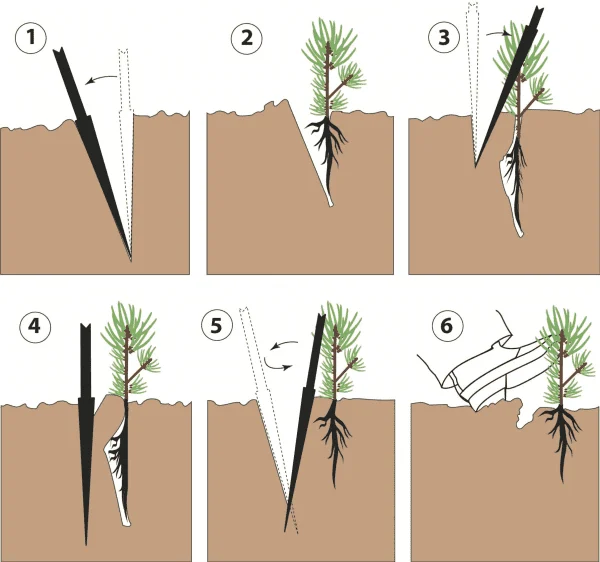
Both forms share similar soil preferences: well‑drained, loamy soil with a slightly acidic to neutral pH (5.5‑7.0). However, the planting depth and spacing differ. For a bush, space plants 4‑6 feet apart to allow the multiple stems to fill out without crowding. When training a tree, give at least 12‑15 feet of clearance around the trunk to accommodate the mature canopy.
Amending the planting hole with compost improves water retention for the shallow‑rooted bush, while the tree benefits from a deeper hole that encourages a strong taproot. Mulching with shredded bark helps maintain soil moisture and suppresses weeds for both forms. Remember to water consistently during the first growing season; serviceberries are moderately drought‑tolerant once established, but young plants need steady moisture.
Design Integration: From Small Balconies to Expansive Yards
Integrating a serviceberry into various outdoor settings requires thoughtful styling. In a compact balcony, a container‑grown serviceberry bush, pruned to a tidy dome, can act as a living ornament. Choose a decorative pot that mirrors your indoor décor—perhaps a matte‑finished gray planter that aligns with the amber versus clear shellac discussion for cohesive color palettes.
In a larger yard, the serviceberry tree can be paired with a stone fire pit, creating a natural gathering zone. Plant low‑maintenance groundcovers such as creeping thyme underneath to soften the base and add seasonal scent. The tree’s spring blossoms will complement a timeless interior secret of classical columnar seating, blending historic inspiration with contemporary landscaping.
Maintenance Practices for Longevity
Regardless of whether you select a bush or a tree, regular care extends the plant’s health and aesthetic value. Early spring pruning removes dead wood and shapes the structure. For a bush, thin out interior stems to improve air circulation, reducing fungal risk. For a tree, focus on maintaining a single, sturdy trunk and removing competing lower branches to encourage upward growth.
Fertilization is modest: a balanced 10‑10‑10 fertilizer applied in early spring supports leaf development and berry production. Avoid excessive nitrogen, which can produce lush foliage at the expense of flowers and fruit. Additionally, keep an eye out for common pests such as aphids and leaf‑spotting fungi; organic insecticidal soap and proper spacing are effective preventive measures.
Quick Tips for Planting and Styling
- Plant in early fall for a gentler establishment period.
- Use a stake for a young tree to guide trunk development; remove once the tree can stand on its own.
- In containers, select a pot at least 18 inches in diameter and use a lightweight potting mix.
- Combine the serviceberry with native grasses to create a meadow‑like effect that enhances biodiversity.
- Harvest berries when fully ripe—deep purple to black—for the best flavor and to encourage wildlife.
Common Mistakes to Avoid
Many gardeners unintentionally hinder the potential of their serviceberry by overlooking a few key points. Planting too deep is a frequent error; the root ball should sit just above the surrounding soil line to prevent rot. Another pitfall is over‑pruning—removing more than 25 % of foliage in a single season stresses the plant and reduces berry yield.
For those aiming for a tree, neglecting to train a single leader early can result in a multi‑trunk “bush‑tree hybrid” that looks untidy and weak. Finally, placing the plant in heavy clay that retains water leads to root suffocation. Choose a site with good drainage or amend heavy soils with sand and organic matter.
Frequently Asked Questions
Can a serviceberry bush be transformed into a tree later?
Yes. By selecting the strongest stem, staking it, and gradually removing competing shoots, you can encourage a single trunk to dominate, effectively converting the shrub into a small tree over several years.
Do serviceberry trees produce more fruit than bushes?
Fruit production depends on sunlight, pollination, and pruning. Trees often yield larger, more abundant crops because the canopy receives better air flow and light penetration, but well‑maintained bushes can be equally productive in a sunny location.
Is the serviceberry suitable for low‑maintenance gardens?
Both forms are relatively low‑maintenance once established. They tolerate a range of soil conditions, require modest watering, and are resistant to most pests, making them excellent choices for busy homeowners.
How fast does a serviceberry grow?
Growth rates vary by species and conditions, but generally, a serviceberry bush adds 12‑24 inches per year, while a tree can gain 1‑2 feet annually after the first few years of establishment.
Can I plant serviceberries in containers on a balcony?
Absolutely. Choose a dwarf cultivar and a large, well‑draining container. Provide regular watering and protect the plant from strong winds to mimic its natural environment.
Bringing the Serviceberry Into Modern Home Design
In contemporary outdoor décor, the serviceberry’s natural colors—soft white blossoms, glossy green leaves, and deep purple berries—fit seamlessly with neutral palettes and bold accent pieces. Pair a serviceberry tree with sleek metal planters, or use a low‑lying bush as a living border for a minimalist garden pathway. When planning a garden that reflects modern interior trends, consider how the plant’s seasonal changes echo the rhythm of indoor textiles and wall colors.
For a cohesive look, coordinate the serviceberry’s bark hues with the finish of outdoor furniture. A dark walnut or espresso stain on a wooden bench can complement the tree’s bark, creating a harmonious visual dialogue between plant and structure.
In sustainable design projects, the serviceberry contributes to biodiversity, supports pollinators, and offers edible harvests, aligning with the principles discussed in Liveable Green vs Sea Salt. Its low water demand and adaptability make it a smart choice for eco‑conscious homeowners.
Whether you opt for a shrub or a tree, the serviceberry can become a central element in your outdoor sanctuary, bridging the gap between functional landscape planting and artistic home décor.
By evaluating space, purpose, and maintenance preferences, you can confidently decide whether the serviceberry bush vs tree option best aligns with your vision. Embrace the plant’s versatility, and let it enrich your garden with seasonal beauty, delicious fruit, and a touch of natural elegance.