
Table of Contents
- ruud vs carrier: Overview of HVAC Brands
- Performance and Efficiency Comparison
- Installation and Maintenance Considerations
- Cost and Warranty Analysis
- Design Aesthetics and Integration with Home Décor
- Choosing the Right System for Different Home Types
- Smart Controls and Home Automation
- Quick Tips for Selecting the Ideal HVAC System
- Common Mistakes to Avoid When Installing HVAC
- Frequently Asked Questions
When it comes to heating, ventilation, and air conditioning (HVAC), the market offers a handful of reputable brands, but two names consistently dominate the conversation: Ruud and Carrier. Both companies boast a legacy of engineering excellence, yet they differ in subtle ways that can have a big impact on your home’s comfort, energy bills, and overall aesthetic. Understanding the nuances between these two giants helps homeowners make an informed decision that aligns with their design preferences, budget, and long‑term maintenance plans.
In this guide, we’ll walk through a comprehensive ruud vs carrier analysis, covering everything from performance metrics and installation quirks to cost considerations and how each system can seamlessly blend with modern décor. Whether you’re renovating a sleek city apartment or upgrading a spacious suburban house, the insights below will equip you with the knowledge to select the HVAC solution that truly enhances your living environment.
ruud vs carrier: Overview of HVAC Brands
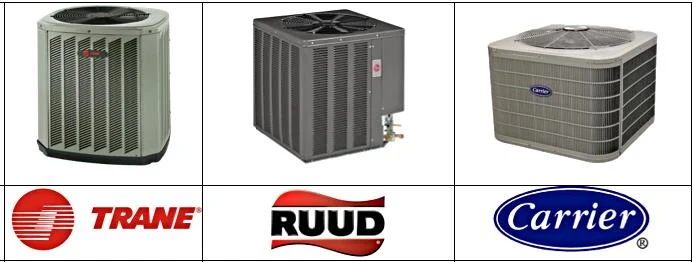
Ruud, founded in 1906, has built its reputation on durable, American‑made equipment that emphasizes reliability in extreme climates. Carrier, on the other hand, dates back to 1902 and is often credited with inventing modern air conditioning. This historical rivalry translates into distinct brand philosophies: Ruud leans toward robust, no‑frills performance, while Carrier focuses on cutting‑edge technology and sleek design. Both offer a full range of split systems, heat pumps, and packaged units, but their engineering approaches differ. Ruud typically employs a simpler control interface, which can be appealing to users who prefer straightforward operation. Carrier invests heavily in smart thermostats and variable‑speed compressors that adapt to changing indoor conditions, promising higher efficiency and quieter operation. When comparing ruud vs carrier, consider which brand’s core values match your lifestyle and the specific climate demands of your region.
Performance and Efficiency Comparison

Efficiency is a major factor in the ruud vs carrier debate. Carrier’s latest models often achieve SEER (Seasonal Energy Efficiency Ratio) ratings above 20, thanks to their variable‑speed technology that adjusts airflow in real time. Ruud’s high‑efficiency line also reaches impressive SEER numbers, typically ranging from 16 to 18, which still delivers substantial savings compared to standard units. The difference lies in how each system manages temperature swings. Carrier’s advanced micro‑channel coils and precise refrigerant flow allow for smoother temperature transitions, ideal for modern open‑plan homes where maintaining consistent comfort across large spaces is crucial. Ruud’s approach, while slightly less nuanced, relies on sturdy components that maintain performance over many years with minimal degradation. For homeowners focused on the lowest possible utility bills, the ruud vs carrier decision may hinge on whether the marginal efficiency gains of Carrier justify the higher upfront cost.
Installation and Maintenance Considerations

Installation complexity can affect both the timeline and total expense of a new HVAC system. Carrier units often require a more detailed setup due to their sophisticated control boards and integration with smart home platforms. This can mean higher labor costs and the need for certified installers familiar with Carrier’s proprietary software. Ruud systems, by contrast, are designed for easier field installation, with fewer electronic components that simplify wiring and ductwork connections. In terms of maintenance, Carrier’s variable‑speed compressors have more moving parts, which may demand more frequent professional check‑ups to ensure optimal performance. Ruud’s conventional compressors are known for their longevity and simpler service procedures. If you plan to handle minor maintenance yourself, such as filter changes and coil cleaning, the ruud vs carrier choice may favor Ruud for its more user‑friendly service intervals.
Cost and Warranty Analysis
When budgeting for a new HVAC system, the upfront price tag and long‑term warranty are critical variables. Carrier’s premium models typically command a higher price, reflecting their advanced technology and sleek design. However, Carrier often includes longer warranty periods on compressors—up to 10 years in some cases—providing peace of mind for homeowners who want to avoid unexpected repair costs. Ruud, while generally more affordable, offers competitive warranties as well, often covering parts for 5 years and compressors for 10 years. The ruud vs carrier cost comparison also extends to financing options; many dealers provide promotional financing for Carrier units due to their higher profit margins. Analyzing your home’s energy profile and expected usage patterns can help determine whether the higher initial investment in a Carrier system will be offset by lower energy consumption over time.
Design Aesthetics and Integration with Home Décor
Beyond performance, the visual footprint of an HVAC system can influence the overall feel of a room. Carrier’s newer models showcase a low‑profile, matte‑finish cabinet that blends subtly with contemporary interiors, making it a popular choice for designers who prioritize minimalism. Ruud’s units, while functional, often have a more industrial appearance, which can be an asset in industrial‑styled lofts but may clash with softer décor themes. When evaluating ruud vs carrier for a design‑focused home, consider how the indoor unit’s color, grille style, and size will interact with surrounding elements like wall art, lighting, and furniture. Pairing a Carrier unit with a soft lighting scheme can enhance the perception of spaciousness, whereas a Ruud unit might complement a Japandi interior by reinforcing the clean, functional aesthetic.
Choosing the Right System for Different Home Types
Every home presents unique challenges that can sway the ruud vs carrier decision. In compact apartments, space constraints demand a compact, quiet unit. Carrier’s slim‑line ductless mini‑splits often fit neatly behind a wall or ceiling, delivering powerful climate control without sacrificing valuable square footage. Ruud’s ducted solutions, while effective, may require more extensive ductwork that reduces usable space. For larger homes with multiple zones, both brands offer multi‑stage systems, but Carrier’s advanced zoning technology integrates seamlessly with smart thermostats, allowing homeowners to program temperature schedules for each zone from a single app. Ruud’s zoning capabilities are reliable but may lack the same level of app‑based granularity. If you’re designing a home with a focus on energy efficiency and sophisticated automation, Carrier may have the edge; however, for a budget‑conscious remodel where durability is paramount, Ruud remains a strong contender.
Smart Controls and Home Automation
Modern homeowners increasingly expect their HVAC system to communicate with other smart devices. Carrier’s recent lineup includes Wi‑Fi‑enabled thermostats that work with popular platforms like Amazon Alexa, Google Assistant, and Apple HomeKit, enabling voice control and remote adjustments. This integration supports energy‑saving routines, such as lowering temperature during work‑from‑home hours or ramping up cooling before you arrive home. Ruud has begun to incorporate similar connectivity options, but its smart features are often limited to basic scheduling and lack the deep learning algorithms found in Carrier’s proprietary systems. When assessing ruud vs carrier for a smart home, weigh how much you value seamless integration versus a more traditional, manual control scheme. A well‑programmed Carrier system can contribute to a modern, tech‑savvy living environment, complementing design concepts like the small apartment living room décor ideas that emphasize both style and functionality.
Quick Tips for Selecting the Ideal HVAC System
- Evaluate your climate zone: Carrier’s high‑SEER models excel in regions with extreme temperature swings, while Ruud’s robust units perform reliably in moderate climates.
- Consider future home automation plans: If you aim for a fully connected home, Carrier’s smart thermostats may provide smoother integration.
- Check local incentives: Many utilities offer rebates for high‑efficiency Carrier systems, potentially narrowing the price gap with Ruud.
- Prioritize maintenance accessibility: Choose a brand whose service technicians are readily available in your area to avoid long downtime.
- Match the unit’s aesthetics to your décor: A sleek Carrier indoor unit pairs well with contemporary interiors, whereas Ruud’s industrial look suits loft‑style spaces.
Common Mistakes to Avoid When Installing HVAC
Even the best ruud vs carrier comparison can be undermined by installation errors. One frequent mistake is undersizing the system, which leads to short cycling, higher energy costs, and reduced comfort. Always conduct a proper load calculation (Manual J) to determine the precise capacity needed for each zone. Another pitfall is neglecting proper duct sealing; leaky ducts can waste up to 30% of conditioned air. Additionally, homeowners sometimes opt for a single thermostat in a multi‑zone home, sacrificing the nuanced temperature control that modern HVAC systems are designed to provide. Finally, overlooking local building codes can result in costly retrofits. By partnering with certified installers and adhering to best practices, you’ll ensure that your ruud vs carrier decision delivers the performance you expect.
Frequently Asked Questions
Which brand offers better energy efficiency?
Carrier generally leads in energy efficiency due to its variable‑speed compressors and higher SEER ratings, though Ruud’s high‑efficiency models still provide substantial savings compared to standard units.
Are Carrier systems compatible with all smart home platforms?
Carrier’s Wi‑Fi thermostats integrate with major platforms like Alexa, Google Assistant, and Apple HomeKit, offering broad compatibility. Ruud’s newer smart options have more limited integration.
How do I decide between a ducted and ductless system?
Ductless mini‑splits are ideal for homes with limited space or retrofit projects, while ducted systems provide even distribution across larger homes. Consider your home’s layout and renovation budget.
What is the typical lifespan of Ruud vs Carrier units?
Both brands can last 15–20 years with regular maintenance. Carrier’s advanced components may require slightly more frequent professional service, but both are built for long‑term durability.
Can I install the system myself?
Due to the complexity of refrigerant handling and electrical connections, professional installation is required for both Ruud and Carrier units to maintain warranty coverage and ensure safety.
Choosing between Ruud and Carrier ultimately depends on your specific priorities—whether it’s cutting‑edge technology, budget considerations, or aesthetic harmony with your interior design. By weighing performance data, installation logistics, and design integration, you can select the system that not only keeps your home comfortable but also enhances its visual appeal. Take the insights from this ruud vs carrier guide, explore related décor inspiration, and confidently move forward with a solution that fits your modern lifestyle.