
Table of Contents
- Understanding the Damage: How to Get an Iron Burn Out of Carpet
- Step‑by‑Step: How to Get an Iron Burn Out of Carpet Safely
- Choosing the Right Cleaning Agents: What Works Best?
- Repair Techniques for Severe Burns
- Patch‑and‑Seam Method
- Fiber‑Restoration Technique
- Preventing Future Iron Burns: Proactive Home‑Styling Tips
- Quick Home Décor Tips for Integrating Repaired Carpets
- Common Mistakes to Avoid When Treating Iron Burns
- Frequently Asked Questions
- Can I use a steam cleaner on a burned carpet spot?
- How long does it take for a repaired patch to blend with the rest of the carpet?
- Is it safe to apply hair spray or fabric spray to hide a burn mark?
- Do professional carpet cleaners have special tools for iron burns?
- Will a burn spot affect the carpet’s warranty?
- Can I use baking soda to remove a scorch?
How to Get an Iron Burn Out of Carpet: A Complete Guide for Every Home
There’s nothing more disheartening than spotting a dark, singed mark on a beloved carpet after an accidental iron slip. Whether you’re a meticulous homeowner, a busy renter, or a décor enthusiast who loves to experiment with textures, a burn spot can feel like a visual blemish on an otherwise well‑styled room. The good news is that you don’t have to resign yourself to replacement or professional fees; with the right approach, you can often rescue the fiber, lessen the discoloration, and restore confidence in your floor covering.
In this guide we’ll walk through the science behind iron burns, the safest home‑based techniques, the tools you’ll need, and the design tricks that let you blend the repaired area back into the overall décor. By the end of the article, you’ll know exactly how to get an iron burn out of carpet without compromising the surrounding fibers or the aesthetic flow of your living space.
We’ll also sprinkle in practical styling ideas—like coordinating paint palettes or choosing complementary rugs—so you can turn a minor mishap into an opportunity for a fresh design update. Let’s dive in.
Understanding the Damage: How to Get an Iron Burn Out of Carpet
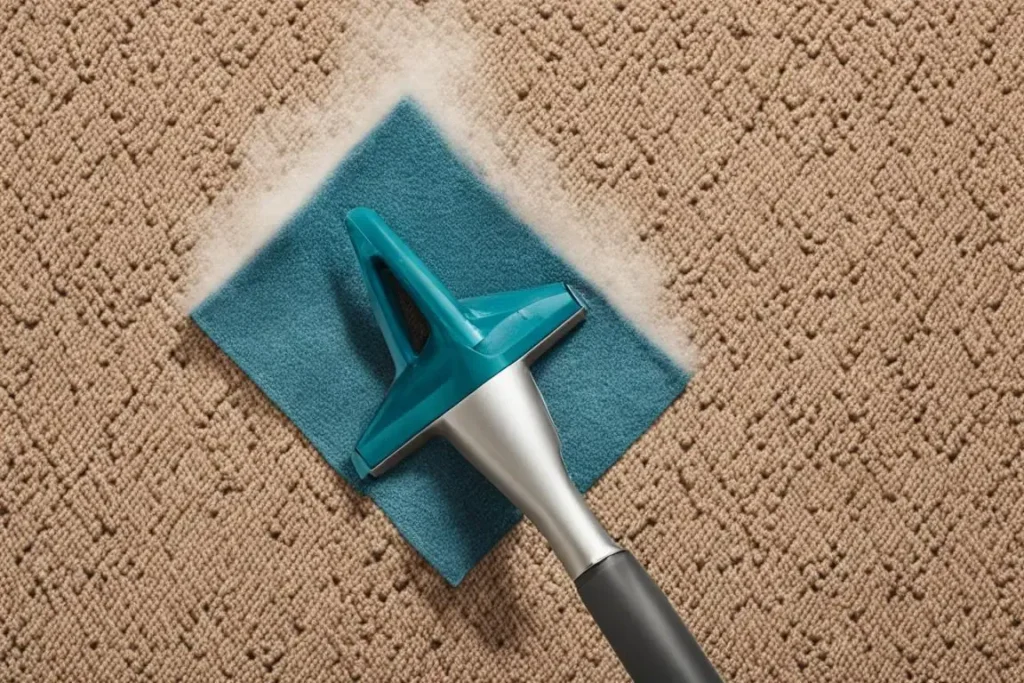
Before you tackle any removal method, it’s essential to understand what an iron burn actually does to carpet fibers. An iron heats up to temperatures well above 200 °C (392 °F). When the hot plate contacts the carpet, the heat can cause three main types of damage:
- Surface scorching: The top layer of fibers turns brown or black, creating a visible patch.
- Fiber melting: Synthetic fibers (nylon, polyester) can melt and fuse, forming a hardened spot.
- Backing degradation: The carpet’s backing material may char, making the burn feel slightly stiff.
Knowing which of these has occurred will guide you toward the most effective remedy. For instance, a surface scorch on a wool rug often responds well to gentle brushing and stain‑lifting solutions, whereas a melted synthetic spot may require a more invasive approach, such as carefully cutting out and splicing a patch.
Step‑by‑Step: How to Get an Iron Burn Out of Carpet Safely
The following procedure works for most residential carpets, whether they’re plush, Berber, or low‑pile. Always start with the least invasive method and progress only if needed.
- Cool the area immediately. If the burn is fresh, place a cold, damp cloth on the spot for a few minutes to stop any further heat transfer.
- Vacuum gently. Remove loose debris and any charred fibers that have detached. Use a handheld brush attachment to avoid pulling at the carpet.
- Test a cleaning solution. In an inconspicuous corner, apply a small amount of a mild carpet cleaner (e.g., diluted white vinegar or a pH‑balanced carpet shampoo) to ensure it won’t discolor the surrounding fibers.
- Apply a targeted stain remover. Dampen a white cloth with the solution and blot—not rub—the burn area. Work from the outside toward the center to prevent spreading.
- Rinse lightly. Using a cloth moistened with clean water, blot the area again to remove any residue. Avoid saturating the carpet, which could cause mold.
- Dry thoroughly. Place a fan or a low‑heat hair dryer a few inches above the spot, moving constantly to prevent heat concentration.
- Assess the result. If the discoloration remains, you may need to try a specialized “carpet burn remover” product or, for deeper burns, a professional carpet repair kit.
Patience is key. Often the combination of gentle cleaning and proper drying can lift up to 80 % of the visual impact of a scorch.
Choosing the Right Cleaning Agents: What Works Best?
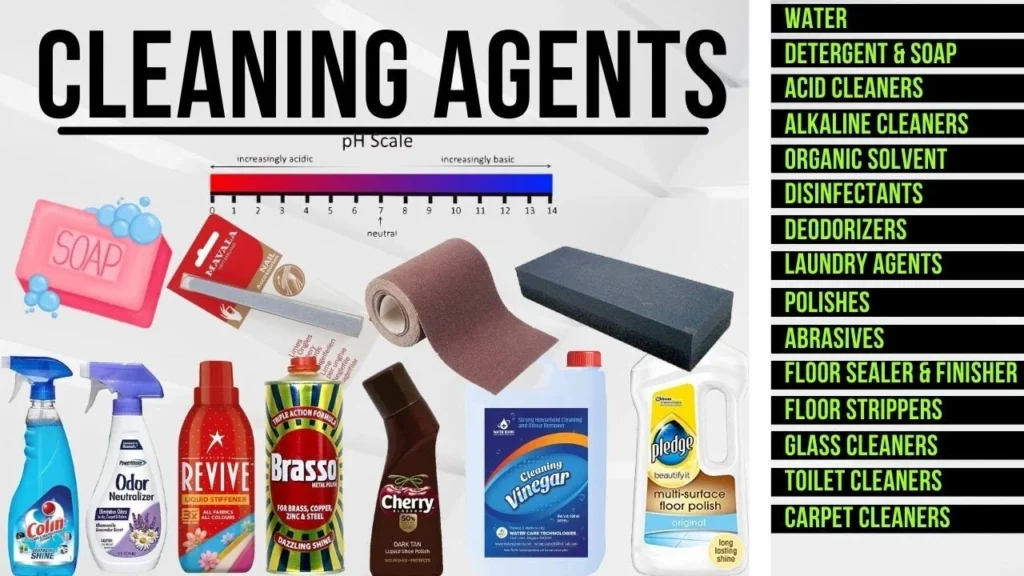
Not all cleaners are created equal when it comes to tackling carbonized fibers. Here are three categories of solutions that have proven effective:
- Home‑made vinegar mix: Mix one part white vinegar with two parts warm water. The mild acidity helps break down char without harming wool or synthetic fibers.
- Enzymatic carpet cleaners: These products contain bio‑active enzymes that dissolve organic stains and can lift light scorch marks.
- Isopropyl alcohol (70 %): Useful for synthetic carpets where the burn has left a greasy residue. Apply sparingly and test first.
When selecting a product, check the label for “safe for use on wool or synthetic fibers,” especially if your carpet contains a blend. For a more thorough cleaning routine, pair the stain‑removal step with a deep‑cleaning carpet shampoo that you can rent from a local hardware store.
Repair Techniques for Severe Burns
If the burn has melted the fibers or damaged the backing, cleaning alone won’t fully restore the appearance. Below are advanced repair options that keep the cost lower than a full carpet replacement.
Patch‑and‑Seam Method
This technique works well for low‑pile synthetic carpets. You’ll need a piece of matching carpet—often a leftover from the original installation—or a small “remnant” you can purchase from a carpet retailer.
- Cut out the burned section with a sharp utility knife, creating a clean square or rectangle.
- Trim the replacement piece to the exact dimensions.
- Apply a carpet adhesive suitable for the backing type (rubber‑based adhesives work for most synthetics).
- Place the patch, press firmly, and weight it with a heavy board for 24 hours.
After the adhesive cures, use a carpet roller to blend the seam, making the repair virtually invisible.
Fiber‑Restoration Technique
For wool or natural‑fiber rugs where a patch would be noticeable, you can try “fiber‑lifting.” Using a fine‑toothed comb, gently lift the charred fibers and brush them away, revealing the unburned fibers underneath. Follow with a light mist of wool‑safe conditioner to restore softness.
Preventing Future Iron Burns: Proactive Home‑Styling Tips
Prevention is always the best cure. Here are some design‑friendly habits that protect your carpet while keeping the space stylish.
- Use ironing boards with a heat‑resistant pad. A simple silicone mat placed on top of the board adds an extra layer of protection.
- Place a decorative rug runner in high‑traffic areas. This not only adds visual interest but also creates a buffer zone for accidental drops.
- Choose carpet colors that hide minor marks. Neutral tones with subtle patterns can camouflage small imperfections better than solid, bright hues.
- Keep an iron storage caddy on a shelf, not on the carpet. A designated spot reduces the temptation to set the hot plate down while you’re waiting for it to cool.
If you’re already planning a room refresh, consider how the repaired carpet will interact with other elements. For instance, a freshly restored area can be highlighted by a Palladian Blue vs Woodlawn Blue – Which Shade Elevates Your Home? color scheme, turning a subtle repair into a design feature.
Quick Home Décor Tips for Integrating Repaired Carpets
- Layer a low‑pile accent rug over the repaired zone to add texture without hiding the carpet’s pattern.
- Use a coordinating throw pillow or wall art that echoes the carpet’s color palette, creating visual continuity.
- Introduce a sleek metal coffee table with a glass top; the reflective surface draws eyes away from minor imperfections.
Common Mistakes to Avoid When Treating Iron Burns
Even with the best intentions, homeowners sometimes make errors that worsen the situation. Keep these pitfalls in mind:
- Scrubbing aggressively. Vigorous rubbing can fray fibers and spread the burn.
- Using bleach or harsh chemicals. These can discolor the carpet or break down the backing.
- Over‑wetting the carpet. Excess moisture invites mold and can cause the backing to lift.
- Skipping the test patch. Always test any solution in an inconspicuous area first.
By following the step‑by‑step process outlined earlier and avoiding these common errors, you’ll give your carpet the best chance of a full recovery.
Frequently Asked Questions
Can I use a steam cleaner on a burned carpet spot?
Steam cleaners generate heat and moisture, which can further set a scorch or cause the backing to loosen. It’s best to stick with mild, low‑moisture cleaners for iron burn spots.
How long does it take for a repaired patch to blend with the rest of the carpet?
After applying adhesive and weighting the patch, allow at least 24 hours for the glue to cure. Then, run a carpet roller or a heavy object over the seam for another hour to help fibers settle and blend.
Is it safe to apply hair spray or fabric spray to hide a burn mark?
Temporary sprays can mask discoloration, but they may also attract dirt and cause a sticky residue. Use them only as a short‑term solution and follow up with proper cleaning as soon as possible.
Do professional carpet cleaners have special tools for iron burns?
Yes, many professionals use specialized de‑glossing pads and low‑temperature steam devices that can lift char without damaging the fibers. However, these services can be costly, so try home methods first.
Will a burn spot affect the carpet’s warranty?
Most carpet warranties cover manufacturing defects, not accidental damage. Check your warranty’s terms; some manufacturers offer limited accidental‑damage coverage that could include burns.
Can I use baking soda to remove a scorch?
Baking soda is mildly abrasive and can help lift surface stains, but it should be used sparingly and always rinsed thoroughly to avoid residue buildup.
By understanding the nature of the damage, selecting the right cleaning agents, and employing careful repair methods, you can confidently answer the question of how to get an iron burn out of carpet without compromising the overall look of your home. Whether you opt for a simple blot‑and‑dry routine or a more involved patch‑and‑seam repair, the key is to act promptly, test solutions, and protect the surrounding fibers.
Remember, a well‑maintained carpet not only contributes to a cozy aesthetic but also adds value to your living space. After you’ve restored the affected area, consider pairing it with fresh décor ideas—such as a sleek Small Apartment Living Room Décor Ideas for Modern Spaces or a calm Japandi Interior Design scheme—to turn a minor mishap into a catalyst for creative reinvention.
Take the steps outlined above, enjoy the satisfaction of a DIY rescue, and let your carpet once again become the understated hero of your home’s design story.