
Table of Contents
- Understanding the Core Differences Between Rheem vs Bryant
- Key Technical Specs in the Rheem vs Bryant Debate
- Energy Efficiency and Sustainability Considerations
- Tips for Maximizing Efficiency Regardless of Brand
- Installation Experience: What Contractors Say About Rheem vs Bryant
- Design Aesthetics and Integration with Modern Home Décor
- Integrating HVAC Choices with Other Home Design Trends
- Cost Analysis: Upfront Investment vs Long‑Term Savings
- Smart Features and Home Automation Compatibility
- Reliability and Customer Satisfaction Metrics
- Quick Tips for Choosing Between Rheem vs Bryant
- Common Mistakes to Avoid When Selecting an HVAC System
- Frequently Asked Questions
- Which brand offers better energy savings, Rheem or Bryant?
- Are Bryant units louder than Rheem units?
- Do both brands support smart thermostats?
- How does warranty coverage differ between Rheem and Bryant?
- Can I install a Bryant or Rheem system myself?
- Which brand holds a higher resale value for a home?
Rheem vs Bryant: Which HVAC Brand Wins for Your Home?
When it comes to keeping your living space comfortable year‑round, the choice of heating, ventilation, and air‑conditioning (HVAC) system can feel overwhelming. Two names dominate the conversation among contractors and homeowners alike: Rheem and Bryant. Both brands boast a long history, a wide product lineup, and promises of energy efficiency, but they differ in subtle ways that can matter a great deal for modern homes.
This article walks you through the most important factors to consider when deciding between Rheem vs Bryant. We’ll break down performance specs, installation experiences, design aesthetics, and long‑term value. By the end, you’ll have a clear picture of which system aligns with your comfort goals, budget, and style preferences.
Understanding the Core Differences Between Rheem vs Bryant
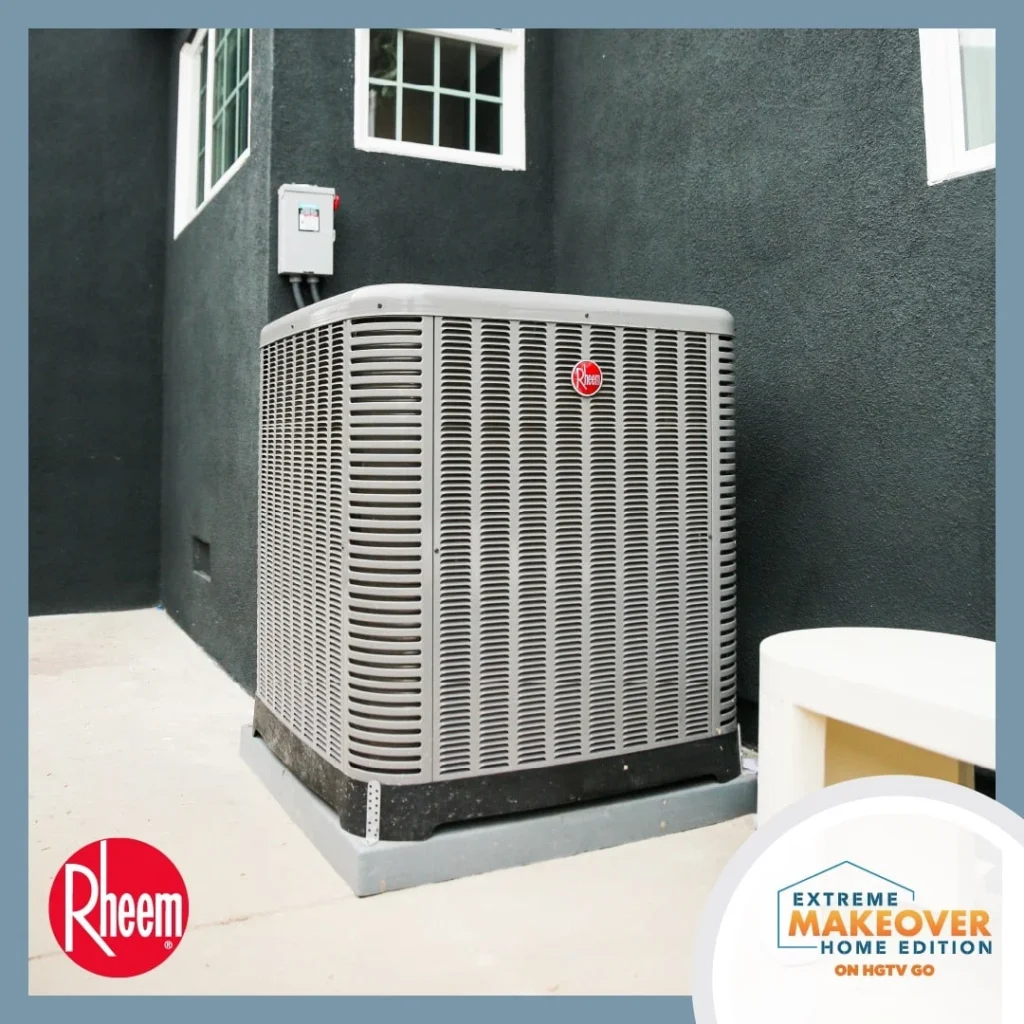
At first glance, Rheem and Bryant appear similar—they both offer air conditioners, furnaces, heat pumps, and smart‑compatible thermostats. The real distinction lies in engineering focus, warranty structures, and the breadth of their product families.
Rheem tends to emphasize cost‑effectiveness and a broad range of entry‑level models that appeal to budget‑conscious shoppers. Their units often feature a straightforward design that integrates easily with standard ductwork, making installation quicker for many contractors.
In contrast, Bryant positions itself as a premium brand within the Carrier family, delivering higher‑efficiency ratings and advanced diagnostics. Bryant’s focus on superior airflow management and quieter operation can be a deciding factor for homeowners who value a whisper‑quiet bedroom or a sleek living‑room environment.
Key Technical Specs in the Rheem vs Bryant Debate
- SEER Ratings: Bryant’s top models frequently hit 20+ SEER, while Rheem’s highest‑efficiency units hover around 18‑19 SEER.
- AFUE (Annual Fuel Utilization Efficiency): Bryant furnaces often achieve 96‑98% AFUE, compared to Rheem’s 94‑96% range.
- Noise Levels: Bryant invests in variable‑speed compressors that can operate as low as 55 dB, whereas Rheem’s standard compressors are usually around 60 dB.
- Smart Integration: Both brands support Wi‑Fi thermostats, but Bryant’s systems are more tightly integrated with the Carrier‑Control platform, offering deeper diagnostics through mobile apps.
Energy Efficiency and Sustainability Considerations
Homeowners increasingly factor sustainability into their purchase decisions. When you compare Rheem vs Bryant through the lens of energy savings, the picture becomes clearer.
Bryant’s higher SEER and AFUE numbers translate directly into lower utility bills, especially in climates with extreme temperature swings. The brand’s use of variable‑speed motors also means the system can modulate output to match exact demand, reducing waste.
Rheem, while slightly lower on efficiency metrics, compensates with a robust lineup of ENERGY STAR‑qualified models. For many households, a well‑sized Rheem unit can still achieve significant savings when paired with proper insulation and programmable thermostats.
Tips for Maximizing Efficiency Regardless of Brand
- Seal ducts and insulate them to prevent air loss.
- Install a smart thermostat and set schedules that align with your daily routine.
- Schedule annual professional tune‑ups to keep coils clean and airflow optimal.
- Consider adding a zoning system if you have multiple floors or distinct climate zones.
Installation Experience: What Contractors Say About Rheem vs Bryant
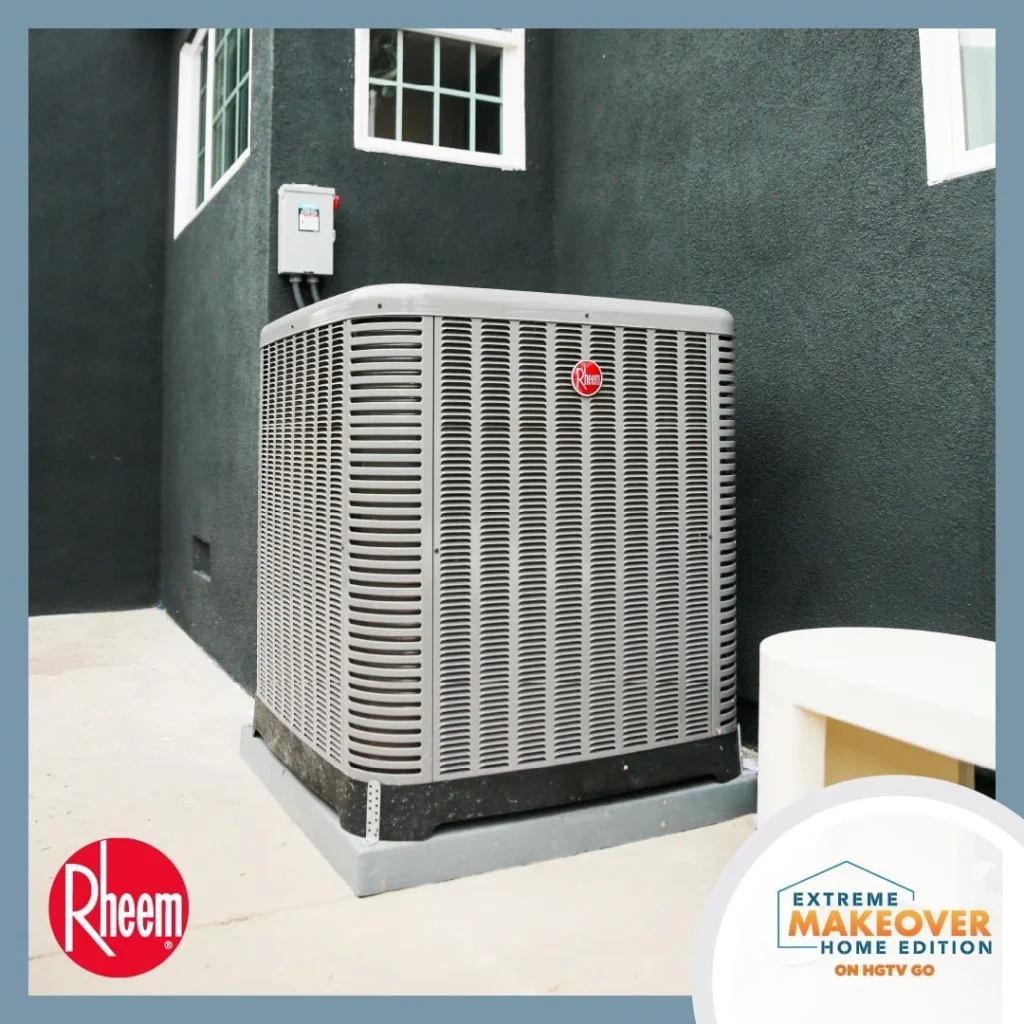
Installation quality can make or break the performance of any HVAC system. Contractors often report that Rheem units are easier to handle because of their modular design and lighter weight. This can reduce labor time and overall installation cost.
On the other hand, Bryant’s premium models sometimes require additional calibration steps, especially when integrating with advanced zoning controls. While the initial installation may take slightly longer, many installers note that the end result feels more refined, with smoother airflow and quieter operation.
If you’re working with a contractor, ask them which brand they have more experience with in your region. Local climate expertise can influence the recommendation—some installers favor Bryant in colder zones for its high‑efficiency furnaces, while they might suggest Rheem in milder climates where cost savings are paramount.
Design Aesthetics and Integration with Modern Home Décor
Beyond performance, the visual impact of your HVAC equipment matters, especially when the indoor unit is exposed in an open‑concept living area. Bryant’s sleek, low‑profile condensers often blend better with contemporary interiors, thanks to clean lines and a matte black finish that can double as a design element.
Rheem’s units are typically painted in neutral whites or grays, which can be less noticeable but may clash with dark‑toned décor. However, Rheem offers customizable panels for certain models, allowing homeowners to match the unit’s exterior to surrounding cabinetry or wall paint.
For those who love cohesive styling, consider hiding the outdoor unit behind a lattice or decorative screen—just be sure to maintain proper clearance for airflow. Inside, a well‑placed thermostat with a minimalist faceplate can complement a modern interior without drawing attention.
Integrating HVAC Choices with Other Home Design Trends
Modern homes often combine smart technology with sustainable materials. Pairing a Bryant system with a touchless kitchen faucet guide can create a seamless, high‑tech experience throughout the house. Similarly, a Rheem unit paired with home‑stylist’s guide on kitchen‑bath closeout ensures that plumbing and HVAC aesthetics remain consistent.
Cost Analysis: Upfront Investment vs Long‑Term Savings
Budget considerations are often the deciding factor in the Rheem vs Bryant debate. Upfront, a typical 3‑ton Bryant air conditioner can cost 10‑15% more than a comparable Rheem model. The price gap widens for high‑efficiency heat pumps and advanced furnace configurations.
Long‑term, however, Bryant’s superior SEER and AFUE can offset the higher initial expense through lower energy bills. A simple calculation shows that a homeowner saving $150 per year on electricity could recoup a $1,500 price difference in roughly ten years—assuming stable energy rates.
Don’t forget to factor in warranty coverage. Bryant usually offers a 10‑year limited parts warranty on many models, while Rheem’s standard warranty ranges from 5‑10 years, with optional extended plans available for an additional cost.
Smart Features and Home Automation Compatibility
Both brands recognize that today’s consumers expect connectivity. Rheem’s EcoNet platform allows remote control, scheduling, and real‑time performance data through a smartphone app. Bryant’s equivalent, Comfort™ Control, integrates directly with the Carrier‑Control ecosystem, offering predictive maintenance alerts and voice‑assistant compatibility with Amazon Alexa and Google Assistant.
If you already have a smart home hub, verify which platform aligns best. For example, homeowners using a living room décor with woven baskets often appreciate the subtle, unobtrusive aesthetic that Bryant’s black‑finish units provide, complementing a warm, natural palette.
Reliability and Customer Satisfaction Metrics
Consumer reports and industry surveys consistently rank Bryant higher in reliability scores, citing fewer service calls and longer mean‑time‑between‑failures (MTBF). Rheem, while reliable, tends to fall a notch lower, primarily due to the broader range of entry‑level units that may experience more variability in component quality.
Warranty claim data also favors Bryant, with a higher percentage of claims resolved quickly and without cost to the homeowner. If peace of mind is a top priority, Bryant’s reputation for durability may tip the scales.
Quick Tips for Choosing Between Rheem vs Bryant
- Assess your climate: colder zones benefit from Bryant’s high‑AFUE furnaces.
- Set a realistic budget: factor in long‑term energy savings, not just purchase price.
- Check local installer expertise: a contractor familiar with one brand can ensure optimal setup.
- Consider aesthetics: choose a finish that complements your interior design vision.
- Verify smart‑home compatibility early to avoid retrofitting hassles later.
Common Mistakes to Avoid When Selecting an HVAC System
Even seasoned homeowners can stumble when navigating the Rheem vs Bryant decision. Here are pitfalls to watch for:
- Oversizing the unit: Larger isn’t always better. An oversized system cycles on and off quickly, reducing efficiency and comfort.
- Neglecting ductwork assessment: Poorly sized or leaky ducts can negate any efficiency gains from a premium Bryant unit.
- Focusing solely on price: The cheapest option may lead to higher utility bills and more frequent repairs.
- Skipping professional load calculations: A qualified HVAC technician should perform Manual J calculations to determine exact capacity needs.
- Ignoring future upgrades: Think about adding zoning, air purification, or smart controls later; choose a system that can accommodate expansion.
Frequently Asked Questions
Which brand offers better energy savings, Rheem or Bryant?
Generally, Bryant’s higher SEER and AFUE ratings provide better energy savings, especially in extreme climates. However, a properly sized Rheem system can still achieve substantial savings if paired with good insulation and a programmable thermostat.
Are Bryant units louder than Rheem units?
Bryant typically designs its premium models with variable‑speed compressors that run quieter (as low as 55 dB) compared to standard Rheem compressors, which average around 60 dB. If bedroom noise is a concern, Bryant may have the edge.
Do both brands support smart thermostats?
Yes. Rheem uses the EcoNet platform, while Bryant integrates with Comfort™ Control. Both allow remote operation, scheduling, and energy‑usage insights via smartphone apps.
How does warranty coverage differ between Rheem and Bryant?
Bryant usually offers a 10‑year limited parts warranty on many models, while Rheem’s standard warranty ranges from 5‑10 years. Extended warranties are available for both brands at additional cost.
Can I install a Bryant or Rheem system myself?
HVAC installation involves complex electrical, refrigerant, and ductwork work that typically requires a licensed professional. DIY installation is not recommended and may void warranties.
Which brand holds a higher resale value for a home?
Homes equipped with Bryant systems often command a modest premium due to the brand’s reputation for durability and high efficiency. Rheem systems also add value, but the impact is generally less pronounced.
Choosing between Rheem vs Bryant ultimately hinges on your priorities—whether you value upfront affordability, cutting‑edge efficiency, quiet operation, or long‑term reliability. By assessing climate demands, budget constraints, aesthetic preferences, and smart‑home goals, you can select the system that best supports a comfortable, stylish, and energy‑smart home.
Now that you’ve explored the key differences, take the next step: schedule a professional load assessment, compare quotes, and envision how the chosen unit will fit within your interior design scheme. For more inspiration on aligning HVAC choices with modern décor, explore our guides on small living‑room décor ideas and smart‑home integrations.