
Table of Contents
- Understanding the Core Differences: kitchen hardwood vs tile
- Durability considerations for kitchen hardwood vs tile
- Aesthetic Impact in Modern Kitchens
- Color, texture, and design flexibility with kitchen hardwood vs tile
- Maintenance and Cleaning Realities
- Practical cleaning tips for kitchen hardwood vs tile
- Cost Analysis and Budget Planning
- Long‑term value of kitchen hardwood vs tile
- Installation Process and Timeline
- DIY vs professional installation for kitchen hardwood vs tile
- Environmental and Health Factors
- Sustainability of hardwood vs tile options
- Quick Tips for Choosing Kitchen Hardwood vs Tile
- Common Mistakes to Avoid
- Frequently Asked Questions
- Putting It All Together
Kitchen Hardwood vs Tile: A Comprehensive Guide for Modern Homeowners
Choosing the right flooring for the heart of your home can feel like a high‑stakes decision. The kitchen sees constant traffic, spills, and temperature changes, so the material you select must balance beauty with practicality. Two timeless contenders dominate the conversation: hardwood and tile. Both have loyal followings, but each brings its own set of strengths, challenges, and design possibilities.
In this article, we’ll walk you through every angle of the debate—durability, aesthetics, maintenance, cost, installation, and even environmental impact. By the end, you’ll have a clear picture of how kitchen hardwood vs tile aligns with your lifestyle, budget, and design vision. Let’s dive in and make the flooring choice that feels right for your kitchen today.
Understanding the Core Differences: kitchen hardwood vs tile
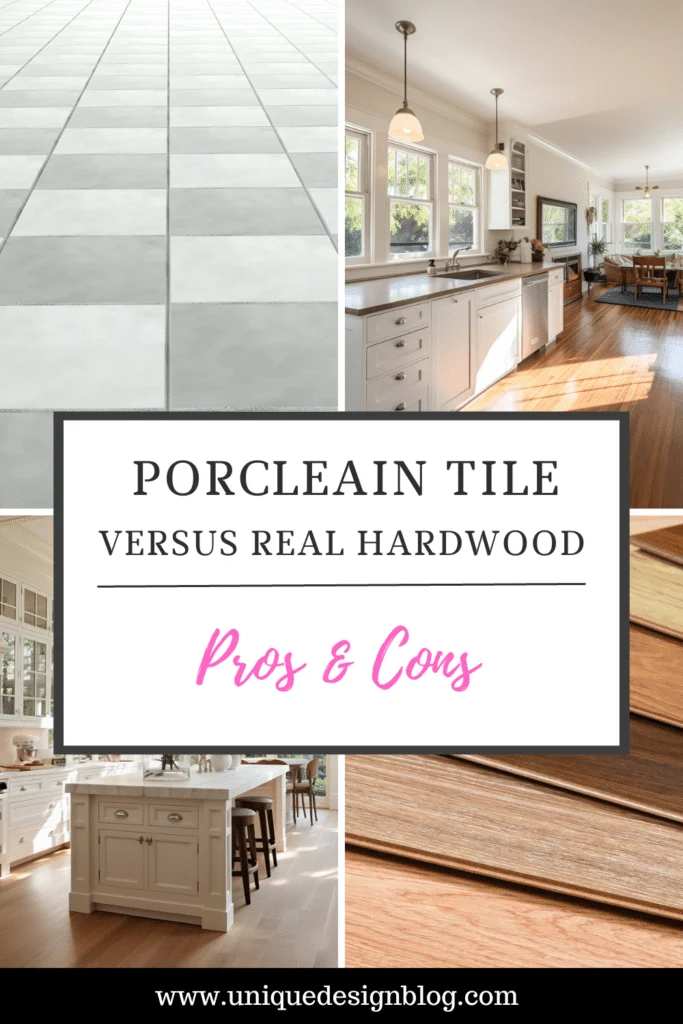
The first step in the comparison is to recognize what fundamentally separates hardwood from tile. Hardwood flooring is made from solid or engineered wood planks, offering a warm, organic feel. Tile, on the other hand, typically consists of ceramic, porcelain, or natural stone pieces that are fired at high temperatures, delivering a hard, water‑resistant surface.
While both materials can be installed in a variety of patterns, their performance under kitchen conditions varies. Hardwood expands and contracts with humidity, which can be a concern near sinks or appliances that emit steam. Tile is virtually immune to moisture, making it a popular choice for areas prone to spills. However, tile can feel cold underfoot, especially in cooler climates, whereas hardwood retains a comfortable, inviting temperature.
Durability considerations for kitchen hardwood vs tile
When it comes to lasting through years of cooking, cleaning, and foot traffic, durability is a top priority. Below is a quick snapshot of how each material holds up:
- Hardwood: With a proper finish, hardwood can resist scratches and dents for decades. High‑traffic areas may show wear, but sanding and refinishing can restore its original luster.
- Tile: Tile is exceptionally hard and resistant to scratches, dents, and stains. Grout lines, however, can become a maintenance point if they become discolored or cracked.
- Impact resistance: Dropping a heavy pot is less likely to chip tile than dent hardwood, though a hard ceramic piece can break if struck with enough force.
Choosing between the two often hinges on whether you value the ability to refinish (hardwood) or the sheer resistance to moisture and heat (tile).
Aesthetic Impact in Modern Kitchens

Design trends constantly evolve, yet both hardwood and tile remain staples in contemporary kitchens. Hardwood exudes warmth, making a space feel cozy and inviting. Its natural grain can become the focal point, especially when paired with sleek cabinetry or open shelving.
Tile, meanwhile, offers an almost limitless palette of colors, patterns, and textures. From subway tiles that give a clean, classic look to large-format porcelain that mimics natural stone, tile can be used to create bold statements or subtle backdrops. The reflective surface of glazed tile also helps brighten darker kitchens by bouncing light around the room.
Color, texture, and design flexibility with kitchen hardwood vs tile
Here are a few design scenarios illustrating the flexibility each material provides:
- Scandinavian minimalism: Light‑colored oak hardwood paired with matte white cabinets creates a serene, airy vibe.
- Industrial chic: Dark, reclaimed wood mixed with concrete‑look porcelain tiles adds rugged contrast.
- Traditional elegance: Wide‑plank maple hardwood combined with a subtle herringbone tile backsplash unifies floor and wall.
- Modern boldness: Geometric patterned tile in rich teal can serve as an eye‑catching floor centerpiece, while neutral hardwood accents the surrounding space.
Whether you lean toward the timeless grain of hardwood or the limitless design possibilities of tile, both can be styled to suit any aesthetic—from rustic farmhouse to sleek contemporary.
Maintenance and Cleaning Realities

Kitchen floors are subject to spills, crumbs, and occasional splatters of oil or sauce. Understanding the maintenance demands of each option will help you avoid unwanted surprises.
Hardwood requires regular sweeping or vacuuming to prevent grit from scratching the surface. A damp mop—well‑wrung and used sparingly—keeps it looking fresh, but excessive water can lead to swelling. Periodic refinishing every 8‑10 years (or sooner in high‑traffic homes) restores its shine and extends its lifespan.
Tile shines with a simple routine: sweep, vacuum, and mop with a pH‑neutral cleaner. The biggest maintenance task is caring for grout. Sealing grout annually prevents stains and reduces the need for deep cleaning. For those who dislike grout upkeep, consider larger tiles with fewer joints or epoxy‑filled grout for added durability.
Practical cleaning tips for kitchen hardwood vs tile
- Use mats or rugs in high‑spill zones to protect both hardwood and tile.
- Immediately wipe up liquid spills on hardwood to avoid water damage.
- For tile, use a soft‑bristle brush to scrub grout without scratching the tile surface.
- Apply a hardwood floor polish once a year to maintain shine and protect the finish.
- Consider a steam‑cleaner for tile (avoid on unsealed natural stone) to sanitize without chemicals.
These small habits keep your floor looking new, regardless of whether you chose hardwood or tile.
Cost Analysis and Budget Planning
Budget is often the decisive factor. While both materials span a wide price range, the initial outlay and long‑term costs differ.
Hardwood flooring typically costs between $5 and $12 per square foot for material alone, with premium species like walnut reaching $15‑$20. Installation adds $4‑$8 per square foot, especially if a subfloor needs preparation. The ability to refinish can offset the higher upfront cost over time.
Tile pricing varies even more widely. Basic ceramic tiles start at $1‑$3 per square foot, while high‑end porcelain or natural stone can exceed $20. Installation for tile is generally $5‑$10 per square foot, with additional labor for intricate patterns or large formats. Grout and sealant costs should also be factored in.
Long‑term value of kitchen hardwood vs tile
From a resale perspective, both flooring types can increase home value when installed correctly. Hardwood often appeals to buyers seeking a warm, cohesive look throughout the house, while tile can attract those who prioritize low‑maintenance, water‑resistant surfaces.
Remember to account for life‑cycle costs: the ability to refinish hardwood may reduce the need for a full replacement, whereas tile may last virtually unchanged but could require grout resealing every few years. A balanced budget plan should weigh these recurring expenses against the initial investment.
Installation Process and Timeline
Installation can be a DIY adventure or a professional project, depending on your confidence and the complexity of the design. Understanding the steps helps you set realistic timelines.
Hardwood installation often begins with acclimating the boards to the room’s temperature and humidity for 48–72 hours. After the subfloor is prepared, planks are laid using a nail-down, glue-down, or click‑lock system. The process typically takes 2‑3 days for a standard kitchen.
Tile installation requires a solid, level substrate. A mortar is spread, and each tile is pressed into place, followed by grouting and sealing. Complex patterns or large-format tiles can extend the timeline to 4‑5 days. Both materials benefit from professional expertise to ensure levelness and proper expansion gaps.
DIY vs professional installation for kitchen hardwood vs tile
- DIY hardwood: Ideal for click‑lock engineered wood; requires basic tools and patience.
- Professional hardwood: Recommended for solid wood or intricate layouts to guarantee proper nailing and expansion gaps.
- DIY tile: Feasible with small, straightforward patterns and proper preparation; must be comfortable with cutting tiles.
- Professional tile: Best for large formats, mosaics, or when a flawless finish is essential.
Choosing a qualified installer can also protect your warranty and ensure that the flooring performs as expected.
Environmental and Health Factors
Eco‑conscious homeowners often ask how hardwood and tile stack up in terms of sustainability and indoor air quality. Both options can be responsibly sourced, but the considerations differ.
Hardwood harvested from responsibly managed forests (look for FSC certification) is a renewable resource. Engineered wood uses a thinner veneer over plywood, reducing the amount of solid wood needed. However, some hardwood finishes contain volatile organic compounds (VOCs) that can affect indoor air quality until fully cured.
Tile, especially porcelain, is made from abundant clay and sand, requiring high‑temperature firing, which consumes significant energy. Natural stone tiles have a lower carbon footprint if sourced locally. Some manufacturers now offer low‑VOC glazes and recycled-content tiles, improving environmental performance.
Sustainability of hardwood vs tile options
To make a greener choice, consider these tips:
- Choose hardwood with FSC or PEFC certification.
- Opt for low‑VOC finishes or water‑based sealers.
- Look for tile made from recycled materials or with a high recycled content rating.
- Source locally to reduce transportation emissions.
- Consider the lifespan; a floor that lasts 30+ years reduces overall waste.
Both materials can be part of a sustainable design strategy when selected thoughtfully.
Quick Tips for Choosing Kitchen Hardwood vs Tile
- Assess your kitchen’s humidity level; high moisture favors tile.
- Think about comfort underfoot—hardwood stays warm, tile can be cooled with rugs.
- Plan for future resale—both appeal to buyers, but match regional preferences.
- Set a realistic budget that includes material, installation, and maintenance.
- Test samples in your kitchen’s lighting before finalizing.
Common Mistakes to Avoid
Even experienced homeowners can slip up when deciding between hardwood and tile. Here are some pitfalls and how to dodge them:
- Ignoring subfloor preparation: An uneven base can cause hardwood to warp or tile to crack.
- Choosing the wrong finish for hardwood: High‑gloss finishes can be slippery when wet; matte or satin finishes often work better in kitchens.
- Underestimating grout maintenance: Skipping sealant leads to stains and mold growth.
- Overlooking expansion gaps: Both materials expand with temperature changes; proper spacing prevents buckling.
- Choosing style over function: A beautiful tile pattern that’s hard to clean may become a daily hassle.
Frequently Asked Questions
Can I install hardwood in a kitchen with a dishwasher?
Yes, but it’s best to use engineered hardwood with a durable finish and ensure proper sealing around the dishwasher area. A water‑resistant trim can also protect the edges.
Is tile colder than hardwood in winter?
Tile does feel cooler because it conducts heat more efficiently. Adding area rugs or installing underfloor heating can mitigate the chill while preserving tile’s durability.
How often should I reseal grout on tile?
Most experts recommend resealing grout every 12‑18 months, especially in high‑traffic kitchens. This prevents stains and prolongs the lifespan of the tile installation.
Can hardwood be repaired if a plank gets damaged?
Yes. Individual boards can be replaced or sanded and refinished. With solid hardwood, you may need to match the grain, which can be more challenging than with engineered wood.
Which option is better for a small kitchen?
Both can work, but tile often creates the illusion of more space when using large-format or light‑colored pieces. Hardwood can also open up a room, especially with a consistent tone throughout the home.
Does tile require more underlayment than hardwood?
Tile typically needs a cement backer board or a membrane to prevent cracking and to provide a stable surface. Hardwood may need a moisture barrier on concrete slabs, but generally requires less thick underlayment.
Putting It All Together
At the end of the day, the decision between kitchen hardwood vs tile boils down to your personal priorities. If you crave warmth, a natural grain, and the ability to refinish, hardwood is a timeless champion. If you need water resistance, a broad design palette, and minimal long‑term upkeep, tile stands out as the practical hero.
Consider the climate of your home, your cooking habits, and the overall design narrative you want to tell. Don’t forget to factor in long‑term costs, installation logistics, and sustainability goals. By weighing these elements carefully, you’ll select a floor that not only looks stunning but also serves your kitchen’s functional demands for years to come.
For more on integrating fixtures that complement your flooring choice, check out our touchless kitchen faucet guide. If you’re curious about how HVAC efficiency ties into overall kitchen comfort, read the Rheem vs Bryant comparison. And when planning a budget‑friendly remodel, our analysis of Floor & Decor versus Home Depot pricing can provide valuable insights.
With the right knowledge, you’ll feel confident walking across a floor that reflects both your style and your lifestyle. Happy designing!