
Table of Contents
- Replacement vs New Construction Windows: Understanding the Basics
- Replacement vs New Construction Windows – When to Choose Replacement
- Cost Comparison and Budgeting for Window Projects
- Replacement vs New Construction Windows – Installation Process Differences
- Energy Efficiency and Performance: What’s the Real Difference?
- Replacement vs New Construction Windows – Impact on Home Value
- Design Flexibility and Aesthetic Considerations
- Replacement vs New Construction Windows – Matching Existing Architecture
- Quick Tips for Your Window Project
- Common Mistakes and How to Avoid Them
- Frequently Asked Questions
Replacement vs New Construction Windows – Which Is Right for Your Home?
When it comes to upgrading the look and performance of your home, windows are often the first element that catches the eye. Whether you live in a historic bungalow or a sleek new condo, the decision to replace old panes or install brand‑new frames can dramatically affect comfort, energy bills, and curb appeal. Understanding the nuances of replacement vs new construction windows helps you make an informed choice that aligns with your budget, timeline, and design vision.
This guide walks you through the essential factors you should consider before pulling the trigger on a window project. From cost breakdowns and installation logistics to energy efficiency and aesthetic harmony, we’ll explore every angle so you feel confident whether you’re renovating an existing home or building from the ground up. By the end, you’ll have a clear roadmap for selecting the right window solution for your unique situation.
Ready to dive in? Let’s compare the two primary pathways—replacement and new construction—so you can see which one best fits your goals and style preferences.
Replacement vs New Construction Windows: Understanding the Basics

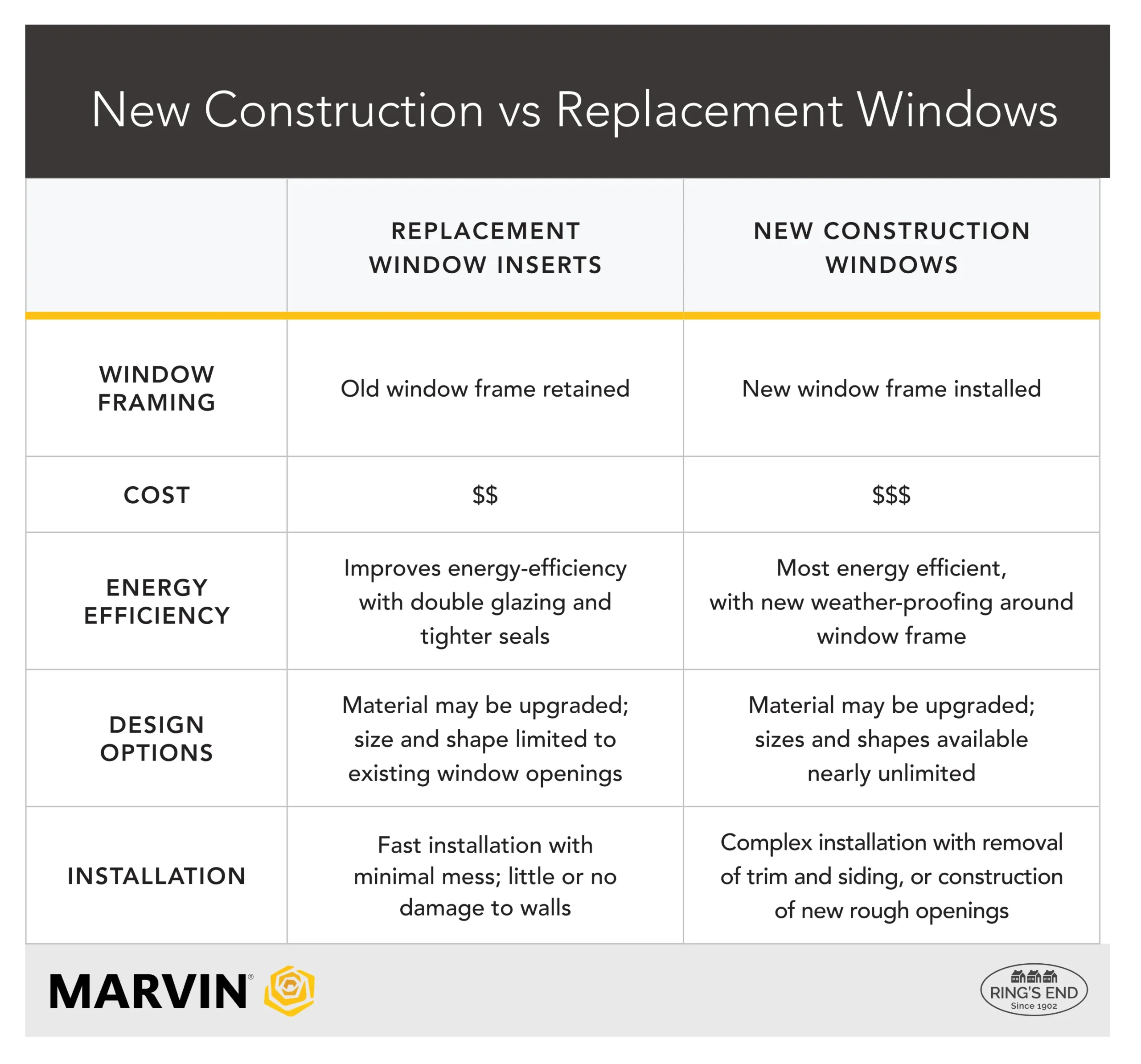
The term replacement vs new construction windows refers to two distinct installation methods. Replacement windows are designed to fit into an existing opening, preserving the surrounding wall, trim, and interior finish. New construction windows, on the other hand, are installed during the framing stage of a new build or major remodel, requiring the opening to be built from scratch.
Because the two approaches involve different levels of disruption, they also affect costs, timelines, and the range of styles available. Replacement windows typically demand less labor because the rough opening already exists. However, they may be limited by the dimensions of the current opening. New construction windows provide the freedom to customize size, shape, and framing details but involve more extensive work, including flashing, sheathing, and sometimes structural adjustments.
Replacement vs New Construction Windows – When to Choose Replacement
- Existing structure intact: If the walls and trim are in good shape, a replacement window can be slipped in without tearing down the surrounding material.
- Budget constraints: Replacement installations generally cost less because they require fewer labor hours and less material.
- Time sensitivity: A replacement project can often be completed in a day or two per window, minimizing disruption for occupants.
Homeowners who love their current floor plan but need better insulation, noise reduction, or a modern aesthetic often opt for replacement. For instance, swapping single‑pane casements for double‑glazed, low‑E units can dramatically improve energy performance while retaining the historic character of a Victorian façade.
Cost Comparison and Budgeting for Window Projects

One of the most common questions in the replacement vs new construction windows debate centers on price. While exact numbers vary by region, material, and brand, a few general trends hold true. Replacement windows typically range from $300 to $800 per unit, including basic installation. New construction windows, which include framing and flashing, can start around $500 and climb to $1,200 or more per window.
Don’t forget hidden costs: disposal of old frames, potential structural repairs, and finishing touches like interior trim or exterior siding patches. If you’re replacing windows in a historic home, you might also need specialized frames that match original profiles, which can increase the per‑window price.
When budgeting, consider the long‑term savings from improved energy efficiency. High‑performance windows—whether replacement or new construction—can reduce heating and cooling expenses by up to 20 % over several years. This return on investment often justifies the higher upfront cost of a new construction installation, especially in new builds where you can coordinate the windows with the overall energy envelope of the house.
Replacement vs New Construction Windows – Installation Process Differences
Understanding the steps involved helps you gauge the level of disruption and the expertise required.
- Removal: For replacement, the old sash and frame are pried out, leaving the rough opening intact. New construction starts with a bare opening framed with studs and sheathing.
- Preparation: Replacement may need shims and a new nailing flange, while new construction requires flashing tape, a water‑resistive barrier, and often a new sill pan.
- Installation: Both types use nails or screws, but new construction windows are typically secured to the framing members before the exterior sheathing is applied.
- Finishing: Replacement windows usually need interior trim replacement and exterior sealant. New construction windows are integrated into the exterior cladding process, so the final finish is smoother.
Choosing a reputable installer who understands the nuances of each method is crucial. Mistakes in flashing, for example, can lead to water intrusion—an issue that defeats the purpose of a high‑performance window upgrade.
Energy Efficiency and Performance: What’s the Real Difference?

Modern windows are engineered to keep your home comfortable while lowering utility bills. The key metrics—U‑factor (heat loss), Solar Heat Gain Coefficient (SHGC), and Air Leakage (AL)—are impacted by both the glass and the framing material. Whether you opt for replacement or new construction, you can specify low‑E coatings, argon gas fills, and insulated frames to meet ENERGY STAR standards.
However, new construction windows often allow for tighter integration with the building envelope. Properly installed flashing and continuous insulation around the frame can reduce thermal bridging more effectively than many retrofit installations. That said, a well‑executed replacement project using high‑quality units and professional sealing can achieve comparable performance, especially when the existing opening is already well insulated.
Homeowners in climate‑extreme zones should prioritize windows with a low U‑factor and an appropriate SHGC. For example, a sunny southern home benefits from a lower SHGC to block excess heat, while a northern residence wants a higher SHGC to let in solar warmth during winter.
Replacement vs New Construction Windows – Impact on Home Value
Both types of windows can boost resale value, but the effect varies by market. In neighborhoods where historic authenticity is prized, replacement windows that match original muntin patterns can add significant appeal without altering the home’s character. Conversely, in new‑development areas, buyers often expect the latest energy‑efficient, frameless designs that are more easily achieved with new construction windows.
Real‑estate studies show that homeowners can recoup 70‑80 % of the cost of window upgrades at resale, especially when the improvements are documented and energy performance data is available. Pairing window upgrades with other green measures—such as insulation and HVAC efficiency—creates a compelling selling point for environmentally conscious buyers.
Design Flexibility and Aesthetic Considerations
Windows are not just functional; they are a visual focal point that shapes a room’s ambiance. The replacement vs new construction windows decision influences the range of styles you can achieve. Replacement windows must fit within the constraints of the existing opening, which can limit the ability to change from a traditional double‑hung to a contemporary picture window.
New construction windows, however, let you rethink the entire façade. You can introduce floor‑to‑ceiling glazing, unique shapes like arches or trapezoids, and modern framing materials such as thermally broken aluminum or fiberglass. These options are especially popular in modern home décor trends that emphasize natural light and seamless indoor‑outdoor connections.
For a cohesive look, consider the surrounding architectural language. In a mid‑century modern home, sleek, minimal frames with wide sightlines enhance the clean aesthetic. In a Craftsman‑style house, wood‑grain frames and divided‑lite patterns preserve the handcrafted feel. Matching the window style to your interior design theme—whether it’s a minimalist home office or a cozy living room—creates visual harmony throughout the space.
Replacement vs New Construction Windows – Matching Existing Architecture
When preserving architectural integrity is a priority, replacement windows are often the go‑to solution. They can be custom‑ordered to replicate historic muntin patterns, wood profiles, and even glazing types like wavy glass. In contrast, new construction windows give you the chance to reinterpret historic details with modern performance, such as using a wood‑clad frame with insulated glazing to blend classic looks with contemporary efficiency.
Either way, the key is to select a window that complements the room’s décor. Pairing a large, unobstructed picture window with a minimalist living room creates a sense of openness, while a series of small, divided‑lite windows can add charm to a bedroom styled with vintage furnishings.
Quick Tips for Your Window Project
- Measure the rough opening twice—once horizontally and once vertically—to avoid ordering the wrong size.
- Choose low‑E glass with a suitable SHGC for your climate to maximize energy savings.
- Don’t overlook interior trim; fresh trim can instantly elevate the look of a replacement window.
- Coordinate window placement with natural light sources to enhance your interior design scheme.
- Consider adding built‑in blinds or shades for a clean, integrated look that reduces glare.
Common Mistakes and How to Avoid Them
Even seasoned DIYers can stumble when tackling windows. Below are frequent pitfalls and practical solutions:
- Improper flashing: Skipping this step or using the wrong tape can cause water leaks. Always follow the manufacturer’s flashing diagram.
- Incorrect sizing: Ordering a window that’s too large or too small creates gaps and reduces efficiency. Double‑check measurements before purchase.
- Neglecting insulation: Leaving air gaps around the frame defeats the purpose of high‑performance glazing. Use low‑expansion foam or backer rod as recommended.
- Choosing aesthetics over performance: A beautiful frame made of non‑thermal material may increase heat loss. Opt for insulated frames that meet ENERGY STAR criteria.
- Skipping a professional inspection: Hidden rot or structural issues in the opening can compromise the installation. Have a qualified contractor assess the opening before proceeding.
Frequently Asked Questions
Can I replace windows in a historic home without losing its character?
Yes. Replacement windows can be custom‑ordered to match original muntin patterns, wood profiles, and even glass type, preserving the historic look while upgrading performance.
Is it ever worth installing new construction windows in an existing home?
If you’re undertaking a major remodel that involves opening new wall sections or re‑framing rooms, new construction windows may be the better choice because they allow for larger openings and design flexibility.
Which window type offers better energy efficiency?
Both can be equally efficient if you select high‑performance glass and frames. However, new construction windows often integrate more tightly with the building envelope, reducing thermal bridging.
Do replacement windows require interior demolition?
Usually not. Replacement windows fit into the existing rough opening, so interior walls and trim can often be left untouched, minimizing mess and labor.
How long does a typical window replacement take?
A professional crew can usually replace a single window in 2‑4 hours. Larger projects with multiple windows may take a full day or two, depending on accessibility and finishing work.
For more design inspiration, see our guide on different home décor styles and learn how window choices can complement various aesthetics. If you’re curious about modern interior solutions, explore minimalist home office décor ideas for ways to maximize natural light. Finally, compare high‑end furnishings in modern home décor comparisons to see how window frames can tie a room together.
Choosing between replacement vs new construction windows isn’t just a technical decision; it’s an opportunity to enhance comfort, curb appeal, and energy performance while aligning with your interior design vision. By weighing factors such as cost, installation impact, energy goals, and aesthetic preferences, you can select the solution that best serves both your lifestyle and the architectural integrity of your home. Remember to work with experienced professionals, verify measurements, and prioritize proper flashing and insulation. With careful planning, your new windows will become a lasting asset that elevates every room they touch.